Sauces & Condiments
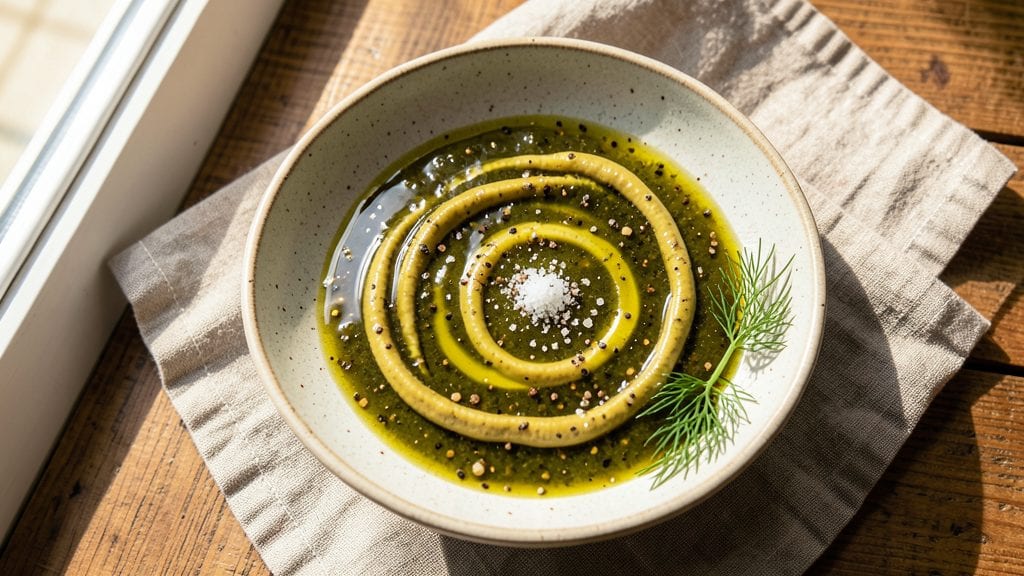
Aunt Martha's old-fashioned salad dressing recipe brings that nostalgic tanginess back to your kitchen table, just like she used to make. This classic vinegar-infused dressing combines simple ingredients with a precise technique that creates a perfectly balanced, emulsified sauce every time.
I remember the first time I tasted it—thick enough to cling to greens but light enough to let the flavors shine through.
The secret lies in whisking the oil and vinegar together slowly, creating a smooth, creamy texture without lumps. Traditional recipes rely on a ratio of 3 parts oil to 1 part vinegar, with a touch of Dijon mustard to help bind everything.
Aunt Martha always insisted on using white vinegar for its clean, bright acidity, which cuts through rich ingredients like bacon or cheese without overpowering them.
What you'll end up with is a dressing that's rich, tangy, and deeply flavorful—perfect for everything from crisp Caesar salads to hearty potato salads. The emulsification process ensures it stays consistent, whether you're drizzling it over greens or using it as a marinade.
This recipe makes about 1 cup, enough to coat a large salad with plenty left over for future meals.
For those who prefer a lighter touch, simply reduce the oil to 2 parts and add a splash of lemon juice for brightness. Store any leftovers in the refrigerator for up to 1 week, shaking gently before each use to maintain that perfect consistency.
Let's bring some homestyle tanginess back to your kitchen!
Ingredients for aunt martha's old fashioned salad dressing
Eight simple ingredients create Aunt Martha's signature tangy, creamy dressing that clings to greens perfectly.
| Ingredient | Amount | Notes |
|---|---|---|
| White Vinegar 🍶 | ⅓ cup | Distilled or apple cider vinegar |
| Extra-Virgin Olive Oil 🫒 | 1 cup | High-quality, fruity variety |
| Dijon Mustard 🥬 | 1 tbsp | Mild or strong, not prepared |
| Granulated Sugar 🍯 | 1 tbsp | Or honey for subtle sweetness |
| Salt 🧂 | ½ tsp | Kosher or sea salt preferred |
| Black Pepper 🌶️ | ¼ tsp | Freshly ground for best flavor |
| Garlic Cloves 🧄 | 1 clove | Minced or finely grated |
| Dried Dill 🌿 | ½ tsp | Or 1 tsp fresh chopped dill |
| Paprika 🌶️ | ¼ tsp | Sweet or smoked for color |
White vinegar is the heart of this dressing—distilled or apple cider work best for that classic tang. Trader Joe's and Whole Foods carry good options, but the cheap stuff at the grocery store works too. The Dijon mustard is non-negotiable—it's what gives that homestyle thickness. Maille is my go-to, but any quality jarred Dijon will do. Fresh garlic and dill make all the difference, but if you're using dried, double the amount—it's less potent. The paprika is just for color, but it adds a subtle smokiness that Aunt Martha swore by.
No white vinegar? Apple cider vinegar or red wine vinegar work in a pinch, but the flavor will be slightly different. Short on Dijon? Yellow mustard at half the amount gets you close, but it won't emulsify as well. Fresh dill not available? Dried works, but use one-third the amount. Want to skip the sugar? A splash of lemon juice adds brightness without sweetness. The olive oil should be extra-virgin—cheap oil makes the dressing taste flat. If you're making this ahead, whisk it well before storing to keep the oil and vinegar mixed.
This keeps for 1 week in the fridge, but it tastes even better the next day once everything melds. Store it in a glass jar with a tight seal—plastic can absorb flavors. Shake it vigorous before each use to re-emulsify. I always double the batch—one for salads, one for dipping bread. The dressing thickens when chilled, so let it sit at room temperature for 5 minutes before using if it seems too thick.
Why You'll Love This Recipe
- I’ll be real: I double the recipe and keep it in the fridge. It lasts forever, costs next to nothing, and turns into my emergency “fix this boring meal” solution. Plus, no one ever complains when I bring it to potlucks.
- Five-Ingredient Magic: I swear by this—just vinegar, oil, mustard, sugar, and salt. That’s it. No fancy gadgets, no measuring cups that make you question your life choices. Stir, taste, adjust. Done.
- Tangy-Sweet Balance: Honestly, the sugar and vinegar combo is chef’s kiss—bright but never harsh, with that Dijon mustard cutting through like a sharp knife. It’s the kind of dressing that makes even a simple green salad feel like a celebration.
- Pantry Staple Power: Between us, this is my go-to for everything—grilled chicken, roasted veggies, even drizzled over sandwiches. (Yes, even on a Tuesday night.) The olive oil keeps it rich, so it never feels like you’re just drowning your food in vinegar.
Step-by-step instructions for Aunt Martha's old fashioned salad dressing
Here's how to whip up this classic dressing that's tangy, rich, and packed with homestyle flavor.
Whisk Together the Wet Ingredients
In a medium bowl, pour in the 0.33 cup white vinegar and 1 cup extra-virgin olive oil. I like to use a whisk for this because it helps emulsify the dressing right from the start. Give it a good stir to combine the vinegar and oil completely—you want them to look like a smooth, slightly cloudy liquid before moving forward.
Next, add the 1 clove minced garlic to the bowl. The garlic should be finely minced or grated so it dissolves completely into the dressing. If you're using a fresh clove, I recommend grating it with a microplane for the best texture. Stir everything together again until the garlic is fully incorporated and no clumps remain.
Add the Dry Ingredients and Sweeteners
Now it's time to add the 1 tablespoon Dijon mustard, 1 tablespoon granulated sugar, 0.5 teaspoon salt, and 0.25 teaspoon black pepper. I like to sprinkle these in one at a time while whisking continuously. The mustard will help thicken the dressing slightly, while the sugar balances the vinegar's sharpness.
Don't be tempted to skip the sugar—it's what makes this dressing truly old-fashioned and well-rounded. The salt and pepper should be freshly ground for the best flavor. After adding all the dry ingredients, give the mixture another good whisk until everything is completely dissolved and smooth.
Incorporate the Herbs and Spices
Add the 0.5 teaspoon dried dill and 0.25 teaspoon paprika to the bowl. The dill gives it that classic herby note, while the paprika adds a subtle warmth and beautiful color. Stir these in gently with a spoon or fork—since they're dry, you don't want to create too many bubbles at this stage.
Here's where it gets important: give the dressing one final whisk to make sure all the ingredients are fully combined. You're looking for a smooth, slightly thick consistency that coats the back of a spoon. If it looks too thin, we'll fix that in the next step.
Emulsify and Adjust Consistency
This is the critical step where we turn the dressing into something truly special. Using your whisk, vigorously whisk the mixture for 1-2 minutes until it becomes thick and creamy. You'll notice it starts to lighten in color and develop a glossy sheen—that's the emulsion forming as the oil and vinegar bond.
If the dressing is still too thin after whisking, add 1 teaspoon at a time of the extra-virgin olive oil and whisk again until it reaches your desired consistency. It should coat a spoon but still be pourable. Taste it now—you might want to adjust the seasoning slightly if needed. If it's too tangy, add a tiny bit more sugar. If it needs more kick, add a pinch of salt.
Let It Rest and Shake Before Use
Transfer the dressing to a clean jar with a tight-sealing lid. Let it sit at room temperature for at least 15 minutes before using. This resting period allows all the flavors to meld together beautifully. The longer it sits, the better it tastes—up to 24 hours in the fridge if you're making it ahead.
Before using, give the jar a good shake to redistribute any separated ingredients. This dressing keeps well in the refrigerator for up to 2 weeks, so it's perfect for making ahead for your favorite salads, coleslaws, or even as a marinade for grilled vegetables. The flavors only get better with time!
Pro Tips For Making Aunt Martha'S Old Fashioned Salad Dressing
- Whisk in stages: Start by mixing the vinegar, mustard, and sugar—this keeps the sugar from clumping when you add it later. Then drizzle in the olive oil slowly while whisking like you’re trying to win a race. Stopping midway to stir in salt? You’ll regret it when you taste it.
- Use cold mustard: Grab that Dijon from the fridge—cold mustard blends smoother and doesn’t turn your dressing into a greasy mess. I learned this the hard way after my first batch separated like oil and water. Just pop it in the freezer for 10 minutes if you’re in a hurry.
- Salt the vinegar: Toss in half the salt with the vinegar before adding anything else. This balances the acid right from the start, so you’re not chasing flavor at the end. Trust me, your taste buds will notice the difference.
- Measure oil by weight: Ditch the measuring cups—weigh your olive oil instead. 60 grams (about ⅓ cup) gives you a perfect 1:1 ratio with vinegar without guessing. I was skeptical until I tried it; now I can’t go back. (Yes, even if you’re impatient like me.)
Troubleshooting perfect results
Oil-Vinegar Separation
If your dressing separates after making or storing, don't panic—this is normal! The oil and vinegar naturally separate over time. To fix it, simply pour the dressing into a clean jar, seal it tightly, and shake vigorously for 30-45 seconds.
The emulsion will reform, and you'll have that creamy texture back in no time. For a more permanent fix, whisk in 1 teaspoon of Dijon mustard or 1 tablespoon of honey to help stabilize the mixture. 💫
Too Thin Consistency
If your dressing turns out too thin, it's likely because the oil-to-vinegar ratio wasn't balanced. To thicken it, gradually whisk in 1 teaspoon of extra-virgin olive oil at a time until you reach the desired consistency.
Alternatively, mix in 1 teaspoon of cornstarch or arrowroot powder dissolved in 1 tablespoon of water—this acts as a natural thickener. Stir well and let it sit for 5 minutes to thicken further.
Too Tangy Flavor
A dressing that's overly sharp or sour means the vinegar overpowered the other flavors. To balance it, add ½ teaspoon more sugar or 1 teaspoon of honey and whisk until dissolved.
For a more complex flavor, stir in ½ teaspoon of minced onion or a pinch of smoked paprika to add depth. Taste as you go—you can always adjust further, but you can't take out what you've added!
Lumpy Texture
Lumps usually mean the ingredients weren't fully incorporated or the mustard wasn't mixed well. To smooth it out, pour the dressing into a blender and blend for 10-15 seconds until completely smooth. If you don’t have a blender, strain it through a fine-mesh sieve into a clean bowl.
For future batches, make sure to whisk the mustard into the wet ingredients first—this prevents clumping. 🥄
Mold or Off Smells
If your dressing develops mold or an off smell, it’s time to toss it—safety first! To prevent spoilage, always store the dressing in a clean, airtight glass jar in the fridge. Use it within 2 weeks for the best quality.
If you notice any separation or odd smells before the 2-week mark, give it a good shake and taste it. If it tastes fine, it’s still safe to use.
Garlic Overpowering
If the garlic flavor is too strong or bitter, it’s likely because the clove wasn’t minced finely enough or sat too long in the dressing. To fix it, strain the dressing through a fine-mesh sieve to remove any large garlic pieces.
For future batches, grate the garlic with a microplane instead of mincing it with a knife—this ensures even distribution and milder flavor. 🧄
Nutrition facts
Frequently asked questions
Can I make this dressing without Dijon mustard?
Yes, but the texture will be thinner and less stable. Use 1 tablespoon yellow mustard instead, but whisk it in first to help emulsify. For a non-mustard version, blend in 1 teaspoon cornstarch with the vinegar before adding oil. The flavor will differ slightly, but it'll still work for salads.
How do I know if my dressing is properly emulsified?
A properly emulsified dressing should be creamy and glossy, coating the back of a spoon without separating. If it looks thin and cloudy, whisk in 1 teaspoon olive oil at a time until it thickens. The key is patience—whisking for 1-2 minutes creates that signature homestyle texture.
Can I use this dressing on cooked vegetables or proteins?
This dressing works beautifully as a marinade for grilled chicken or roasted potatoes. Let the protein marinate for 30 minutes before cooking, and reserve some to drizzle after. The tangy flavor pairs well with bacon, shrimp, or even steak. Just reduce the vinegar to 2 tablespoons if marinating to prevent over-tenderizing.
Why did my dressing separate after refrigerating?
Separation happens naturally when oil and vinegar settle. Shake the jar vigorously for 30 seconds before using—this reforms the emulsion. For a permanent fix, whisk in 1 teaspoon Dijon mustard or 1 tablespoon honey to stabilize. Always store in a glass jar (not plastic) to prevent flavor absorption.
Can I make this dressing spicier?
Add ½ teaspoon cayenne pepper or 1 teaspoon hot sauce for heat. For smoky depth, replace the paprika with ½ teaspoon smoked paprika. If you love garlic, grate 2 cloves instead of 1. Always taste as you go—adjust gradually to avoid overpowering the classic tang.