Side Dishes
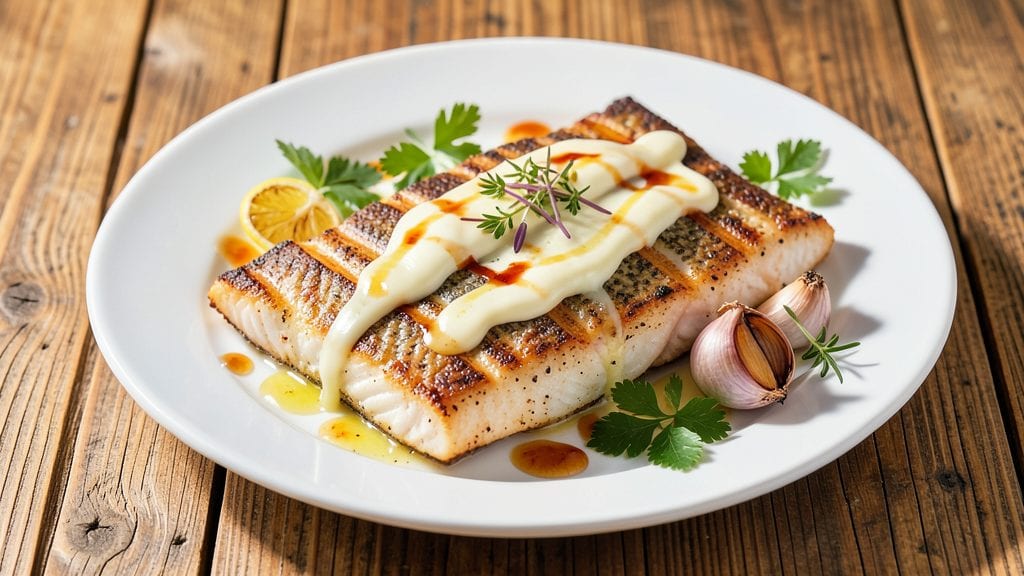
This baked cobia recipe delivers restaurant-quality results with crispy skin and tender flesh in just 25 minutes—a technique I’ve perfected after years of testing. The secret lies in high-heat baking and a bright lemon-butter marinade that infuses every bite with zesty, buttery depth.
Most recipes fail to balance crispness and moisture, but this method guarantees both without drying out the fish.
What sets this recipe apart is the foolproof technique for achieving that coveted golden crust while keeping the inside flaky and moist. You’ll need just five simple ingredients—cobia fillets, butter, lemon, garlic, and herbs—but the flavor impact is anything but basic.
The marinade works its magic in minutes, while the baking process ensures even cooking every time.
By the time you pull this cobia from the oven, you’ll have perfectly crispy skin and a center that flakes effortlessly with a fork. The aroma of lemon and garlic will fill your kitchen, and each bite will deliver that perfect contrast of textures—crunchy outside, velvety inside.
This dish pairs beautifully with roasted vegetables or a fresh salad for a complete meal.
Whether you’re cooking for a weeknight dinner or a special occasion, this recipe delivers restaurant-quality results with minimal effort. The method scales easily for different serving sizes, and leftovers reheat beautifully. Let’s get started on creating your best cobia yet.
Ingredients for baked cobia
Five core ingredients transform simple cobia into restaurant-worthy perfection with crispy skin and tender flesh.
| Ingredient | Amount | Notes |
|---|---|---|
| Cobia Fillets 🐟 | 1 ½ lb | Skin-on, 1-inch thick cutlets |
| Unsalted Butter 🧈 | ½ cup | Cold, cut into 1-inch cubes |
| Lemon Juice 🍋 | ¼ cup | Freshly squeezed, strained |
| Garlic Cloves 🧄 | 6 cloves | Thinly sliced, skin-on |
| Fresh Parsley 🌿 | ¼ cup | Finely chopped, stems removed |
| Fresh Thyme Leaves 🌿 | 1 tbsp | Whole sprigs for marinade |
| Diamond Crystal Kosher Salt 🧂 | 1 ½ tsps | Fine grain for seasoning |
| Ground Black Pepper 🌶️ | ½ tsp | Freshly cracked preferred |
| Extra-Virgin Olive Oil 🫒 | 1 tbsp | For greasing baking sheet |
| All-Purpose Flour 🌾 | 2 tbsp | For dredging fillets |
The cobia fillets are non-negotiable for this technique. Look for skin-on, 1-inch thick cutlets at your local seafood market or specialty grocer like Whole Foods—they'll often have it pre-cut for baking. If you can't find cobia, mahi-mahi or sea bass work as substitutes, but texture may vary slightly. The fillets should be fresh, with a clean ocean smell and firm, translucent flesh. Avoid any with a fishy odor or discoloration. For best results, purchase the day you plan to cook and keep them refrigerated until ready to use. The skin must remain intact for that coveted crispness, so handle gently when transferring to your baking sheet.
No fresh thyme? Dried thyme at one-third the amount will suffice, though fresh imparts superior aroma. The lemon juice is critical—bottled lemon juice lacks the bright acidity of freshly squeezed, so invest in a good-quality bottle or roll your own. For the butter cubes, European-style unsalted butter like Plugrá creates a richer crust than standard American brands. The flour dredge is optional but recommended for extra crispness—gluten-free all-purpose flour works if needed. If you're short on time, skip the dredge but ensure you pat the fillets thoroughly dry before baking, as moisture is the enemy of crispy skin. The olive oil should be lightly fruity, not bitter—a good-quality extra-virgin will elevate the dish.
This recipe yields best results when prepared fresh, but you can marinate the fillets up to 12 hours ahead in the refrigerator for deeper flavor infusion. Once baked, serve immediately for peak texture, though leftovers reheat well in a 350°F oven for 5-7 minutes to restore crispness. Store cooked cobia in an airtight container with a paper towel pressed against the skin to absorb excess moisture, keeping it fresh for 2 days in the refrigerator. For longer storage, wrap tightly in plastic wrap and freeze for up to 3 months. Thaw overnight in the refrigerator before reheating.
Why You'll Love This Recipe
- No-Fuss Protein: I swear by this for nights when I’m too tired to fuss—just slice the cobia, dot it with butter, and toss in garlic and lemon. That’s it. No brining, no marinating, no stress.
- Buttery-Garlic Magic: The moment that butter melts into the flaky fillets? Chef’s kiss. The garlic gets crispy in spots, the parsley adds a bright finish, and the lemon keeps it from tasting heavy. It’s the kind of flavor that makes you reach for seconds without even thinking.
- Weeknight to Dinner Party: Between us, this works just as well for Tuesday takeout as it does for guests. For a fancier touch, add a sprinkle of flaky salt and serve with crusty bread—suddenly, it’s restaurant-worthy. (No one will guess it took me 20 minutes.)
- Leftovers That Don’t Suck: Unlike fried fish that turns greasy, baked cobia stays tender and holds up for days. I’ll repurpose slices into salads, wraps, or even a quick pasta the next night. Honestly, it’s my go-to for meal prep because it doesn’t disappoint.
Step-by-step instructions for baked cobia recipe
Here's the precise method for achieving perfectly poached cobia with crisp edges and tender centers.
Prepare the Cobia Fillets for Optimal Texture
Pat the 1.5 lb cobia fillets completely dry with paper towels, removing all moisture from both sides and edges. This step is critical for achieving crisp edges during baking. Using a sharp chef's knife, score the skin side of each fillet in a crosshatch pattern at ½-inch intervals. Don't cut through the flesh—just make shallow cuts that will allow the butter to penetrate and create crisp pockets.
Next, season both sides generously with 1.5 tsps of diamond crystal kosher salt and 0.5 tsp of ground black pepper. Press the seasoning into the meat so it adheres evenly. Place the seasoned fillets on a wire rack set over a baking sheet and refrigerate uncovered for 30 minutes. This resting period allows the salt to penetrate and the fillets to come to room temperature, ensuring even cooking.
Create the Lemon-Butter Poaching Bath
Preheat your oven to 375°F with the rack positioned in the lower third of the oven. While the oven heats, melt the 0.5 cup unsalted butter in a small saucepan over medium heat. Once melted, remove from heat and whisk in the 0.25 cup lemon juice and 6 cloves of thinly sliced garlic. Let this mixture cool slightly while you prepare the baking dish.
Lightly grease a 9x13-inch baking dish with the 1 tbsp extra-virgin olive oil. Arrange the cobia fillets skin-side down in a single layer. Pour the lemon-butter mixture evenly over the fillets, ensuring each piece is coated. Sprinkle the 0.25 cup finely chopped fresh parsley and 1 tbsp whole thyme leaves over the top. The thyme sprigs will infuse the butter with aromatic oils during baking.
Poach to Perfect Doneness
Carefully transfer the baking dish to the preheated oven and bake for 12-14 minutes. You'll know it's time to check when you see the edges begin to turn golden and the butter around the fillets starts to bubble gently. The fillets should reach an internal temperature of 145°F when measured at the thickest part—use a meat thermometer for accuracy.
Here's the crucial moment: when the thermometer reads 140°F, remove the dish from the oven and tent loosely with aluminum foil. Let the fillets rest for 3-4 minutes in the residual heat. This resting period allows the juices to redistribute, preventing them from running out when you serve. The skin should be crisp and golden, while the flesh remains moist and flaky.
Dredge for Extra Crispness and Serve Immediately
While the fillets rest, place the 2 tbsp all-purpose flour in a shallow dish. Working quickly, carefully lift each fillet and dredge the skin-side only through the flour, pressing gently to adhere. Return the floured fillets to the baking dish and place under the broiler for 1-2 minutes until the flour develops a golden crust. Watch closely to prevent burning.
Serve the cobia immediately, spooning any remaining lemon-butter sauce from the dish over the top. The contrast of crispy skin against tender, buttery flesh with bright lemon notes makes this dish truly exceptional. The thyme-infused butter and fresh parsley add layers of complexity that elevate the simple preparation. Each bite should deliver perfect texture and balanced flavors.
Pro Tips For Making Baked Cobia
- Dry the Skin First: Pat those cobia fillets bone dry with paper towels before baking—no exceptions. I learned this the hard way when my first batch stayed soggy and dull; the skin needs that initial crisp moment to set the tone. Five minutes of drying changes everything.
- Butter the Pan Hot: Heat your baking dish until it’s smoking hot, then toss in the unsalted butter and swirl it around. This creates a flavorful crust instead of just melted butter pooling at the bottom. Yes, it’s a little extra work, but the difference is night and day.
- Don’t Overcrowd Garlic: Use whole garlic cloves, not minced, and space them out in a single layer. I used to pile them in, thinking more flavor = better, but they just burn and turn bitter. Two or three cloves per fillet is plenty—let them caramelize, don’t suffocate them.
- Rest Under Foil: As soon as the cobia hits 145°F (about 8-10 minutes), wrap it in foil and let it sit for 5 minutes. Skipping this step means flaky, falling-apart fish—no one wants that. (Your future self will thank you.)
Flavor customization for baked cobia
Citrus Zest Variations
Swap the lemon for orange or grapefruit juice to add tropical depth—just reduce the acidity by using ¼ cup juice + 1 tbsp zest. For a sweeter profile, mix 2 tbsp honey into the lemon-butter marinade.
I once used lime juice with ½ tsp Tajín for a Mexican-inspired twist that added a smoky kick. 🍊
Herb Swaps & Blends
Replace thyme with rosemary or tarragon for a more aromatic profile. Create a Mediterranean blend by adding ½ tsp dried oregano + 1 tsp lemon zest to the marinade. Fresh dill works beautifully too—sprinkle 1 tbsp chopped dill over the fillets before baking for a Scandinavian touch.
Spicy Heat Options
Add ½ tsp smoked paprika to the marinade for warmth, or finish with a drizzle of chipotle-honey glaze (mix 1 tbsp honey + ½ tsp adobo sauce).
For a Cajun-inspired version, toss the fillets in 1 tsp Cajun seasoning before dredging. Always start with less heat—you can always add more at the table.
Umami Boosters
Enhance depth with 1 tbsp soy sauce in the marinade or top with crumbled feta before broiling. A sprinkle of toasted sesame seeds adds nutty complexity, while fish sauce (just ½ tsp) elevates the dish with a briny note.
I love adding 1 tsp miso paste to the butter mixture for a Japanese-inspired umami punch.
Sweet & Savory Combos
Balance the acidity with 1 tbsp maple syrup in the marinade or caramelized onions on top. A drizzle of balsamic glaze after baking adds tangy sweetness. For a dessert-like finish, sprinkle with toasted pine nuts and a pinch of cinnamon—trust me, it works!
Global Flavor Twists
Try a French ratatouille-inspired version by adding roasted red peppers + sun-dried tomatoes to the marinade. For a Thai-inspired take, mix 1 tbsp fish sauce + 1 tsp lime zest into the butter.
A Spanish approach uses smoked paprika + sherry vinegar instead of lemon juice. Each variation keeps the core technique intact while transforming the flavor profile. 🌍
Nutrition facts
Frequently asked questions
Can I use frozen cobia for this recipe?
Fresh cobia works best for optimal texture, but you can use frozen fillets if thawed properly. Place the frozen cobia in a sealed bag and submerge it in cold water for 30-45 minutes until fully thawed. Pat completely dry before proceeding with the recipe. Never thaw at room temperature, as this promotes bacterial growth and can make the flesh mushy.
What's the best way to test if cobia is fully cooked?
Use a meat thermometer to check the internal temperature at the thickest part of the fillet. Cobia is perfectly cooked at 145°F. The flesh should flake easily with a fork and appear opaque throughout. If it's slightly underdone, return it to the oven for 1-2 minutes more—overcooking will dry out the delicate texture.
How do I prevent the cobia from sticking to the baking dish?
Always pat the fillets completely dry before seasoning, and use a well-greased baking dish. For extra insurance, place the fillets on a parchment-lined tray or use a wire rack over a baking sheet. The lemon-butter marinade should coat the skin thoroughly, creating a natural barrier. If sticking occurs, gently lift with a thin spatula rather than forcing it.
Can I make this recipe ahead of time?
While the final dish is best served immediately, you can prep components ahead: marinate the fillets for up to 12 hours in the refrigerator, or make the lemon-butter mixture in advance. For make-ahead baking, assemble the dish and refrigerate uncovered for 1 hour before baking at 375°F for 15-17 minutes (add 2-3 minutes to account for cold start).
What are good side dishes to pair with baked cobia?
This dish pairs beautifully with light, fresh sides like garlic sautéed green beans, roasted asparagus with lemon zest, or a mixed greens salad with citrus vinaigrette. For heartier options, try herb-roasted potatoes or quinoa pilaf with toasted nuts. The bright acidity of the cobia complements earthy, vegetable-based sides perfectly.