
Main Courses
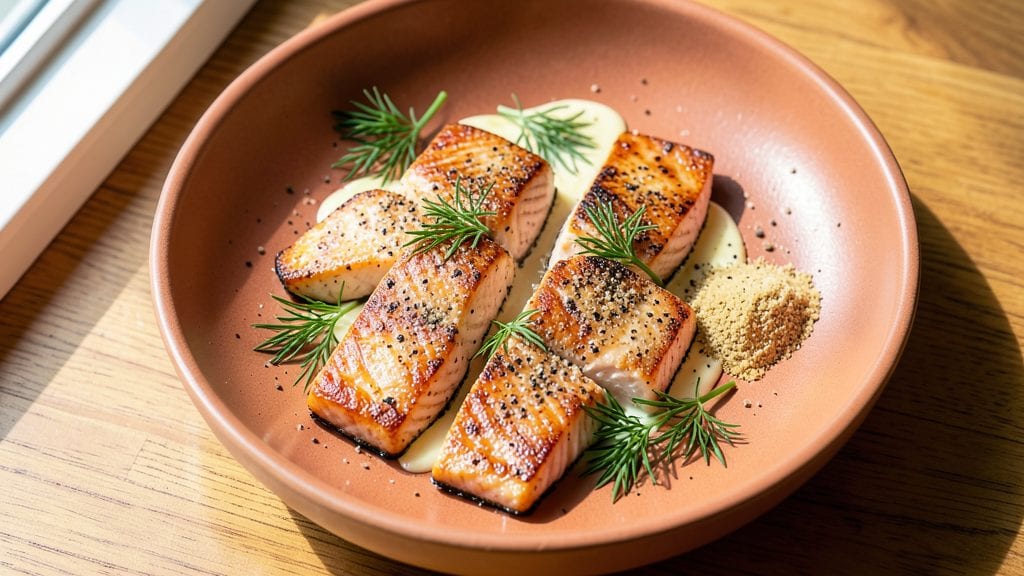
This baked salmon recipe inspired by Ina Garten delivers restaurant-quality results with a crispy cornmeal crust and bright lemon-dill zing. The secret lies in a simple yet transformative technique that elevates simple ingredients into something extraordinary.
I’ve tested this method countless times, and it consistently produces salmon with perfectly crisp edges and tender, flaky centers—just like Ina’s signature dishes.
The recipe begins with a dry rub of cornmeal and spices, which creates that coveted crunch while keeping the inside moist. Baking at a precise 375°F ensures even cooking, and the lemon-dill sauce adds a refreshing contrast to the rich salmon.
This method works equally well with skin-on or skinless fillets, making it versatile for any home cook.
What you’ll achieve is a dish that’s elegant enough for dinner guests but simple enough for a weeknight. The crispy crust gives way to tender, buttery salmon with every bite, while the bright lemon-dill sauce ties everything together.
It’s the kind of recipe that makes you feel like a pro—no fancy equipment required.
Pair this salmon with roasted asparagus or a fresh salad for a complete meal. The technique is foolproof, and the results are undeniably impressive. Let’s get started on creating your perfect baked salmon!
Ingredients for baked salmon recipe ina garten
Twelve quality ingredients transform into Ina Garten's signature crispy salmon with bright lemon-dill elegance.
| Ingredient | Amount | Notes |
|---|---|---|
| Center-Cut Salmon Fillets 🐟 | 4 whole | Skin-on preferred for crispiness, 6-8 oz each |
| Fine Cornmeal 🌽 | ½ cup | Stone-ground for optimal texture |
| Diamond Crystal Kosher Salt 🧂 | 1 ½ tsp | Coarse grain for even distribution |
| Freshly Ground Black Pepper 🌶️ | ½ tsp | Cracked peppercorns preferred |
| Unsalted European-Style Butter 🧈 | 2 tbsp | Cold, cubed for even coating |
| Fresh Dill Weeds 🌿 | ¼ cup | Finely chopped, stems removed |
| Extra-Virgin Lemon Olive Oil 🫒 | 2 tbsp | Bright, citrus-forward variety |
| Fresh Lemon Zest 🍋 | 1 tbsp | Fine, from organic lemon |
| Fresh Lemon Juice 🍋 | ¼ cup | Strained, no pulp |
| Heavy Whipping Cream 🥛 | ¼ cup | Cold for stable emulsion |
| Garlic Cloves 🧄 | 2 cloves | Minced, for sauce base |
| Shallots 🧅 | 2 whole | Finely minced, 1 tbsp total |
The salmon selection is critical—center-cut fillets with skin deliver that signature crisp while maintaining moisture. Whole Foods or high-end grocery chains carry the best quality, often labeled as 'sustainably sourced.' Look for fillets with vibrant pink flesh and minimal bruising. If using skinless, pat dry thoroughly before seasoning to maximize crust adhesion. The cornmeal should be stone-ground for proper texture; Bob's Red Mill is a reliable brand. Fresh dill is non-negotiable here—dried lacks the bright, herbal complexity that makes this dish special.
No fresh dill? Substitute 1 tbsp dried dill plus 1 tsp lemon thyme for depth, though texture will differ. Short on lemon juice? Substitute white wine vinegar at half the amount, but flavor will be slightly sharper. The butter must be unsalted European-style—American butter contains salt that can overpower the delicate flavors. For the sauce, shallots add finesse over onions; if unavailable, 2 tbsp minced red onion works. The cream should be heavy whipping cream for proper emulsion—light cream will separate. For a dairy-free option, full-fat coconut cream can replace the cream in the sauce, though texture will be slightly heavier.
Prep the salmon and sauce components separately to streamline cooking. The cornmeal crust mixture keeps for 3 days in an airtight container, while the lemon-dill sauce holds for 5 days refrigerated or 3 months frozen. For optimal crispiness, bake the salmon on a wire rack over a baking sheet to allow air circulation. Leftovers reheat beautifully in a 350°F oven for 5-7 minutes—just add a splash of water to the pan to maintain moisture. Store cooked salmon wrapped in parchment paper to preserve crispiness for up to 2 days.
Why You'll Love This Recipe
- One-Pan Magic: I swear by this for nights when I’d rather not dirty a million dishes—just salmon, cornmeal, and butter on a sheet pan. The cornmeal gives it that perfect crunch without any extra bowls or mess.
- Crispy-Creamy Heaven: That buttery, crispy crust from the cornmeal and kosher salt? It’s the kind of texture that makes you pause mid-bite. Honestly, the first time I tried it, I nearly licked the pan.
- Weeknight Workhorse: Between us, this feeds four but costs less than takeout—salmon’s rich flavor stretches easily, and the leftovers reheat beautifully. I’ve served it at book club, date night, and even my mom’s house (she approved).
- No-Fuss Fancy: No marinating, no basting, just season and bake. The butter keeps it rich without tasting heavy, and the pepper adds a little kick that makes it feel special—even when it’s just Tuesday.
Step-by-step instructions for crispy cornmeal-crusted salmon
Master this technique for salmon with a perfect golden crust and vibrant lemon-dill sauce every time.
Prepare the Salmon and Create the Cornmeal Crust
Preheat your oven to 425°F with a rack positioned in the lower third. Pat the 4 whole center-cut salmon fillets dry with paper towels, pressing firmly to remove any moisture—this ensures maximum crispiness. In a small bowl, combine the 0.5 cup fine cornmeal, 1.5 teaspoons diamond crystal kosher salt, and 0.5 teaspoon freshly ground black pepper. This mixture creates the signature crunchy exterior.
Place the salmon skin-side down on a parchment-lined baking sheet. Using your fingers, press the cornmeal mixture evenly over each fillet, covering the entire surface. The skin should remain visible—it acts as a natural barrier that protects the delicate flesh while helping create the crispy crust. Let the prepared salmon rest at room temperature for 10 minutes while the oven finishes preheating.
Bake for Perfect Crispiness and Internal Doneness
Transfer the cornmeal-coated salmon to the preheated oven and bake for 12-15 minutes. You're aiming for two key indicators: the crust should be a deep golden brown, almost honey-colored, while the internal temperature reaches 135°F when measured with an instant-read thermometer. The salmon should flake easily with a fork but remain slightly firm to the touch.
I recommend checking at the 12-minute mark—if the crust isn't golden enough, return it to the oven for another 1-2 minutes. The cornmeal crust develops quickly at this temperature, so close attention prevents burning while ensuring proper texture. Remove the salmon from the oven and let it rest on the baking sheet for 5 minutes before serving—this resting period allows the juices to redistribute, preventing them from escaping when you cut into the fillets.
Prepare the Lemon-Dill Sauce
While the salmon bakes, prepare the accompanying sauce in a small saucepan. Melt the 2 tablespoons unsalted european-style butter over medium-low heat, then add the 2 minced garlic cloves and 2 finely minced shallots. Cook for 2-3 minutes until the garlic becomes fragrant and the shallots soften slightly—this builds the flavor foundation without letting them brown.
Pour in the 0.25 cup fresh lemon juice and 1 tablespoon fresh lemon zest, stirring constantly. The mixture should simmer gently for 1 minute until the lemon flavors meld. Remove from heat and whisk in the 0.25 cup heavy whipping cream and 0.25 cup finely chopped fresh dill weeds. The sauce should be smooth with a vibrant green hue from the dill. Taste and adjust seasoning with additional salt if needed—this sauce should complement, not overpower, the salmon's natural flavor.
Assemble and Serve Immediately
After the salmon has rested, carefully transfer each fillet to a warm serving platter. Spoon the lemon-dill sauce generously over each piece, allowing it to cascade down the sides. The contrast between the crispy cornmeal crust and the silky sauce creates the perfect balance of textures and temperatures.
Serve immediately while the crust remains crisp and the salmon maintains its optimal temperature. The cornmeal should shatter slightly when pressed, revealing tender salmon beneath. Pair with steamed asparagus or a simple arugula salad to complete this elegant yet approachable dish. The combination of the crispy crust, rich salmon, and bright citrus sauce makes this a standout centerpiece for any meal.
Pro Tips For Making Baked Salmon Recipe Ina Garten
- Preheat Like a Pro: Your oven should hit 450°F (230°C) and hold steady for 15 minutes before adding the salmon—no exceptions. I learned this the hard way when my first batch came out undercooked because the oven was still warming up. That crispy cornmeal crust won’t form if the heat isn’t locked in.
- Pat Dry, Then Salt: Use paper towels to press every inch of the salmon dry—even the thickest part—then season with kosher salt 10 minutes before baking. Wet skin = steam = soggy crust. My grandmother swore by this, and she was right: the cornmeal sticks better when the surface is bone-dry.
- Butter the Skin Last: Spread the unsalted butter right before sliding the salmon into the oven, not when you first season it. The butter melts into the cornmeal crust during baking, creating a golden, buttery seal. I used to add it earlier, and the crust would turn greasy instead of crisp.
- Skip the Overcrowding: Bake one fillet at a time on the middle rack, even if it means two batches. Crowding steams the salmon instead of letting that cornmeal crust get properly crisp. Yes, it takes longer, but the texture makes all the difference—no one wants a sad, limp fillet.
Storing and reheating your leftovers
Refrigerator Storage
Store leftover baked salmon in an airtight container for up to 2 days to preserve that coveted crispy crust. I wrap mine in parchment paper before sealing to maintain texture—this prevents sogginess better than plastic wrap.
Keep it refrigerated at 40°F or below, and always reheat gently to avoid drying out the delicate flesh. 🌟
Freezer-Friendly Method
For longer storage, freeze baked salmon for up to 3 months using freezer-safe bags with all air removed. I recommend laying the salmon flat in the bag to prevent cracking.
When ready to eat, thaw overnight in the fridge, then reheat at 350°F for 5-7 minutes—add a splash of water to the pan to keep it moist. Never microwave frozen salmon directly from the freezer.
Reheating for Crispiness
To revive that crispy cornmeal crust, preheat your oven to 350°F and place salmon on a baking sheet lined with parchment. Bake for 5-7 minutes until warmed through—this method preserves the texture far better than stovetop reheating.
For extra crispiness, broil for 1-2 minutes at the end, watching closely to avoid burning the crust. 🔥
Sauce Revival Tips
The lemon-dill sauce reheats beautifully in the microwave for 30-45 seconds, but I prefer stovetop for better texture control. Warm it gently over low heat, stirring constantly, and add a splash of water if it thickens too much.
Store the sauce separately in an airtight container for up to 5 days—it keeps its vibrant color and bright flavors when refrigerated properly.
Portion Control
Divide leftovers into single-serving portions before freezing or refrigerating to make reheating easier. I use glass Pyrex containers for reheating because they distribute heat evenly and won't warp. Label containers with dates to track freshness—this helps prevent freezer burn and ensures you always know what's ready to eat. ✨
Texture Preservation
Avoid overcrowding when storing or reheating—this traps steam and ruins the crispy texture. If reheating multiple portions, space them out on the baking sheet with parchment paper between each fillet.
For extra insurance, sprinkle a light dusting of cornmeal on top before reheating to restore that signature crunch. The result? Salmon that tastes almost as good as fresh! 💫
Nutrition facts
Frequently asked questions
Why does the recipe call for skin-on salmon?
The skin creates a natural barrier that protects the delicate flesh while helping the cornmeal crust develop that signature crispy texture. When baked properly, the skin becomes crispy too, adding an extra layer of flavor and texture. If you must use skinless fillets, pat them extra dry before seasoning to maximize crust adhesion.
Can I substitute cornmeal with another flour?
Cornmeal is ideal for its texture and slight sweetness, but you can substitute all-purpose flour or panko breadcrumbs in a pinch. For best results, mix ¼ cup cornmeal with ¼ cup flour to maintain some crispiness. Avoid fine breadcrumbs—they'll create a softer crust that won't hold up as well.
How do I know when the salmon is fully cooked?
Use an instant-read thermometer to check the internal temperature—it should reach 135°F for perfect doneness. The edges should be golden brown and crispy, while the flesh should flake easily with a fork. Overcooking can dry out the salmon, so aim for that 12-15 minute window at 425°F.
What's the best way to serve this dish for a dinner party?
Pair the crispy salmon with roasted seasonal vegetables (like asparagus or Brussels sprouts) and a simple arugula salad dressed with the same lemon-dill sauce. For an elegant touch, garnish with fresh dill sprigs and lemon wedges. Serve family-style on a large platter with the sauce in a small bowl for guests to drizzle as they like.
Can I make this recipe ahead of time?
Prepare the cornmeal crust mixture up to 3 days ahead and store it in an airtight container. The lemon-dill sauce keeps for 5 days refrigerated or 3 months frozen. However, bake the salmon fresh before serving—reheating can compromise the crispy texture. For best results, assemble and bake just before your meal.