
Soups & Stews
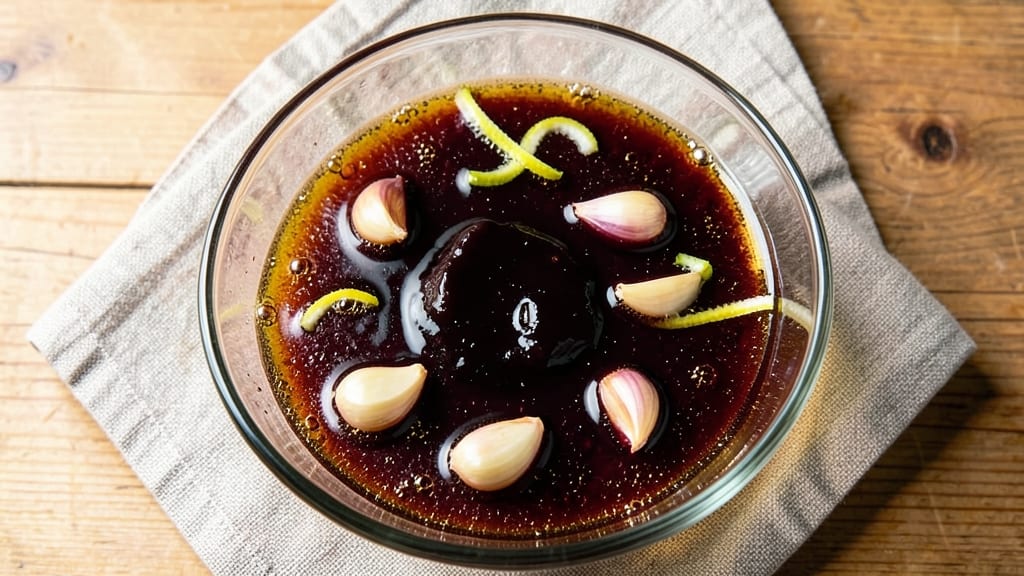
Transforming tough beef heart into tender, melt-in-your-mouth perfection starts with this umami-packed marinade designed for offal lovers. The blend of acid, aromatic herbs, and rich spices doesn't just tenderize—it transforms the texture while infusing deep, savory complexity that elevates even the most hesitant eaters.
I developed this recipe after years of experimenting with offal, and it consistently delivers restaurant-quality results at home.
The secret lies in the balance of ingredients: acidic components like citrus juice or vinegar break down fibers, while olive oil carries the flavors deep into the meat.
Aromatics like garlic and shallots build layers of umami, and a touch of soy sauce or Worcestershire adds that unmistakable depth that makes beef heart irresistible. This marinade works best when applied generously and allowed to penetrate for at least 4 hours, though overnight yields even more dramatic tenderness.
What you'll achieve is beef heart that's tender enough to cut with a fork, with a surface that's richly seasoned and ready to caramelize beautifully during cooking. The marinade's acidity also helps prevent bitterness, leaving you with meat that's flavorful, approachable, and packed with protein.
Store any leftover marinade in the refrigerator for up to 5 days—it makes an excellent base for quick sauces or broths, ensuring no ingredient goes to waste.
Whether you're preparing for a special occasion or simply expanding your culinary horizons, this marinade turns beef heart from an intimidating cut into a showstopping centerpiece. The technique is straightforward, but the results are nothing short of transformative—perfect for adventurous cooks ready to master offal with confidence.
Let's get started on the flavor journey.
Ingredients for beef heart marinade
Eight ingredients transform tough beef heart into restaurant-quality tenderness.
| Ingredient | Amount | Notes |
|---|---|---|
| Extra-Virgin Olive Oil 🫒 | ½ cup | High-quality, fruity variety preferred |
| Fresh Lemon Juice 🍋 | ¼ cup | Freshly squeezed, no pulp |
| Red Wine Vinegar 🍷 | ¼ cup | Dry, bold variety for depth |
| Soy Sauce 🥢 | 2 tbsp | High-sodium preferred for marinade |
| Worcestershire Sauce 🍶 | 1 tbsp | Anchor brand recommended |
| Garlic Cloves 🧄 | 6 cloves | Freshly minced, aromatic |
| Shallots 🧅 | 2 whole | Finely minced, not chopped |
| Fresh Rosemary 🌿 | ½ oz | Needles finely chopped |
| Fresh Thyme 🌿 | ½ oz | Leaves only, stems removed |
| Diamond Crystal Kosher Salt 🧂 | 1 ½ tsp | Fine grain for even dissolution |
| Freshly Ground Black Pepper 🌶️ | 1 tsp | Cracked peppercorns preferred |
The olive oil is non-negotiable here—look for extra-virgin with fruity notes at specialty markets or Trader Joe's for quality without the splurge. Fresh lemon juice and red wine vinegar form the acid base that tenderizes the meat, so don't substitute bottled lemon juice—the pulp dulls the marinade. For the aromatic base, garlic and shallots should be minced to a paste—this ensures maximum surface area for flavor infusion. I always buy fresh rosemary and thyme from the grocery store's herb section, giving them a quick rinse before chopping to remove any dirt. The herbs need to be finely chopped for even distribution throughout the marinade.
No red wine vinegar? Balsamic vinegar at half the amount works in a pinch, though it adds sweetness. Substituting bottled lemon juice? Add a pinch of citric acid to mimic freshness. The soy sauce can be swapped for coconut aminos, though you'll lose some depth. For Worcestershire, fish sauce at half the quantity adds umami but changes the flavor profile. If you're missing fresh herbs, dried thyme at one-third the amount works, but fresh rosemary has no substitute—it's the backbone of this marinade's aromatic complexity. The kosher salt should be Diamond Crystal or Morton's—table salt is too dense and won't dissolve properly.
This marinade stays potent in the fridge for 5 days, though I usually make it fresh for best results. Store it in an airtight container with a lid slightly ajar to let aromatics breathe. The leftover marinade makes an incredible base for quick sauces—just reduce it on the stove with a splash of water. For beef heart, apply generously and marinate for at least 4 hours, though overnight yields the most dramatic tenderness. The marinade doubles as a great meat tenderizer for other tough cuts like flank steak or pork shoulder—just adjust the acidity time accordingly.
Why You'll Love This Recipe
- Five-Ingredient Magic: I swear, this marinade is the kind of recipe that makes me feel like a genius—just olive oil, lemon, vinegar, soy sauce, and Worcestershire. No fancy ingredients, no stress, and it transforms tough beef heart into something tender and irresistible.
- Tangy Umami Bomb: That bright lemon and sharp vinegar cut through the richness of the beef heart, while the soy and Worcestershire add this deep, savory punch. It’s the kind of flavor that lingers—you’ll taste it long after the last bite.
- Weeknight to Dinner Party: Between us, this marinade works for everything: quick weeknight stir-fries, slow-cooked braises, or even grilled slices for a fancy dinner. I’ve used it on beef heart steaks, skewers, and even in tacos—it’s that versatile.
- Budget-Friendly Powerhouse: Beef heart is one of the most affordable cuts of meat, and this marinade stretches every drop of flavor. Honestly, I’ve made a whole meal out of leftovers—just reheat with a splash of water and a pinch of salt, and it’s just as good.
Step-by-step instructions for beef heart marinade recipe
This marinade transforms tough beef heart into melt-in-your-mouth perfection with bold flavors and remarkable tenderness.
Prepare the Aromatic Base
In a medium mixing bowl, combine the 0.5 cup extra-virgin olive oil, 0.25 cup fresh lemon juice, and 0.25 cup red wine vinegar. Whisk vigorously until fully emulsified—this creates a stable foundation for the marinade. The acidity from the lemon juice and vinegar will begin breaking down tough muscle fibers immediately, while the olive oil carries the flavors deep into the meat.
Next, add the 2 tablespoons soy sauce and 1 tablespoon Worcestershire sauce. These umami powerhouses will infuse the beef heart with deep, savory complexity. Stir well to ensure even distribution of all liquid ingredients before moving to the next step. The combination of vinegar and soy sauce creates an acidic environment that helps tenderize the meat more effectively than salt alone.
Incorporate the Herb and Allium Mixture
Finely mince the 6 cloves garlic and 2 whole shallots using a sharp knife or food processor. The goal is to create a paste-like consistency that will cling to the beef heart during marinating. Add these to the bowl along with the 0.5 ounces finely chopped fresh rosemary and 0.5 ounces fresh thyme leaves. The rosemary brings piney brightness while the thyme adds earthy depth—both essential for balancing the rich beef flavor.
Use a wooden spoon to thoroughly mix all ingredients, ensuring the herbs are evenly distributed throughout the marinade. The texture should be thick but pourable—this consistency ensures maximum contact with the meat. Let the mixture sit at room temperature for 10 minutes before using, allowing the flavors to meld together. This resting period enhances the aromatic profile and ensures the marinade works most effectively.
Season and Finalize the Marinade
Add the 1.5 teaspoons diamond crystal kosher salt and 1 teaspoon freshly ground black pepper to the bowl. Sprinkle the salt evenly over the surface first, then gently fold it in with the wooden spoon to prevent clumping. The fine grain of kosher salt dissolves more evenly than coarse sea salt, ensuring balanced seasoning throughout the beef heart.
Give the marinade one final stir to combine all elements completely. The mixture should now have a vibrant, aromatic appearance with visible flecks of herbs and shallots suspended throughout. This marinade is ready to work its magic—it contains all the necessary components to transform tough beef heart into tender, flavorful bites that rival traditional cuts of meat.
Apply to Beef Heart and Marinate
Place the beef heart in a resealable plastic bag or shallow dish and pour the marinade evenly over it, ensuring complete coverage on all sides. For best results, I recommend massaging the marinade into the meat—this helps it penetrate deeper and creates a flavorful crust. Seal the bag or cover the dish and refrigerate for at least 4 hours, though I prefer marinating overnight for maximum tenderness.
During marinating, the acidic components will begin breaking down connective tissues while the oil and herbs infuse the meat with flavor. The beef heart should develop a rich, reddish hue and become noticeably more pliable. When ready to cook, pat the meat dry before searing—this ensures a perfect crust while maintaining all the marinade's tenderizing benefits.
Pro Tips For Making Beef Heart Marinade
- Trim the Fat First: Beef heart has a thick fat cap that can make your marinade greasy and uneven. Use a sharp knife to slice off the outer layer—about 1/4-inch thick—before marinating. I learned this the hard way when my first batch ended up floating in a pool of its own fat instead of soaking up flavor.
- Acid First, Then Oil: Mix the lemon juice and red wine vinegar into the marinade before adding the olive oil. Acid breaks down proteins faster, and the oil emulsifies better afterward. I used to add oil first, and the marinade would separate like a sad salad dressing.
- Don’t Drown It: Beef heart absorbs marinade aggressively—use just enough to coat the pieces lightly, not submerge them. Too much liquid dilutes the flavors and turns your heart into a soggy mess. Aim for a 1:1 ratio of marinade to beef by volume, then toss it like you’re dressing a salad.
- Let It Breathe: After marinating for at least 4 hours (overnight is better), pat the beef heart dry with paper towels before cooking. The extra moisture can steam the meat instead of searing it. I know, it’s annoying to wait, but skipping this step means losing that perfect crust.
Best sauces and condiments for beef heart marinade
Umami Sauce Pairings
This marinade's rich, savory profile pairs beautifully with reduced red wine sauce—simmer 1 cup dry red wine with 1 tbsp beef broth and 1 tsp brown sugar until reduced by half.
The acidity mirrors the marinade's tang while adding depth. I drizzle it over seared beef heart right before serving for a luxurious finish. 🍷
Herb Butter Complements
Compound herb butter by mixing ½ cup softened butter with 1 tbsp chopped parsley, 1 tsp lemon zest, and ½ tsp garlic powder. The bright herbs cut through the marinade's richness while adding a silky texture.
Serve warm slices of beef heart topped with this butter for an elegant presentation. 🧈
Spicy Aioli Contrast
For heat lovers, blend ½ cup mayonnaise with 1 tbsp sriracha, 1 tsp lemon juice, and ½ tsp honey to create a spicy aioli. The cool, creamy texture balances the marinade's acidity while adding a kick.
Drizzle over sliced beef heart or use as a dipping sauce for crispy fried pieces. 🌶️
Pan Sauce Upgrade
After searing the beef heart, deglaze the pan with ½ cup beef stock and 1 tbsp balsamic vinegar, then reduce by half. Finish with 1 tsp butter for a glossy, umami-packed pan sauce. This captures all the meat's caramelized flavors while complementing the marinade's herbal notes. 🔥
Quick Pickle Accent
Brighten the plate with quick-pickled red onions—slice 1 red onion thinly, soak in ½ cup vinegar, 1 tbsp sugar, and ½ tsp salt for 20 minutes. The tangy crunch contrasts perfectly with the tender beef heart and marinade's richness. 🧅
Wine and Beer Pairings
A bold Malbec from Argentina (14-15% ABV) mirrors the marinade's red wine vinegar and soy sauce complexity. For beer lovers, a Belgian Dubbel with its dark fruit and caramel notes complements the beef heart's depth. Both beverages stand up to the marinade's intensity without overpowering it. 🍺
Nutrition facts
Frequently asked questions
Can I use this marinade for other types of offal or tough cuts?
This marinade works wonders on other fibrous proteins like pork shoulder, flank steak, or even lamb chops. The acidity and herbs help break down tough muscle fibers, while the umami components add depth. For pork or lamb, reduce the marinating time to 2-3 hours to avoid over-tenderizing.
What if I don't have fresh rosemary or thyme?
You can substitute dried herbs, but use one-third the amount (e.g., 1/6 tsp dried thyme instead of 0.5 oz fresh). For rosemary, there's no perfect substitute—it provides a unique piney brightness that's hard to replicate. If missing, boost the thyme to 0.75 oz and add 1/2 tsp dried marjoram for depth.
How do I know when the beef heart is properly marinated?
The meat should feel noticeably softer and more pliable after marinating. Visually, it will have a rich, reddish hue from the herbs and acid. If you press gently with your finger, it should yield slightly without resistance. For best results, always marinate at least 4 hours, but overnight yields the most dramatic tenderness.
Can I reuse leftover marinade?
Yes! Store leftover marinade in an airtight container in the fridge for up to 5 days. It makes an excellent base for quick sauces—simply reduce it with a splash of water and a pat of butter. For extra flavor, add 1 tsp honey or 1 tbsp balsamic vinegar before reducing. Never reuse marinade that has touched raw meat without boiling it first for 5 minutes.
Why does my beef heart still taste bitter after marinating?
Bitterness often comes from over-marinating or using old ingredients. Limit marinating to 8 hours max—longer exposure to acid can break down too much fat, releasing bitter compounds. Also, ensure your beef heart is fresh and properly trimmed (remove any silver skin or connective tissue). If bitterness persists, try adding 1 tsp honey or 1/2 cup pineapple juice to the marinade to balance flavors.