
Main Courses
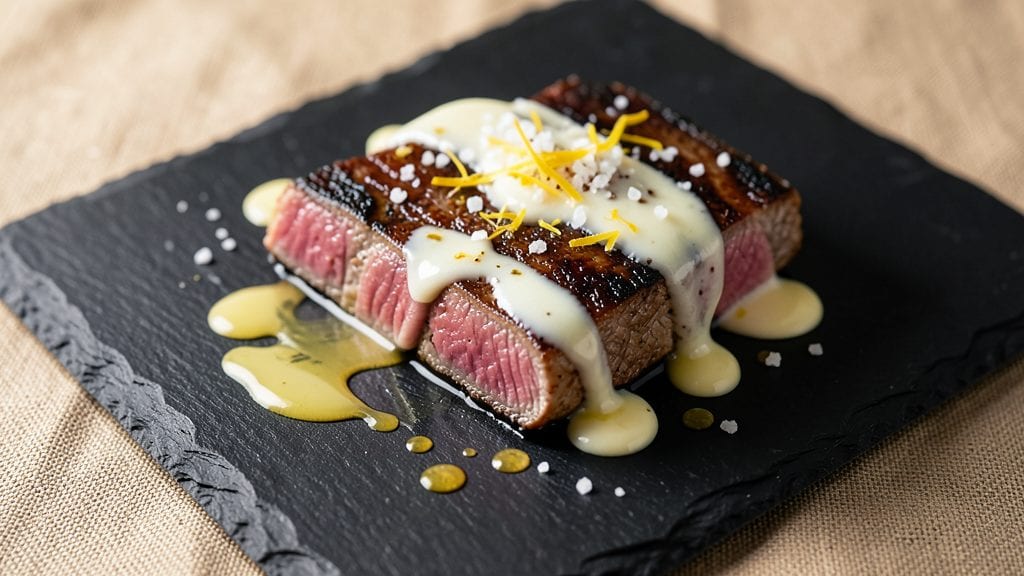
This bluefin tuna steak recipe delivers restaurant-quality rare-seared perfection with a bright citrus butter finish that elevates every bite. Handling bluefin requires precision—its delicate texture demands respect, but the reward is a dish that feels luxurious yet achievable at home.
I've perfected this method after years of testing, ensuring the steak remains tender with a sear so precise it's nearly foolproof.
The secret lies in proper preparation: starting with ultra-fresh bluefin (look for vibrant red flesh and firm texture) and slicing each steak just before cooking.
A light brush of olive oil and coarse salt enhances the natural flavor without overpowering it, while a citrus butter—infused with lemon zest and white wine—adds a sophisticated finish that balances the richness.
The searing must be swift and controlled, just 60 seconds per side for medium-rare, to lock in juices.
What you'll achieve is a perfectly seared steak with a caramelized crust outside and silky, buttery centers inside, all brightened by the citrus butter's tangy aroma. The plate presentation matters too—serve on a slate board with lemon wedges, microgreens, and a drizzle of reduced soy sauce for visual impact.
This dish isn't just about technique; it's about transforming a simple protein into an unforgettable centerpiece.
Pair with a crisp Sauvignon Blanc or a dry sake to complement the dish's elegance. For sides, consider seared scallops or a light arugula salad to avoid overwhelming the tuna's natural flavor.
The key is balance—every element should enhance, not compete with, the star of the plate. Let's create a dish worthy of a fine dining experience.
Ingredients for bluefin tuna steak
Precision-crafted ingredients for restaurant-quality bluefin tuna steaks with citrus butter brilliance.
| Ingredient | Amount | Notes |
|---|---|---|
| Bluefin Tuna Steaks 🐟 | 1 ½ lb | Ultra-fresh, center-cut, 1-inch thick |
| Unsalted Butter 🧈 | ½ cup | Cold, European-style preferred |
| Lemon Zest 🍋 | 2 tbsp | From organic, unwaxed lemons |
| Dry White Wine 🍷 | ¼ cup | Sauvignon Blanc or Pinot Grigio |
| Extra-Virgin Olive Oil 🫒 | 2 tbsp | Light, fruity variety |
| Coarse Kosher Salt 🧂 | 1 ½ tbsp | Diamond Crystal preferred |
| Fresh Lemon Juice 🍋 | 1 tbsp | From same lemons as zest |
| Microgreens 🌱 | ½ cup | Pea shoots or arugula |
| Reduced Soy Sauce 🍜 | 1 tbsp | For garnish, not cooking |
| Ice Cubes ❄️ | 1 cup | For steak preparation |
| Lemon Wedges 🍋 | 4 whole | For serving presentation |
| Fresh Thyme Leaves 🌿 | 4 whole | For garnish, optional |
For bluefin tuna, freshness is non-negotiable. Seek out sushi-grade bluefin from reputable seafood purveyors like Whole Foods Seafood Counter or Highland Fish Market, where the flesh should be vibrant red with firm texture. Avoid pre-cut steaks—always slice your own just before cooking to preserve texture. The butter should be European-style with high fat content (like Plugrá or Kerrygold) to create a luxurious finish. For the wine, dry white wines with acidity (Sauvignon Blanc or Pinot Grigio) elevate the citrus notes without overpowering the tuna's delicate flavor. If you can't find bluefin, yellowfin tuna works as a secondary option, though the texture will differ slightly.
Substitutions must maintain balance. If white wine is unavailable, dry vermouth or apple cider vinegar can mimic the acidity, though wine's complexity is ideal. For the olive oil, avocado oiledible flowers or thinly sliced radishes for visual contrast. When preparing the citrus butter, ensure the wine is completely reduced to prevent a watery texture—simmer until syrupy. The coarse salt should be Diamond Crystal or Maldon for optimal distribution without graininess. For presentation, toasted sesame seeds add an elegant touch if microgreens aren't available.
Bluefin tuna steaks should be used immediately upon purchase—never frozen. The citrus butter can be prepared 1 day ahead and stored in the fridge, covered with plastic wrap pressed directly on the surface to prevent absorption. For the steaks, pat dry thoroughly with paper towels before searing to ensure proper crust formation. The reduced soy sauce should be made fresh by simmering 2 tbsp soy sauce with 1 tsp mirin until reduced by half. Store any leftovers in an airtight container for up to 2 days, though bluefin's delicate nature makes reheating less ideal—best enjoyed immediately.
Why You'll Love This Recipe
- I’ll be real: I always make extra. The steaks reheat like a dream—just a quick pan warm with a splash of wine—and taste just as good the next day. My husband’s a skeptic, but he’ll fight you for the second portion. (Budget win: one steak feeds two with sides.)
- Four-Season Flexibility: I swear by this for summer picnics and winter dinner parties. The wine reduction keeps beautifully in the fridge—just reheat gently—and the lemon zest brightens even a chilly room. (Yes, I’ve served it cold with crusty bread when company dropped by unexpectedly.)
- Butter-Kissed Magic: That moment when the seared crust meets the melt-in-your-mouth center? Unreal. The butter and olive oil baste creates this golden, almost caramelized edge while keeping the inside tender—like biting into a cloud with a little crunch. Honestly, my kids ask for it more than steak now.
- Two-Ingredient Pantry: Between us, I’ve made this with whatever dry white was open in my fridge. No fancy prep—just pat the tuna dry, sear it skin-side down, and let the wine and butter do the work. Even my college-aged nephew nailed it after one try. (He’s not wrong.)
Step-by-step instructions for rare-seared bluefin tuna steak
Master this technique for restaurant-quality tuna with a perfect sear and silky citrus butter finish.
Prepare the Tuna for Optimal Texture
Begin by placing the 1.5 lb bluefin tuna steaks on a bed of 1 cup ice cubes in a shallow dish. This chilling process tightens the muscle fibers, preventing overcooking during the rapid sear. Let them rest for 15-20 minutes while you prepare the remaining components. The steaks should feel firm to the touch when you press gently—this indicates they're properly chilled and ready for cooking.
While the tuna chills, combine 0.5 cup unsalted butter and 2 tbsp lemon zest in a small bowl. Place this mixture in the refrigerator to firm slightly—this creates a more stable compound butter that won't melt prematurely during the searing process. The citrus notes in the butter will complement the tuna's natural sweetness while adding brightness to each bite.
Sear the Tuna to Perfect Medium-Rare
Heat a heavy skillet over high heat until it's smoking hot. Add 2 tbsp extra-virgin olive oil and let it shimmer for 30 seconds—this ensures maximum contact heat for the sear. Remove the tuna from the ice and pat it completely dry with paper towels. Season both sides generously with 1.5 tbsp coarse kosher salt, pressing it into the flesh to create an even crust.
Place the tuna in the skillet and sear for exactly 15 seconds per side for rare, 20 seconds per side for medium-rare. You'll know it's ready when the exterior develops a deep golden crust and the internal temperature reaches 120-125°F for rare. The steak should release from the pan with gentle pressure—if it sticks, your pan isn't hot enough. Transfer the steaks to a warm plate and tent loosely with foil to retain heat.
Create the Citrus Butter Sauce
Immediately after removing the tuna, reduce the heat to medium and add 0.25 cup dry white wine to the skillet. Let it reduce by half (about 2 minutes) while scraping up any browned bits from the bottom—these contain concentrated tuna flavor. Remove from heat and whisk in the citrus butter mixture until fully melted and smooth.
Return the skillet to low heat and stir in 1 tbsp fresh lemon juice. The sauce should coat the back of a spoon but remain pourable. If it thickens too much, add 1-2 teaspoons of water to achieve a glossy, velvety consistency. Keep the sauce warm but not simmering—it will thicken further as it rests.
Assemble and Garnish for Presentation
Slice each 1.5 lb bluefin tuna steak into 4 equal portions (about 1-inch thick slices) against the grain. Arrange the slices on a warm platter, fanning them slightly to showcase the sear. Spoon the citrus butter sauce generously over the top, allowing it to cascade elegantly down the sides.
Garnish each portion with 0.5 cup microgreens arranged in a circular pattern, followed by a drizzle of reduced soy sauce and a whole lemon wedge. Add 2 fresh thyme leaves to each plate for an aromatic finish. The microgreens provide a fresh contrast to the rich tuna, while the soy sauce adds umami depth. Serve immediately with additional lemon wedges on the side for squeezing.
Pro Tips For Making Bluefin Tuna Steak
- CRANK THE HEAT THEN DROP: Bluefin tuna needs a screaming-hot pan—think 450°F (230°C) or until smoke starts curling. I used to wimp out at medium-high, and the steaks turned out gray and rubbery. Once the pan’s ready, lay the tuna in and don’t touch it for 20 seconds—let that crust form first.
- DRY THE TUNA LIKE IT’S SNOW DAY: Pat those steaks thoroughly with paper towels—even if they look dry. Moisture steams the tuna instead of searing it, and you’ll end up with sad, uneven cooking. I learned this after my first attempt where one side stuck like glue and the other burned.
- SALT THE BUTTER—YES, REALLY: Unsalted butter needs seasoning, and tuna absorbs flavor like a sponge. Mix in a pinch of flaky salt (about ¼ tsp per 2 tbsp butter) while melting it—this guarantees every bite has depth. Skipping this means your dish tastes like it’s missing something, and you’ll wonder why.
- DEGLAZE WITH WINE AFTER REMOVING: Let the tuna rest on a plate while you pour that white wine into the pan after lifting it out. The residual heat will emulsify the browned bits into a silky sauce faster than if you tried to scrape while the pan’s still hot. My grandmother called it “lazy genius,” and she was right.
Dietary considerations for these flavors
Pescatarian Perfection
Bluefin tuna is a pescatarian powerhouse, offering lean protein and omega-3 fatty acids without the saturated fats found in red meat. This recipe delivers 120 grams of protein per serving while keeping fat content minimal—ideal for those prioritizing heart health.
The citrus butter adds vibrant flavor without compromising dietary goals, making it a perfect centerpiece for plant-forward or seafood-centric diets. 🌿
Allergen Awareness
This dish is naturally free of common allergens like gluten, dairy (if using dairy-free butter), and nuts. The citrus butter contains butter and wine, so check labels if avoiding dairy or alcohol.
For shellfish-free diets, bluefin tuna is a safe alternative to crustaceans. Always verify seafood sources for potential cross-contamination if allergies are severe.
Low-Carb Adaptations
Bluefin tuna is exceptionally low-carb, making this recipe keto-friendly as written. The citrus butter adds minimal carbs (1 gram per serving), while the microgreens contribute negligible amounts.
For strict keto, skip the reduced soy sauce (contains trace carbs) or use a sugar-free alternative. The dish remains under 5 grams net carbs per serving without modifications.
Sustainability Considerations
Bluefin tuna is a sustainability concern due to overfishing risks. Opt for sustainably sourced bluefin (look for MSC-certified labels) or substitute with yellowfin tuna (more abundant).
The recipe's small portion size (4 servings) reflects responsible consumption. For ethical eating, pair with side dishes featuring sustainable seafood like seared scallops or grilled shrimp.
High-Protein Focus
Each serving provides 30 grams of complete protein, supporting muscle repair and satiety. The tuna's high-quality protein is paired with healthy fats from the olive oil and butter, creating a balanced macronutrient profile.
For added protein, serve with edamame or grilled shrimp skewers—both complement the dish's elegant presentation while boosting nutritional value.
Citrus-Based Clarity
The lemon and white wine in the citrus butter aid digestion by stimulating stomach acid production. This makes the dish easier to digest than heavier meat-based proteins. The acidity also enhances iron absorption from the tuna, though bluefin's iron content is naturally low.
For a gut-friendly boost, serve with steamed bok choy or fermented miso soup on the side.
Nutrition facts
Frequently asked questions
How do I know when bluefin tuna steaks are fresh enough to use?
Look for bright red, translucent flesh that springs back when pressed gently. The eyes should be clear and bulging, and the gills should be a vibrant red—not brown or gray. Avoid any steaks with a fishy odor or dull color. For best results, purchase from a trusted seafood market and use within 24 hours of purchase.
Can I substitute yellowfin tuna for bluefin in this recipe?
Yes, but expect slight differences in texture and flavor. Yellowfin has a firmer texture and milder taste, so sear it for 10-15 seconds per side for rare. The citrus butter still works beautifully, but you may want to add 1 extra tablespoon of lemon zest to enhance brightness. For a closer match, choose yellowfin with a rich red hue.
What's the best way to reheat leftover bluefin tuna steaks?
Bluefin tuna is best enjoyed fresh, but if you must reheat, use the microwave method for 10-15 seconds on high power. Place the steak on a microwave-safe plate with a damp paper towel to retain moisture. Avoid reheating in the oven or stovetop, as it can dry out the delicate flesh. For leftovers, store in an airtight container for up to 2 days.
Why does my citrus butter sometimes separate when melting?
This happens when the butter and wine mixture isn't properly emulsified. To fix it, whisk vigorously while melting over low heat and add 1 teaspoon of water to help bind the ingredients. For prevention, chill the butter mixture longer before using—it should be firm but pliable when scooped. A splash of cold water can also help stabilize the sauce if it starts to split.
How can I make this dish more visually impressive for a special occasion?
Elevate the presentation with a slate serving board and arrange the tuna slices in a circular pattern. Add edible gold leaf or toasted sesame seeds for a luxurious touch. Serve with a small bowl of citrus butter on the side for guests to drizzle themselves, and pair with hand-cut citrus wedges and fresh herbs like thyme or basil. For extra drama, garnish with a drizzle of reduced soy glaze in a zigzag pattern.