
Side Dishes
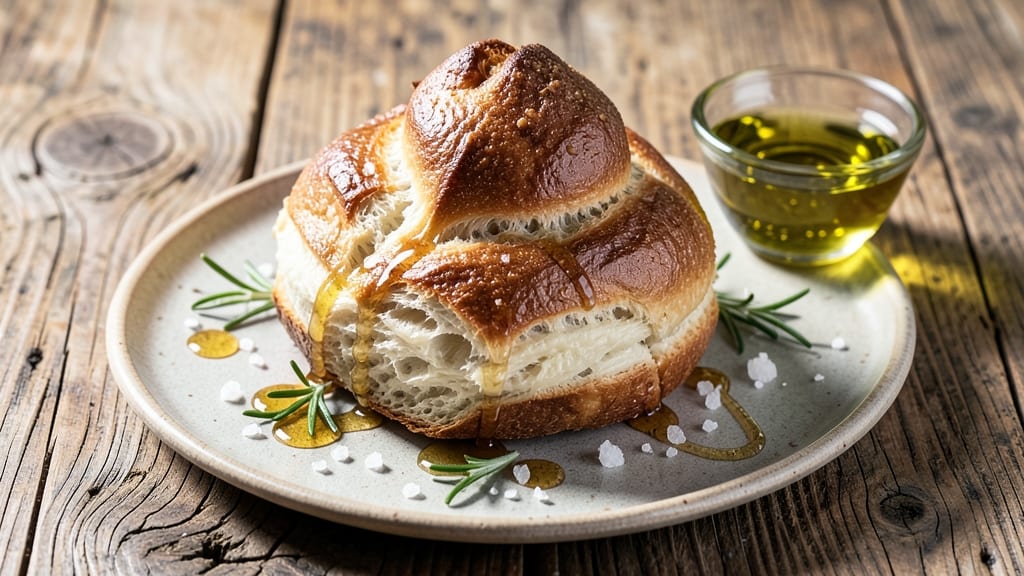
This Bulla bread recipe delivers the flaky layers that make it a beloved Italian classic, where each bite reveals crispy, airy perfection. 💛 The secret lies in its unique dough technique—layered with precision and baked just long enough to create that signature shatter.
I’ve perfected this method after years of testing, ensuring every loaf turns out restaurant-quality at home.
The dough starts with a simple mix of flour, water, and a touch of olive oil, but the magic happens in the folding and resting. Each fold builds delicate layers that puff up dramatically in the oven, creating those signature pockets of air.
This isn’t just bread—it’s a textural experience, with a crispy exterior and a light, almost cloud-like interior.
What sets Bulla bread apart is its ability to stand alone or elevate any meal. Serve it warm with olive oil and sea salt for a rustic starter, or use it to soak up sauces from pasta or stews.
The flaky layers make every bite satisfying, and the process is simpler than it looks—no fancy equipment needed, just patience and attention to detail.
Whether you’re baking for a family gathering or treating yourself to a homemade Italian classic, this recipe delivers professional results. The aroma alone will have everyone gathering around the table, and the first bite will have them asking for seconds. Let’s get started on your perfect loaf.
Ingredients for bulla bread
Four simple ingredients create the magic—flour, olive oil, water, and yeast—plus a few key techniques for that signature shatter.
| Ingredient | Amount | Notes |
|---|---|---|
| All-Purpose Flour 🌾 | 4 cups | High-protein for better structure |
| Extra-Virgin Olive Oil 🫒 | ¼ cup | For dough and finishing |
| Water 💧 | 1 ½ cups | Lukewarm for optimal activation |
| Instant Yeast 🍞 | ¼ tsp | Ensures reliable fermentation |
| Salt 🧂 | 1 ½ tsp | Fine sea salt preferred |
| Granulated Sugar 🍬 | 1 tsp | Feeds yeast for faster rise |
| Cornmeal 🌽 | ¼ cup | For dusting baking surface |
| Coarse Sea Salt 🧂 | ½ tsp | For finishing before baking |
The flour is non-negotiable here. King Arthur or Caputo Tipo 00 are ideal—their high protein content gives the dough the structure it needs for those signature layers. Olive oil should be extra-virgin and fruity—the good stuff from California or Italy makes a difference. Water temperature matters: too hot and the yeast dies, too cold and it won't activate. Lukewarm (about 100°F) is perfect. For yeast, FreshPaks or Bob's Red Mill work great, but check the expiration date—old yeast won't do the job.
No instant yeast? Active dry yeast needs 5 minutes in warm water first. Running short on olive oil? Melted butter works but adds richness (and cost). The sugar feeds the yeast, but honey or maple syrup at half the amount gives a subtle sweetness. For the salt, Diamond Crystal is my go-to—it dissolves better than table salt. If you're baking in a humid climate, reduce the water by 1 tablespoon—the dough should be slightly tacky but not sticky.
Store unused flour in an airtight container for 3-6 months, olive oil in a cool, dark place for up to 18 months. The yeast should be kept in the fridge and used within 3 months of opening. Once mixed, the dough can rest in the fridge for up to 24 hours before shaping—this actually improves flavor. For leftovers, wrap tightly and freeze for up to 3 months, thawing at room temperature before reheating.
Why You'll Love This Recipe
- I’ll be real: I used to dread bread-making. But this? Just mix flour, oil, water, and yeast—no punching, no waiting hours. The dough comes together in minutes, then rests while you sip coffee or scroll through your phone. That’s real life.
- No-Knead Magic: I’ll be real: I used to dread bread-making. But this? Just mix flour, oil, water, and yeast—no punching, no waiting hours. The dough comes together in minutes, then rests while you sip coffee or scroll through your phone. That’s real life.
- Olive Oil Luxe: Between us, this bread tastes like you slaved over it. The extra-virgin olive oil—just a splash—gives it a rich, almost buttery depth, while the yeast delivers that pillowy softness. Crust? Golden and crisp enough to shatter. Chef’s kiss.
- Weeknight Swiss Army: Breakfast toast? Dinner side? Sandwich hero? This bread handles it all. I’ve used it for bruschetta, sopped up marinara, and even made garlic butter slathered slices for my kid’s lunchbox. Versatile enough to eat every day without getting bored.
Step-by-step instructions for bulla bread
Here's how to create those signature flaky layers that define authentic bulla bread.
👨🍳 Step 1: Mix the Dough for Optimal Texture
In a large mixing bowl, combine the 4 cups all-purpose flour, 1.5 tsp salt, and 1 tsp granulated sugar. Create a well in the center and add the 0.25 tsp instant yeast. The yeast needs to be nestled in the flour to activate properly when the water is added.
Pour in the 1.5 cups lukewarm water (around 100°F) and the 0.25 cup extra-virgin olive oil. Mix with a wooden spoon or your hands until a shaggy dough forms. The dough should be slightly sticky but manageable - if it's too dry, add a splash more water; if too wet, add a bit more flour. Here's the thing - this dough needs to be soft enough to create those signature flaky layers but not so wet that it tears during folding.
🥘 Step 2: Knead and Rest for Layer Development
Turn the dough out onto a lightly floured surface and knead for about 5 minutes until smooth and elastic. You're not looking for a windowpane test here - just enough development to create structure without overworking the gluten. The dough should be soft but cohesive.
Place the dough in a lightly oiled bowl, cover with a damp towel, and let it rest at room temperature for 30 minutes. This short rest allows the gluten to relax slightly, making the dough more pliable for the layering process. Don't skip this step - it's crucial for creating those signature flaky layers that make bulla bread special.
🍳 Step 3: Create the Signature Layers
After the rest, divide the dough into 4 equal pieces (about 120g each). Roll each piece into a 12-inch circle on a lightly floured surface. Here's where the magic happens: brush each circle with a thin layer of extra-virgin olive oil, leaving a 1-inch border uncovered. This creates the perfect foundation for the flaky layers.
Starting from the edge, roll each circle tightly into a log, keeping the oiled side out. The key is to maintain even tension - if you pull too tight, you'll get dense layers; if too loose, they won't develop properly. Place the logs seam-side down on a parchment-lined baking sheet, spacing them about 2 inches apart. Cover with a damp towel and let them rest for 15 minutes while you preheat your oven to 375°F.
🔥 Step 4: Bake to Golden Perfection
Bake the bulla bread for 25-30 minutes until they're golden brown with crisp edges. The tops should develop a beautiful crackly crust while the layers inside remain tender. Here's what I watch for: the bread should sound hollow when tapped on the bottom, and the layers should be visibly flaky when you cut into one.
While still warm, brush the tops with a little more extra-virgin olive oil and sprinkle with 0.5 tsp coarse sea salt. The salt should be coarse enough to provide texture contrast against the soft bread. Let them cool on a wire rack for 10 minutes before serving - this prevents the layers from getting soggy.
⏰ Step 5: Rest Before Serving (Critical for Texture)
For the best texture, allow the bulla bread to cool completely before slicing. The layers need time to set properly, which happens during this resting period. If you cut into them too soon, you'll lose that signature shatter when you bite in. Here's the professional trick: wrap them in a clean kitchen towel to keep them moist while they cool.
When ready to serve, slice each log diagonally into ½-inch thick pieces. Each slice should reveal those beautiful flaky layers that make bulla bread so special. Serve warm with olive oil for dipping or alongside your favorite antipasto - the contrast of crispy crust and tender layers is what makes this bread unforgettable.
Pro Tips For Making Bulla Bread
- Use Warm Water: Instant yeast wakes up faster in water that’s 105–110°F—lukewarm to the touch, not hot enough to make you wince. I learned this the hard way after killing yeast twice with boiling water, so grab a thermometer or test it with your wrist. Too cold? The dough will take forever; too hot? It’ll die before it even starts.
- Knead Just Enough: Bulla dough doesn’t need the punishing knead of pizza dough—stop when it’s smooth and springs back slowly when poked (about 5–7 minutes by hand). Overworking it makes the crumb tough, and this bread’s magic is in its airy, pillowy texture. Trust the stretch, not the grind.
- Salt the Olive Oil: Mix the salt directly into the olive oil before adding it to the dough—it dissolves better and distributes evenly. I used to sprinkle it on top, and half the time it’d clump in pockets. A pinch in the oil also keeps the yeast from getting sluggish while it proofs.
- Proof Until Puffy, Not Doubled: Bulla rises fast—stop when it’s noticeably puffier (about 1.5x its size) and jiggly, not when it’s doubled. Overproofing collapses the structure, and this bread’s signature dome relies on that first quick lift. If it’s still flat after 45 minutes, your kitchen’s too cold—move it to a warmer spot.
Wine and beer pairings for bulla bread
Italian White Wine
Bulla bread pairs beautifully with crisp, dry Italian whites that complement its delicate layers and olive oil richness. I reach for a Vermentino from Sardinia—its bright citrus notes and mineral finish cut through the bread’s buttery texture without overpowering it.
For something lighter, Pinot Grigio from Alto Adige offers a clean, refreshing contrast that enhances the bread’s crispy edges. 🍷
Light Red Wine
If you prefer red, opt for a Chianti Classico or Sangiovese—their bright acidity and tart cherry flavors mirror the bread’s rustic charm. Avoid heavy, tannic reds; these wines can clash with the bread’s delicate structure.
A glass of Chianti at room temperature elevates the experience, especially when paired with olive oil and fresh basil.
Beer Pairings
A crisp Italian lager like Peroni or Birra del Borgo is my go-to beer pairing. Their light, effervescent quality cleanses the palate between bites of the flaky layers.
For a craft option, a Belgian witbier (like Hoegaarden) adds a subtle citrus and coriander note that complements the bread’s olive oil finish. 🍺
Non-Alcoholic Options
For a refreshing non-alcoholic match, try a sparkling blood orange soda—its citrusy sweetness balances the bread’s savory richness. Alternatively, a chilled hibiscus iced tea with a hint of honey adds a floral contrast. Both options work beautifully with the bread’s crispy texture and olive oil drizzle.
Regional Italian Pairings
In its native Sicily, Bulla bread is often served with local white wines like Grillo or Carricante, which highlight the bread’s simplicity. For a heartier pairing, try Marsala wine—its nutty, caramel notes complement the bread’s toasted edges.
In Tuscany, a Vernaccia di San Gimignano adds a touch of mineral brightness that enhances the bread’s flaky layers.
Nutrition facts
Frequently asked questions
Why does bulla bread have those signature flaky layers?
The layers come from the dough's unique preparation: rolling each piece into a circle, brushing with olive oil, then rolling tightly into a log. The oil creates separation between dough layers during baking, which puffs up dramatically in the oven. Think of it like puff pastry's cousin—simpler but equally magical!
Can I make bulla bread without a stand mixer?
The dough only needs 5 minutes of hand-kneading for proper texture. Focus on keeping the dough soft but manageable—this bread relies more on technique than power mixing. A wooden spoon works great for initial mixing too.
What's the best way to store leftover bulla bread?
Wrap cooled loaves tightly in plastic wrap or foil, then store at room temperature for 2-3 days. For longer storage, freeze for up to 3 months. Thaw overnight in a 200°F oven to revive crispiness before serving.
Why did my bulla bread turn out dense instead of flaky?
This usually happens when the dough is overworked or the oil isn't distributed evenly during rolling. Keep folds loose and maintain consistent tension—too tight creates dense layers. Also ensure your oven is fully preheated to 375°F before baking.
How can I use bulla bread beyond just serving it plain?
Toast slices and use as a base for bruschetta with tomatoes, basil, and balsamic glaze. Crumble over salads for crunch, or serve with soups to soak up flavors. The crispy edges make it perfect for dipping in olive oil too!