
Soups & Stews
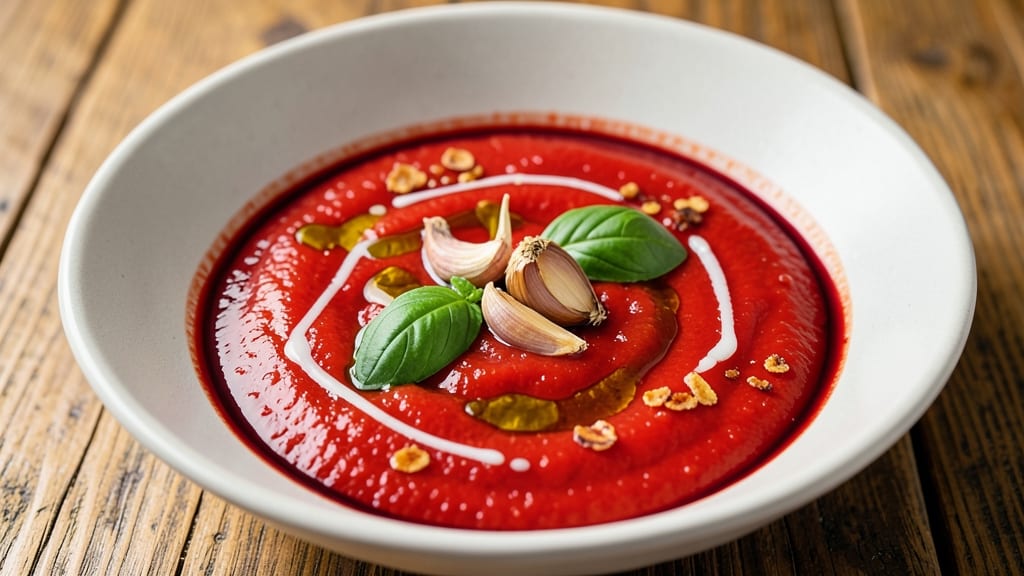
Transforming fresh tomatoes into silky smooth canned passata gives you a versatile, shelf-stable base for sauces, soups, and stews that rivals anything store-bought. The key lies in proper peeling, crushing, and sterilization techniques that preserve both flavor and texture for months—no watery, mealy results here.
I’ve perfected this method over years of canning, ensuring every jar delivers that rich, velvety consistency professional chefs rely on.
This recipe starts with ripe tomatoes—peeled, crushed, and simmered until completely smooth—then sealed in sterilized jars using a pressure canner for safety and longevity.
The process requires just 30 minutes of active prep time, but the results are worth it: a deep, concentrated tomato base that enhances any dish without overpowering it. Whether you’re stocking your pantry for winter or prepping for meal prep, this passata keeps perfectly for up to 18 months.
What sets this apart is the balance of acidity and texture—no added vinegar or preservatives needed when canned correctly. The silky smoothness comes from gentle cooking and straining, while the natural sweetness of ripe tomatoes shines through.
Use it as a foundation for marinara, a quick soup base, or even a tangy glaze for proteins. The possibilities are endless, and the quality stays consistent jar after jar.
For those new to canning, I’ve included detailed sterilization steps and pressure guidelines to ensure safe, long-term storage. No guesswork—just professional results every time. Let’s get started on your pantry staple.
Ingredients for canned tomato passata
Fresh tomatoes, simple spices, and sterilized jars transform into silky passata perfect for sauces and soups.
| Ingredient | Amount | Notes |
|---|---|---|
| Ripe Tomatoes 🍅 | 12 lb | Organic preferred, vine-ripened |
| Extra-Virgin Olive Oil 🫒 | ¼ cup | High quality, fruity |
| White Vinegar 🍋 | 2 tbsp | For acidity balance |
| Salt 🧂 | 1 ½ tsp | Diamond Crystal kosher |
| Fresh Basil Leaves 🌿 | ¼ cup | Packed, stems removed |
| Garlic Cloves 🧄 | 4 cloves | Peeled, rough chopped |
| Lemon Juice 🍋 | 1 tbsp | Freshly squeezed |
| Canning Jars 🥫 | 6 half-pint | Mason jars with lids |
| Canning Jars 🥫 | 4 pint | Mason jars with lids |
| Ice Water ❄️ | 1 gallon | For blanching tomatoes |
The tomatoes are everything here—vine-ripened with vibrant color and minimal seeds for that velvety texture. Local farmers markets or organic grocery stores like Whole Foods have the best quality, but any ripe, firm tomatoes work. Skip the bruised ones. The basil and garlic add depth, so grab fresh from the produce section—Trader Joe's has great organic options. For vinegar, apple cider vinegar adds subtle sweetness, but white works too. The ice water is critical for quick blanching to loosen skins without cooking the fruit.
No fresh basil? Dried at one-third the amount works in a pinch, but fresh is ideal. Short on vinegar? Lemon juice at 1:1 ratio keeps the acidity balanced. Using pint jars instead of half-pints? Just halve the tomato quantity per jar. For sterilization, boil jars and lids for 10 minutes—Ball canning jars are my go-to. The olive oil should be the good stuff—California extra-virgin adds fruity notes that shine through. If you're canning in a hot climate, consider adding 1/8 tsp citric acid per quart for extra safety.
Passata keeps beautifully—18 months in a cool, dark pantry. Once opened, refrigerate and use within 5-7 days. I like to label jars with the date and contents so I can track batches. For extra freshness, store opened jars in the fridge with a tight lid. The silky texture holds up perfectly for soups, stews, or even as a base for vegan marinara. Freezing is an option too—just portion into ice cube trays before transferring to bags.
Why You'll Love This Recipe
- No-Cook Magic: I swear by this—just toss tomatoes, basil, and olive oil into a blender, hit pulse, and boom. No peeling, no seeds, no stress. The vinegar brightens everything in seconds, and honestly? It’s the kind of recipe that makes me feel like I’m cheating the system.
- Sunshine in a Jar: That first taste of the passata—sweet, tangy, with just a whisper of vinegar—is ridiculously good. The basil leaves add this fresh, herbal punch that turns it from basic sauce to something special. Drizzle it over bruschetta or pasta, and suddenly, dinner feels like a little celebration.
- Pantry Superhero: Between us, this stuff is my secret weapon for lazy nights and last-minute guests. A splash in marinara, a drizzle on grilled cheese, or even a quick sauce for eggs—it’s always there when I need it. I keep jars in the fridge for weeks, and it never lets me down.
- Budget-Friendly Flex: Canned tomatoes are my wallet’s best friend—cheap, shelf-stable, and packed with flavor. A few dollars buys enough for meals, marinades, and even gifts for neighbors. Plus, the olive oil and basil make it feel fancy without breaking the bank. It’s the kind of recipe that makes me happy every time I open the pantry.
Step-by-step instructions for canned tomato passata
Transforming fresh tomatoes into silky passata takes patience and precision—here's how to do it right.
Blanch and Peel the Tomatoes
Prepare the 1 gallon ice water in a large bowl and set aside. Bring a large pot of water to a rolling boil and carefully add the 12 lb ripe tomatoes, cutting them into quarters if they're particularly large. Blanch for 30-45 seconds until the skins start to loosen and wrinkle slightly.
Using a slotted spoon, immediately transfer the blanched tomatoes to the ice water bath. This sudden temperature change stops the cooking process and makes the skins slip right off. Let them sit for 2-3 minutes until completely cool, then drain and peel away the skins with your fingers or a paring knife. The flesh should be smooth and bright red—this is your foundation for silky passata.
Cook and Purée the Tomatoes
Transfer the peeled tomatoes to a large stockpot and add the 4 cloves rough chopped garlic cloves. Cook over medium-high heat for 15-20 minutes, stirring occasionally, until the tomatoes break down and release their juices. You'll see the mixture reduce and become slightly thicker as it cooks.
Once the tomatoes are softened, transfer them to a food mill or fine-mesh strainer. Press through to create a smooth purée, discarding any remaining skins or seeds. For an extra-smooth texture, I like to pass the purée through a fine-mesh sieve lined with cheesecloth. The result should be completely free of any fibrous texture—this is what makes passata so versatile.
Season and Prepare for Canning
Return the puréed tomatoes to the stockpot and stir in the 0.25 cup extra-virgin olive oil, 2 tbsp white vinegar, 1.5 tsp salt, 0.25 cup fresh basil leaves, and 1 tbsp lemon juice. Simmer over low heat for 10-15 minutes, stirring occasionally, until the flavors meld together. Taste and adjust the seasoning—you want a balance of acidity from the vinegar and lemon, with bright herbal notes from the basil.
While the passata simmers, prepare your 6 half-pint canning jars and 4 pint canning jars by washing them in hot, soapy water and rinsing thoroughly. Keep them hot until you're ready to fill them. The passata should be smooth and glossy with a rich tomato aroma—this is your cue that it's ready for canning.
Fill and Process the Jars
Using a ladle or large spoon, carefully fill the canning jars with the hot passata, leaving about ½ inch of headspace at the top. Wipe the rims of the jars with a clean, damp cloth to ensure a perfect seal. Place the lids on the jars and screw on the bands until they're fingertip-tight—just snug enough to prevent leaks but not so tight that they distort the lids.
Process the half-pint jars in a boiling water bath for 35 minutes and the pint jars for 40 minutes. Start timing as soon as the water returns to a full rolling boil. After processing, remove the jars and let them cool undisturbed for 12-24 hours. You'll hear a satisfying ping as the lids seal—this confirms your passata is properly preserved and ready to use.
Store and Use Your Passata
Once fully cooled, check that the lids have sealed by pressing down in the center—they should not pop up. Store the jars in a cool, dark place for up to 12 months. When you're ready to use your passata, simply open a jar and stir gently to redistribute any settled ingredients. It's perfect for sauces, soups, or even as a base for homemade tomato paste.
The silky texture and bright flavor will elevate any dish—whether you're making a rustic marinara or a creamy tomato soup. This method ensures your passata stays smooth and flavorful long after the harvest season ends.
Pro Tips For Making Canned Tomato Passata
- BOIL FIRST, THEN BLEND: Dump whole canned tomatoes into boiling water for 3-4 minutes before blending—this softens skins and skins the seeds, so your passata stays silky smooth. I used to skip this, and my batches always had gritty bits. (Yes, it’s an extra pot to wash, but the texture makes it worth it.)
- USE VINEGAR LAST: Add white vinegar after blending and taste—just a splash, maybe 1 teaspoon per can. Too much upfront makes the tomatoes taste sharp and underripe. I learned this when my first batch tasted like a salad dressing gone wrong.
- SALT THE BASIL: Toss fresh basil leaves in a pinch of salt before adding them to the passata. This releases their oils and makes the flavor pop. Sounds odd, but it’s the difference between "meh" and "wow" in every dish you use it in.
- STRAIN IF YOU’RE PICKY: If you hate even one seed in your passata, strain it through a fine-mesh sieve or cheesecloth after blending. It’s extra work, but I do it for sauces—especially when I’m making pasta for people who complain about texture. (You know who you are.)
Essential equipment for canned tomato passata
Food Mill Essentials
Your food mill is the secret weapon for achieving that ultra-smooth passata texture. I recommend the OXO Good Grips Stainless Steel Food Mill—it’s durable, easy to clean, and handles 12 lbs of tomatoes without clogging.
The fine disc setting removes every last bit of skin and seed, giving you that velvety consistency. If you’re on a budget, the Norpro 90105 is a solid alternative with a dishwasher-safe design. 💫
Pressure Canner Must-Haves
For safety and longevity, a pressure canner is non-negotiable. The All American 921 Pressure Canner is my top pick—it’s built to last decades and maintains consistent pressure. If you’re new to canning, start with a 16-quart model to accommodate multiple jars at once.
Always use a dial-gauge or weighted-gauge pressure canner—never a stovetop model for acidified foods like passata. The Ball Blue Book Guide is your best friend for troubleshooting pressure issues.
Thermometer Accuracy
An accurate thermometer ensures your passata is safely processed. The ThermoWorks Thermapen ONE is my go-to for its instant-read precision, but a simple canning-specific thermometer like the Ball Mason Jar Canner Gauge works too.
Place it in the canner water to monitor temperature—you need to hit 212°F for boiling water baths. Never rely on the canner’s built-in gauge; they’re notoriously unreliable. A misread can mean underprocessed jars and spoilage.
Jar Selection Guide
Use only Ball or Kerr brand canning jars—they’re tested for safety and durability. For passata, I prefer pint jars for larger batches and half-pint jars for single-serving use. Avoid non-canning jars like mason-style jars from craft stores—they lack the proper sealing mechanism.
Always check for nicks or chips in the rims before use, as they can prevent proper sealing. The Ball Wide Mouth Jars are easier to fill with thick passata and clean afterward.
Lid and Band Essentials
Never reuse canning lids—they lose their sealing ability over time. Stock up on new Ball or Kerr lids in both half-pint and pint sizes. The two-piece bands (metal rings) can be reused, but replace them if they’re rusted or warped.
I keep a dedicated canning lid organizer to avoid mixing up sizes. For extra security, I add a drop of food-grade mineral oil to the lid gasket before sealing—this helps create an airtight seal and prevents rust.
Safety Gear Basics
Canning involves high heat and steam, so protect yourself with heat-resistant gloves (like Oven Mitts by OXO) and safety goggles. A canning funnel (I use the Ball Silicone Funnel) prevents spills and makes filling jars mess-free.
Keep a damp towel nearby to wipe jar rims clean—any residue can interfere with sealing. And always can in a well-ventilated area** or near an open window to avoid steam buildup. 🔥
Nutrition facts
Frequently asked questions
Can I make passata without a food mill?
Yes! If you don’t have a food mill, use a fine-mesh strainer or blender followed by a cheesecloth-lined sieve for ultra-smooth results. For a quicker (but slightly less refined) texture, simply blend the cooked tomatoes and strain through a regular strainer. The key is patience—press firmly to remove all skins and seeds for that professional silky finish.
Why does my homemade passata look watery?
Watery passata usually means the tomatoes weren’t cooked long enough to break down. Simmer peeled tomatoes uncovered for 20-30 minutes until reduced by about 25%—this concentrates the flavors and thickens the texture. If it’s still too thin after canning, reduce it further before sealing jars or stir in 1 tsp cornstarch per cup while reheating.
How do I fix cloudy passata?
Cloudiness often comes from unripe tomatoes or insufficient straining. For immediate fixes, blend again and strain through cheesecloth, or simmer with 1 tbsp lemon juice (which helps clarify). To prevent it: Use fully ripe, vine-ripened tomatoes and strain through the finest mesh possible. If canning, ensure proper processing times—underprocessed jars can develop cloudiness over time.
Can I add other vegetables to my passata?
For extra depth, blend in roasted red peppers, caramelized onions, or wilted spinach (1 cup per pint jar) before canning. Just ensure all added ingredients are fully cooked and strained to maintain that smooth texture. Avoid high-water veggies like zucchini—they’ll dilute the passata. For a smoky twist, add 1 tsp smoked paprika per pint jar during the final simmer.
What’s the best way to use canned passata?
Passata is incredibly versatile! Use it as a base for marinara sauce (simmer with herbs and garlic), creamy soups (blend with coconut milk), or vegan risotto. For a quick upgrade, stir in 1 tbsp balsamic vinegar and fresh basil before serving. It also works as a glaze for portobello mushrooms or grilled vegetables—just reduce it with a splash of broth and olive oil. The possibilities are endless!