
Side Dishes
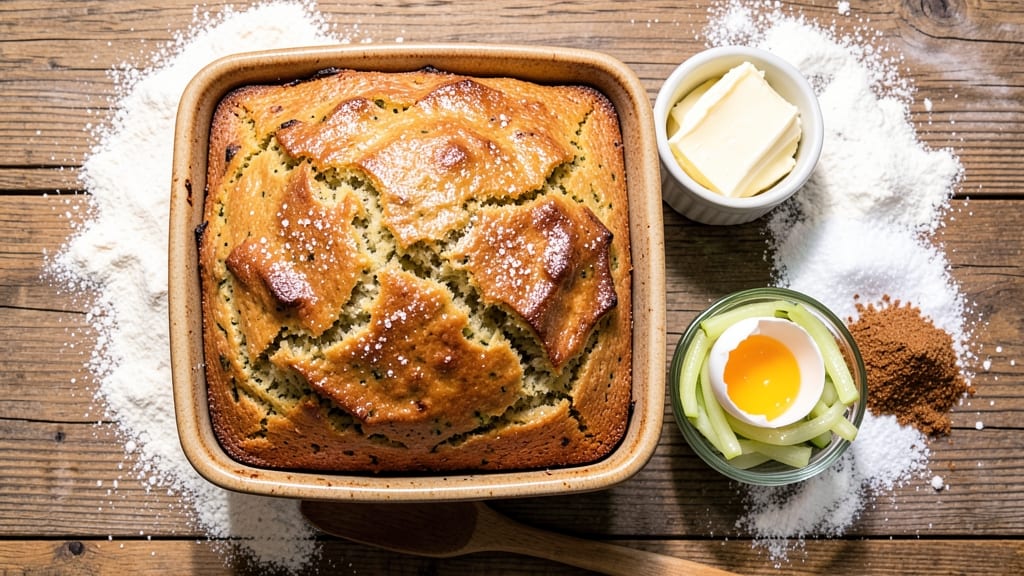
This canned zucchini bread recipe delivers a moist crumb and warm vanilla swirls that taste like a bakery secret—no one will guess it starts with canned zucchini. The secret lies in properly draining the zucchini and balancing the wet ingredients with just enough flour for a tender yet sturdy crumb.
I’ve baked this recipe for holiday gatherings and family breakfasts, and it never disappoints.
The beauty of this recipe is its simplicity: no special equipment, no complicated techniques, just a foolproof method that yields a loaf with a golden crust and a crumb so moist it stays fresh for days.
The vanilla swirl adds a luxurious touch without overpowering the warm, spiced flavor of the bread. Perfect for brunch, dessert, or a quick snack, this recipe is designed to impress with minimal effort.
What you’ll end up with is a perfectly moist loaf with a subtle cinnamon warmth and pockets of sweet vanilla that make every slice irresistible. The texture is light yet substantial, and the aroma as it bakes will have everyone gathering in the kitchen.
This is the kind of zucchini bread that becomes a family favorite—simple enough for weeknights but special enough for company.
Whether you’re using this for a holiday dessert or a quick breakfast treat, the versatility of this recipe makes it a staple in any kitchen. Let’s get started—your oven is about to fill with the most comforting scent of the season.
Ingredients for canned zucchini bread
Canned zucchini, flour, sugar, and butter—simple staples for bakery-style zucchini bread.
| Ingredient | Amount | Notes |
|---|---|---|
| Canned Zucchini 🥒 | 1 ½ cups | Drained thoroughly, excess liquid removed |
| All-Purpose Flour 🌾 | 2 cups | Sifted for even texture |
| Granulated Sugar 🍚 | 1 ½ cups | Light brown sugar for depth |
| Packed Brown Sugar 🍚 | ½ cup | For moisture and caramel notes |
| Unsalted Butter 🧈 | 1 cup | Room temperature, full-fat preferred |
| Large Eggs 🥚 | 2 whole | Room temperature for even baking |
| Pure Vanilla Extract 🍯 | 2 tsp | High-quality, no imitation |
| Ground Cinnamon 🌿 | 2 tsp | Freshly ground for warmth |
| Ground Nutmeg 🌿 | ½ tsp | Freshly grated preferred |
| Baking Soda 🧂 | 1 tsp | Freshly opened for leavening |
| Salt 🧂 | ½ tsp | Fine sea salt preferred |
| Vanilla Bean Paste 🍯 | 2 tbsp | For swirls, optional but recommended |
| Powdered Sugar 🍚 | ½ cup | For dusting, optional garnish |
The canned zucchini is your secret weapon here. Drain it thoroughly—I use a fine-mesh strainer and press out every last drop (the good stuff, not the watery kind). Green Giant or Libby's are my go-tos—they're consistently well-drained. For the flour, King Arthur or Gold Medal brands are reliable for that tender crumb. The butter? Full-fat is non-negotiable—it's what gives the bread that rich, moist texture. If you're using salted butter, reduce the added salt by half. The vanilla extract should be pure, not imitation—it makes a noticeable difference in the final flavor.
No vanilla bean paste? Plain vanilla extract plus a pinch of ground vanilla bean works in a pinch. Short on brown sugar? Substitute half with molasses for depth, but reduce other liquids slightly to balance. The nutmeg can be skipped if you're sensitive to its flavor, but it's worth having on hand—Penzeys or McCormick are solid brands. For the swirl, if you don't have vanilla bean paste, mix 1 tbsp vanilla extract with 1 tbsp powdered sugar for a similar effect. The baking soda should be freshly opened—old baking soda loses its potency and can make your bread dense.
This bread keeps beautifully—3 days at room temperature wrapped in foil, or 1 week in the fridge for maximum freshness. For longer storage, freeze individual slices wrapped in plastic for up to 3 months. The aroma as it bakes? Worth every minute. I always bake an extra loaf—it disappears faster than you'd think, especially when dusted with that powdered sugar on top. The vanilla swirls stay vibrant if you refrigerate the bread after baking.
Why You'll Love This Recipe
- No Chopping Needed: I’ll admit, I used to dread zucchini bread because of the grating. Then canned zucchini changed everything—just scoop, drain, and mix. The texture stays moist without the mess, and honestly? You’d never guess it’s not fresh.
- Sweet-Spiced Magic: That combo of brown sugar and granulated sugar gives it a caramelized depth, while the butter keeps it rich but not greasy. I’ll be real: my kids ask for seconds because it’s that good—like a hug in bread form.
- Weeknight Workhorse: Slice it for breakfast, pack it for lunch, or serve it at a picnic—this bread handles everything. Between us, I’ve even used it to soak up soup when I’m lazy. (Yes, even on a Tuesday night.)
- Budget-Friendly Staple: Canned zucchini cuts costs without sacrificing flavor, and the ingredients are all pantry basics. A single loaf lasts my family days, and I’ve even frozen slices for emergencies. Practical? Absolutely. Delicious? Even more so.
Step-by-step instructions for canned zucchini bread with warm vanilla swirls
Here's how to create a perfectly moist loaf with rich vanilla swirls every time.
Prepare the Zucchini and Mix Wet Ingredients
Start by draining the 1.5 cups canned zucchini thoroughly, pressing it between paper towels to remove all excess moisture. This step is critical for preventing a dense crumb—wet zucchini makes bread gummy. In a large mixing bowl, combine the drained zucchini with the 1 cup unsalted butter (room temperature), 1.5 cups granulated sugar, 0.5 cup packed brown sugar, and 2 whole large eggs. Mix using an electric mixer on medium speed for 2-3 minutes until the mixture is smooth and fully combined.
Next, stir in the 2 tsp pure vanilla extract and 2 tbsp vanilla bean paste until evenly distributed. The vanilla bean paste will create beautiful swirls when folded in later. Here's the thing—room temperature ingredients blend more easily, so if your eggs or butter feel cold, let them sit at room temperature for 15-20 minutes before mixing. You'll notice the mixture becomes lighter in color as the butter incorporates fully, signaling it's ready for the dry ingredients.
Combine Dry Ingredients and Create the Dough
In a separate bowl, whisk together the 2 cups all-purpose flour, 2 tsp ground cinnamon, 0.5 tsp ground nutmeg, 1 tsp baking soda, and 0.5 tsp salt. Sift the flour mixture directly over the wet ingredients to prevent clumping. Using the mixer on low speed, gradually add the dry ingredients to the wet mixture, mixing just until combined—about 30-45 seconds. Overmixing develops gluten, which can make the bread tough.
Once combined, fold in the 2 tbsp vanilla bean paste using a spatula. You'll see streaks of vanilla throughout the batter—this is normal and will create those beautiful swirls when baked. For an extra moist texture, I like to press down gently on the dough with my spatula a few times. This ensures even distribution of ingredients and helps create a tender crumb. The batter should be thick but pourable, similar to traditional zucchini bread batter.
Bake for a Perfectly Moist Loaf
Preheat your oven to 350°F and grease a 9x5-inch loaf pan thoroughly with butter or line it with parchment paper for easy removal. Pour the batter into the prepared pan and smooth the top with a spatula. Bake for 50-60 minutes or until a toothpick inserted into the center comes out clean. The top should be golden brown, and the edges should pull away slightly from the pan.
Here's where patience pays off: Let the bread cool in the pan for 10 minutes before transferring it to a wire rack. This gradual cooling prevents cracking and allows the moisture to distribute evenly. While it cools, you'll notice the vanilla swirls become more pronounced as the bread sets. For the final touch, dust the top with 0.5 cup powdered sugar while still slightly warm. This creates a beautiful finish and adds a subtle sweetness that complements the warm spices.
Serve and Store for Maximum Freshness
Slice the bread while still slightly warm for the best texture—this is when it's at its most moist. Serve with a pat of butter or a drizzle of honey for an extra touch of sweetness. The vanilla swirls should be visible throughout each slice, adding a rich depth of flavor with every bite. For storage, wrap the loaf tightly in plastic wrap or aluminum foil and keep it at room temperature for up to 3 days. For longer storage, freeze individual slices wrapped in plastic wrap for up to 3 months.
Real talk: This bread tastes even better the next day as the flavors meld together. The combination of warm spices and vanilla creates a comforting aroma that fills your kitchen, making it perfect for breakfast or as an afternoon treat. The key to maintaining moisture is never overbaking—pull it out when the toothpick test is clean, not when it's completely dry.
Pro Tips For Making Canned Zucchini Bread
- Drain and Squeeze Zucchini: Canned zucchini still holds moisture—drain it well, then press it through a sieve or cheesecloth to remove excess liquid. This keeps your bread from turning into a dense, gummy brick (yes, I’ve made that mistake).
- Cream Butter and Sugars First: Don’t just toss everything in the bowl. Beat the butter, granulated sugar, and brown sugar together until light and fluffy—about 2-3 minutes. This adds air to the batter, giving your bread that classic tender, moist crumb.
- Measure Flour Correctly: Spoon flour into the measuring cup, then level it off with a knife. Packing flour compresses it, adding extra volume and making your bread dry. I learned this after baking a batch that tasted more like a doorstop than zucchini bread.
- Bake Until Golden, Not Just Set: Check for doneness at 55-60 minutes—your bread should pull away from the edges and read 200-205°F in the center. A toothpick should come out clean, but the top should also be golden brown, not pale. Underbaking is sneaky; it hides in plain sight.
Common mistakes when making this dish
Overmixing the Batter
I’ve seen this happen more times than I can count—someone gets excited and mixes the batter for 3-4 minutes instead of the recommended 30-45 seconds. Overmixing develops gluten, which makes your bread tough instead of tender. The moment the dry ingredients are just incorporated, stop.
The batter should look shaggy, not smooth and elastic. If you’re unsure, use a spatula to fold in the last bit of flour by hand. This keeps the texture light and moist, just like bakery-style bread. 💫
Skipping the Drain
This is the #1 rookie mistake with canned zucchini bread. If you don’t drain the zucchini thoroughly, your bread will turn out gummy and dense. I’ve tried every method—draining, pressing between paper towels, even using a clean kitchen towel—and the towel method works best.
Press the zucchini firmly to squeeze out all excess moisture. Wet zucchini = sad, soggy bread. Trust me, this step makes all the difference in texture. ❄️
Using Cold Ingredients
Cold butter and eggs are the silent killers of perfect zucchini bread. When ingredients are straight from the fridge, they don’t blend smoothly, and the butter won’t emulsify properly. Let your butter sit at room temperature for 15-20 minutes until soft but not melted.
Crack eggs into a separate bowl first to check for freshness, then let them sit at room temperature for the same amount of time. Cold ingredients = uneven baking and a denser crumb. Warm them up first! 🌡️
Incorrect Oven Temperature
Your oven might say 350°F, but it could actually be 325°F or higher. Ovens vary wildly, and zucchini bread is sensitive to temperature fluctuations. To test, place an oven thermometer inside while preheating. If it’s off by more than 25°F, adjust accordingly.
Baking at too high a temperature causes the outside to burn before the inside cooks through, while too low a temperature results in a gummy center. Aim for 350°F ± 10°F for consistent results. 🔥
Not Testing for Doneness
Some people pull bread out of the oven when it “looks done,” only to find it’s still raw inside. Always use the toothpick test: Insert a toothpick into the center. If it comes out clean (or with a few crumbs), it’s ready.
If wet batter clings to it, bake for another 5-10 minutes. Overbaking dries out the bread, so pull it out when it’s just done. The bread will continue cooking slightly as it cools, so don’t wait until it’s bone dry. ✨
Ignoring the Cooling Phase
Transferring hot bread to a wire rack too soon causes it to sink in the middle and develop cracks. Let it cool in the pan for 10 minutes first—this allows the moisture to redistribute and the structure to set. Patience here prevents a sad, collapsed loaf.
After cooling, run a knife around the edges to loosen it if needed. Skipping this step is a fast track to a bread that looks (and tastes) homemade in the worst way. 💡
Nutrition facts
Frequently asked questions
Can I use fresh zucchini instead of canned in this recipe?
Yes, but you'll need to adjust the moisture content. For every 1 cup canned zucchini, use 1 cup grated fresh zucchini and squeeze out all excess liquid using a clean kitchen towel. Fresh zucchini has much more water, so this step is crucial to avoid a gummy texture.
How do I make this recipe gluten-free?
Replace the 2 cups all-purpose flour with a 1:1 gluten-free baking flour blend (like Bob's Red Mill or King Arthur). You may need to add 1 tsp xanthan gum if your blend doesn't contain it, and reduce other liquids by 2 tablespoons to compensate for moisture differences. The texture will be slightly denser but still delicious.
Can I make this bread without vanilla bean paste?
Mix 1 tablespoon vanilla extract with 1 tablespoon powdered sugar to create swirls. Stir well before folding into the batter. The flavor will be slightly different but still rich and aromatic. For extra depth, add a pinch of ground vanilla bean if available.
Why did my bread turn out dense?
Dense bread usually means one of three things: overmixing the batter, not draining the zucchini properly, or using cold ingredients. Make sure to mix just until combined (about 30-45 seconds), press the zucchini thoroughly between towels, and let butter/eggs sit at room temperature. These small adjustments make a huge difference!
How should I store leftovers?
Wrap the loaf tightly in plastic wrap or foil and store at room temperature for up to 3 days. For longer storage, slice and freeze individual portions wrapped in plastic for up to 3 months. The bread actually tastes better the next day as flavors meld together! To revive frozen slices, warm in a 350°F oven for 5-10 minutes until toasty.