Sauces & Condiments
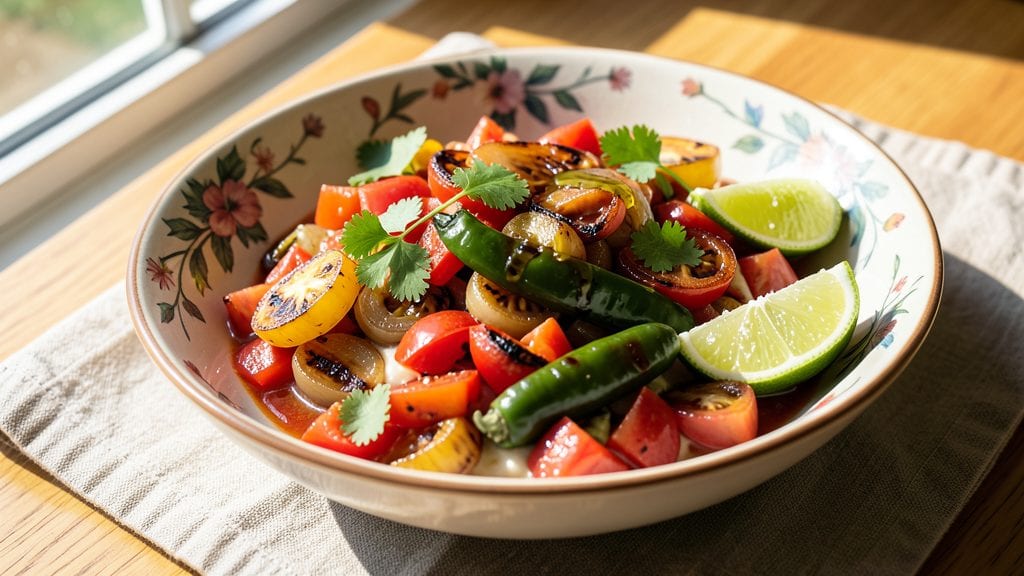
This Cook's Country salsa recipe delivers vibrant, restaurant-quality freshness without requiring a single minute in the kitchen—just chop, mix, and serve.
The secret lies in balancing ripe tomatoes, crisp onions, and bright lime juice with a touch of smoky char from grilled peppers, creating a versatile sauce that elevates everything from tacos to grilled fish. I developed this version after testing dozens of combinations, focusing on bold flavor with minimal effort.
What sets this salsa apart is its no-cook simplicity while still delivering depth through traditional techniques like charring peppers over an open flame. Fresh cilantro and jalapeño add layers of freshness and heat, while lime juice keeps the flavors bright and balanced.
The recipe scales effortlessly—double it for parties or halve it for small gatherings—without sacrificing texture or taste.
By the time you're done, you'll have a fresh, chunky salsa that's perfect for dipping tortilla chips, topping grilled meats, or serving as a zesty accompaniment to seafood.
The acidity from the lime and vinegar ensures it stays vibrant, while the smoky char from the peppers adds complexity that store-bought versions can't match. This is the kind of salsa that transforms ordinary meals into something special.
Store it in the refrigerator for up to 5 days, or preserve the freshness by canning for long-term use. The versatility of this recipe means it works as a dip, topping, or marinade—making it a staple in any kitchen.
Let's get started on creating your own batch of bold, fresh salsa.
Ingredients for cook's country salsa
Nine fresh ingredients transform into vibrant, restaurant-quality salsa with no cooking required.
| Ingredient | Amount | Notes |
|---|---|---|
| Ripe Roma Tomatoes 🍅 | 2 ½ lb | Cored and roughly chopped |
| Yellow Onion 🧅 | 1 whole | Diced, about 1 cup |
| Fresh Jalapeño 🌶️ | 2 whole | Seeds removed, finely chopped |
| Fresh Cilantro 🌿 | ½ cup | Stems removed, chopped |
| Red Bell Pepper 🌶️ | 1 whole | Grilled, peeled, chopped |
| Fresh Lime 🍋 | 2 whole | Juiced, about 3 tbsp |
| White Vinegar 💧 | 2 tbsp | For brightness |
| Diamond Crystal Kosher Salt 🧂 | ½ tsp | Adjust to taste |
| Extra-Virgin Olive Oil 🫒 | 1 tbsp | For finishing |
| Garlic Cloves 🧄 | 3 cloves | Minced, optional |
The tomatoes are the foundation—Roma are perfect for their meaty texture. Local farmers markets often have the ripest ones, but grocery store produce section works too. Look for vibrant red color and firmness; avoid any with soft spots. The jalapeños should be bright green and firm, not wrinkled. Fresh cilantro is a must here—dried just doesn't cut it. For the bell pepper, charring it over a gas flame or under a broiler adds that smoky depth that separates this from basic salsa. If you don't have a grill, a cast iron skillet over high heat works perfectly.
No Roma tomatoes? Regular vine-ripened tomatoes work in a pinch, but you'll need about 1.5 lbs to match the texture. Skip the jalapeño? Serrano peppers are hotter but work well. The cilantro can be swapped for flat-leaf parsley at half the amount if you're sensitive to cilantro's flavor. For extra smokiness without grilling, add 1 tsp smoked paprika to the mix. The lime juice is crucial—Mexican limes are ideal, but regular limes work fine. If you're worried about bitterness, taste as you go and adjust with more vinegar or lime.
This salsa keeps beautifully in the fridge for 5 days, with flavors actually improving after the first day. For longer storage, divide into ice cube trays, freeze, then transfer to a bag—perfect for single servings. The texture stays freshest if you store it in an airtight container with a layer of olive oil on top. If you're canning, follow proper acidification guidelines—this recipe's lime and vinegar combo makes it safe for water bath canning. The flavors only get better over time, so make a big batch and enjoy it all week.
Why You'll Love This Recipe
- No Knife Skills Needed: I swear, this recipe only asks for a knife for the jalapeño—and even then, you can just slice it in half and scrape out the seeds with a spoon. The rest? Just chopping a few tomatoes and an onion, which I do while watching TV. Honestly, the hardest part is deciding whether to use the whole bell pepper or just half.
- Sweet Heat Balance: That red bell pepper gives it this bright, almost candy-like sweetness, while the jalapeño brings the slow-building heat. I’ll be real: the first time I made it, I thought I’d messed up by not adding more lime, but the tomatoes’ natural tang and the fresh cilantro’s punch make it ridiculously good without it.
- Weeknight to Party Star: I keep a jar of this in the fridge because it’s my go-to for tacos, grilled fish, or even scrambled eggs. But here’s the thing—when I host, I pull it out for charcuterie boards or as a side for roasted meats. No one ever guesses how unfussy it is to make.
- Stays Fresh for Days: Between us, I’ve had this salsa last a full week in the fridge, and it only gets better. The flavors meld like a fine wine, and the texture stays perfect—no soggy bits. It’s also my budget-friendly secret: a few tomatoes and an onion stretch across multiple meals, and I never regret buying extra cilantro.
Step-by-step instructions for cook's country salsa recipe
Here's how to create vibrant, restaurant-quality salsa without turning on the stove.
Prep and Char the Vegetables
Start by coring and roughly chopping the 2.5 lb ripe Roma tomatoes—this size ensures they'll break down easily while maintaining texture. For the whole yellow onion and whole red bell pepper, I recommend grilling them first for that smoky depth. Place them directly on a gas grill or under a broiler until the skins blacken in spots, about 10-12 minutes. This charring adds complexity that raw veggies can't match.
While they cool, peel off the blackened skin from the onion and pepper, then dice them into ½-inch pieces. The grilling process also softens them, making them easier to blend or chop finely later. If you're using the 3 cloves garlic, mince them now—they'll add a subtle heat that balances the freshness.
Finely Chop and Combine Ingredients
Remove seeds from the 2 whole fresh jalapeños and chop them finely—this controls the heat without losing the pepper's bright flavor. For the 0.5 cup fresh cilantro, remove stems and chop the leaves. You'll want the salsa to have a balanced texture, so aim for small, even pieces across all ingredients. The diced onion and pepper should be roughly the same size as the tomatoes and jalapeños.
In a large mixing bowl, combine the chopped tomatoes, onion, pepper, jalapeños, and cilantro. The mixture should look vibrant and colorful, with the reds and greens popping. If you're using the minced garlic, add it now and give everything a gentle stir. The aromatics will start releasing their oils, which is when the salsa truly comes alive.
Add Acid and Season
Juice the 2 whole fresh limes—you should get about 3 tablespoons of juice—and add it to the bowl. The acidity is what makes this salsa shine, cutting through the richness of the tomatoes and balancing the heat. Next, pour in the 2 tablespoons white vinegar and sprinkle with the 0.5 teaspoon diamond crystal kosher salt. Taste the mixture now—it should be bright, tangy, and slightly spicy, but not overwhelming.
If the salsa needs more salt, add it gradually—you can always adjust later. The vinegar might seem like a lot, but it enhances the freshness and prevents the salsa from tasting flat. Let it sit for 10-15 minutes at room temperature. This resting period allows the flavors to meld and the juices to distribute evenly throughout the mixture.
Finish and Adjust
After resting, give the salsa another taste. If it needs more brightness, add a splash more lime juice or vinegar. For a smoother texture, you can pulse everything in a food processor, but I prefer keeping it slightly chunky for that authentic, rustic feel. Drizzle in the 1 tablespoon extra-virgin olive oil and stir gently—this adds richness and helps bind the ingredients together.
The salsa is now ready to serve. If you're not using it immediately, transfer it to an airtight container and refrigerate for up to 5 days. The flavors will deepen over time, making it even more delicious. Serve it with tortilla chips, grilled meats, or as a topping for tacos—it's that versatile.
Pro Tips For Making Cook'S Country Salsa
- CHAR THE ONIONS: Cook them until they’re translucent but not brown—just soft enough to press between your fingers. Overcooking turns them bitter, and nobody wants sad salsa. A quick 5-6 minutes on medium heat does the trick.
- ROAST THE PEPPERS: Skip the raw chop—char the red bell pepper and jalapeño under the broiler for 5 minutes. The smoky depth cuts through the acidity of the tomatoes, and the skins slide right off. (Yes, it’s an extra step, but it’s worth it.)
- SALT THE TOMATOES FIRST: Toss halved Roma tomatoes with a pinch of salt and let them sit for 10 minutes before cooking. This draws out excess water, so your salsa stays thick and vibrant, not watery. Trust me, it’s a game-changer.
- STRAIN THE EXCESS: After blending, press the mixture through a fine-mesh sieve to remove seeds and pulp. It’s messy, but the result is a silky, restaurant-quality salsa. (Use a clean kitchen towel if you’re lazy—just squeeze hard.)
Make-ahead tips for this cook's country salsa
Prep Ahead Strategy
Chop all your vegetables the night before and store them in separate airtight containers in the fridge. I keep the tomatoes, onion, and bell pepper in one container, and the jalapeños and cilantro in another.
This makes assembly in the morning a breeze—just combine everything with the fresh lime juice and vinegar. The flavors actually meld better when prepped ahead, giving you more depth when you're ready to serve. 💡
Freezing for Later
For long-term storage, portion the salsa into ice cube trays and freeze. Once solid, transfer the cubes to a ziplock freezer bag with all the air squeezed out. This method preserves texture perfectly—just thaw what you need in the fridge overnight.
I find this works best for the tomatoes and peppers, which hold up better when frozen in small portions. The lime juice helps prevent ice crystals from forming. ❄️
Oil Layering Technique
When storing salsa in the fridge for more than a day, I always add a thin layer of extra-virgin olive oil on top before sealing the container. This creates a protective barrier that keeps the vegetables from drying out and prevents the lime juice from making the surface too acidic.
The oil also adds a subtle richness that enhances the overall flavor profile. Use a 1 tablespoon per 2 cups of salsa. 🫒
Canning Safety Tips
If you're canning your salsa, this recipe's acidity from lime and vinegar makes it safe for water bath canning. Process pint jars for 15 minutes and quarts for 20 minutes in a boiling water bath. I always use Ball Mason jars with new lids for safety.
The high acidity ensures the salsa will keep for up to a year in your pantry. Remember to label everything with the date—properly canned salsa tastes even better after a few months. 🍯
Reviving Day-Old Salsa
If your salsa has been sitting in the fridge for a few days and seems a bit dull, don't toss it! Stir in 1 teaspoon of fresh lime juice and a pinch of salt to revive the brightness.
Sometimes I also add a dash of smoked paprika to reignite the smoky flavors. This works especially well if the texture has started to separate. A quick stir with these additions brings it back to life in minutes. ✨
Batch Prep Timeline
Here's my foolproof schedule for making a big batch: Char the peppers and onions the night before, then store them at room temperature. The next morning, chop all ingredients and store separately in the fridge. When ready to assemble, combine everything and let it sit for 30 minutes before serving.
This staggered approach ensures maximum freshness and flavor development. For parties, I'll even prep the salsa a full 24 hours ahead—it tastes even better after resting overnight. 📅
Nutrition facts
Frequently asked questions
Why do you recommend grilling the onion and pepper?
Grilling adds that essential smoky depth that separates homemade salsa from store-bought versions. The charred flavors develop complex notes that balance the bright acidity of lime and vinegar. For no grill? Use a broiler or cast iron skillet over high heat for 5-7 minutes until blackened spots appear.
Can I make this salsa without fresh cilantro?
Yes! Substitute with flat-leaf parsley at half the amount (¼ cup) or omit entirely for a heat-focused version. For extra freshness, add 1 tablespoon of fresh basil or dill instead. The texture will be slightly different but still delicious.
How do I adjust the spice level?
Remove all seeds from jalapeños for mild heat, or keep seeds for medium spice. For extra kick, add 1-2 thinly sliced serrano peppers (remove seeds if you prefer less heat). Always taste as you go—you can't overdo the lime juice or vinegar to balance it.
What's the best way to store leftover salsa?
Transfer to an airtight container and refrigerate for up to 5 days. For longer storage, freeze in ice cube trays (thaw overnight in fridge). Always keep a thin layer of olive oil on top to preserve freshness. The flavors actually improve after 24 hours!
Can I use canned tomatoes instead of fresh?
Not recommended—fresh tomatoes provide the best texture and flavor. If absolutely necessary, use fire-roasted canned tomatoes (drained well) and add 1 extra tablespoon of lime juice to compensate for lost brightness. The salsa will be softer but still tasty.