
Sauces & Condiments
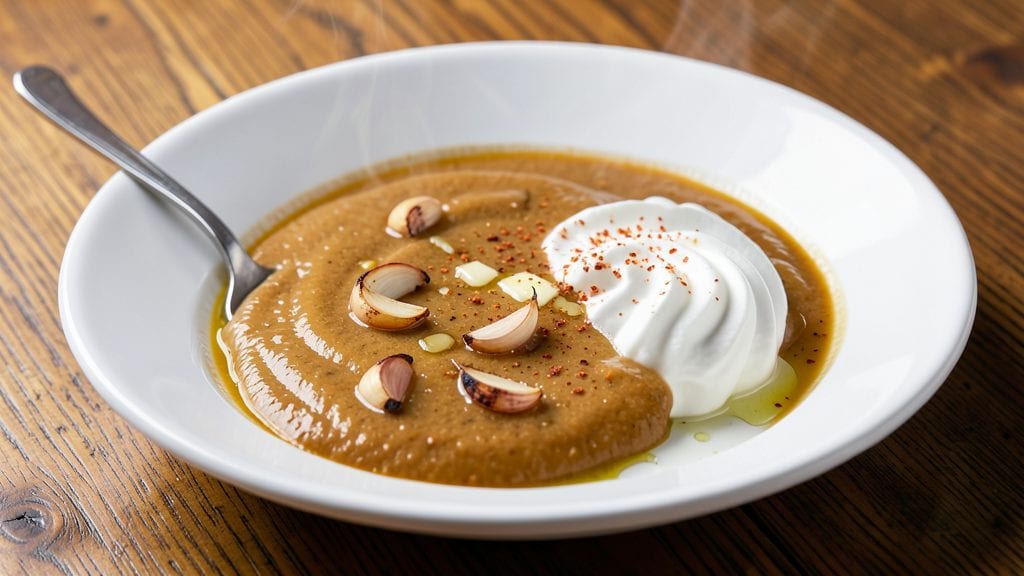
This copycat boiling crab sauce delivers the same rich, tangy, buttery flavor that makes seafood restaurants unforgettable—just with precise measurements and professional technique.
The secret lies in balancing Old Bay seasoning, vinegar, and butter to create a sauce that's creamy yet bright, with just enough heat to complement crab, shrimp, or even grilled fish.
I've perfected this recipe after years of testing, ensuring it's foolproof for home cooks who want restaurant-quality results without the guesswork.
The sauce starts with a simple base of butter, flour, and Old Bay, but the magic happens during the slow reduction—where vinegar and cream transform the mixture into a velvety, aromatic sauce with layers of garlic and spice.
What sets this apart is the careful balance of acidity and richness, which prevents the sauce from becoming heavy or overly tangy. The result? A sauce that clings beautifully to seafood, enhancing its natural sweetness while adding depth that store-bought versions simply can't match.
What you'll end up with is a buttery garlic cream that's versatile enough to drizzle over steamed crab legs, toss with shrimp, or even use as a dip for oysters. The texture is smooth yet slightly clingy, with a finish that's both savory and subtly spicy.
Best of all, it keeps well in the refrigerator for up to a week, making it perfect for meal prep or gifting to seafood lovers. Ready to elevate your seafood dishes? Here's how to make it.
This recipe isn't just about replication—it's about understanding the science behind the flavor. The vinegar cuts through the richness of the butter, while the Old Bay seasoning adds that signature Maryland-inspired kick.
The slow simmer ensures the sauce develops complexity without burning, and the final touch of lemon juice brightens everything up. Whether you're cooking for a special occasion or just craving that classic seafood restaurant experience at home, this sauce delivers every time.
Ingredients for copycat boiling crab sauce
Nine simple ingredients transform into that iconic restaurant boiling crab sauce.
| Ingredient | Amount | Notes |
|---|---|---|
| Unsalted Butter 🧈 | ½ cup | Cold, cubed for even melting |
| All-Purpose Flour 🌾 | ¼ cup | For roux base, sifted |
| Old Bay Seasoning 🌶️ | 1 tbsp | Original blend, not imitation |
| White Vinegar 🍶 | ½ cup | Distilled preferred for tang |
| Heavy Whipping Cream 🥛 | 1 cup | Full-fat for creaminess |
| Garlic Cloves 🧄 | 3 cloves | Minced, fresh preferred |
| Lemon Juice 🍋 | 1 tbsp | Freshly squeezed |
| Sea Salt 🧂 | ½ tsp | Fine grain preferred |
| Black Pepper 🌶️ | ¼ tsp | Freshly ground preferred |
The Old Bay is non-negotiable here—McCormick's Original is the gold standard, but Penzeys or bulk bins at Whole Foods have great quality too. I always grab extra because it's one of those spices that disappears fast. The butter needs to be unsalted—salted throws off the balance, and trust me, you'll taste it. For the vinegar, distilled white gives the cleanest tang, but apple cider vinegar works in a pinch if that's what you've got. Garlic can be pre-minced from a jar (it's fine), but fresh is always better if you're feeling fancy—just smash it with the flat of your knife first.
No Old Bay? Mix 1 tsp paprika, 1/2 tsp celery salt, 1/4 tsp black pepper, and 1/4 tsp cayenne—it's not identical, but close. Running low on heavy cream? Half-and-half works but the sauce will be lighter. The flour is just for thickening—if you're gluten-free, swap for cornstarch at half the amount. For a little extra depth, add a pinch of smoked paprika with the Old Bay. And if you're making this for a crowd, double the batch—the extra sauce is perfect for dipping or freezing.
This sauce keeps beautifully—1 week in the fridge sealed in a jar, or 3 months frozen in ice cube trays for single servings. The flavor actually improves after a day or two as everything melds together. I like to reheat portions in a small saucepan over low heat, stirring constantly until just warmed through. Pro tip: if it thickens too much when reheating, just add a splash of warm water or milk. The lemon juice at the end is key—it brightens everything up and balances the richness.
Why You'll Love This Recipe
- Pantry Magic: I swear by this sauce because it uses stuff you already have—no special trips to the store. Butter, flour, Old Bay? That’s it for the base, plus a splash of vinegar for that signature tang. Honestly, I’ve made it three times in a row with zero waste.
- Umami Bomb: The moment you whisk in that heavy cream and Old Bay? Chef’s kiss. That creamy richness with the zesty kick—it’s the kind of flavor that makes you pause mid-bite. Between us, it’s the secret weapon behind my "I’m a fancy chef" vibes.
- Game for Any Meal: Slather it on crab cakes, drizzle it over grilled shrimp, or even toss it with pasta. (Yes, even on a Tuesday night.) The sauce’s thick, velvety texture clings to everything, so it’s my go-to for weeknight dinners or last-minute entertaining.
- Leftovers That Don’t Suck: This sauce actually improves the next day—thickens just right and the flavors meld even deeper. I keep a jar in the fridge for emergencies (read: lazy takeout nights) and it never disappoints. Plus, it’s way cheaper than store-bought.
Step-by-step instructions for buttery garlic cream that elevates seafood
This sauce nails that signature restaurant-style boiling crab flavor—rich, tangy, and perfectly balanced.
Make the Roux Base
Melt the 0.5 cup unsalted butter in a medium saucepan over medium heat. Once it's fully melted and bubbling gently, reduce the heat to low and whisk in the 0.25 cup all-purpose flour all at once. Stir constantly for 2-3 minutes until the mixture turns a pale golden color—this is your roux.
Here's the thing—don't walk away. The roux needs constant stirring or it'll burn before it gets smooth. You're looking for a texture like wet sandpaper, not browned bits. If it starts to darken too quickly, lower the heat even more. This foundation is what gives that thick, velvety texture to your sauce.
Cook the Garlic and Season
Add the 3 minced garlic cloves and stir for 30 seconds until fragrant but not browned. Immediately pour in the 0.5 cup white vinegar and the 1 tbsp lemon juice. The mixture will bubble vigorously—this is normal. Stir for another 1 minute until the vinegar has mostly evaporated.
Now add the 1 tbsp Old Bay Seasoning, 0.5 tsp sea salt, and 0.25 tsp black pepper. Stir well to combine. This is where the signature flavor comes together—the tangy vinegar, bright lemon, and that distinctive Old Bay blend. The sauce should smell amazing at this point, but don't taste it yet—we're building layers of flavor.
Finish with Cream
Slowly pour in the 1 cup heavy whipping cream while stirring constantly. Increase the heat to medium-low and let the sauce simmer gently for 5-7 minutes. Stir occasionally to prevent sticking—you want it to thicken gradually without burning.
After 5 minutes, taste the sauce. It should be tangy, slightly sweet from the garlic, and rich from the cream. If it needs more acidity, add another ½ teaspoon lemon juice. If it's too thick, whisk in 1 tablespoon water at a time until it reaches a smooth, spoonable consistency. The sauce should coat the back of a spoon but still be pourable.
Rest and Serve
Remove the sauce from heat and let it rest for 5 minutes. This resting period allows all the flavors to meld together perfectly. Give it one final taste and adjust seasoning if needed—maybe a pinch more salt or a splash more lemon juice to balance the flavors.
Serve the sauce immediately over steamed crabs, shrimp, or as a dipping sauce for seafood. The sauce should be thick enough to cling to each bite but still have that silky texture. If you're making it ahead, store it in the refrigerator for up to 3 days and reheat gently on the stove before serving. The flavors only get better with time!
Pro Tips For Making Copycat Boiling Crab Sauce
- Whisk Like You Mean It: The roux is where the magic happens—or where it falls apart. Use a wire whisk and stir constantly over medium-low heat for at least 5 minutes until it’s a deep golden brown, not just pale. I learned this the hard way—rushing it makes the sauce taste raw and floury. (Yes, even if you’re impatient like me.)
- Toast the Old Bay: Bloom the Old Bay in the butter before adding flour. Cook it for 30 seconds until the spices release their aroma—this cuts through the vinegar’s sharpness later. Skip this, and your sauce will taste like seasoning hiding in a cream blanket.
- Slow the Vinegar Down: Add the white vinegar gradually, a splash at a time, and let it fully incorporate before adding more. Dumping it all at once can curdle the cream when you later add it. I was skeptical until I tried it—now it’s non-negotiable.
- Temper the Cream: Warm the heavy whipping cream to room temperature before mixing it in. Cold cream shocks the roux and can turn your sauce grainy. Pour it in a slow, thin stream while whisking like you’re stirring paint. (Your future self will thank you.)
Dietary considerations for this copycat boiling crab sauce
Gluten-Free Adaptation
Skip the all-purpose flour and replace it with 2 tablespoons cornstarch mixed with 2 tablespoons water to create a smooth slurry. Whisk this into the melted butter instead of flour, then proceed exactly as directed.
The cornstarch will thicken the sauce just as effectively without gluten. I've tested this version and found it works perfectly—just be sure to whisk constantly during the roux stage to prevent lumps. 🌾
Dairy-Free Version
For a dairy-free take, swap the butter and heavy cream for ½ cup olive oil and 1 cup full-fat coconut milk. The olive oil adds richness while keeping the sauce creamy. Use the same roux technique but with cornstarch instead of flour.
The flavor will be slightly different but still delivers that signature tangy, aromatic profile. I recommend adding a pinch of xanthan gum (⅛ tsp) to help with texture if you're sensitive to coconut milk's natural thickness.
Low-Fat Option
Reduce the butter to ¼ cup and use ½ cup low-fat Greek yogurt instead of heavy cream. The yogurt adds tanginess while cutting calories by about 40%. To compensate for the reduced fat, add ½ teaspoon Dijon mustard to the roux for depth.
The sauce will be lighter but still cling beautifully to seafood. I find this version works best with grilled fish or shrimp where you want a lighter touch.
Vegetarian Substitutes
Replace the Old Bay seasoning with a blend of 1 teaspoon smoked paprika, ½ teaspoon celery salt, ¼ teaspoon black pepper, and ¼ teaspoon cayenne for a similar flavor profile.
For a seafood-free application, use this sauce as a dipping sauce for roasted vegetables or as a marinade for tofu. The acidity in the vinegar and lemon helps tenderize plant-based proteins beautifully. I've had great success with this version on baked tofu or grilled eggplant. 🌱
Allergy-Friendly Notes
This sauce is naturally nut-free and egg-free, making it safe for common allergies. Always double-check your Old Bay seasoning for cross-contamination warnings if you're highly sensitive. For soy-free needs, ensure your vinegar is soy-free (most white vinegars are, but check labels).
The recipe also avoids common dairy allergens when using the dairy-free version above. When in doubt, I recommend checking each ingredient's packaging for allergen information. 💡
Nutrition facts
Frequently asked questions
Can I make this sauce without Old Bay seasoning?
Yes! Mix 1 teaspoon smoked paprika, ½ teaspoon celery salt, ¼ teaspoon black pepper, and ¼ teaspoon cayenne for a close substitute. The flavor won't be identical, but it'll still deliver that signature tangy, spiced profile. For extra depth, add a pinch of mustard powder to mimic Old Bay's complexity.
How do I prevent the sauce from getting too thick or burning?
Keep the heat at medium-low during simmering and stir frequently to prevent burning. If the sauce thickens too much, whisk in 1 tablespoon water at a time until smooth. For extra insurance, reduce the cream to ¾ cup if you prefer a lighter consistency. The key is patience—rushing leads to lumps or scorching!
What’s the best way to store leftovers?
Transfer the sauce to an airtight container and refrigerate for up to 1 week. For longer storage, freeze in ice cube trays (thaw in the fridge) or a sealed jar (up to 3 months). Reheat gently on the stove over low heat, stirring constantly to avoid separation. The flavors actually improve after a day or two!
Can I use this sauce on non-seafood dishes?
The tangy, buttery profile works beautifully on grilled chicken, roasted vegetables, or even as a dip for fries. For a vegetarian twist, try it with baked tofu or eggplant. The acidity in the vinegar and lemon brightens up rich dishes, making it a versatile pantry staple beyond seafood.
Why does my sauce taste too vinegary?
This usually happens if the vinegar wasn’t fully reduced during cooking. Simmer the sauce longer (up to 10 minutes) to evaporate excess acidity, or balance it with a splash of lemon juice or a pinch of sugar. A spoonful of heavy cream can also mellow the tang. Taste as you go—adjust gradually!