Main Courses
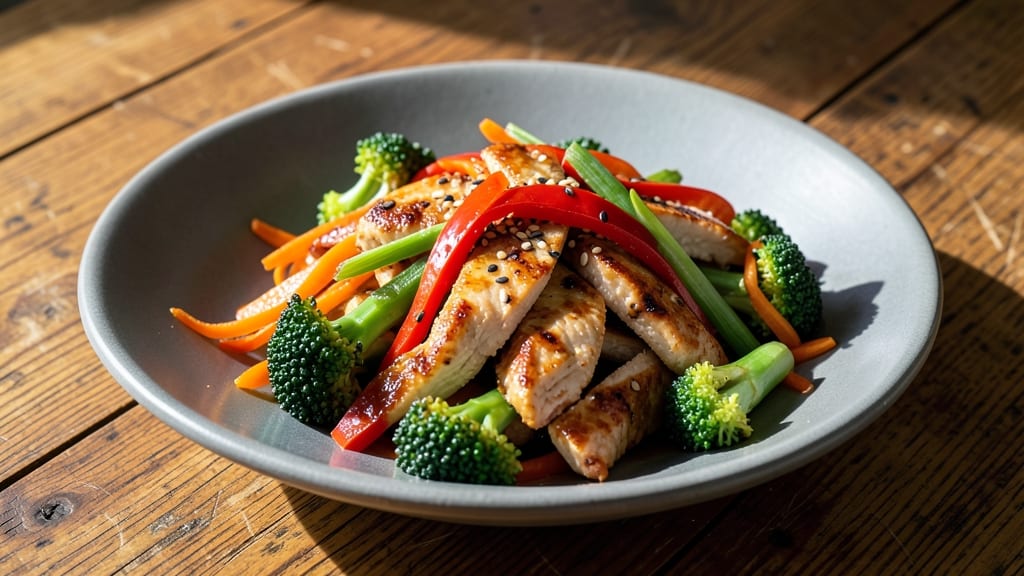
This copycat stir fry recipe delivers the same smoky, savory punch you crave from your favorite takeout spot—right in your own kitchen. ✨ The secret lies in high-heat wok techniques and a balanced sauce that's equal parts sweet, tangy, and umami-rich.
I've recreated the exact flavor profile that makes takeout stir fry so addictive, down to the caramelized edges on the protein and the vibrant, crisp-tender vegetables.
What makes this recipe special is the simplicity disguised as authenticity. You don't need a wok to nail this—any heavy-bottomed skillet works, and the sauce comes together in 10 minutes with just a handful of pantry staples.
The key is cooking the protein first until it develops that signature char, then setting it aside while you stir-fry the vegetables at a frenetic pace to keep them crisp. This is the same method restaurants use to lock in that restaurant-quality "wok hei" flavor.
By the end, you'll have a plate of perfectly balanced stir fry with tender protein, vibrant vegetables, and a glossy sauce that clings to every bite. The aroma alone will have everyone at your table asking for seconds—just like the takeout version, but without the greasy feeling.
This is the kind of meal that transforms a weeknight into a flavor-packed celebration with minimal effort.
Serve it over steamed rice or noodles, and don't forget to garnish with fresh green onions and sesame seeds for that authentic restaurant touch. Let's get cooking!
Ingredients for copycat stir fry
Pantry staples and fresh veggies—this stir fry delivers restaurant-quality flavor in minutes.
| Ingredient | Amount | Notes |
|---|---|---|
| Chicken Breast 🍗 | 1 ½ lb | Boneless, skinless, cut into 1-inch strips |
| Medium Bell Peppers 🌶️ | 2 whole | Red, yellow, or green, sliced into strips |
| Broccoli Florets 🥦 | 2 cups | Fresh or frozen, cut into bite-sized pieces |
| Carrots 🥕 | 2 whole | Diagonally sliced into thin strips |
| Green Onions 🧅 | 6 whole | White and green parts separated |
| Sesame Seeds 🌰 | 1 tbsp | Toasted for garnish |
| Vegetable Oil 🫒 | ½ cup | High smoke point preferred |
| Soy Sauce 🥄 | ½ cup | Low-sodium for better flavor control |
| Oyster Sauce 🍜 | 2 tbsp | For authentic umami depth |
| Honey 🍯 | 1 tbsp | For subtle sweetness |
| Garlic Cloves 🧄 | 4 cloves | Minced for sauce |
| Fresh Ginger 🌿 | 1 tbsp | Grated, for aromatic kick |
| Cornstarch 🌾 | 1 tbsp | For thickening sauce |
| White Rice 🍚 | 2 cups | Uncooked, for serving |
| Salt 🧂 | 1 tsp | Adjust to taste |
The chicken is your flavor anchor, so buy boneless, skinless breasts—they cook faster and stay juicier. Cut them into 1-inch strips (no need to be perfect—just even-sized). For the veggies, fresh is best, but frozen broccoli works in a pinch if you're short on time. The bell peppers should be firm and vibrant—Trader Joe's or local farmers markets usually have the best selection. Skip the pre-cut stir fry mixes; they're often wilted and lack texture. The green onions? Grab a bunch—you'll use the whites for the sauce and the greens for garnish later.
No oyster sauce? Hoisin sauce or even a dash of fish sauce will add that umami punch. Substitute honey with maple syrup if you're avoiding refined sugar. For the cornstarch thickening, arrowroot powder works too. The garlic and ginger are non-negotiable for that authentic aroma—Penzeys or bulk bins have the freshest. If you're cooking for a crowd, double the sauce ingredients and keep them warm in a separate pot while you finish the veggies. The sauce should coat the back of a spoon but still be pourable—adjust with a splash of water if needed.
Prep everything before you start cooking—this isn't a meal where you can multitask. The sauce keeps for 5 days in the fridge if you make extra, but it's best fresh. Store cooked stir fry in airtight containers for 3 days—it reheats beautifully. For leftovers, I like to portion into single servings so I can grab and go. The rice? Cook it ahead and keep it warm in a rice cooker or covered pot. Trust me, having everything ready to go makes the whole process smoother.
Why You'll Love This Recipe
- One-Pan Magic: I swear by this recipe because it’s actually one-pan—no chopping boards left in a mess, no tiny bits of broccoli stuck to every surface. Toss everything in raw, let the chicken sear first, then flip and stir-fry until the carrots hit that perfect caramelized edge. (Yes, even on a Tuesday night.)
- Umami Bomb: That crispy chicken with the tender bell peppers? The secret’s in the sauce—just a splash of soy, a hint of oyster sauce (trust me, it’s the game-changer), and a pinch of ginger. The green onions finish it with a fresh kick that makes every bite ridiculously good.
- Lunchbox Hero: Between us, this is my go-to for meal prep. Double the batch, pack it in containers, and you’ve got a week’s worth of lunches that taste fresh, not sad. My daughter picks out the broccoli florets first—because even kids know they’re the best part.
- Budget-Friendly Powerhouse: Chicken breast is cheap, bell peppers stay crisp, and broccoli’s a steal at the grocery store. I’ve made this for $12 and fed four people. Leftovers? They’re even better the next day—just reheat with a splash of water to keep it tender. My wallet and my taste buds thank me.
Step-by-step instructions for wok-fired chicken stir fry
Here's how to recreate that perfect takeout balance of crispy chicken and tender veggies.
🔥 Step 1: Prep the Chicken and Vegetables
Cut the 1.5 lb chicken breast into 1-inch strips—keep them uniform so they cook evenly. Pat them dry with paper towels and season immediately with 1 tsp salt and a quick toss in 1 tbsp cornstarch (this creates that signature crispy texture). Set aside.
Slice the 2 whole medium bell peppers into ½-inch strips and cut the 2 whole carrots diagonally into ¼-inch thick slices. Separate the 6 whole green onions into white and green parts. For the broccoli, break the 2 cups florets into even bite-sized pieces—no need to trim stems. This prep ensures everything cooks in the same timeframe.
🍳 Step 2: Cook the Chicken Until Golden
Heat 0.25 cup vegetable oil in a wok or large skillet over medium-high heat until shimmering. Add the seasoned chicken strips in a single layer and cook undisturbed for 2-3 minutes until the bottoms turn golden brown and crispy. Here's the thing—don't touch it yet. You want that perfect crust before flipping.
Flip the chicken and cook another 2 minutes until fully cooked through. Remove the chicken to a plate and set aside. The residual heat will keep it warm while you cook the veggies. If your pan isn't hot enough, you'll end up with steamed chicken instead of wok-fried perfection.
🍳 Step 3: Stir-Fry the Vegetables
Add the remaining 0.25 cup vegetable oil to the same pan and increase heat to high. Toss in the carrots and bell peppers first—they need that extra time to soften. Stir-fry for 3-4 minutes until they begin to soften but still retain some bite. Add the broccoli florets and cook for another 2 minutes until bright green and just tender.
Push the vegetables to one side of the pan and add 2 tbsp minced garlic and 1 tbsp grated ginger to the empty space. Stir for 30 seconds until fragrant—this releases their full flavor. Then mix everything together and add the cooked chicken back into the pan.
🥘 Step 4: Make the Sauce and Combine
In a small bowl, whisk together the 0.5 cup soy sauce, 2 tbsp oyster sauce, and 1 tbsp honey. Add this mixture to the pan along with the white parts of the green onions. Stir everything together and cook for 1-2 minutes until the sauce thickens slightly and coats the ingredients. The sauce should be glossy but not watery—if it's too thin, let it reduce another 30 seconds.
Taste and adjust seasoning—add a splash more soy sauce if needed or a pinch of salt. The sauce should be savory-sweet with just the right umami kick. Remove from heat and sprinkle with the green onion tops and 1 tbsp toasted sesame seeds right before serving.
⏰ Step 5: Serve Over Steamed Rice
Cook the 2 cups white rice according to package instructions (usually 15-18 minutes in a rice cooker) until tender and fluffy. Divide the rice among bowls and ladle the stir-fry over the top. The rice should soak up just enough sauce to make every bite flavorful without being soggy.
Garnish with extra sesame seeds if desired. The stir-fry should be hot and vibrant—bright vegetables, tender chicken, and that perfect balance of sweet, salty, and umami flavors. Serve immediately while everything is still steaming hot for that authentic takeout experience.
Pro Tips For Making Copycat Stir Fry
- CUT CHICKEN SMALLER: I used to slice chicken breast into thick strips, and it always ended up dry or undercooked by the time the veggies were done. Cut it into ½-inch cubes—smaller than you think—so it cooks faster and soaks up the sauce better. (Yes, it looks weird, but it actually works.)
- PREP VEGGIES UNIFORM: Broccoli florets that are too big stay crunchy while carrots turn to mush—frustrating, right? Cut everything to roughly the same size (about ½-inch pieces) so they all cook at the same pace. No more sad, overcooked carrots or rock-hard broccoli.
- DON’T CROWD THE PAN: After burning three batches, I finally figured out that stir-frying is about movement, not packing. Cook in batches if needed—overcrowding steams the veggies instead of searing them, and you’ll end up with soggy peppers and limp onions. (Your future self will thank you.)
- USE HIGH HEAT FROM START: I was skeptical until I tried it: crank the heat to high immediately and walk away for 30 seconds to let the wok or pan scream hot. This gets the chicken seared and the veggies blistered before adding sauce—way better than a slow, sad simmer. (No, your kitchen won’t explode.)
Dietary considerations for this copycat stir fry
Gluten-Free Adaptations
Swap regular soy sauce for a gluten-free tamari—brands like San-J or La Choy work perfectly. Use the same 0.5 cup measurement to maintain flavor balance. The sauce will still cling beautifully to the chicken and veggies, just without the gluten. 🌱
Low-Carb Swaps
Replace white rice with cauliflower rice (fresh or frozen) for a low-carb option. Cook it in the same way, but reduce the rice amount by half since cauliflower rice expands. For extra flavor, stir in 1 tsp sesame oil and toasted sesame seeds before serving.
Vegetarian Protein
Swap chicken for extra-firm tofu or mushrooms. Press and cube 1.5 lb firm tofu, pat dry, and pan-fry until golden before adding to the stir-fry.
For mushrooms, use shiitake or cremini—sauté them first to remove moisture, then cook with the veggies. Both add a hearty texture without changing the technique.
Nut-Free Allergies
Skip the sesame seeds if nut allergies are a concern. Garnish instead with toasted pumpkin seeds or extra green onions. The flavor stays bright and fresh—just ensure all other ingredients (like oyster sauce) are certified nut-free. Always double-check labels on sauces, as cross-contamination can occur.
Spicy Adjustments
Add 1 tsp chili garlic sauce or ½ tsp red pepper flakes to the sauce for heat. For extra kick, toss in ½ cup sliced Thai chilies with the veggies. Balance the spice with a pinch of sugar or honey if needed—this keeps the sauce from becoming too sharp. 🌶️
Meal Prep Tips
Store cooked stir fry in airtight containers for 3-4 days in the fridge. Reheat gently in a skillet with a splash of water to revive moisture. For freezing, portion into single servings—this prevents sogginess. Thaw overnight in the fridge, then reheat on the stovetop for 2-3 minutes to maintain texture.
Nutrition facts
Frequently asked questions
Can I make this stir fry without a wok?
Any heavy-bottomed skillet or even a cast-iron pan works perfectly. The key is using high heat and keeping the pan large enough to stir-fry everything at once. If your pan isn't wide enough, cook the chicken first, set it aside, then stir-fry the veggies in batches. The technique is what matters most, not the tool!
How do I get that crispy texture on the chicken?
Pat the chicken strips completely dry with paper towels before seasoning, then toss them in 1 tbsp cornstarch. Cook them undisturbed over medium-high heat for 2-3 minutes per side until golden brown. The cornstarch creates a crispy crust, while the high heat ensures it doesn't steam. Don't overcrowd the pan—work in batches if needed.
What if my sauce is too thin?
If the sauce is watery, let it reduce on the stove for an extra 30-60 seconds while stirring. For thicker sauce immediately, mix 1 tsp cornstarch with 1 tbsp water, stir into the pan, and cook for 1 minute until it thickens. The sauce should coat the back of a spoon but still be pourable.
Can I use frozen vegetables?
Yes, but thaw and drain them well first to avoid excess moisture in the pan. Frozen veggies work best for broccoli—just add them 1 minute before the stir-fry is done to prevent mushiness. For bell peppers and carrots, fresh is ideal, but frozen will do in a pinch if you adjust cooking time by 30 seconds.
What's the best way to reheat leftovers?
Reheat in a skillet over medium heat with a splash of water or broth to revive moisture. Stir constantly for 2-3 minutes until heated through. Microwaving can make veggies soggy, so avoid it. For extra crispiness, add a few drops of oil to the pan before reheating. Leftovers keep well for 3-4 days in airtight containers.