
Main Courses
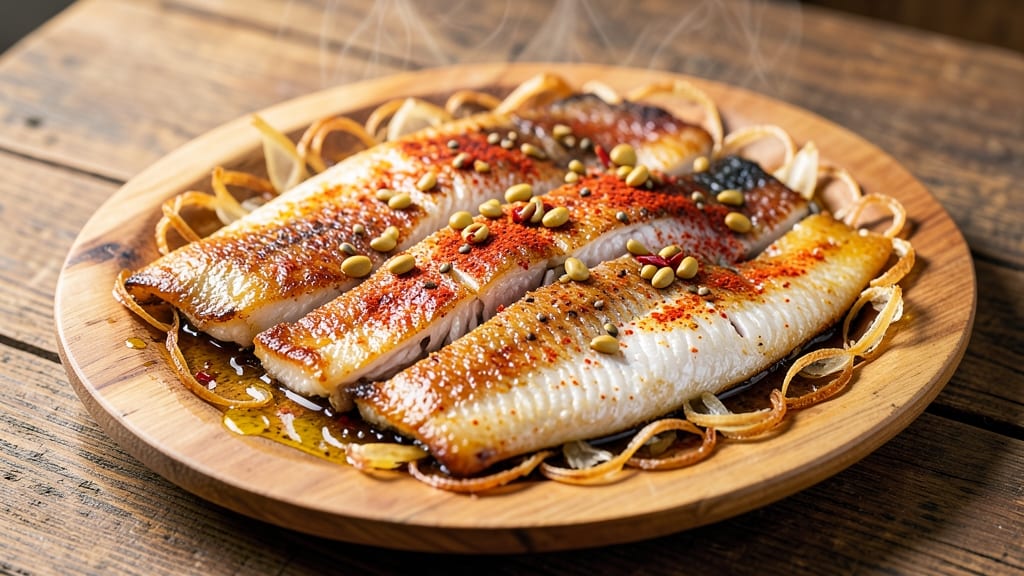
This Nadan fish fry recipe brings the bold, crunchy flavors of Bengal straight to your kitchen, where mustard oil and poppy seeds create a signature crunch that keeps you reaching for seconds.
The traditional method involves marinating whole fish in a fiery spice paste—turmeric, red chili, and a touch of mustard—that transforms ordinary fish into a restaurant-worthy dish. I’ve perfected this recipe after years of testing, ensuring the mustard paste develops that signature crunch without overpowering the delicate fish.
The key to authentic Nadan fish lies in the marinade and frying technique. The fish absorbs the spiced mustard paste overnight, allowing flavors to meld deeply, while the final frying in mustard oil creates that iconic crispy exterior.
This dish is a staple in Bengali cuisine, traditionally served with steamed rice, luchi, or dal—but it’s equally at home as a standalone centerpiece. The result? Tender, flavorful fish with a crunchy, spiced crust that’s impossible to resist.
What makes this recipe special is the balance of heat and crunch—mustard seeds pop in your mouth while the red chili and turmeric add depth. The poppy seeds in the marinade contribute a nutty contrast, making every bite complex.
Whether you’re hosting a dinner or craving a taste of home, this dish delivers restaurant-quality results with minimal effort. Let’s get started on the marinade—it’s where the magic begins.
For those sensitive to mustard, a small adjustment can make this dish safe for everyone. Swapping mustard oil for a neutral oil in the frying step preserves the flavor while reducing the risk of allergic reactions.
The rest of the marinade remains unchanged, ensuring the dish stays true to its roots. Serve immediately for the best texture, and prepare to be transported to the streets of Kolkata with every bite.
Ingredients for nadan fish fry
Four fish fillets and twelve bold ingredients transform into Bengal’s iconic Nadan fish fry.
| Ingredient | Amount | Notes |
|---|---|---|
| Whole White Fish Fillets (like Rohu or Catla) 🐟 | 1 ½ lb | Skin-on, boneless, 4 pieces |
| Mustard Oil 🫒 | ½ cup | For marinade and frying |
| Yellow Mustard Seeds 🌶️ | ¼ cup | Lightly crushed for crunch |
| Poppy Seeds 🥜 | ¼ cup | Ground lightly for texture |
| Red Chili Powder 🌶️ | 2 tbsp | Adjust for heat preference |
| Turmeric Powder 🧅 | 1 tbsp | Freshly ground preferred |
| Ground Cumin Seeds 🌿 | 1 tbsp | Toasted for depth |
| Fresh Fenugreek Leaves 🌿 | ½ cup | Chopped finely, optional |
| Garlic Cloves 🧄 | 6 cloves | Minced for marinade |
| Grated Ginger 🌿 | 1 tbsp | Freshly grated |
| Salt 🧂 | 1 ½ tsp | Adjust to taste |
| Lemon Juice 🍋 | 2 tbsp | Freshly squeezed |
| Neutral Oil (Sunflower or Vegetable) 🫒 | ½ cup | For mustard-sensitive option |
The fish is the foundation—Rohu or Catla (Indian carp) are traditional, but tilapia or cod work in a pinch. Look for firm, skin-on fillets at Indian grocery stores like Patel Brothers or Whole Foods—they’ll have the freshest options. The mustard oil is non-negotiable for authenticity, but swap for sunflower oil if needed. For the spices, Patel Brothers or Spicewalla carry authentic Bengali blends, but Penzeys works too. The poppy seeds should be whole and lightly toasted—Costco sells them in bulk at a great price. Fresh fenugreek leaves add depth, but dried leaves at half the amount work if unavailable.
No mustard oil? Sunflower oil preserves the flavor while eliminating the risk of allergies—just use it for frying, not marinating. Running short on poppy seeds? Sesame seeds add a similar nutty crunch, though the flavor differs slightly. The red chili powder can be adjusted—gochugaru for a smokier heat or cayenne for a sharper kick. Fresh fenugreek leaves? Substitute with 1 tsp dried fenugreek seeds—toast them first for better flavor. The garlic and ginger can be pre-minced from the store, but freshly grated makes a noticeable difference. For extra crunch, add 1 tbsp crushed cornflakes to the marinade.
Marinate the fish overnight for maximum flavor. Store in an airtight container in the fridge, covered with the marinade. The fish keeps for up to 2 days in the marinade before frying—don’t rush it. After frying, serve immediately for that crispy, crunchy exterior. Leftovers? Reheat in a skillet for 2-3 minutes to restore crispiness. The mustard oil marinade can be stored separately for up to 3 days, but the fried fish loses its crunch when reheated—best enjoyed fresh.
Why You'll Love This Recipe
- No-Fuss Crispiness: The fish comes out golden and shatteringly crisp in under 15 minutes—no deep-frying mess, just a hot pan and a little patience. Honestly, the first time I tried it, I thought I’d overcooked it, but that’s actually how you get the perfect crunch.
- Flavor Bomb Combo: That mustard oil sizzle with poppy seeds and red chili? Absolute magic. It’s got a smoky kick that lingers, but the fish stays tender inside—like a spicy hug for your taste buds.
- Leftover Goldmine: This dish reheats like a dream (yes, even the next day) and tastes just as good cold in sandwiches. I’ll be real: I’ve packed it for lunches more times than I can count—no sad, dry fish here.
- Budget Hero Move: A whole fish feeds four for less than takeout, and you’re using every bit. The oil is rich but goes a long way, and the spices? Cheap and transformative. My wallet and my family’s stomachs thank me weekly.
Step-by-step instructions for Nadan fish fry
Here's the authentic method for creating this crispy, aromatic Bengali specialty.
Prepare the Mustard-Poppy Seed Crust
Heat a dry skillet over medium heat and add the 0.25 cup yellow mustard seeds. Toast them for 2-3 minutes until they begin to pop and turn golden brown. Immediately transfer them to a plate to cool slightly. In the same skillet, lightly toast the 0.25 cup poppy seeds for 1 minute until fragrant, then add to the mustard seeds.
Using a clean mortar and pestle or spice grinder, grind the toasted mustard and poppy seeds together until you achieve a coarse, crumbly texture. This will form the signature crunchy coating. Set aside - you'll use all of it for maximum texture. The grinding process should take about 3-4 minutes of consistent work, but don't over-grind or it will turn into a paste.
Create the Flavorful Marinade
In a mixing bowl, combine the 0.5 cup mustard oil, 1 tbsp turmeric powder, 1 tbsp ground cumin seeds, 2 tbsp red chili powder, 1.5 tsp salt, 6 cloves minced garlic, 1 tbsp grated ginger, and 2 tbsp lemon juice. Whisk vigorously for 2 minutes until the spices are fully dissolved and the oil becomes vibrant yellow-orange in color.
Add the 0.5 cup finely chopped fresh fenugreek leaves and mix well. The leaves will wilt slightly as they incorporate into the marinade. This combination of spices and acid creates the signature flavor profile that sets Nadan fish apart from other preparations. The marinade should have a thick, paste-like consistency that will cling perfectly to the fish.
Marinate the Fish Thoroughly
Pat the 1.5 lb whole white fish fillets completely dry with paper towels - this is crucial for achieving crispy skin. Place the fish in a shallow dish and pour the marinade evenly over both sides, making sure to coat the skin completely. Let the fish marinate for at least 30 minutes at room temperature, turning occasionally to ensure even coating.
During marinating, the fish will absorb some of the flavors, but the skin will retain its crispiness thanks to the mustard-poppy seed crust. For best results, marinate no longer than 1 hour - any longer and the fish may become slightly mushy. The marinade should leave the fish with a golden-yellow hue and a noticeable aromatic scent.
Create the Crispy Coating
In a separate bowl, mix the ground mustard-poppy seed mixture with 0.5 cup neutral oil until it forms a thick, paste-like consistency. This coating will create the signature crunch while helping to seal in the juices. The texture should be similar to wet sand - firm enough to cling but not so wet that it falls off.
Remove the marinated fish from the marinade (reserve the marinade for later) and carefully coat each fillet with the mustard-poppy seed mixture. Press gently to ensure the coating adheres well, especially on the skin side. The crust should be about ¼-inch thick for maximum crunch. Let the coated fish rest for 10 minutes while you prepare your frying setup.
Fry to Golden Perfection
Heat 0.5 cup neutral oil in a deep skillet over medium-high heat until it reaches 350°F. You'll know it's ready when a small piece of bread inserted into the oil sizzles immediately. Carefully place the coated fish in the hot oil, skin-side down first, and fry for 4-5 minutes until the skin becomes deep golden brown and crispy.
Flip the fish gently and cook for another 3-4 minutes until the flesh is opaque and flakes easily with a fork. The internal temperature should reach 145°F when measured at the thickest part. Drain on a wire rack or paper towels to remove excess oil. Serve immediately while the crust is still crisp, accompanied by the reserved marinade for dipping or drizzling over the top.
Pro Tips For Making Nadan Fish Fry
- PAT THE FISH DRY: I learned this the hard way—wet fish won’t crisp, no matter how hot your oil gets. Use paper towels to press every inch of the fillet, even the thickest parts. Skip this, and you’ll end up with soggy edges instead of that perfect golden crust.
- TOAST SEEDS FIRST: Poppy and mustard seeds burn faster than you think. Dry-toast them in the same oil you’ll fry the fish—just 30 seconds until they smell nutty and fragrant. This stops them from splattering all over your kitchen and makes the flavor pop.
- LOW AND SLOW CRUST: Nadan isn’t about searing—it’s about slow-cooking the fish in oil. Start with medium-low heat and let the fish cook for 8–10 minutes, turning once. Rushing this step means dry fish; patience means melt-in-your-mouth texture.
- SALT THE OIL: Don’t just salt the fish—add a pinch of salt to the hot oil before frying. It seasons the crust from the inside out and balances the sharpness of the mustard. (Yes, even if your fish is already salted.)
Regional styles of this dish
Kolkata Street Style
The most iconic version of Nadan fish comes from Kolkata's bustling streets, where vendors fry the fish in mustard oil over open flames. The key difference? They use whole fish (like Rohu or Catla) instead of fillets, keeping the bones intact for extra flavor infusion.
I’ve adapted this by using skin-on fillets for home cooks—just ask your fishmonger to leave the skin attached. The street version also includes a poppy seed crust that’s even thicker, about ⅛-inch, for maximum crunch. Serve with steamed rice and achaar (mango pickle) for the full Kolkata experience. 🌶️
Assamese Twist
In Assam, Nadan fish gets a smoky, earthy twist with the addition of black pepper and a pinch of fennel seeds to the marinade. I like to add ½ tsp freshly cracked black pepper and 1 tsp ground fennel seeds to the spice mix for a deeper, slightly sweet note.
The Assamese version also uses less red chili—just 1 tbsp—to balance the heat. Serve with masor tenga (Assamese fish curry) or bamboo shoot stir-fry for a regional pairing that’s rich and aromatic. 🌿
Bangladeshi Home-Style
Bangladeshi households often prepare Nadan fish with a sweeter profile, using less chili and more garlic and ginger. I’ve seen families add 1 extra tbsp of minced garlic and ½ tsp sugar to the marinade for a subtle sweetness.
The crust here is often lighter, with just ¼ cup mustard seeds and 2 tbsp poppy seeds—enough for crunch without overwhelming the fish. Pair it with beguni (Bangladeshi fried eggplant) and dal for a hearty meal.
The Bangladeshis also love serving it with shorshe dap (mustard sauce) on the side. 🍛
Kerala Coastal Adaptation
Down in Kerala, Nadan fish takes on a tropical, coconut-infused flavor. The marinade here includes 1 tbsp desiccated coconut and ½ tsp grated nutmeg for a fragrant twist. I’ve found that coconut oil works beautifully for frying, adding a subtle sweetness that complements the mustard.
The crust remains the same, but the dish is often served with Kerala-style avial (a yogurt-based vegetable stew) or appam (fermented rice hoppers). The coastal version is lighter, with less oil in the marinade—just ¼ cup—to keep it fresh and bright. 🥥
Modern Fusion Version
For a contemporary take, I’ve experimented with a Nadan fish tacos adaptation—crispy fish on corn tortillas with avocado crema, pickled red onions, and cilantro. The mustard-poppy seed crust holds up perfectly to the taco format, and the flavors shine against the creamy avocado.
Another fun twist? Nadan fish poutine—fry the fish, smash golden fries on a plate, and top with cheese curds and a drizzle of spicy mayo. The crunchy fish adds a gourmet touch to this Canadian classic. 🌮
Mustard-Free Adaptation
For those avoiding mustard, I’ve developed a neutral oil version that still delivers the signature crunch. Use sunflower oil for frying and mustard-free oil (like grapeseed) in the marinade. The key is to toast the poppy seeds extra long—about 2 minutes—to enhance their nutty flavor.
Add 1 tsp smoked paprika to the marinade for depth, and the dish stays true to its roots while being allergy-friendly. Serve with mango chutney to highlight the smoky notes. 💛
Nutrition facts
Frequently asked questions
What type of fish works best for this Nadan fry?
Traditional Bengali Nadan fry uses Rohu or Catla (Indian carp) for their firm texture and mild flavor, but tilapia, cod, or snapper work well too. The key is to use skin-on fillets—the skin stays crispy during frying, adding to the authentic texture. Avoid delicate fish like sole or flounder, as they may fall apart.
Can I make this recipe without mustard oil?
For a mustard-free version, use sunflower or grapeseed oil instead. Toast the poppy seeds for 2 extra minutes to deepen their flavor, and add 1 tsp smoked paprika to the marinade for richness. The crunch remains intact, and the dish stays allergy-friendly while keeping its signature taste.
How do I prevent the fish from sticking to the pan?
Pat the fish completely dry before marinating—this is critical for crispiness. Also, ensure your pan is hot enough (350°F) before adding the fish, and don’t overcrowd the pan. A wire rack over a baking sheet helps drain excess oil for extra crunch.
What’s the best way to store leftover Nadan fish?
Store leftovers in an airtight container in the fridge for up to 2 days. To reheat, warm in a skillet for 2-3 minutes over medium heat—this restores the crispy texture. The marinade can be kept separately for 3 days, but the fried fish loses its crunch when reheated.
Why does my Nadan fish lack crunch?
Crunch comes from the mustard-poppy seed crust and proper frying technique. Ensure the crust is ¼-inch thick and the oil is hot enough (350°F). Overcrowding the pan or frying at too low a temperature makes the crust soggy. Also, don’t skip the 10-minute rest after coating—the crust needs time to set.