
Soups & Stews
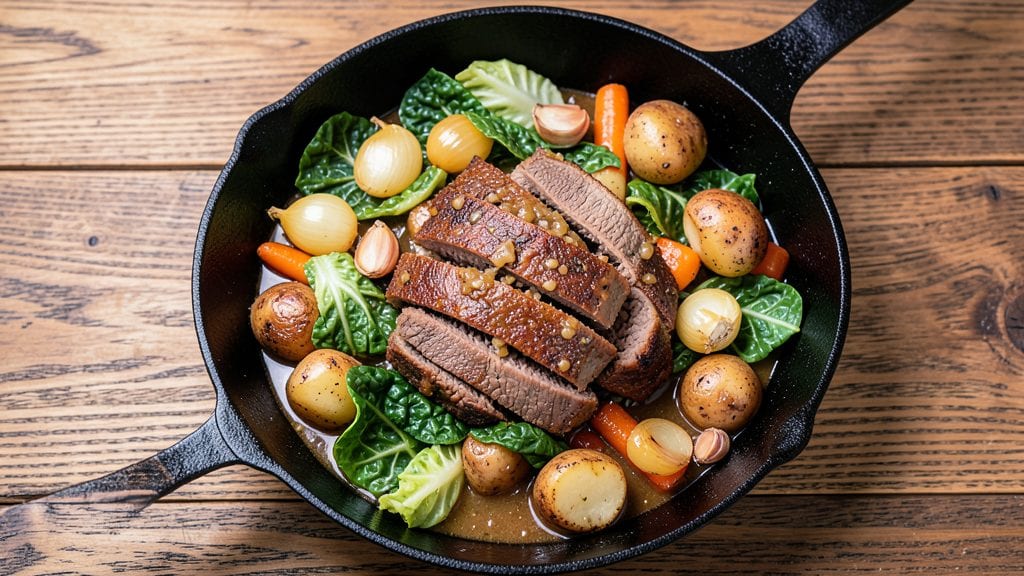
Martha Stewart’s corned beef and cabbage recipe transforms a classic St. Patrick’s Day dish into a slow-simmered masterpiece with tender beef, caramelized cabbage, and herbed potatoes.
The key lies in a precise brining method and long, gentle cooking that develops deep, savory flavors without overpowering the natural taste of the ingredients. This isn’t just a side dish—it’s a hearty, comforting meal that feels like a hug in a bowl.
What sets this recipe apart is Martha’s attention to detail: using just the right amount of salt in the brine to tenderize the beef perfectly, simmering the cabbage until it’s sweet and slightly crisp at the edges, and adding herbed potatoes that soak up every bit of rich, herb-infused broth.
The result is a dish that’s restaurant-quality but simple enough for a weeknight dinner. No shortcuts here—just time, patience, and a few expert techniques.
The aroma alone will have your kitchen smelling like a traditional Irish pub, but the real magic happens in the flavors: tender, shreddable beef that falls apart with a fork, cabbage that’s sweet and just tender enough, and potatoes infused with fresh herbs.
This is the kind of recipe that tastes even better the next day, making it perfect for meal prep or a special occasion. Every bite is a balance of saltiness, sweetness, and earthiness that keeps you coming back for more.
Whether you’re celebrating St. Patrick’s Day or just craving a comforting meal, this recipe delivers rich, satisfying flavors with minimal effort. The slow cooking process means you can prep ahead and let the flavors deepen while you attend to other tasks.
By the time you’re ready to serve, you’ll have a dish that’s foolproof, flavorful, and impossible to resist—just like Martha’s signature style.
Ingredients for corned beef and cabbage martha stewart
Pantry staples meet Irish tradition—just 15 ingredients for Martha's legendary slow-simmered masterpiece.
| Ingredient | Amount | Notes |
|---|---|---|
| Corned Beef Brisket 🥩 | 3 lb | Flat-cut preferred for even cooking |
| Green Cabbage 🥬 | 2 lb | Heads cut into eighths, core removed |
| Carrots 🥕 | 6 whole | Medium size, peeled and halved |
| Russet Potatoes 🥔 | 4 whole | Medium size, scrubbed and quartered |
| Yellow Onions 🧅 | 2 whole | Medium size, peeled and quartered |
| Garlic Cloves 🧄 | 8 cloves | Peeled and lightly smashed |
| Fresh Parsley 🌿 | ½ cup | Chopped, stems included for color |
| Fresh Thyme 🌿 | ¼ cup | Leaves only, stems removed |
| Bay Leaves 🌿 | 2 whole | Fresh preferred, dried works |
| Beef Broth 💧 | 4 cups | Low-sodium preferred |
| Apple Cider Vinegar 🍎 | ¼ cup | For tangy depth |
| Salt 🧂 | 2 tbsp | Diamond Crystal preferred |
| Black Peppercorns 🌶️ | 1 tsp | Freshly cracked |
| Olive Oil 🫒 | 2 tbsp | For searing potatoes |
| Fresh Sage Leaves 🌿 | ¼ cup | Chopped, for potato seasoning |
The corned beef brisket is the star, so grab a 3-pound flat-cut from the butcher section—it cooks more evenly than point-cut. Costco or Whole Foods usually have the best quality, but any reputable grocery store will do. Skip the pre-cubed stuff; you want the whole piece for that perfect shred. For the cabbage, look for heads with tight leaves and no yellowing—Trader Joe's often has great organic options. The potatoes should be firm and free of sprouts; Russets are ideal for soaking up all that rich broth. If you're feeling fancy, grab fresh herbs from the market—Eataly or local farmers markets have the best quality, but the grocery store works too if you're short on time.
No fresh thyme? Dried works at one-third the amount, but the flavor won't be the same. Running low on beef broth? Chicken broth plus 1 tbsp soy sauce gets you close. The apple cider vinegar is non-negotiable for that authentic tang—Mott's or Bragg are solid choices. For the potatoes, if you can't find fresh sage, dried rubbed sage at half the amount works in a pinch. The carrots can be baby carrots if that's what's in the fridge, but whole carrots hold up better during the long simmer. And if you're feeling adventurous, swap half the beef broth for stout beer—it adds a nice depth that pairs perfectly with the corned beef.
This dish tastes even better the next day, so make it ahead—the flavors meld beautifully. Store leftovers in the fridge for up to 5 days, or freeze for 3 months. For reheating, add a splash of broth or water to keep things moist. The potatoes are best served hot, but they reheat wonderfully too. If you're prepping for a crowd, double the recipe—just make sure your pot is big enough. The cabbage will keep fresh in the fridge for 1 week if you wrap it in a damp towel. And that corned beef? It reheats like a dream—just warm it gently with a little extra broth if it's dried out.
Why You'll Love This Recipe
- One-Pot Magic: I swear by this recipe when I’m too tired to wash a million dishes. The corned beef brisket simmers right in the pot with the cabbage and potatoes—no extra pans, no fuss. Just dump, stir, and let the flavors meld while you sip your coffee.
- Salty-Sweet Crunch: That first bite? Pure flavor payoff. The brisket stays tender but holds its shape, soaking up the tangy corned beef juices, while the cabbage gets just crisp enough to bite into. Honestly, the onions caramelize into something almost sweet—it’s like a party in your mouth.
- Leftovers for Days: Between us, this stew only gets better after a night in the fridge. The potatoes soak up all the rich juices, and the cabbage softens into something almost buttery. I make a double batch on Sundays because it’s the easiest lunch for the week—no reheating drama, just hearty portions.
- Budget Feast: You’re getting a whole brisket for pennies, and the veggies stretch it into four or five meals. My grocery bill stays low, but my family acts like I’m serving gourmet every time. Plus, the cabbage and carrots last forever if you don’t use it all—win-win.
Step-by-step instructions for corned beef and cabbage Martha Stewart recipe
This slow-cooked masterpiece delivers tender corned beef, crisp-tender cabbage, and herbed potatoes in one rich, aromatic pot.
Sear the Potatoes for Depth of Flavor
Heat a large Dutch oven over medium-high heat and add the 2 tablespoons olive oil. Once shimmering, add the 4 quartered russet potatoes in a single layer. Let them sear undisturbed for 5 minutes until golden brown on one side, then flip and repeat on the second side. This step builds a flavorful crust that infuses into the broth.
While the potatoes brown, sprinkle them evenly with the 0.25 cup chopped fresh sage leaves and the 2 tablespoons salt. Stir gently to coat, then remove the potatoes and set aside temporarily. The seared potatoes will release their caramelized flavors into the stew as it simmers, creating a deeper, more complex base.
Build the Aromatic Base with Onions and Garlic
In the same Dutch oven, add the 2 quartered yellow onions and cook over medium heat for 5 minutes until softened and translucent. Add the 8 lightly smashed garlic cloves and cook for another 30 seconds until fragrant but not browned—this prevents bitterness and ensures sweet, mellow garlic flavor throughout the stew.
Here's where the magic begins: pour in the 0.25 cup apple cider vinegar and let it bubble away for 1 minute. This step brightens the entire dish with a subtle tang that balances the richness of the corned beef. The vinegar also helps tenderize the cabbage as it cooks, preventing it from becoming mushy.
Layer in Vegetables and Corned Beef
Return the seared potatoes to the pot and add the 6 halved carrots and the 2 lb green cabbage cut into eighths. Stir everything together, then add the 3 lb corned beef brisket to the center of the pot. Pour in the 4 cups beef broth, ensuring the brisket is mostly submerged. The liquid should come about halfway up the sides of the brisket.
Bring the stew to a gentle simmer over medium heat, then add the 2 bay leaves, 0.5 cup chopped fresh parsley, and 0.25 cup fresh thyme leaves. The thyme and parsley will infuse the broth with their bright, herbal notes, while the bay leaves add a subtle earthy depth. Once simmering, reduce the heat to low and cover the pot with a tight-fitting lid.
Slow-Simmer for Tender Perfection
Let the stew simmer gently for 2 to 2.5 hours, maintaining a low, steady bubble. This slow cooking transforms the tough brisket into fork-tender meat while allowing all the vegetables to develop their natural sweetness. Check occasionally and add 1 cup of water if the liquid reduces too much, keeping the brisket mostly submerged.
About 30 minutes before the stew is done, crack the lid slightly to allow some steam to escape. This helps prevent the cabbage from becoming waterlogged. The corned beef is ready when it's fork-tender and the internal temperature reaches 203°F. The potatoes should be easily pierced with a fork, and the carrots should be tender with a slight bite.
Finish with Fresh Herbs and Rest
Remove the stew from heat and let it rest, covered, for 10 minutes. This resting period allows the flavors to meld and the juices to redistribute throughout the meat and vegetables. Skim off any excess fat that has risen to the surface—this ensures a cleaner, more refined final dish.
Before serving, stir in the 1 teaspoon freshly cracked black peppercorns. The pepper adds a final burst of heat that brightens all the rich flavors. Ladle the stew into bowls, ensuring each serving gets a generous portion of brisket, potatoes, and cabbage. The result is a hearty, comforting dish with layers of flavor that make it perfect for a cold day or a celebratory meal.
Pro Tips For Making Corned Beef And Cabbage Martha Stewart
- Brown the Brisket First: Martha’s recipe might not call for it, but searing the corned beef brisket in a hot Dutch oven for 3-4 minutes per side before adding liquid builds deeper flavor. The crust locks in juices and balances the saltiness—worth the extra 10 minutes of attention.
- Core the Potatoes: I used to add whole russet potatoes to the stew and they’d turn to mush. Instead, cut them into 2-inch chunks and pierce each with a knife—no need to peel. They’ll stay firm and absorb the broth perfectly.
- Salt the Cabbage: The cabbage in this stew is already salty from the corned beef liquid, but sprinkle a pinch of kosher salt over the wedges while they cook. It crisps the edges just enough to cut through the richness—trust me, it matters.
- Simmer, Don’t Boil: After the first 30 minutes, reduce the heat so the liquid barely bubbles. Boiling toughens the meat and turns the potatoes into glue. A gentle simmer keeps everything tender and lets the flavors meld—no peeking, just patience.
Storing and reheating your leftovers
Refrigerator Storage
Let your corned beef and cabbage cool to room temperature (about 30 minutes) before transferring to an airtight container—I love using Le Creuset stoneware containers for their durability. Store in the fridge at 40°F or below for up to 5 days.
The flavors actually deepen overnight as the herbs infuse further into the broth. Always press plastic wrap directly on the surface to prevent drying. 🥬
Freezer Prep Tips
For long-term storage, portion the stew into freezer-safe bags (like Stasher bags) or glass containers. Leave 1-inch headspace for expansion and label with the date. This dish freezes beautifully for up to 3 months.
The cabbage may soften slightly after thawing, but reheating with a splash of broth restores its texture. I recommend freezing in single-serving portions for easy reheating. ❄️
Stovetop Reheating
My preferred method is stovetop reheating—it preserves texture better than microwaving. Transfer the stew to a pot and heat over medium-low heat for 10-15 minutes, stirring occasionally. Add ¼ cup beef broth if the stew looks dry.
The corned beef should reach 165°F internal temperature for safety. Taste and adjust seasoning—often needs a pinch of salt after reheating. 🔥
Microwave Method
For quick reheating, transfer a single serving to a microwave-safe bowl, cover loosely, and heat on 50% power for 2-3 minutes. Stir halfway through. Add 2 tablespoons water if it appears dry.
The potatoes may get slightly mushy, but the beef and cabbage stay tender. I avoid full microwave reheating for large batches—it's not as flavorful as stovetop. 💡
Reviving Cabbage Texture
If the cabbage seems too soft after reheating, add it back to the pot with ½ cup fresh water and simmer uncovered for 5 minutes. The steam will help restore some crispness.
For extra brightness, stir in 1 teaspoon apple cider vinegar at the end—it cuts through any reheating dryness beautifully. 🌿
Make-Ahead Serving
This dish is perfect for meal prep! Reheat portions throughout the week for quick, satisfying meals. I like to keep the potatoes separate if possible—they reheat best when added fresh to hot stew.
For serving, garnish with extra fresh parsley and a sprinkle of black peppercorns. The aroma alone will have everyone at the table excited! ✨
Nutrition facts
Frequently asked questions
Can I use pre-cooked corned beef for this recipe?
While you can use pre-cooked corned beef, Martha Stewart’s method relies on slow-simmering the brisket from raw to achieve that perfect fork-tender texture and deep flavor. If you must use pre-cooked, add it during the last 30 minutes of simmering to avoid overcooking. The potatoes and cabbage will still benefit from the long cooking time, but the beef won’t develop the same richness.
How do I prevent the cabbage from turning mushy?
Cabbage gets mushy when overcooked or submerged in too much liquid. Start with 2 pounds of cabbage cut into eighths, and add it to the pot after the potatoes and carrots. Simmer uncovered for the last 30 minutes to let excess moisture evaporate. If the cabbage still seems soft, stir in 1 teaspoon apple cider vinegar at the end for brightness and slight crispness.
What’s the best way to shred the corned beef?
Let the beef rest for 10 minutes after cooking, then use two forks to pull it apart against the grain. For cleaner shreds, slice the brisket into ½-inch strips first, then shred. If the beef is too tough, it needs longer simmering—aim for 203°F internal temperature for perfect tenderness. Save any juices to drizzle over the shredded beef for extra flavor!
Can I make this dish in a slow cooker?
Brown the potatoes and onions first, then transfer everything to a 6-quart slow cooker. Cook on low for 8 hours or high for 5 hours, adding ½ cup broth if needed. The slow cooker’s gentle heat mimics the Dutch oven’s method, keeping the beef tender and cabbage intact. Just skip the final uncovered simmer—it’s not needed in a slow cooker.
Why does Martha’s recipe use vinegar?
The ¼ cup apple cider vinegar balances the dish’s richness and tenderizes the cabbage by breaking down its fibers. It also brightens the broth, preventing a heavy, one-note flavor. Without it, the stew might taste flat or overly salty. Think of it as the secret ingredient that ties all the flavors together—like a pinch of acid in a vinaigrette!