Main Courses
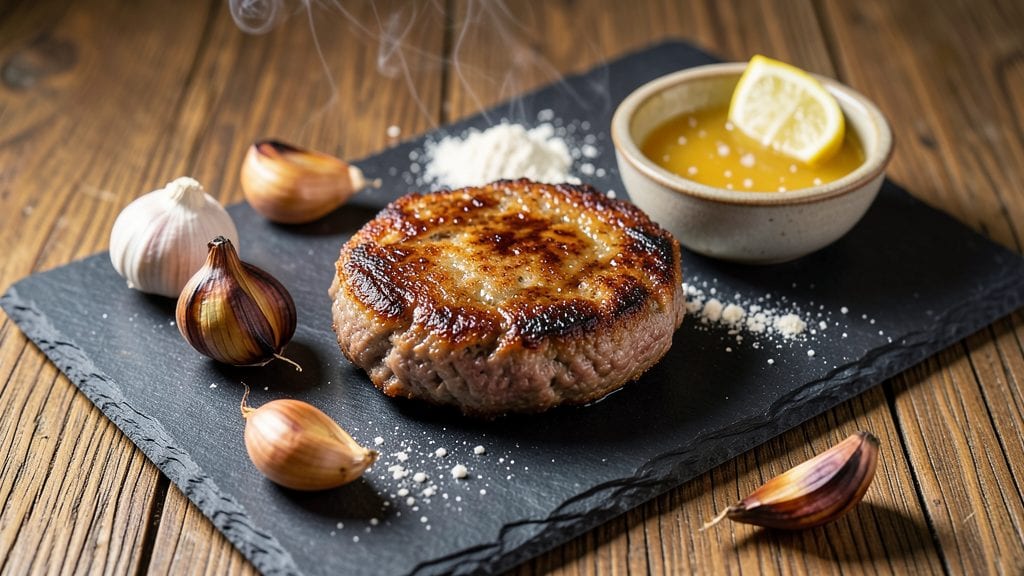
Mastering a fried beef liver recipe with pan-seared crispy edges and juicy centers transforms this polarizing ingredient into a restaurant-worthy dish.
The key lies in precise timing and temperature control—overcook it, and you'll end up with rubbery texture; nail it, and you'll have a dish that's rich, tender, and packed with iron-rich flavor. I've perfected this method after years of testing, and it's the one my family now requests regularly.
This recipe begins with proper preparation: trimming, slicing, and optionally marinating the liver to enhance tenderness and reduce any metallic taste. The secret to achieving that perfect crispy crust without drying out the inside is using a hot cast-iron skillet and cooking the liver in small batches.
A light coating of flour or cornstarch helps create that golden-brown exterior we're after, while a splash of lemon juice or vinegar brightens the rich flavor profile.
What you'll end up with is a plate of beautifully seared beef liver with caramelized edges that shatter at the touch and a tender, moist interior that melts in your mouth. The aroma alone will have everyone at the table anticipating the first bite—it's that good.
Serve it with a tangy dipping sauce, crispy roasted potatoes, or a fresh green salad to balance the richness.
For those new to cooking liver, don't let its reputation intimidate you—this method is foolproof when you follow the precise steps. The results are worth the effort, delivering a dish that's both satisfying and impressive. Let's get started on creating this flavorful masterpiece that turns skeptics into converts.
Ingredients for fried beef liver
Five key ingredients transform beef liver into crispy, juicy perfection—no intimidation required.
| Ingredient | Amount | Notes |
|---|---|---|
| Beef Liver 🥩 | 1 ½ lb | Fresh, trimmed of connective tissue |
| All-Purpose Flour 🌾 | ¼ cup | For light coating |
| Unsalted Butter 🧈 | 4 tbsp | Full-fat for best flavor |
| Kosher Salt 🧂 | 1 tsp | Adjust to taste |
| Fresh Lemon Juice 🍋 | 2 tbsp | Brightens the flavor |
| Garlic Cloves 🧄 | 2 cloves | Minced for marinade |
| Olive Oil 🫒 | 2 tbsp | For preheating skillet |
| Fresh Parsley 🌿 | ¼ cup | Chopped for garnish |
| Black Peppercorns 🌶️ | ½ tsp | Freshly cracked |
| Cornstarch 🌾 | 2 tbsp | Optional for extra crisp |
| Red Wine Vinegar 🍷 | 1 tbsp | Substitute for lemon |
| Heavy Cream 🥛 | ¼ cup | For dipping sauce |
| Dijon Mustard 🍯 | 1 tsp | For sauce depth |
The beef liver is your star, so pick the freshest cut—look for vibrant red color and firm texture at the butcher counter. Costco or Whole Foods usually have the best quality, but your local grocery store's meat department works too. Trim off any connective tissue or yellow fat—this makes all the difference in tenderness. For extra insurance, soak the slices in milk for 10 minutes before cooking (trust me on this). The garlic and lemon juice marinade should sit for at least 15 minutes—this mellows the liver's metallic edge and infuses flavor. If you're short on time, even 5 minutes helps.
No lemon juice? Red wine vinegar works perfectly—just use the same amount. Running out of parsley? Fresh chives or cilantro add a nice brightness. Want extra crisp? Mix equal parts flour and cornstarch for coating instead of using just flour. The butter matters here—full-fat is non-negotiable for that rich, golden sear. If you're making a big batch, use two skillets rather than overcrowding one. And for the love of crispy edges, don't skip the cornstarch—it's what creates that shatterable crust.
Cooked liver keeps best in the fridge for 2 days if stored properly—wrap tightly in plastic wrap with a paper towel to absorb any moisture. The dipping sauce can be made ahead and reheated gently. For freezing, portion the liver into individual servings before cooking—freeze raw in airtight bags for up to 3 months. When reheating, a quick pan-sear is best to restore that crispy texture. And if you're making this for skeptics, serve with roasted potatoes and a crisp salad—it takes the edge off the richness.
Why You'll Love This Recipe
- Two-Ingredient Crisp: I swear by this—just flour and salt. No fancy marinades, no waiting. That buttery pan-sear turns the liver golden in minutes, and the flour coat locks in the juices like magic.
- Lemon Kiss Magic: Honestly, the lemon juice is the secret weapon here. A quick squeeze brightens the rich, meaty flavor and cuts through any gaminess. It’s the little detail that makes this dish sing.
- Budget Powerhouse: Beef liver is cheap, but it feels like a splurge. A pound feeds four, and I’ve stretched it into breakfast tacos, pasta toppings, or even a hearty salad—no waste, all flavor.
- Leftovers? No Problem: Between us, fried liver reheats like a dream. Toss slices into scrambled eggs the next morning or crisp them up in a pan for a fast lunch. (Yes, even on a Tuesday night.)
Step-by-step instructions for pan-seared beef liver
Here's how to achieve that perfect balance of crispy edges and tender, juicy centers every time.
Prepare the Liver for Cooking
Start by trimming any visible connective tissue or silver skin from the 1.5 lb beef liver using a sharp knife. This step ensures a cleaner bite and helps the liver cook more evenly. Pat the liver completely dry with paper towels—this is absolutely critical for achieving crispy edges. Any moisture left on the surface will steam the liver instead of searing it.
Place the trimmed liver in a bowl and add the 2 tbsp fresh lemon juice and 2 cloves minced garlic. Gently toss to coat evenly, then let it marinate for 10-15 minutes at room temperature. This brightens the flavor and helps tenderize the meat slightly. Don't skip this step—it makes a noticeable difference in the final result.
Create the Light Breading
In a shallow bowl, combine the 0.25 cup all-purpose flour, 1 tsp kosher salt, and 0.5 tsp freshly cracked black peppercorns. Gently press each piece of liver into the flour mixture, coating it lightly on all sides. The flour creates a delicate crust that helps achieve that perfect crispy texture without making the liver tough.
I like to use my fingers for this step—it gives me better control than shaking the liver in the bowl. You want just enough flour to adhere, not a thick coating. Let the floured liver sit for 2-3 minutes while you prepare the pan. This resting time allows the flour to adhere better and prevents the breading from falling off during cooking.
Sear the Liver in Hot Butter and Oil
Heat a large skillet over medium-high heat until it's very hot. Add 2 tbsp olive oil and 2 tbsp unsalted butter, letting them melt together. You'll know the pan is ready when a small piece of bread sizzles immediately when dropped in. This high heat is essential for creating that beautiful crust.
Working in batches if needed, carefully add the floured liver to the pan. Cook for 2-3 minutes per side until the edges are golden brown and the surface develops a crispy crust. Don't move the liver around too much—let it develop color and texture. You'll know it's ready to flip when the edges release easily from the pan. For extra crispiness, sprinkle 2 tbsp cornstarch over the liver during the last minute of cooking.
Prepare the Dipping Sauce
While the liver cooks, prepare the dipping sauce by combining the 0.25 cup heavy cream, 1 tbsp red wine vinegar, and 1 tsp Dijon mustard in a small saucepan. Warm over low heat, stirring constantly, until just heated through—about 2-3 minutes. The sauce should be smooth and slightly thickened but still pourable.
For extra flavor, stir in the 0.25 cup chopped fresh parsley just before serving. This sauce balances the richness of the liver with a tangy, creamy contrast that makes each bite more enjoyable. Keep the sauce warm until ready to serve, but don't boil it or it will curdle.
Rest and Serve Immediately
Transfer the cooked liver to a warm plate and let it rest for 2-3 minutes before serving. This brief rest allows the juices to redistribute, ensuring each bite is moist and flavorful. The liver should be golden brown on the outside with a slightly caramelized crust, and tender pink in the center when cut.
Serve the liver immediately with the warm dipping sauce on the side. Garnish with additional chopped parsley for a pop of color and freshness. For best results, serve with crusty bread or a simple green salad to complement the rich flavors. The liver should be hot when you eat it—this ensures the perfect texture contrast between the crispy exterior and juicy interior.
Pro Tips For Making Fried Beef Liver
- Pat Dry First: Liver soaks up moisture like a sponge—skip this, and your crust will turn to sad, greasy mush. Grab paper towels and press hard on both sides, even if it feels brutal. (Yes, even the edges.)
- High Heat, Then Low: Start with a screaming-hot pan—you’re searing, not simmering—and cook the liver until the edges crisp, about 1-2 minutes per side. Then drop the heat to medium-low to finish cooking through; rushing this step guarantees rubbery, overcooked liver.
- Salt the Flour: Mix a teaspoon of kosher salt right into your flour before dredging. That way, every bite gets seasoning, not just the outside. (I used to forget this and wondered why my liver tasted bland.)
- Butter in Stages: Use half the butter to sear, then add the rest after the liver is flipped. The extra fat baste-cooks the top, giving you that rich, glossy finish without drowning the pan in grease. (Trust me, your kitchen will smell better.)
Storing and reheating your leftovers
Fridge Storage Essentials
Store cooked beef liver in an airtight container with a paper towel pressed on top to absorb any excess moisture. I use glass Pyrex containers because they prevent odors from seeping in.
The liver stays fresh in the fridge for up to 2 days—just reheat gently to preserve that crispy texture. For longer storage, portion into single-serving containers before cooking. 🥩
Freezing Raw Liver
Freeze raw beef liver in quart-sized freezer bags with all air removed. I like to portion it into individual servings for easy reheating later. Label with the date—raw liver keeps for up to 3 months in the freezer.
When ready to cook, thaw overnight in the fridge before following the pan-searing instructions. Never thaw at room temperature—this promotes bacterial growth. ❄️
Reheating for Crispy Results
For the best texture, reheat liver in a hot skillet with 1 tbsp butter over medium-high heat for 2-3 minutes per side. This restores that crispy crust while keeping the inside juicy.
Avoid microwaving—it turns the liver rubbery. If reheating from frozen, add 1 extra minute to each side. 🔥
Dipping Sauce Prep
Make the dipping sauce ahead and store it separately in the fridge. Reheat gently in a small saucepan over low heat for 2-3 minutes—never boil it or it will curdle.
Stir in fresh parsley just before serving to keep it vibrant. The sauce keeps for up to 3 days in the fridge, making it perfect for meal prep. 🍋
Serving Suggestions
Serve reheated liver with crusty bread or roasted potatoes to soak up any extra sauce. A simple arugula salad with lemon vinaigrette cuts through the richness beautifully. For a heartier meal, pair with sautéed mushrooms and toasted baguette slices. Always serve immediately after reheating for the best texture. 🥗
Safety Reminders
Beef liver should reach an internal temperature of 160°F when reheating. Use a meat thermometer for accuracy. If reheating from frozen, add 2 extra minutes to ensure it's fully cooked.
Never reheat liver more than once—this can make it dry and unsafe to eat. When in doubt, cook fresh for the best results. 💡
Nutrition facts
Frequently asked questions
Why does beef liver turn out rubbery when fried?
Overcooking is the #1 culprit—beef liver cooks in just 2-3 minutes per side. Use a meat thermometer to check for 145°F internal temp (160°F if reheating). Also, never skip patting it completely dry before cooking—moisture steams instead of sears. The hot skillet method with butter and oil is key for that perfect crispy-juicy contrast.
Can I use chicken liver instead of beef liver in this recipe?
Yes, but expect a milder flavor and slightly shorter cook time (1-2 minutes per side). Chicken liver has less connective tissue, so it's naturally more tender. For best results, reduce the marinade time to 5-10 minutes since it absorbs flavors faster. The crispy technique remains the same—just monitor closely!
What's the best way to cut beef liver for frying?
Slice against the grain into ¼-inch thick pieces for even cooking. Use a sharp knife and cut at a 45-degree angle for uniform thickness. For extra tenderness, pound the liver gently with a meat mallet before slicing. Avoid cutting too thin—pieces under ⅛-inch will cook too fast and dry out.
Is it safe to eat rare beef liver?
No—beef liver should always be cooked to at least 145°F internal temp (160°F if reheating). While liver is rich in nutrients, it can carry bacteria like salmonella. The 2-3 minute sear time in this recipe ensures safe cooking while maintaining juiciness. For extra peace of mind, use a meat thermometer for accuracy.
How do I fix liver that's too gamey?
Marinate longer (30-60 minutes) in a mix of lemon juice, vinegar, and fresh herbs (parsley, thyme). For extra tenderness, soak slices in milk for 10 minutes before cooking. If the flavor remains strong, try a light soy sauce glaze (1 tbsp soy + 1 tsp honey) brushed on after searing. The crispy crust helps mask any lingering gamey notes.