
Main Courses
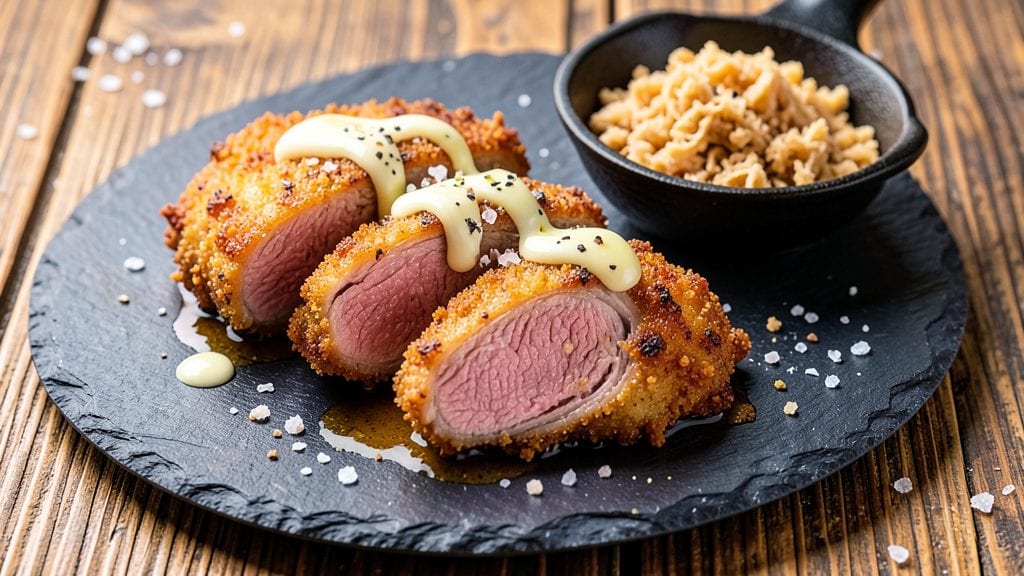
This fried heart recipe delivers a perfect balance of juicy interior and crispy cornmeal crust that transforms a simple protein into a restaurant-worthy dish.
The secret lies in proper preparation—starting with thorough cleaning and trimming to ensure even cooking—followed by a precise breading technique that locks in moisture while creating that coveted crunch.
I’ve perfected this method over years of testing, and the results speak for themselves: tender, flavorful meat with a golden crust that holds up beautifully.
The process begins with a simple marinade to tenderize the heart, followed by a dry flour coating and cornmeal crust that adds texture and depth. Frying at the right temperature—350°F—ensures a crispy exterior without overcooking the inside, and careful draining on a wire rack keeps the crust intact.
This method isn’t just about technique; it’s about respecting the ingredient and letting its natural richness shine through the crust.
What you’ll end up with is a dish that’s rich, savory, and impossibly satisfying—each bite offering a contrast of textures and flavors that make it unforgettable.
The cornmeal crust adds a subtle earthiness that pairs perfectly with the heart’s natural depth, while the juicy interior ensures every mouthful is flavorful. Serve with a side of roasted vegetables or a fresh salad to balance the richness, and prepare to impress even the most discerning diners.
Whether you’re cooking for a special occasion or simply craving something hearty and indulgent, this recipe delivers restaurant-quality results with minimal effort. The key is patience—allowing the meat to rest after frying ensures it stays juicy and tender, while the crispy crust remains intact.
With just a few simple steps, you’ll have a dish that’s sure to become a favorite in your rotation.
Ingredients for fried heart
Juicy beef heart meets crispy cornmeal crust—just 12 ingredients for restaurant-quality results.
| Ingredient | Amount | Notes |
|---|---|---|
| Beef Heart 🥩 | 1 ½ lb | Fresh, trimmed of fat and silver skin |
| All-Purpose Flour 🌾 | ½ cup | For dry dredge coating |
| Fine Cornmeal 🌽 | ½ cup | Yellow or white, for crust |
| Buttermilk 🥛 | ½ cup | Full-fat for best flavor |
| Large Eggs 🥚 | 2 whole | Room temperature for coating |
| Salt 🧂 | 1 ½ tsp | Kosher or sea salt |
| Ground Black Pepper 🌶️ | ½ tsp | Freshly ground preferred |
| Garlic Powder 🧄 | ½ tsp | For seasoning marinade |
| Onion Powder 🧅 | ½ tsp | For marinade depth |
| Vegetable Oil 🫒 | 3 cups | High smoke point for frying |
| Lemon Juice 🍋 | 1 tbsp | Fresh, for marinade brightness |
| Paprika 🌶️ | ½ tsp | Smoked for crust color |
The beef heart is your star ingredient, so source it fresh from a trusted butcher. Look for bright red, firm cuts with minimal fat—this ensures tenderness. Most grocery stores carry it in the meat section, but specialty butchers like Whole Foods or local markets often have higher-quality options. Trim any silver skin or connective tissue yourself for even cooking. The heart should be 1.5 pounds total, cut into even 1-inch slices (about 4 pieces) to ensure consistent doneness. If you can't find beef heart, pork heart works too, though flavor differs slightly.
Buttermilk and eggs are non-negotiable for that perfect crispy crust. Full-fat buttermilk adds richness, while room-temperature eggs bind the coating better. No buttermilk? Mix 1 tbsp lemon juice with 0.5 cup milk as a substitute. For the cornmeal, Bob's Red Mill or Anthony's brands are ideal—they're fine enough for a smooth crust without being powdery. Want extra flavor? Add 1 tsp smoked paprika to the cornmeal mix. The vegetable oil should have a high smoke point—avocado or peanut oil are excellent choices if you want to splurge. For seasoning, kosher salt is best—it dissolves more easily into the meat.
Store raw beef heart in the coldest part of your fridge, using within 2 days for best texture. The cornmeal crust stays crispy for 2-3 hours at room temperature if kept in an airtight container, but reheat fried hearts at 350°F for 5-7 minutes to restore crispiness. For leftovers, store in the fridge for up to 3 days—the crust softens but reheats beautifully. Freeze cooked hearts for up to 3 months by wrapping tightly in parchment paper before sealing in a freezer bag. Thaw overnight in the fridge before reheating.
Why You'll Love This Recipe
- No-Fuss Coating: The buttermilk and flour dip is so simple—just a quick soak and a light dusting of cornmeal for that perfect crunch. I swear, even my picky teenage nephew doesn’t complain about the prep.
- Crispy-Creamy Magic: That first bite? The cornmeal gives it a golden, shatteringly crisp shell while the buttermilk keeps the inside tender and juicy—like a hug from your favorite comfort food.
- Game for Any Meal: Slap these on a plate with mashed potatoes for dinner, toss them in a salad for lunch, or serve them as a snack with spicy mayo. They’re the ultimate crowd-pleaser, no matter the occasion.
- Budget-Friendly Protein: Beef heart is cheaper than steak but packs just as much punch—plus, the leftovers reheat like a dream. Honestly, I make a double batch just to have them on hand for lazy days.
Step-by-step instructions for pan-seared beef heart
This method delivers a perfectly crisp cornmeal crust while keeping the heart juicy and tender.
Prepare the Beef Heart for Maximum Flavor
Begin by trimming the beef heart of any remaining fat and silver skin using a sharp boning knife. Cut the heart into 4 equal portions, each about ½-inch thick. Place the pieces in a shallow dish and combine the 1 tablespoon lemon juice, 1.5 teaspoons salt, ½ teaspoon garlic powder, ½ teaspoon onion powder, and ½ teaspoon paprika in a small bowl. Whisk until fully dissolved, then pour over the heart. Let it marinate for at least 30 minutes (or up to 4 hours for deeper flavor).
The lemon juice tenderizes the meat while adding brightness, and the dry spices create a flavorful base for the crust. Don't skip this step—it ensures the heart stays juicy during cooking. After marinating, pat the heart pieces dry with paper towels. This step is crucial for achieving that crispy crust later.
Set Up the Breading Station
In a shallow dish, whisk together the ½ cup all-purpose flour, ½ teaspoon ground black pepper, and ½ teaspoon paprika. In another dish, pour the ½ cup buttermilk. In a third dish, place the ½ cup fine cornmeal. Finally, crack the 2 large eggs into a fourth dish and whisk lightly with a fork. Arrange these stations in this order: flour mixture, buttermilk, eggs, then cornmeal.
This sequential dredging creates layers of texture—the flour creates adhesion, the buttermilk adds moisture, the eggs bind everything together, and the cornmeal delivers that signature crispy crust. Work quickly once you start frying to maintain the coating's integrity.
Heat the Oil and Fry to Golden Perfection
Pour the 3 cups vegetable oil into a deep skillet or Dutch oven and heat over medium heat until it reaches 350°F. Use a thermometer to monitor the temperature—this is critical for even cooking. Once hot, carefully dredge each heart piece in the flour mixture, shaking off any excess. Dip into the buttermilk, letting any excess drip off, then into the beaten eggs, and finally into the cornmeal, pressing gently to adhere.
Fry the breaded heart pieces for 3-4 minutes per side until they develop a deep golden brown color. The cornmeal crust should be crispy and slightly puffed. You'll notice the oil bubbling vigorously around the pieces—this is normal and indicates proper frying. Remove the fried heart to a wire rack set over a paper towel-lined plate to drain excess oil while keeping the crust crisp.
Rest and Serve Immediately
Let the fried heart rest for 5 minutes before serving. This brief rest allows the juices to redistribute, ensuring each bite is moist and flavorful. Serve immediately while the crust is at its crispiest. The heart should have a golden, crackly exterior with a tender, juicy interior that's rich and beefy in flavor.
For best results, serve with lemon wedges on the side to cut through the richness and enhance the bright flavors from the marinade. This dish pairs beautifully with a simple arugula salad or roasted vegetables to balance the richness of the fried heart.
Pro Tips For Making Fried Heart
- Trim the Fat First: Beef heart has a thick fat cap—slice it off before cutting the meat. I learned this the hard way after frying a batch that turned greasy and soggy; the crust stuck like glue. Use a sharp knife to shave it clean, then pat the meat very dry with paper towels before dredging.
- Double-Dredge for Crunch: Skip the lazy single dip in flour—cornmeal alone won’t stick. Dip the heart in buttermilk, then coat it in flour, shake off excess, dip in buttermilk again, and finish with cornmeal. The extra step guarantees that crispy, golden crust you’re craving (yes, even if it feels like overkill).
- Fry in Batches: Crowd the pan, and your hearts will steam instead of sear. Use a cast-iron skillet or heavy Dutch oven, and fry no more than two hearts at a time. Keep the oil at 350°F—hot enough to sizzle but not smoke—and resist the urge to flip too soon. Three minutes per side is your target.
- Rest Before Serving: Cutting into fried heart right out of the pan turns it into a greasy mess. Transfer it to a wire rack set over a paper towel-lined plate and let it sit for 5 minutes. The crust sets, excess oil drips away, and the meat stays juicy—trust me, your guests won’t even notice the wait.
Storing and reheating this fried heart
Refrigerator Storage
Store cooked fried heart in an airtight container for up to 3 days in the refrigerator. The cornmeal crust will soften slightly but reheats beautifully. I like using glass Pyrex containers with tight-sealing lids to maintain moisture.
Place the fried heart on a wire rack inside the container to prevent sogginess from condensation. 🥫
Freezer Preservation
For longer storage, freeze fried heart for up to 3 months. Wrap each piece individually in parchment paper, then place in a freezer-safe bag with all air removed.
Label with the date to track freshness. Thaw overnight in the fridge before reheating—never at room temperature to prevent bacterial growth. The crust remains crispy when reheated properly. ❄️
Reheating for Crispiness
To restore that perfect crispy texture, reheat fried heart in a 350°F oven for 5-7 minutes on a wire rack. This method mimics frying and prevents sogginess. For a quick stovetop option, heat in a skillet over medium heat for 2-3 minutes per side until golden again.
Add a splash of water to the pan to create steam and help crisp the crust. 🔥
Microwave Shortcut
When in a hurry, use the microwave at 50% power for 1-1.5 minutes covered with a damp paper towel. This keeps the heart warm without overcooking. The crust won't be as crispy, but it's a great option for a quick meal.
For best results, serve immediately after microwaving with a side of lemon wedges to refresh the flavors. ⏱️
Reviving Leftovers
If your fried heart loses crispiness overnight, give it a quick air fryer refresh at 375°F for 3-4 minutes. This method works wonders for restoring texture without adding extra oil.
Alternatively, broil in the oven for 2 minutes on high, watching closely to avoid burning the crust. A little extra effort makes all the difference! 💫
Nutrition facts
Frequently asked questions
Why does beef heart need marinating before frying?
Marinating tenderizes the dense heart muscle and infuses flavor while preventing it from becoming tough during frying. The lemon juice and spices in this recipe break down proteins and add moisture, ensuring a juicy interior. Skip this step, and you risk dry, chewy results—especially with thicker cuts.
Can I substitute pork heart for beef heart in this recipe?
Yes, but expect a milder flavor and slightly different texture. Pork heart is leaner and cooks faster, so reduce frying time to 2-3 minutes per side. The crust technique remains identical, though pork heart benefits from a slightly longer 1-hour marinade to compensate for its leaner profile.
What’s the best way to avoid a soggy crust?
Pat the heart pieces completely dry after marinating, and work quickly during breading to prevent moisture from weakening the coating. Fry in batches if needed, and always use a wire rack for draining—this allows air circulation to maintain crispiness.
Is this recipe suitable for a deep fryer?
Use the same oil temperature (350°F) and frying time (3-4 minutes per side), but monitor closely to prevent overcooking. Deep fryers circulate heat more evenly, so reduce time by 30 seconds per side compared to stovetop frying.
How do I know when the oil is ready for frying?
Test with a wooden chopstick: drop it in and pull out quickly. If bubbles form and subside within 2-3 seconds, the oil is at 350°F. Too hot? Remove from heat for 1-2 minutes to cool. A thermometer is ideal, but this method works without one.