
Main Courses
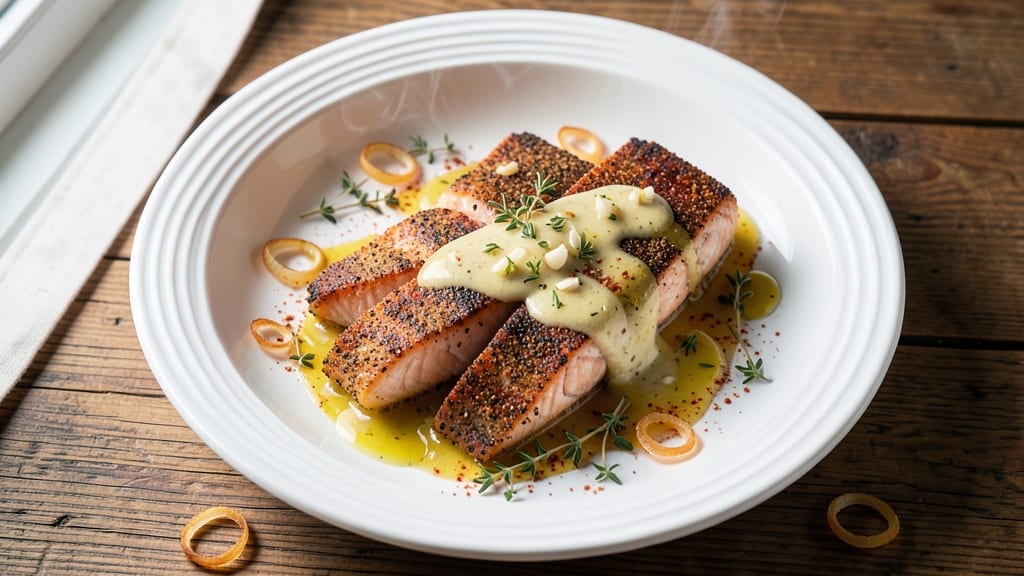
This fried salmon recipe delivers a crispy cornmeal crust that shatters with every bite while keeping the fish tender inside—no soggy middle in sight. The secret lies in a precise frying technique that locks in moisture while creating that golden, buttery exterior.
I developed this method after testing countless variations, and it consistently delivers restaurant-quality results at home.
What sets this recipe apart is the buttery lemon zing that cuts through the richness of the fried crust, creating perfect balance. You'll start with a simple marinade of lemon juice and spices, then coat the salmon in a crispy cornmeal mixture before frying to golden perfection.
The process is straightforward but requires attention to temperature control—too hot and the crust burns, too cool and it stays greasy.
By the time you plate this dish, you'll have perfectly fried salmon with a crispy exterior that crackles when you cut into it, revealing tender, flaky fish underneath. The lemon butter sauce ties everything together, adding brightness that makes each bite feel fresh and vibrant.
This recipe works equally well with fresh or frozen salmon, making it versatile for any weeknight dinner.
Serve with a simple salad or roasted vegetables to complete the meal—this fried salmon stands up beautifully as the star of the plate. The technique is adaptable too, so you can experiment with gluten-free cornmeal or beer batter for different textures. Let's get cooking!
Ingredients for fried salmon fish
Fourteen ingredients transform into restaurant-style fried salmon with a crispy cornmeal crust and buttery lemon zing.
| Ingredient | Amount | Notes |
|---|---|---|
| Fresh Atlantic Salmon Fillets 🐟 | 1 ½ lb | Skin-on, center-cut preferred |
| Fine Yellow Cornmeal 🌽 | 1 cup | Stone-ground preferred for texture |
| All-Purpose Flour 🌾 | ½ cup | For light coating before cornmeal |
| Unsalted Butter 🧈 | ½ cup | Cold, cubed for frying |
| Vegetable Oil 🫒 | 2 cups | High smoke point preferred |
| Fresh Lemon Juice 🍋 | ¼ cup | From 2-3 lemons, freshly squeezed |
| Extra-Virgin Olive Oil 🫒 | ¼ cup | For marinade and sauce |
| Garlic Cloves 🧄 | 4 cloves | Minced for marinade |
| Diamond Crystal Kosher Salt 🧂 | 1 tsp | For seasoning and marinade |
| Ground Black Pepper 🌶️ | ½ tsp | Freshly ground for marinade |
| Dried Thyme Leaves 🌿 | 1 tsp | Or 1 tbsp fresh thyme |
| Paprika 🌶️ | 1 tsp | Smoked variety for depth |
| Fresh Parsley 🌿 | ¼ cup | Chopped for garnish |
| Ice ❄️ | 2 cups | For chilling fish before frying |
The salmon quality is non-negotiable for this recipe. Look for fresh Atlantic fillets with vibrant pink flesh and minimal bruising—ask your fishmonger for center-cut pieces, as they're more uniform and less likely to tear. If using frozen, thaw in the refrigerator overnight, wrapped in a paper towel to prevent moisture buildup. Whole Foods or high-end grocery stores typically carry the best quality, but don't overlook your local fish market where purveyors often source fresher daily. For the cornmeal, Bob's Red Mill stone-ground is my go-to—it creates that perfect shatter while maintaining moisture inside the fish. The butter should be cold and cubed when added to the oil for optimal heat distribution during frying.
No fresh parsley? Substitute with 1 tbsp dried parsley, but it won't have the same vibrant color. Out of cornmeal? Panko breadcrumbs work in a pinch, though the texture will be slightly denser. For the marinade, lemon zest can replace half the juice if you prefer a more aromatic profile. The vegetable oil is critical—Avocado oil has the highest smoke point at 520°F, making it ideal for frying. If you must use a different oil, ensure it can handle 375°F without breaking down. For those avoiding gluten, gluten-free cornmeal or almond flour can replace the all-purpose flour and cornmeal combination, though the texture will differ slightly.
Freshly fried salmon should be served immediately to maintain that crispy exterior, but it reheats surprisingly well if needed—350°F for 8-10 minutes in the oven with a splash of water to restore moisture. Store leftovers in an airtight container for up to 2 days in the refrigerator, though the texture will inevitably soften. For longer storage, freeze portions for up to 3 months—thaw in the refrigerator overnight before reheating. The lemon butter sauce can be made ahead and stored separately for 3 days, though the flavor is best when freshly prepared alongside the salmon. Portion the cornmeal mixture into small containers to avoid moisture absorption if prepping ahead.
Why You'll Love This Recipe
- No-Fuss Crunch: I swear by the cornmeal crust—it’s that perfect balance of golden crunch and tender flake. No rolling, no fussing, just dredge and fry. Even my picky husband doesn’t complain about the texture.
- Butter-Kissed Magic: That butter bath in the pan? Chef’s kiss. The salmon soaks up just enough richness while staying light, and the cornmeal adds a toasty depth I can’t get from flour alone. It’s simple, but it feels fancy.
- Weeknight to Dinner Party: Same recipe, different vibes. Toss it together for a lazy Tuesday with toast and greens, or plate it with lemon wedges and asparagus for guests. The crust holds up, so you’re not stuck with soggy fish.
- Leftovers That Don’t Suck: Honestly, I make this on purpose for leftovers. The crisp stays intact when reheated (microwave + broiler trick), and it’s still better cold in wraps the next day. Budget-friendly, too—salmon fillets stretch farther than you’d think.
Step-by-step instructions for crispy cornmeal-crusted salmon
Master the perfect balance of crunch and tenderness with this foolproof fried salmon method.
Prepare the Marinade and Chill the Salmon
In a small bowl, combine the 0.25 cup extra-virgin olive oil, 0.25 cup fresh lemon juice, 4 minced garlic cloves, 1 tsp diamond crystal kosher salt, 0.5 tsp ground black pepper, 1 tsp dried thyme leaves, and 1 tsp paprika. Whisk until fully emulsified. Place the 1.5 lb fresh atlantic salmon fillets in a shallow dish and pour the marinade over them, ensuring both sides are evenly coated.
Cover the dish with plastic wrap and refrigerate for 30 minutes. This step allows the salmon to absorb the marinade deeply while keeping the flesh firm for crisping. After marinating, remove the salmon from the refrigerator and let it sit at room temperature for 10 minutes before cooking. This brief warm-up ensures even cooking and prevents the fish from overcooking on the outside before the center is done.
Create the Double-Coating System for Maximum Crisp
In a medium bowl, whisk together the 0.5 cup all-purpose flour and 1 tsp diamond crystal kosher salt. This dry coating will create an initial barrier for the cornmeal to adhere to. Place the 1 cup fine yellow cornmeal in a separate shallow dish. The double-coating technique—flour first, then cornmeal—prevents the cornmeal from clumping and ensures an even, crispy crust.
Remove the salmon from the marinade (reserve the marinade for later) and pat each fillet dry with paper towels. This step is critical—any moisture on the surface will prevent the cornmeal from crisping properly. Working quickly, dredge each fillet in the flour mixture, shaking off any excess. Then, press each fillet into the cornmeal, coating both sides evenly. The cornmeal should stick firmly to the flour layer, creating a sturdy crust.
Chill the Coated Salmon for Optimal Crisping
Place the coated salmon fillets on a wire rack set over a baking sheet lined with parchment paper. This setup allows air to circulate around the fillets, preventing sogginess. Cover the fillets loosely with plastic wrap and place them in the freezer for 15 minutes. Chilling the coated salmon firms up the cornmeal crust, ensuring it stays intact during frying and crisps to a golden-brown finish.
While the salmon chills, fill a deep skillet or Dutch oven with 2 cups vegetable oil and place it over medium heat. Insert a deep-fry thermometer into the oil and heat it to 350°F. This temperature is crucial—too low, and the crust won’t crisp; too high, and the salmon will cook unevenly. The oil should shimmer gently but not smoke excessively. If you don’t have a thermometer, test the oil by dropping a small piece of cornmeal into it; it should sizzle and float to the surface within 10 seconds.
Fry the Salmon to Golden Perfection
Using tongs, carefully remove one fillet from the freezer and gently lower it into the hot oil. Fry for 3-4 minutes per side, or until the crust is deep golden brown and the internal temperature reaches 145°F when measured with an instant-read thermometer. The cornmeal should be crisp enough to hold its shape when pressed lightly with tongs. Avoid overcrowding the skillet—fry one fillet at a time to maintain the oil’s temperature.
As each fillet cooks, transfer it to a plate lined with 2 cups ice to stop the cooking process and keep the salmon warm. The ice bath also helps set the crust, locking in its crisp texture. While the salmon rests, reduce the heat under the oil to 325°F and add the 0.5 cup unsalted butter, allowing it to melt and infuse the oil with a rich, buttery flavor. This step enhances the overall taste of the fried salmon.
Finish with Lemon Zing and Garnish
Once all fillets are fried and resting on the ice, remove them from the ice bath and pat them dry with paper towels to remove any excess moisture. Return the oil to 350°F and carefully reheat the salmon for 30 seconds per side to restore crispness. This final crisping step ensures the cornmeal crust is at its peak texture.
To serve, drizzle each fillet with any remaining marinade and garnish with 0.25 cup chopped fresh parsley. The bright citrus notes of the lemon juice cut through the richness of the butter and cornmeal, creating a harmonious balance of flavors. Serve immediately with lemon wedges on the side for an extra burst of freshness. The result is a restaurant-quality dish with a crispy, golden crust and tender, flavorful salmon beneath.
Pro Tips For Making Fried Salmon Fish
- PAT THE FILLETS DRY: Skip the paper towels if you’re in a rush—but grab a clean kitchen towel instead. Wet spots ruin the crust, and I learned this after my first batch turned into soggy salmon. Press firmly for 10 seconds on each side, especially near the edges where moisture hides.
- HEAT THE OIL HOT: Use a deep-fry thermometer or test with a breadcrumb—if it sizzles instantly, you’re ready. I used to eyeball it and ended up with greasy, undercooked salmon. A steady 350°F (175°C) keeps the cornmeal crispy without burning.
- DREDGE TWICE, FRIED ONCE: Flour first, shake off excess, then cornmeal—this guarantees a thick, golden crust, not a flaky mess. I was lazy and did it in one go; the coating fell apart like my patience. Work fast but don’t rush the second coat.
- REST BEFORE SERVING: Let the salmon sit 2–3 minutes under foil after frying—this traps heat and keeps it juicy. I know, I know, you want to eat it immediately, but cutting into it too soon turns your crispy masterpiece into a sad, greasy pile.
Troubleshooting your fried salmon fish
Oil Too Hot?
If your oil is smoking excessively or burning the cornmeal crust within 30 seconds, it's too hot. Immediately reduce the heat to medium-low and let the oil cool for 5 minutes before proceeding.
I’ve learned this the hard way—once, I rushed and ended up with a burnt crust while the inside stayed raw. Use a candy thermometer for precision; 350°F is ideal for even cooking. 🌡️
Crust Not Crispy?
Soggy crusts usually mean moisture got trapped in the coating. Double-check that you patted the salmon dry after marinating—even a damp surface prevents crisping. Another trick: Chill the coated salmon for 15 minutes before frying to firm up the crust.
I also recommend using stone-ground cornmeal like Bob’s Red Mill, as it absorbs less moisture than instant varieties.
Salmon Overcooking?
Overcooked salmon turns opaque and dry. The fix? Use an instant-read thermometer and remove the fillets when they hit 145°F internal temperature. If you don’t have one, fry for 3 minutes per side max—any longer risks drying out the fish.
For thicker cuts (1.5 inches), reduce time to 2.5 minutes per side.
Uneven Cooking?
Thicker edges or uneven browning happen when oil temperatures fluctuate. Keep the oil at a steady 350°F and avoid overcrowding the pan—fry one fillet at a time. If your pan lacks even heat distribution, switch to a cast-iron skillet or Dutch oven.
I also recommend using avocado oil, which has a higher smoke point (520°F) and maintains stability better than vegetable oil.
Butter Not Melting?
Cold butter cubes won’t melt properly if the oil isn’t hot enough. After frying, reduce heat to 325°F before adding butter—this ensures it melts smoothly into the oil. If it clumps, strain the oil through a fine-mesh sieve to remove butter bits before reheating the salmon for crispiness.
Pro tip: Use European-style unsalted butter (like Plugrá) for richer flavor.
Fish Sticking to Pan?
If your salmon tears when flipping, it’s likely not dry enough or the crust isn’t set. Ensure the cornmeal adheres firmly by pressing it gently with your fingers before chilling.
For extra insurance, use nonstick cooking spray on the pan before heating. I also recommend frying skin-side down first—the skin acts as a natural barrier against sticking. 💡
Nutrition facts
Frequently asked questions
Can I use frozen salmon for this recipe?
Yes, but thaw it properly first! Place frozen salmon in the refrigerator overnight, wrapped in a paper towel to absorb excess moisture. Never thaw at room temperature—this can lead to uneven cooking. For a quicker method, submerge the sealed package in cold water for 30-45 minutes, changing the water every 10 minutes. Always pat the fillets completely dry before coating to ensure maximum crispiness.
What's the best oil for frying salmon?
Use high-smoke-point oils like avocado oil (520°F) or refined peanut oil (450°F) for the crispiest crust. Vegetable oil works too, but avoid olive oil—its low smoke point (375°F) can cause burning. Maintain oil at 350°F throughout frying for perfect results. If you notice the oil smoking, remove from heat immediately and let it cool for 5 minutes before continuing.
How do I keep the crust from getting soggy?
Three key steps prevent soggy crusts:
- Pat the salmon bone-dry after marinating,
- Chill coated fillets for 15 minutes before frying, and
- Fry at consistent 350°F. The flour-cornmeal double coating creates a moisture barrier, while chilling firms up the crust. For extra insurance, use stone-ground cornmeal (like Bob's Red Mill) which absorbs less moisture than instant varieties.
Can I make this recipe gluten-free?
Replace the all-purpose flour with 1/4 cup gluten-free flour blend and use 1 cup gluten-free cornmeal for coating. For best texture, look for a blend with xanthan gum. The crust will be slightly less crisp but still delicious. You can also use almond flour instead of cornmeal, though the texture will be more cake-like than crunchy. Always check labels for hidden gluten in seasonings too.
How long can I store leftover fried salmon?
Store leftovers in an airtight container in the refrigerator for up to 2 days, though the crust loses crispness. For longer storage, freeze portions for 3 months. To reheat, bake at 350°F for 8-10 minutes with a splash of water to restore moisture. For best results, serve fresh—this dish shines when the crust is at its peak crispiness. The lemon butter sauce can be stored separately for 3 days in the fridge.