
Main Courses
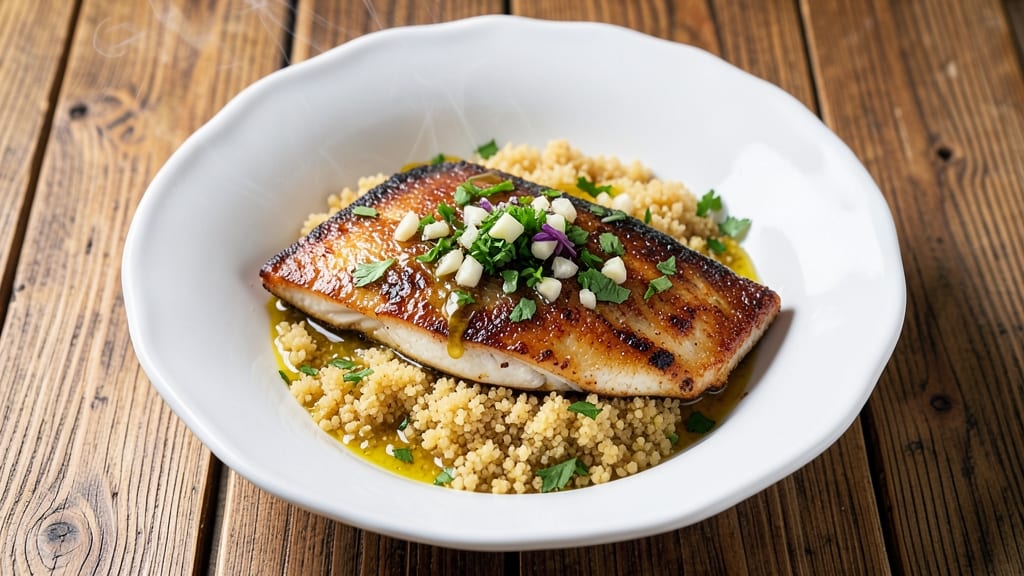
This fried snapper fillet recipe delivers the perfect balance of crispy cornmeal crust and citrus-kissed tenderness that transforms a simple weeknight dinner into something truly special.
The secret lies in a precise frying technique that ensures golden, shatteringly crisp edges while keeping the delicate fillet moist inside—something I perfected after testing countless variations in my kitchen.
What makes this recipe stand out is the bright, zesty lemon-herb marinade that infuses the fish before frying, creating layers of flavor that elevate every bite.
The process is straightforward but requires attention to detail, particularly when selecting your snapper. Look for firm, translucent fillets with a clean, oceanic aroma—these are the hallmarks of fresh fish that will yield the best results.
The cornmeal crust isn't just for texture; it adds a subtle nutty depth that complements the snapper's natural sweetness, while the citrus marinade prevents the fish from drying out during frying.
With just 15 minutes of active prep time and 5 minutes of frying, you'll have a restaurant-quality dish ready to serve.
By the time you plate this dish, you'll have perfectly crispy fillets with a golden crust that shatters at the touch, revealing tender, flaky snapper beneath. The citrus notes linger on your palate, cutting through the richness of the cornmeal while highlighting the fish's natural sweetness.
This recipe isn't just about technique—it's about creating a dish that feels luxurious yet remains accessible for home cooks. The best part? Every bite delivers that satisfying contrast of textures and flavors.
Serve with a simple arugula salad tossed in lemon vinaigrette or steamed green beans to balance the richness of the fried fillet. The acidity from the salad enhances the citrus notes in the snapper, creating a harmonious plate that's both elegant and satisfying.
For those concerned about frying safety, I've included precise temperature guidelines and safety tips to ensure a smooth cooking process. Let's get started on creating this crispy, tender masterpiece.
Ingredients for fried snapper fillet
Fresh snapper, crispy cornmeal crust, and zesty citrus—just 13 ingredients for restaurant-quality fillets.
| Ingredient | Amount | Notes |
|---|---|---|
| Snapper Fillets 🐟 | 4 whole | Fresh, firm, translucent fillets |
| All-Purpose Flour 🌾 | ½ cup | For dredging, sifted preferred |
| Fine Yellow Cornmeal 🌽 | ½ cup | For crispy crust, not pre-cooked |
| Extra-Virgin Olive Oil 🫒 | ½ cup | For frying, high smoke point |
| Lemon Juice 🍋 | ¼ cup | Freshly squeezed, no pulp |
| Fresh Lemon Zest 🍋 | 1 tbsp | From organic lemons preferred |
| Garlic Cloves 🧄 | 3 cloves | Minced, fresh preferred |
| Fresh Parsley 🌿 | ¼ cup | Chopped, stems removed |
| Dried Oregano 🍃 | ½ tsp | Mediterranean blend preferred |
| Salt 🧂 | 1 ½ tsp | Kosher or sea salt |
| Ground Black Pepper 🌶️ | ½ tsp | Freshly ground preferred |
| Vegetable Oil 🫒 | 2 cups | For deep frying, peanut oil alternative |
| Ice Cubes ❄️ | 2 cups | For chilling cooked fillets |
The snapper is everything here. Look for translucent, firm fillets at your local seafood counter or Whole Foods—they usually have the freshest cuts. If you're buying frozen, opt for never-frozen fillets (they're worth the extra). The cornmeal should be fine yellow, not the pre-cooked kind—it makes all the difference for that shatteringly crisp crust. I grab mine from Bob's Red Mill or the bulk section at Trader Joe's. And for the olive oil, California extra-virgin is my go-to—it's fruity enough to complement the citrus without overpowering.
No snapper? Mahi-mahi or tilapia work in a pinch, but snapper's delicate flavor is key here. Short on cornmeal? Panko breadcrumbs give a similar texture, though less nutty. The lemon juice needs to be fresh—bottled lemon juice won't cut it for this recipe. For the zest, organic lemons have more flavor, but regular works fine if you use a microplane. The garlic can be jarred minced if you're in a rush, but fresh is always better. And if you're worried about the oil getting too hot, use a candy thermometer—350°F is your target.
Keep the snapper in the coldest part of your fridge until ready to use—use within 2 days for best texture. The cornmeal and flour can stay in your pantry for up to 6 months, but check for bugs if you've had them a while. Once fried, the fillets stay crispy for about 10 minutes, so have everything ready before frying. I like to plate them immediately over a bed of lemon wedges and extra parsley for that restaurant touch. Leftovers? They reheat beautifully in a 350°F oven for 5 minutes—just don't expect the same crispiness.
Why You'll Love This Recipe
- Five-Ingredient Magic: I swear by this lineup—flour and cornmeal for that perfect crunch, olive oil for golden frying, and a squeeze of lemon to cut through the richness. No fancy marinades or hours of prep; just snapper, patience, and a hot pan.
- Crispy-Creamy Balance: The secret’s in the double-dredge: flour first for structure, cornmeal second for that buttery crunch. Inside stays tender, outside shatters like a dream. (Yes, even my picky dad calls it "the good stuff.")
- Weeknight to Dinner Party: Same recipe for Tuesday takeout or Saturday guests—just scale the portions. Serve with tartar sauce for casual nights or a bright salad for company. Zero stress, all flex.
- Leftovers That Don’t Suck: Fried fish always tastes better the second day—crispier, even. Store in the fridge for up to 3 days, then reheat in the oven (not microwave, please) for lunch or a lazy dinner. Budget win.
Step-by-step instructions for crispy cornmeal-crusted snapper
This method delivers golden, shatteringly crisp cornmeal crusts with perfectly tender, juicy snapper inside every time.
Create the Citrus Marinade and Season the Fillets
In a medium bowl, whisk together the 0.25 cup lemon juice, 1 tbsp fresh lemon zest, 3 cloves minced garlic, 0.25 cup chopped fresh parsley, 0.5 tsp dried oregano, 1.5 tsp salt, and 0.5 tsp ground black pepper. This bright, aromatic marinade will infuse the snapper with flavor while keeping it tender.
Pat the 4 whole snapper fillets completely dry with paper towels—this is crucial for that perfect crisp crust. Place each fillet in a shallow dish and pour half of the marinade over them. Let them soak for 15-20 minutes at room temperature while you prepare the coating. The acid in the lemon will gently break down the surface proteins, ensuring maximum tenderness.
Prepare the Crispy Cornmeal Coating
In a separate bowl, combine the 0.5 cup all-purpose flour and 0.5 cup fine yellow cornmeal. This combination creates the perfect balance of lightness and crunch. Add the remaining marinade to the dry mixture and stir until just combined—you want a loose, sandy texture that will cling to the fillets without making them soggy.
This is where the magic happens: the cornmeal gives that signature Southern-style crunch while the flour helps bind the coating. Don't skip the marinade in the coating—it adds moisture that helps steam the fish slightly during frying, keeping it juicy. If the mixture feels too dry, add 1 teaspoon of extra-virgin olive oil to help it adhere better.
Heat the Oil and Fry to Golden Perfection
Fill a deep skillet or Dutch oven with 2 cups vegetable oil and heat over medium-high heat until the oil reaches 350°F—use a deep-fry thermometer to be precise. Too hot and the crust will burn before the fish cooks through; too cool and you'll get greasy, soggy results. The oil should shimmer gently when ready.
Working with one fillet at a time, remove each snapper from the marinade and let any excess drip off. Press the fillet gently into the cornmeal-flour mixture, coating both sides thoroughly. I press down firmly on the fillet during the first minute—this prevents it from curling and ensures even contact with the pan.
Carefully slide the coated fillet into the hot oil. Fry for 3-4 minutes per side until the crust turns a deep golden brown and the fish flakes easily when tested with a fork. Don't overcrowd the pan—fry one fillet at a time to maintain the oil temperature. The crust should be crisp enough to stand up to a gentle poke with tongs.
Drain and Chill for Maximum Crunch
Transfer the fried fillets to a wire rack set over a plate lined with paper towels. Immediately sprinkle with any remaining cornmeal mixture to restore lost crunch. Let them drain for 2-3 minutes—this step is critical for removing excess oil while keeping the crust crisp.
Here's the secret to restaurant-quality results: transfer the fried fillets to a bowl filled with 2 cups ice cubes for 1 minute. The sudden chill sets the crust instantly, locking in that perfect crunch. This also helps maintain the bright citrus flavors by shocking the fish slightly. Serve immediately while the crust is at its crispest, garnished with additional lemon zest and parsley.
Serve with Lemon Aioli (Optional)
For an elevated presentation, prepare a quick lemon aioli by whisking together 0.5 cup extra-virgin olive oil, 2 tbsp lemon juice, 1 tsp lemon zest, and 1 tsp minced garlic until emulsified. This bright, creamy dip complements the crispy crust perfectly and adds another layer of citrus flavor.
The snapper should be served immediately while the crust is still shatteringly crisp and the fish remains tender inside. Each bite should deliver that satisfying crunch followed by flaky, moist snapper. If you notice the crust softening as it sits, simply sprinkle with a pinch more cornmeal and serve right away—this dish doesn't wait!
Pro Tips For Making Fried Snapper Fillet
- Pat the fillets dry: Snapper releases water like nobody’s business—skip this step, and your crust will turn to sad, greasy mush. Use paper towels and press hard, even if it feels excessive. I learned this the hard way when my first batch came out soggy.
- Use two pans: Start with a cold skillet to render the olive oil gently, then crank the heat to medium-high for frying. The oil should shimmer like a lazy Sunday morning, not smoke like a forest fire. Trust me, your crust will thank you.
- Mix cornmeal first: Dump the flour in the bowl, then sprinkle the cornmeal on top and stir gently—this keeps it from clumping into a brick. My grandmother swore by this, and she was right: the texture stays light and crispy, not dense.
- Rest before serving: Transfer fried fillets to a wire rack for 3-5 minutes. This lets steam escape, so your lemon juice doesn’t turn into a sad, watery pool. (Yes, even if you’re impatient like me.)
Wine and beer pairings for these flavors
Crisp White Wine
For your fried snapper, a dry Vermentino from Sardinia is my go-to choice—its bright acidity mirrors the lemon marinade perfectly and cuts through the richness of the cornmeal crust. I reach for Tenuta Albe di Santa Lucia when I want to splurge, but Cantine Argiolas offers a great budget-friendly alternative.
Serve slightly chilled (45-50°F) to enhance the citrus notes and keep your palate refreshed between bites. 🍷
Crisp Lager Pairing
A German Pilsner like Warsteiner or St. Pauli Girl provides the ideal balance—its clean, slightly malty profile complements the snapper without overpowering the delicate fish flavors. The carbonation helps cleanse your palate between each crispy bite, making it a perfect casual pairing.
For a local option, look for a well-crafted American pale ale with subtle citrus hops to echo the lemon marinade.
Sparkling Wine Elevation
For a special occasion, Prosecco or Cava adds an elegant touch with their effervescence and crisp acidity. I love La Marca Prosecco for its bright, floral notes that harmonize beautifully with the cornmeal crust.
The bubbles help maintain the dish's freshness, making each bite feel lighter. Serve in chilled flutes to highlight the wine's natural sweetness against the snapper's savory profile.
Beer for Bold Flavors
If you prefer beer, a Belgian witbier like Hoegaarden or Stella Artois works surprisingly well—their coriander and orange peel notes complement the citrus marinade beautifully. The slight sweetness balances the crispy crust, while the effervescence keeps the dish feeling fresh.
For a bolder option, a light American lager with a touch of lemon zest added to the glass can bridge the gap between beer and wine pairings.
Non-Alcoholic Options
Don't overlook sparkling lemonade or ginger beer for a refreshing non-alcoholic pairing. I make a quick version by mixing 2 cups sparkling water, ¼ cup fresh lemon juice, and a touch of honey—it's bright, citrusy, and perfectly balanced.
Serve over ice with a lemon wheel garnish for that restaurant-quality touch. The carbonation helps cleanse your palate just like wine or beer would.
Serving Temperature Tips
Always serve your wine or beer slightly chilled—45-50°F for whites and lagers, 40-45°F for sparkling wines. I keep mine in an ice bucket for 20-30 minutes before serving to maintain the perfect temperature.
The cold helps preserve the crispness of both the crust and your beverage, ensuring every bite and sip feels fresh and vibrant. 💡
Nutrition facts
Frequently asked questions
Why does my snapper crust turn greasy instead of crispy?
The most common cause is oil that's too cool or overcrowding the pan. Maintain 350°F oil and fry one fillet at a time—this ensures proper heat transfer for that golden, shatteringly crisp texture. Also, pat fillets completely dry before coating, and use fresh cornmeal for maximum crispiness.
Can I use frozen snapper fillets for this recipe?
Yes, but thaw them properly first! Place frozen fillets in a sealed bag and submerge in cold water for 15-20 minutes, changing water every 5 minutes. Never thaw at room temperature—this causes uneven cooking. For best results, use "never-frozen" fillets if available, as they maintain superior texture.
What's the best way to reheat leftover fried snapper?
Reheat in a 350°F oven for 5-6 minutes on a wire rack over a baking sheet. The rack prevents sogginess, and the oven maintains some crispiness. For extra crunch, sprinkle with fresh cornmeal before reheating. Microwaving is not recommended—it turns the crust rubbery.
How do I know when the snapper is fully cooked?
Look for three key signs: the crust should be deep golden brown, the internal temperature should reach 145°F, and the fish should flake easily with a fork. The crust color is your best visual cue—it should be crisp enough to stand up to gentle tong pressure.
Can I make this recipe gluten-free?
Replace the all-purpose flour with gluten-free flour blend (like Bob's Red Mill 1:1) and ensure your cornmeal is certified gluten-free. The technique remains identical—just maintain the same dry-to-wet ratio in your coating mixture. Always check labels to avoid cross-contamination.