
Appetizers
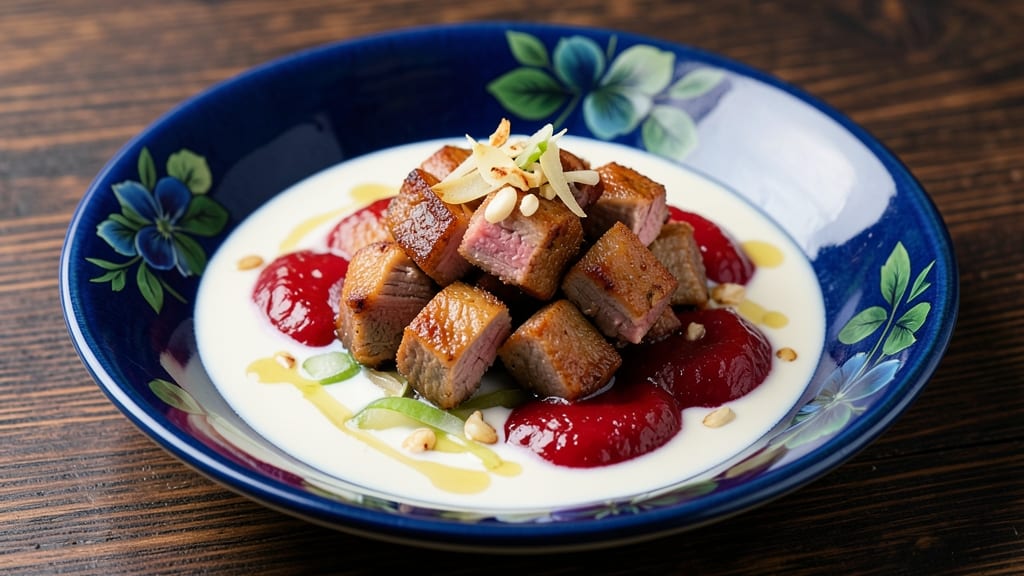
This goat salan recipe transforms tender goat meat into a rich, velvety masterpiece with just 30 minutes of hands-on time—perfect for special occasions or weeknight dinners.
The secret lies in slow-braising the meat with tomatoes, coconut milk, and aromatic herbs until it melts in your mouth, creating a dish that’s both comforting and elegant.
I first discovered this recipe during a trip to the Philippines, where it’s a staple in family gatherings, and it’s since become a favorite in my kitchen for its depth of flavor and creamy texture.
The beauty of this dish is its simplicity: just a few key ingredients—goat meat, tomatoes, coconut milk, and fresh herbs—work together to create a sauce that’s both creamy and tangy.
The goat is marinated in a blend of vinegar and spices, which tenderizes it perfectly, while the tomatoes and coconut milk form a luscious, slightly sweet sauce that coats every bite.
It’s a dish that feels indulgent but comes together quickly, making it ideal for those who want restaurant-quality results without spending hours in the kitchen.
By the time you’re done, you’ll have a pot of goat salan that’s rich, aromatic, and deeply satisfying—each bite offering a perfect balance of tender meat, creamy sauce, and bright herbs.
The sauce will be thick enough to coat the back of a spoon but still silky smooth, with just the right amount of acidity from the tomatoes to cut through the richness.
Serve it with steamed rice or crusty bread to soak up every last drop of that flavorful sauce, and you’ll have a meal that feels like a celebration.
This recipe is incredibly versatile, too. You can adjust the heat level to suit your taste, add extra vegetables like potatoes or eggplant for heartiness, or even swap the goat for chicken if you prefer. It’s the kind of dish that gets better with leftovers, as the flavors deepen overnight.
Whether you’re cooking for a crowd or treating yourself to a special dinner, this goat salan delivers on both comfort and sophistication.
Ingredients for goat salan
Just 13 ingredients transform simple goat meat into this creamy, aromatic masterpiece.
| Ingredient | Amount | Notes |
|---|---|---|
| Goat Meat 🐐 | 1 ½ lb | Cut into 1-inch cubes |
| Canned Tomatoes 🍅 | 14 ½ oz | San Marzano preferred |
| Coconut Milk 🥥 | 13 ½ oz | Full-fat for creaminess |
| White Vinegar 🍶 | ¼ cup | For marinade |
| Garlic Cloves 🧄 | 6 cloves | Minced for marinade |
| Fresh Ginger 🌿 | 1 tbsp | Grated, fresh preferred |
| Bay Leaves 🍃 | 2 whole | Dried, for braising |
| Fresh Cilantro 🌿 | ¼ cup | Chopped, for garnish |
| Fresh Green Onions 🧅 | 3 whole | Sliced, for garnish |
| Salt 🧂 | 1 ½ tsp | Kosher or sea salt |
| Ground Black Pepper 🌶️ | 1 tsp | Freshly ground preferred |
| Ground Cumin 🌿 | ½ tsp | Toasted for depth |
| Olive Oil 🫒 | 2 tbsp | For searing meat |
The goat meat is the star, so look for well-marbled cuts—ask your butcher for the tenderest pieces. Costco or specialty Asian markets usually carry it pre-cut, but if you're buying whole, ask for the shoulder or leg. Fresh ginger and garlic are non-negotiable here (frozen works in a pinch, but fresh makes all the difference). For the tomatoes, San Marzano cans are worth the splurge—they're sweeter and less acidic, perfect for balancing the coconut milk's richness. The cilantro and green onions should be bright green, not wilted, since they add that final fresh pop.
No goat meat? Chicken thighs work perfectly—they stay tender while braising. Swapping coconut milk? Heavy cream or half-and-half gives a similar richness, though the flavor will be more neutral. Ran out of fresh ginger? Ground ginger at half the amount works, but toast it first in a dry pan for 30 seconds to wake up the flavor. The canned tomatoes can be crushed by hand for texture, or leave them whole if you prefer bigger chunks. For extra depth, add a dash of soy sauce or fish sauce—trust me, it elevates everything.
This sauce gets better as it sits, so make extra—it reheats beautifully for up to 4 days in the fridge. For longer storage, freeze portions in ice cube trays, then transfer to a bag for 3 months. The meat stays tender when reheated gently, so add a splash of water or coconut milk if it looks dry. Serve with steamed rice to soak up that creamy goodness—leftovers make fantastic lunches the next day.
Why You'll Love This Recipe
- One-Pot Magic: I swear by this recipe because it’s all in one pot—no chopping boards, no extra pans. Just brown the goat, toss in the tomatoes and garlic, let it simmer, then fold in the coconut milk. The vinegar cuts through the richness while the tomatoes thicken it up. Done. That’s 30 minutes max, and my kitchen looks cleaner than my usual mess.
- Garlic Bomb: Between us, the garlic here isn’t just flavor—it’s the star. I crush those cloves right into the oil while the goat browns, and that nutty, sizzling aroma? It’s like a hug for your taste buds. The vinegar brightens it all, but it’s the garlic that makes you go, “Wait, how much did I eat?”—and then you eat more.
- Leftover Goldmine: This dish begs to be made in bulk. The flavors deepen overnight, so the next day, I’ll reheat a portion with a splash of water and a pat of butter—still rich, still tender. Honestly, I’ve had it for breakfast (yes, with rice), lunch, and dinner over three days. It’s my secret weapon for lazy mornings or when I forget to meal prep.
- Budget Feast: Goat meat is cheaper than chicken where I shop, and this recipe stretches it far. A single goat leg feeds four, and the canned tomatoes plus coconut milk keep costs low. I’ll be real: it’s not the prettiest dish, but the taste makes up for it—especially when you’re feeding a crowd and don’t want to break the bank. Plus, the vinegar keeps it from feeling heavy.
Step-by-step instructions for goat salan recipe
Here's how to create this rich, velvety goat stew with aromatic herbs and tomatoes.
Sear the Goat Meat for Deep Flavor
Heat the 2 tablespoons olive oil in a large, heavy-bottomed pot over medium-high heat until shimmering. Add the 1.5 pounds goat meat cut into 1-inch cubes, working in batches if needed to avoid crowding. Sear for 3-4 minutes per side until the meat develops a deep golden-brown crust and releases easily from the pan.
This searing step is crucial—it locks in juices and builds the foundation for rich flavors. You'll know it's ready when the meat releases from the pan with gentle pressure. Remove the seared meat and set it aside temporarily while you prepare the aromatic base.
Build the Aromatic Tomato Base
In the same pot, add 6 cloves minced garlic cloves and 1 tablespoon grated fresh ginger, cooking for 30 seconds until fragrant. Pour in the 14.5 ounces canned tomatoes, 0.25 cup white vinegar, 1.5 teaspoons salt, 1 teaspoon ground black pepper, and 0.5 teaspoon ground cumin. Stir well to combine, then add the 2 whole bay leaves. Bring the mixture to a gentle simmer over medium heat.
Let this base cook uncovered for 10 minutes while you stir occasionally. You're looking for the tomatoes to break down slightly and release their natural sweetness. The vinegar will help tenderize the meat while adding brightness to balance the richness. The bay leaves will infuse subtle earthy notes that complement the coconut milk later.
Simmer the Meat in the Tomato Sauce
Return the seared goat meat to the pot, spooning the tomato mixture over the top to coat everything evenly. Reduce the heat to low and cover partially with a lid. Let the mixture simmer gently for 15 minutes, stirring occasionally. The meat should become tender while absorbing all those wonderful flavors.
Here's where the magic happens—the meat will release its natural juices into the tomato base, creating a complex flavor foundation. You'll notice the sauce starts to thicken slightly as it simmers, which is perfect for when we add the coconut milk. If the sauce gets too thick before the meat is tender, add 2-3 tablespoons water to maintain the right consistency.
Add Coconut Milk for Creamy Texture
Pour in the 13.5 ounces full-fat coconut milk and stir gently to combine. Increase the heat to medium-low and let the mixture simmer uncovered for another 10-12 minutes. The coconut milk will create that signature creamy texture while infusing the dish with subtle sweetness that balances the acidity from the tomatoes.
This is where you'll achieve that luxurious creaminess promised in the title. You'll know it's ready when the sauce coats the back of a spoon and the goat meat is fork-tender, easily falling apart when pierced with a fork. The coconut milk should be fully incorporated, creating a velvety consistency that clings beautifully to the meat.
Finish and Garnish for Freshness
Remove the pot from heat and let it rest for 5 minutes. Discard the 2 bay leaves, then stir in the 0.25 cup chopped fresh cilantro and 3 sliced fresh green onions. This final step adds vibrant freshness that cuts through the richness of the coconut milk and balances the dish.
Taste and adjust seasoning if needed—you might want to add a pinch more salt or a dash of black pepper to enhance the flavors. Serve immediately in warm bowls, garnished with additional cilantro and green onions if desired. The creamy sauce should coat the meat beautifully, creating a luxurious eating experience that's perfect for any special occasion.
Pro Tips For Making Goat Salan
- Brown the Meat First: Don’t skip the deep sear—cut goat into 2-inch chunks, then brown them in oil over medium-high heat until they release fat and turn golden. I learned this the hard way: skipping this step leaves the dish tasting raw and dull, no matter how long you simmer.
- Blend Your Tomatoes: Drain the canned tomatoes, then blend them with a splash of vinegar and garlic until smooth. This avoids chunky bits and lets the sauce thicken properly. (Yes, even if you’re in a hurry—it’s worth the 30 seconds.)
- Simmer, Don’t Boil: Once the coconut milk is added, keep the heat low enough to see tiny bubbles at the edges—never a full rolling boil. After burning two batches, I finally got it: high heat curdles the coconut milk faster than you can say “disaster.”
- Add Vinegar Last: Stir in the white vinegar only in the final 5 minutes—this brightens the flavors without making the coconut milk separate. (I used to add it early and wondered why the dish tasted flat.)
Troubleshooting this recipe
Meat Too Tough?
If your goat meat isn't tender enough after simmering, it likely needs more time or acidity. First, check the cut—goat shoulder or leg should be used, as these are more tender.
If the meat still feels tough, add 1 tablespoon more white vinegar to the sauce and simmer uncovered for another 15-20 minutes. The acidity helps break down collagen. For extra insurance, I recommend using a meat thermometer—goat is done at 195°F internal temperature. 🌡️
Sauce Too Thin?
The sauce can thin out if the coconut milk separates or if too much liquid was added earlier. To fix this, remove the lid and simmer uncovered for 5-10 minutes to reduce excess moisture.
If the sauce is still too thin, mix 1 tablespoon cornstarch with 2 tablespoons cold water, stir into the sauce, and simmer for 2-3 minutes until thickened. For a more traditional approach, simmer longer without adding starch—the sauce will naturally thicken as it reduces.
Sauce Too Thick?
If your sauce is too thick and clings to the pot, it’s likely because the coconut milk didn’t fully incorporate or the tomatoes reduced too much. Add 2-3 tablespoons warm water or coconut milk and stir gently to loosen the sauce.
For a smoother texture, use an immersion blender to blend about half the sauce, then stir it back in. This creates a velvety consistency without thinning the entire dish too much. 🥥
Flavor Too Mild?
If your goat salan lacks depth, it might need more aromatic spices or acidity. Boost the flavor by adding 1 teaspoon fish sauce or soy sauce and ½ teaspoon smoked paprika. Let it simmer for 5 minutes to meld the flavors.
For extra brightness, add 1 tablespoon more vinegar or a pinch of red pepper flakes if you like heat. Fresh herbs like cilantro or basil can also elevate the dish right before serving.
Coconut Milk Curdling?
Coconut milk can separate if the sauce is too acidic or if it’s heated too quickly. To prevent this, always add the coconut milk gradually while stirring gently. If it starts to curdle, whisk in 1 tablespoon cornstarch mixed with 2 tablespoons water to stabilize it.
For a smoother texture, strain the sauce through a fine-mesh sieve before serving. This removes any lumps while keeping the creamy consistency. 💡
Leftovers Too Dry?
Goat salan reheats best with a little extra moisture. To revive leftovers, add 2-3 tablespoons water or coconut milk and simmer gently for 5-7 minutes on low heat. Avoid microwaving, as it can make the sauce grainy.
For extra richness, stir in a splash of heavy cream or a pat of butter. The sauce should be silky and cling to the meat, not dry or separated.
Nutrition facts
Frequently asked questions
What makes goat salan different from regular goat curry?
The key difference lies in the sauce base and acidity. Goat salan uses a tomato-coconut milk blend with white vinegar for brightness, creating a velvety, slightly tangy sauce. Traditional goat curry often relies on yogurt or more coconut milk without the vinegar's acidity, resulting in a richer but less balanced flavor. The herbs and spices are also more aromatic in salan, with bay leaves and fresh ginger playing starring roles.
Can I substitute goat meat with chicken or beef?
For chicken, use bone-in thighs (they stay juicier) and reduce simmering time to 10-12 minutes after adding coconut milk. Beef works too, but cut it into smaller pieces and simmer for 20-25 minutes total. The cooking time adjusts based on meat density—goat needs the longest braise due to its connective tissue. Just ensure the meat reaches 165°F internally for safety.
How do I know when the goat meat is tender enough?
Use a fork to pierce the largest piece—the meat should feel fork-tender (easily shredding but not falling apart). For extra precision, insert a meat thermometer into the thickest piece—goat is done at 195°F. If it's still tough after 30 minutes total simmering, add 1 tbsp vinegar and cook another 10 minutes uncovered. The sauce should coat the meat smoothly, not cling like glue.
Can I make this dish in a slow cooker?
Yes! Brown the meat first in a skillet, then transfer everything to the slow cooker. Cook on LOW for 6-7 hours or HIGH for 3-4 hours, adding the coconut milk in the last 30 minutes to prevent curdling. The slow cooker's gentle heat ensures tender meat without monitoring. For best results, stir once halfway through and adjust seasoning at the end—slow cooking can dilute flavors slightly.
What sides pair best with goat salan?
Steamed jasmine rice is the classic choice—it soaks up the creamy sauce beautifully. For a lighter option, serve with garlic naan or crusty bread. Add a side of pickled vegetables (like cucumbers or carrots) for acidity to cut through the richness. A simple green salad with lemon dressing also balances the dish perfectly.