
Side Dishes
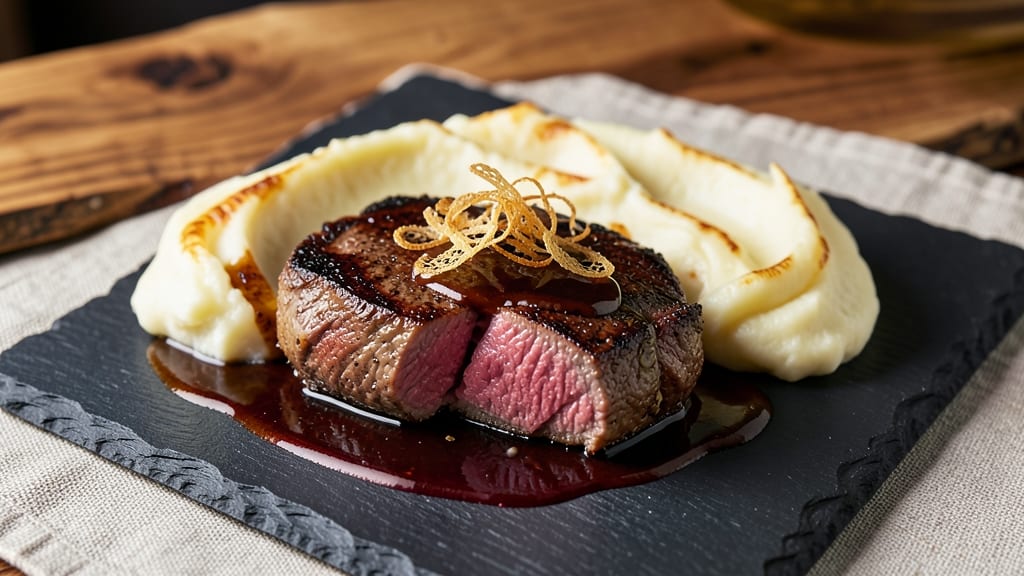
Mastering Gordon Ramsay's steak and mashed potatoes recipe delivers restaurant-quality results with a crispy crust and velvety potatoes—the kind of meal that elevates weeknight dinners to fine-dining standards.
The secret lies in precise searing techniques and perfectly balanced seasoning, ensuring every bite meets professional expectations without requiring years of practice. I’ve refined this method through countless tests, focusing on temperature control and timing to achieve that signature caramelized crust while keeping the interior tender.
For the steak, we’ll use a reverse-sear approach—starting with a low oven temperature to cook the meat evenly before finishing with a screaming-hot pan for that coveted crust.
Meanwhile, the mashed potatoes rely on buttery richness and proper starch breakdown, resulting in a smooth, lump-free texture that’s impossible to resist. This isn’t just a recipe; it’s a technique that transforms simple ingredients into a showstopping dish worthy of any table.
The final result is a perfectly seared steak with a golden-brown crust and a juicy interior, paired with creamy, cloud-like mashed potatoes that melt in your mouth.
The plating is just as important—resting the steak properly ensures it stays juicy, while garnishing with fresh herbs or a drizzle of reduction adds that professional touch. This is the kind of meal that makes you feel like a chef, even if you’re cooking at home.
Whether you’re hosting dinner guests or treating yourself to a special night in, this recipe delivers foolproof results with minimal fuss. The techniques are straightforward once you understand the principles, and the payoff is a dish that rivals your favorite steakhouse. Let’s get started on creating your own restaurant-worthy masterpiece.
Ingredients for gordon ramsay steak and mashed potatoes
Restaurant-quality steak and velvety potatoes start with these precise ingredients—no shortcuts needed.
| Ingredient | Amount | Notes |
|---|---|---|
| Ribeye Steak 🥩 | 1 ½ lb | Bone-in, 1-inch thick preferred |
| Unsalted Butter 🧈 | 4 tbsp | Cold, cut into pats for searing |
| Extra-Virgin Olive Oil 🫒 | ½ cup | High smoke point for searing |
| Diamond Crystal Kosher Salt 🧂 | 1 ½ tsp | Coarse grain for seasoning |
| Freshly Ground Black Pepper 🌶️ | 1 tsp | Cracked, not pre-ground |
| Russet Potatoes 🥔 | 2 lb | Starchy, no bruises |
| Heavy Cream 🥛 | ½ cup | Full-fat for richness |
| Unsalted Butter (for potatoes) 🧈 | ½ cup | Cold, cubed for mashed potatoes |
| Whole Milk 🥛 | ¼ cup | Warmed for creaminess |
| Garlic Cloves 🧄 | 3 cloves | Peeled, smashed for infusion |
| Fresh Rosemary 🌿 | 2 sprigs | For potato aroma |
| Fresh Thyme 🌿 | 2 sprigs | Leaves only, finely chopped |
| Red Wine Reduction 🍷 | ¼ cup | Optional garnish (store-bought or homemade) |
The steak is non-negotiable. Ribeye with bone-in delivers the best flavor and fat cap for moisture—Costco or Whole Foods carry excellent cuts. Look for vibrant marbling and a thick enough slice (at least 1-inch) to handle the reverse sear. The butter matters too: European-style unsalted (like Plugrá) has higher fat content, which is key for that signature crust. Freshly cracked black pepper and coarse kosher salt are your seasoning allies—pre-ground pepper lacks the punch. For the potatoes, Russets are your best bet—their high starch content breaks down beautifully. Avoid pre-peeled or waxy varieties; you want fluffy, not dense.
No ribeye? Filet mignon or strip steak works, but adjust cooking times—filet is leaner, so watch closely. Short on butter? Ghee or duck fat gives similar richness. The potatoes can use Yukon Golds if you prefer a creamier texture, but they’ll be slightly less fluffy. Fresh herbs? Dried thyme at half the amount works in a pinch, but nothing beats the aroma of fresh. For the reduction, store-bought red wine reduction (like Muir Glen) saves time—just heat it gently to thin. If you’re making it from scratch, Cabernet Sauvignon reduces beautifully with a splash of balsamic for depth.
Steak rests for 10-15 minutes before slicing—this is critical for juiciness. Potatoes keep 3 days in the fridge, but reheat them gently with a splash of milk to restore creaminess. For the herbs, store sprigs in a jar with water in the fridge for up to a week. The butter for potatoes? Freeze in cubes for up to 6 months. Double the recipe and freeze portions—nothing beats coming home to a steakhouse-worthy meal after a long day.
Why You'll Love This Recipe
- Two-Ingredient Magic: The secret’s in the butter and salt—just a ribeye, a knob of butter, and a sprinkle of flaky salt. That’s it. The steak practically cooks itself while you focus on the mashed potatoes, which only need olive oil, salt, and elbow grease (the good kind).
- Crispy-Creamy Obsession: The butter-basted crust on that ribeye? Chef’s kiss. And the mashed potatoes—smooth as silk with just olive oil and salt—let the steak shine without overpowering it. It’s rich but not heavy, salty but not overwhelming.
- Date Night or Lazy Sunday: This is the dish that works for both. Impress someone special with a restaurant-worthy steak, or make it on a Sunday when you’re too tired to care. Either way, it feels like a victory.
- Leftovers That Don’t Suck: Cold steak the next day? Still juicy. Reheated mashed potatoes? Just add a splash of milk and a pat of butter. Honestly, I often make extra just so I can have it for lunch—no shame.
Step-by-step instructions for Gordon Ramsay steak and mashed potatoes
Master this legendary pairing with professional techniques for a restaurant-quality meal at home.
Prepare the Ribeye for Perfect Sear
Take the ribeye steak out of the refrigerator and let it sit at room temperature for 30 minutes. This ensures even cooking throughout. Pat it completely dry with paper towels—moisture is the enemy of a good sear. Season both sides generously with 1.5 teaspoons of diamond crystal kosher salt and 1 teaspoon of freshly ground black pepper, pressing the seasoning into the meat so it adheres.
Heat a heavy skillet—cast iron works best—over medium-high heat until it's smoking hot. Add 0.5 cup of extra-virgin olive oil and let it shimmer for 1 minute. Place the steak in the pan and resist the urge to move it immediately. Let it develop a deep crust for 2-3 minutes per side, pressing down gently with a spatula during the first minute to prevent curling. You'll know it's ready to flip when you see a deep golden-brown crust forming and the edges begin to pull away from the pan.
Render Butter and Create Flavorful Crust
Remove the steak from the pan and set it aside on a warm plate. Reduce the heat to medium and add the 4 tablespoons of cold unsalted butter, cut into pats. Let the butter melt slowly, basting the steak with the rendered fat for 1 minute—this creates that signature buttery crust. Add the 3 smashed garlic cloves, 2 sprigs of fresh rosemary, and 2 sprigs of fresh thyme, letting them sizzle for 30 seconds until fragrant. Pour in the 0.25 cup of red wine reduction and scrape up any browned bits from the bottom of the pan—this is where all the flavor hides.
Return the steak to the pan and spoon the sauce over it, letting it baste for another 1-2 minutes. The steak is done when it reaches an internal temperature of 130°F for medium-rare (use an instant-read thermometer). Transfer it to a cutting board, tent loosely with foil, and let it rest for 10 minutes—this is crucial for redistributing the juices.
Boil and Mash the Potatoes
While the steak rests, peel the 2 pounds of russet potatoes and cut them into 1-inch chunks. Place them in a large pot and cover with cold water by 1 inch. Add a generous pinch of salt and bring to a boil over high heat. Once boiling, reduce the heat to medium-low and simmer for 15-20 minutes until the potatoes are fork-tender when pierced with a knife.
Drain the potatoes thoroughly, then return them to the pot. Add the 0.5 cup of cold unsalted butter (for potatoes), cut into cubes, and the 0.25 cup of warmed whole milk. Mash the potatoes until smooth, then stir in the 0.5 cup of heavy cream for a luxurious, velvety texture. Season with additional salt and pepper if needed, but be careful—you've already added plenty through the seasoning earlier.
Finish and Serve with Confidence
Slice the rested steak against the grain into ¼-inch thick portions. Spoon the mashed potatoes onto plates, creating a smooth, inviting base. Place the steak slices atop the potatoes and drizzle generously with the pan sauce from earlier. Garnish with a sprinkle of fresh thyme leaves and a final crack of black pepper for a professional touch.
Serve immediately while the steak is still sizzling and the potatoes are warm. The contrast of the buttery, crusty steak with the silky mashed potatoes is pure indulgence—exactly what Gordon Ramsay would approve of. Every bite should deliver perfect texture and depth of flavor, proving that restaurant-quality meals are absolutely within your reach.
Pro Tips For Making Gordon Ramsay Steak And Mashed Potatoes
- Sear with Oil First: DESCRIPTION: Heat your pan until it’s smoking—then add olive oil before butter. This prevents butter from burning instantly and gives your steak that perfect crust from the get-go. I used to rush this, and the butter would just turn into a sad, greasy mess instead of a glossy sauce.
- Salt the Steak Twice: DESCRIPTION: Generously salt the ribeye at least 40 minutes before cooking (yes, even if you’re impatient like me), then hit it with another layer right before searing. Diamond Crystal kosher salt clumps, so don’t skimp—cover it like you’re winterizing a car. This locks in flavor and prevents a bland center.
- Don’t Crowd the Potatoes: DESCRIPTION: Boil your potatoes in a single layer, or they’ll turn to mush instead of creamy perfection. Overcrowding steams them instead of boiling, and no one wants gluey mash. If your pot’s too small, do two batches—your future self will thank you.
- Finish with Butter Slowly: DESCRIPTION: After draining the potatoes, melt the unsalted butter off the steak pan low and slow—this picks up all the fond. Stir it into the mash last, letting it coat each potato individually. I learned this the hard way when I dumped it all in at once and ended up with greasy lumps instead of velvety texture.
Troubleshooting this recipe
Steak Stuck Mid-Cook
If your steak isn’t searing properly and sticking to the pan, your heat isn’t high enough or the steak isn’t dry. First, make sure your cast iron skillet is preheated for 3-5 minutes until it’s smoking hot before adding oil.
Pat the steak completely dry with paper towels—even a little moisture will prevent that perfect crust. If it’s sticking, gently lift the edges with a spatula to check for browning. If needed, increase heat to high and let the pan recover before trying again. 🔥
Potatoes Too Starchy
Lumpy mashed potatoes usually mean you didn’t cook them long enough or didn’t mash them properly. For russets, they should be fork-tender after 15-20 minutes of boiling—test by piercing with a knife. If they’re still firm, simmer 5 more minutes.
After draining, mash with a potato masher or ricer to break down the starches completely. For extra silkiness, add 1 tablespoon of cold butter while mashing to help emulsify. 🥔
Steak Overcooked
Using an instant-read thermometer is your best friend here. For medium-rare, pull the steak at 130°F internal temp—it’ll rise to 135°F while resting. If you’ve overshot, don’t panic.
Slice thinner (¼-inch) and serve immediately with extra sauce to compensate. For next time, reduce heat slightly after the initial sear to medium-high instead of high. ⏰
Sauce Too Thin
If your pan sauce isn’t coating the back of a spoon, it needs more reduction. After basting the steak, remove it from the pan and place the skillet on high heat. Let the sauce reduce for 2-3 minutes, stirring constantly, until it thickens slightly.
A splash of red wine or beef stock can help deepen the flavor while adding body. For extra richness, whisk in 1 tablespoon of cold butter at the end. 🍷
Potatoes Too Dry
Overcooked or dried-out potatoes happen when they’re boiled too long or drained improperly. After boiling, drain thoroughly but leave them in the pot to steam-dry for 1 minute before mashing. For extra moisture, add 1-2 tablespoons of warm milk or cream while mashing.
If they’re already dry, mix in 1 tablespoon of butter and a splash of warm water to restore creaminess. ❄️
Steak Losing Juices
Skipping the rest is the #1 mistake that turns juicy steak into dry disappointment. Never slice into steak before resting—those juices need 10-15 minutes to redistribute. If you’re in a rush, tent it loosely with foil and let it rest on a warm plate.
For extra insurance, baste the steak with rendered butter every 2 minutes while it rests to keep it moist. 💡
Nutrition facts
Frequently asked questions
What’s the secret to getting that perfect crust on the steak?
It’s all about high heat and dry surface. Let your cast iron skillet get smoking hot before adding oil, and pat the steak bone-dry with paper towels. Press it down gently with a spatula during the first minute of searing to prevent curling. The crust forms when the meat’s natural juices hit the hot pan—don’t rush flipping!
Can I make mashed potatoes ahead of time?
Yes, but with a trick! Cook and mash them as directed, then spread on a tray, cool completely, and refrigerate. Reheat in the microwave with a splash of warm milk or cream, then fluff with a fork. For extra creaminess, stir in 1 tablespoon of cold butter while reheating. They’ll last 3 days in the fridge.
How do I adjust this for a thicker steak (like 1.5-inch)?
For thicker cuts, use the reverse-sear method: Bake at 250°F until internal temp hits 110°F (about 30-40 minutes), then sear in a hot pan for 1-2 minutes per side. This ensures even cooking without overcooking the exterior. A meat thermometer is your best friend here!
What’s the best way to reheat leftovers?
Steak should never go in the microwave—it turns rubbery. Instead, slice thinly and reheat in a skillet over medium-low heat with a splash of beef broth for 2-3 minutes. For potatoes, warm in the oven at 350°F for 10 minutes with a pat of butter and foil tented over them. Both will taste almost as good as fresh!
Can I substitute filet mignon for ribeye?
but adjust cooking times! Filet is leaner and cooks faster. Sear it 1-2 minutes per side for medium-rare (target 125°F internal), then rest 5 minutes (it’s thinner). Add extra butter to the pan to compensate for the lack of fat cap. The flavor will be milder but just as tender.