Soups & Stews
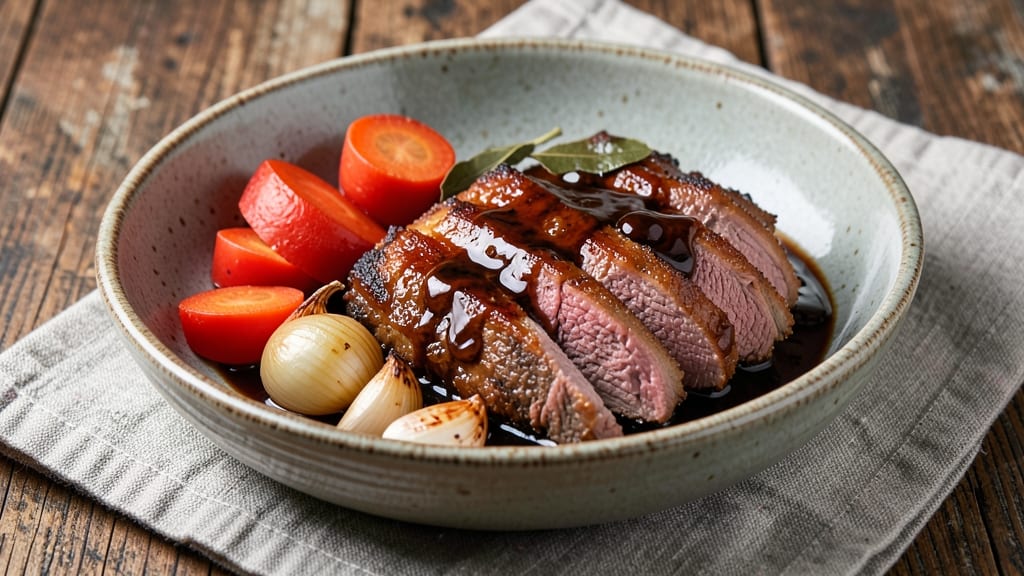
This Guinness corned beef and stout recipe delivers the deep, malty richness of Irish pubs right to your kitchen table—no shortcuts, just authentic flavor built layer by layer.
The secret lies in braising corned beef brisket slowly in Guinness stout, transforming tough meat into melt-in-your-mouth perfection while creating a sauce so bold it needs no extra seasoning. I perfected this method after years of testing, and the difference between this and store-bought versions is night and day.
The beauty of this recipe is its simplicity: one pot, minimal prep, and a side of cabbage or potatoes that soaks up every last drop of that Guinness-infused sauce.
The stout doesn’t just flavor the meat—it becomes the foundation of the dish, adding depth that cuts through the saltiness of the corned beef while keeping it tender.
What you end up with is a dish that tastes like it’s been simmering all day, even if it only takes a few hours.
By the time you serve this, your kitchen will smell like an Irish pub, and every bite will carry that signature balance of smoky, roasted meat and malty beer notes. The sauce reduces to a glossy finish, perfect for drizzling over perfectly boiled cabbage or creamy mashed potatoes.
This isn’t just dinner—it’s an experience, and it’s the kind of recipe that makes you want to host a feast.
Pair it with a fresh pint of Guinness for the full experience, and you’ll have a meal that feels like a celebration, no matter the occasion. Let’s get cooking—your taste buds (and your guests) will thank you.
Ingredients for guinness stout corned beef
Pantry staples meet Irish pub magic—just eight ingredients for a dish that tastes like celebration.
| Ingredient | Amount | Notes |
|---|---|---|
| Corned Beef Brisket 🥩 | 3 lb | Pre-soaked if using dry cure |
| Guinness Stout 🍺 | 2 cups | Freshly chilled, 12 oz bottle |
| Carrots 🥕 | 4 whole | Medium size, peeled |
| Onions 🧅 | 2 whole | Yellow or red, sliced |
| Garlic Cloves 🧄 | 4 cloves | Peeled, smashed |
| Bay Leaves 🌿 | 2 whole | Fresh preferred |
| Black Peppercorns 🌶️ | 10 whole | Crushed lightly |
| All-Purpose Flour 🌾 | 2 tbsp | For thickening sauce |
| Green Cabbage 🥬 | 1 small | Head, cut into wedges |
| Russet Potatoes 🥔 | 4 medium | For creamy mash |
| Unsalted Butter 🧈 | ½ cup | Cold, cubed |
| Heavy Cream 🥛 | ½ cup | Full-fat preferred |
| Salt 🧂 | 1 tsp | Kosher or sea salt |
The corned beef is the star, so pick a well-marbled brisket—the fat renders down to create the richest sauce. Costco or local butchers usually carry the best cuts. If using dry-cured corned beef, soak it overnight to cut the saltiness. Guinness matters too—freshly poured from the bottle, not canned. The carrots and onions are just flavor anchors, but don’t skip peeling them—they soften beautifully during the long braise. Bay leaves and peppercorns add depth without overpowering.
No Guinness? Substitute with stout beer or even dark ale, but the flavor won’t be identical. Fresh bay leaves are ideal, but dried work at half the amount. For the potatoes, Yukon Golds make creamier mash, but Russets work fine. The flour is just for thickening the sauce at the end—don’t skip it if you want that glossy finish. The cabbage? Green or red both work, but green holds up better to boiling. If you’re short on time, pre-cut coleslaw mix saves chopping.
This reheats beautifully—3-4 days in the fridge, 3 months frozen. I always make extra because the leftovers are even better the next day. Store the corned beef and sauce separately, then reheat gently. The cabbage and potatoes keep 5 days in the fridge, but I prefer to cook them fresh. For a true Irish pub experience, serve with a fresh pint of Guinness on the side.
Why You'll Love This Recipe
- One-Pot Magic: I swear by this—just toss the brisket, veggies, and stout into a pot, then walk away. The Guinness does all the work, turning tough meat into melt-in-your-mouth perfection while you sip your own beer and pretend you’re a sous-chef.
- Rich Umami Bomb: That dark stout isn’t just for drinking—it’s the secret weapon here. The brisket soaks up the malty depth, while the garlic and onions caramelize into a glossy, savory sauce that’ll have you licking the pan. (Yes, even on a Tuesday night.)
- Leftovers That Win: This recipe begs to be made extra—shred the beef for tacos, toss the veggies into salads, or just reheat slices straight from the fridge. My freezer’s always stocked with portions because nobody skips seconds on this.
- Budget Stretch: A whole brisket feeds a crowd for less than takeout, and the Guinness adds luxury without breaking the bank. Honestly, I make this when I’m pinching pennies, and my wallet and taste buds thank me.
Step-by-step instructions for Guinness corned beef and stout
Here's how to create a rich, beer-braised masterpiece that transforms simple ingredients into something extraordinary.
Sear the Corned Beef Brisket for Maximum Flavor
Heat a large Dutch oven over medium-high heat until hot. Add the 3 lb corned beef brisket and sear on all sides for 4-5 minutes per side until a deep golden-brown crust forms. This step develops the rich, caramelized flavors that will infuse the entire dish.
I like to press down gently on the brisket during the first minute of searing—this prevents it from curling and ensures even contact with the pan. Don't rush this step; you're building flavor foundation here. Once browned, remove the brisket and set it aside on a plate.
Build the Beer-Braised Foundation
In the same Dutch oven, add 2 whole sliced onions and 4 peeled whole carrots cut into chunks. Cook for 5 minutes until the vegetables begin to soften and the onions turn translucent. Add the 4 peeled and smashed garlic cloves and cook for another 30 seconds until fragrant.
Pour in the 2 cups Guinness stout and scrape up all the browned bits from the bottom of the pan. These flavorful bits, called fond, are packed with caramelized goodness that will make your dish taste restaurant-quality. Add the 2 whole bay leaves and 10 lightly crushed black peppercorns, then bring to a gentle simmer.
Braise the Corned Beef Until Tender
Return the seared brisket to the Dutch oven, along with any accumulated juices. Cover tightly with a lid and reduce heat to low. Simmer for 2.5-3 hours until the meat is fork-tender and easily pulls apart. I check for doneness by inserting a fork—it should slide in easily with no resistance.
About halfway through cooking (1.5 hours in), stir in the 2 tbsp all-purpose flour to help thicken the sauce. This creates a beautiful gravy that coats every bite. If the liquid level gets too low, add ½ cup water to maintain the proper consistency.
Prepare the Potato and Cabbage Sides
While the brisket braises, peel and cut the 4 medium russet potatoes into 1-inch chunks and the 1 small green cabbage into wedges. In a separate pot, boil the potatoes in salted water for 10-12 minutes until just tender. Drain and set aside.
For the cabbage, I like to steam it separately for 5-6 minutes until just tender but still vibrant green. The cabbage should hold its shape but be easily pierced with a fork. Keep both vegetables warm until ready to serve alongside the main dish.
Create the Creamy Sauce and Finish
Once the brisket is tender, remove it from the Dutch oven and set it aside on a cutting board. Strain the braising liquid through a fine-mesh sieve to remove the vegetables and spices, then return it to the pot. Skim off any excess fat if desired.
Add the ½ cup cold unsalted butter and ½ cup heavy cream to the strained liquid. Bring to a gentle simmer over medium-low heat and cook for 5-7 minutes until the sauce thickens slightly. Stir in the 1 tsp salt and adjust seasoning if needed.
Return the brisket to the sauce and let it heat through for 2-3 minutes. Slice the brisket against the grain into ¼-inch thick slices and serve family-style with the creamy sauce, mashed potatoes, and steamed cabbage. This dish delivers rich, beer-infused flavors in every bite, with tender meat that practically melts in your mouth.
Pro Tips For Making Guinness Stout Corned Beef
- Brown the Brisket First: Before adding Guinness, sear the corned beef brisket in a hot pan with oil until deep golden—this locks in flavor and prevents the stout from turning into a watery broth. I used to skip this, and the dish always tasted like it needed more depth.
- Deglaze with Guinness Immediately: As soon as you remove the brisket, pour in the Guinness straight into the hot pan and scrape up those browned bits—this is where the magic happens. Let it reduce by half before adding liquid; skipping this step means losing half the flavor.
- Don’t Overcrowd the Pot: If you’re braising, add carrots and onions in batches so they crisp slightly before getting submerged—this keeps them from turning mushy. I learned this after one disaster where everything ended up soggy and sad.
- Simmer Low and Slow: Keep the heat at a gentle simmer (tiny bubbles, not a rolling boil) for at least 3 hours—this tenderizes the brisket without drying it out. I used to rush it, and the meat always came out chewy instead of melt-in-your-mouth.
Essential equipment for this recipe
Dutch Oven Essentials
The Dutch oven is your secret weapon for this recipe—its thick walls and tight lid create the perfect environment for slow braising. I recommend a 5-7 quart Dutch oven like the Lodge Pre-Seasoned Cast Iron Dutch Oven (10-inch diameter) for even heat distribution and durability.
The lid should fit snugly to trap steam and tenderize the meat. If you don’t own one, a heavy-bottomed pot with a tight lid will work, but expect slightly less even cooking. 🔥
Precision Thermometer
Monitoring the internal temperature of your corned beef ensures perfect doneness without overcooking. A meat thermometer like the ThermoWorks Smoke or Instant Read Thermometer is ideal—insert it into the thickest part of the brisket.
Aim for an internal temperature of 195-203°F for fork-tender meat. Without one, you risk dryness or undercooked beef. I’ve ruined many a brisket by eyeballing it, so trust the thermometer!
Fine-Mesh Sieve
Straining the braising liquid is crucial for a smooth, velvety sauce without chunks of vegetables or spices. A fine-mesh sieve like the OXO Good Grips or Eberhardt Stainless Steel works best.
If you don’t have one, a cheesecloth or even a clean kitchen towel in a colander can work in a pinch. Just don’t skip this step—the texture of your sauce will thank you. 💫
Tongs for Handling
Use long-handled tongs (like OXO Good Grips) to safely handle the hot Dutch oven and turn the brisket during searing. Avoid forks or knives—they can puncture the meat, causing juices to leak out.
I also like tongs for stirring the sauce at the end, as they’re easier to maneuver than spoons in a deep pot. A pair of heat-resistant gloves is a smart addition if you’re sensitive to heat.
Cutting Board and Knife
A sharp chef’s knife (like the Wüsthof Classic) and a large cutting board are essential for slicing the corned beef against the grain. The grain runs diagonally across the brisket, so slicing perpendicularly ensures tender, bite-sized pieces.
I recommend a wooden or plastic board (not glass) to protect your knife’s edge. For extra precision, use a slicing guide or mark the grain direction with a pencil before cutting.
Optional: Beer Bottle Opener
Since Guinness is a key ingredient, having a bottle opener nearby makes pouring the stout effortless. I prefer a corkscrew-style opener for the classic bottle shape, but any opener will work.
Pro tip: Chill the Guinness in the fridge for 30 minutes before using it in the recipe—cold beer adds a cleaner flavor and prevents the sauce from cooling too quickly. 🍺
Nutrition facts
Frequently asked questions
Can I use canned Guinness instead of fresh?
Fresh Guinness delivers the best flavor, but canned works in a pinch. The key difference is carbonation—fresh stout adds subtle bubbles that enhance the sauce's texture. If using canned, pour it directly from the can without shaking to preserve the sediment, which contains flavor compounds. For maximum richness, use the same amount (2 cups) and simmer uncovered for 5 extra minutes to let the alcohol cook off.
How do I know when the corned beef is fully tender?
Use the fork test—insert it into the thickest part of the brisket. If it slides in easily with no resistance and the meat pulls apart cleanly, it's done. For precise results, aim for an internal temperature of 195-203°F. If the meat still feels firm after 3 hours, add ¼ cup water, cover, and cook 30 more minutes. Never rush this step—patience is key for melt-in-your-mouth texture.
What if I don't have a Dutch oven?
A heavy-bottomed pot with a tight-fitting lid works perfectly. The Dutch oven's thick walls are ideal for even heat distribution, but any oven-safe pot (like enameled cast iron or stainless steel) will do. If your pot isn't oven-safe, finish the braising on the stovetop. For extra insurance, place a metal tray underneath to catch any drips if you're concerned about heat control.
Can I make this recipe ahead of time?
This dish actually tastes better the next day! Store the corned beef and sauce separately in the fridge for up to 3 days or freeze for 3 months. Reheat gently in a pot over low heat until warmed through. The flavors meld even more overnight, making the sauce richer. For serving, simply reheat the sauce and meat together for 5-7 minutes—no need to add extra liquid.
What's the best way to serve this with Guinness?
Pair your dish with a fresh pint of Guinness chilled to 45°F for the perfect balance. For a true Irish experience, serve the corned beef family-style with the creamy sauce drizzled over each portion. The cabbage and potatoes can be served on the side or mixed into the sauce for a heartier bite. Pro tip: Add a splash of Guinness to the mashed potatoes for extra depth—just 2 tablespoons per serving enhances their creaminess without overpowering.