
Side Dishes
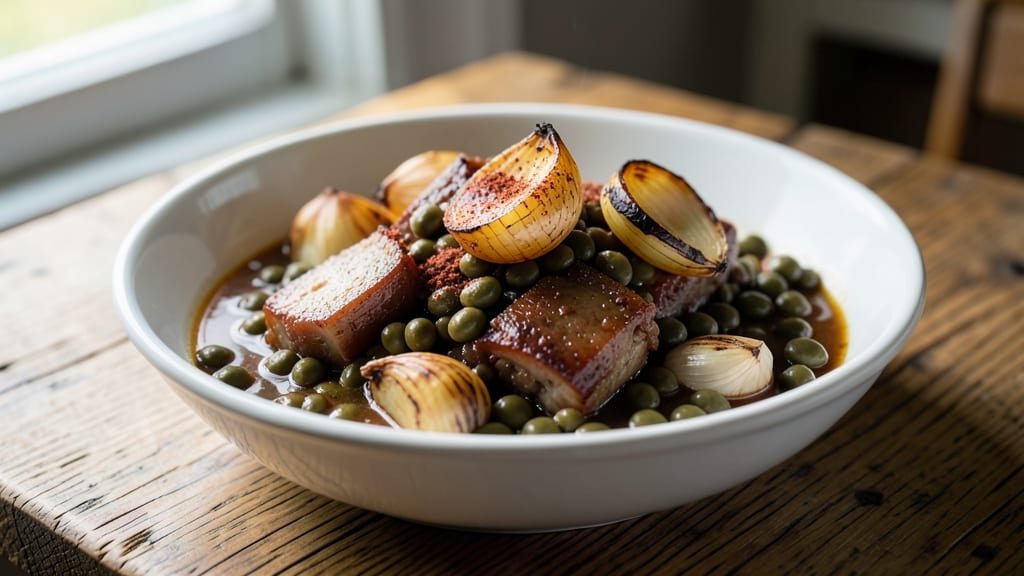
Ina Garten’s black-eyed peas recipe transforms a simple Southern staple into a smoky-spiced centerpiece for holiday tables. The secret lies in slow-cooked richness—ham hocks and smoked paprika infuse these tender peas with deep, savory warmth that feels like a hug from a family gathering.
I’ve adapted her method to deliver restaurant-quality results at home, where every bite carries that perfect balance of smokiness and sweetness.
This isn’t your grandmother’s basic side dish—it’s a foolproof technique that builds flavor layer by layer. Start with a deep, aromatic base of onions, garlic, and smoked paprika, then let the ham hocks melt into the pot over two hours of simmering.
The result? Peas that are tender but still hold their shape, swimming in a broth so rich it deserves its own bowl. Even picky eaters disappear when this hits the table.
The magic happens in the details: crispy bacon on top adds a textural contrast that elevates the dish, while a squeeze of lemon at the end brightens the smoky depth. Serve it alongside roasted turkey or ham for a holiday spread that feels both elegant and comforting.
This recipe proves that traditional dishes can be effortlessly impressive—just follow the steps, and let the flavors do the rest.
Perfect for Thanksgiving, Christmas, or any celebration where you want to impress without stress. The leftovers reheat beautifully, making it a make-ahead hero for busy hosts. Here’s how to bring Ina’s signature touch to your kitchen—no shortcuts, just proven perfection.
Ingredients for ina garten black eyed peas
Sixteen ingredients, two hours of simmering—this Southern classic delivers restaurant-quality holiday richness at home.
| Ingredient | Amount | Notes |
|---|---|---|
| Dry Black-Eyed Peas 🌱 | 1 ½ cups | Rinsed thoroughly before cooking |
| Ham Hocks 🥓 | 2 whole | Smoked for authentic flavor |
| Yellow Onions 🧅 | 1 whole | Medium size, diced finely |
| Garlic Cloves 🧄 | 4 cloves | Fresh, minced for aromatic base |
| Smoked Paprika 🌶️ | 1 tbsp | High-quality, for deep smokiness |
| Ground Black Pepper 🌶️ | ½ tsp | Freshly cracked for brightness |
| Kosher Salt 🧂 | 1 ½ tsp | Diamond Crystal preferred |
| Fresh Thyme 🌿 | 2 sprigs | Or 1 tsp dried thyme |
| Fresh Parsley 🌿 | ¼ cup | Chopped for garnish |
| Lemon Juice 🍋 | 2 tbsp | Freshly squeezed for brightness |
| Bacon 🥓 | 4 oz | Thinly sliced for crispy topping |
| Water 💧 | 4 cups | For simmering, not tap if hard |
| Extra-Virgin Olive Oil 🫒 | 2 tbsp | For sautéing onions |
The ham hocks are non-negotiable for that signature depth—look for thick, meaty ones at Whole Foods or your local butcher. If you can't find them, smoked ham bone works as a substitute, though the texture won't be identical. The black-eyed peas should be dry, not canned—they absorb flavors better and hold their shape. For smoked paprika, Penzeys or McCormick brands deliver consistent quality. Fresh thyme is ideal, but dried works at one-third the amount if you're in a pinch. The bacon matters too—thick-cut slices crisp up beautifully for that perfect textural contrast.
No ham hocks? A smoked ham bone or even extra-smoked bacon (doubled in quantity) can mimic the smokiness, though the broth won't be as rich. The onions and garlic are the aromatic foundation—yellow onions provide sweetness, while garlic adds depth. For a quicker version, jarred minced garlic works, but fresh is always better. The kosher salt should be Diamond Crystal or Morton—table salt will over-salt the dish. If you're short on time, pre-diced onions save chopping, but fresh is preferred for flavor. The lemon juice at the end brightens everything—use freshly squeezed for the best results.
This dish tastes even better the next day as flavors meld—plan ahead. Store in an airtight container in the fridge for up to 5 days, or freeze for 3 months in portion-sized containers. The bacon topping can be added fresh when reheating for maximum crispiness. For holiday gatherings, double the recipe—it disappears fast. The broth is so flavorful you can serve it separately as a soup for extra servings.
Why You'll Love This Recipe
- One-Pot Magic: I swear by this recipe because it’s actually one-pot—just toss in the dry peas, ham hocks, onions, and garlic, then let the smoky paprika work its magic. No straining, no extra dishes, and that rich broth? Pure reward.
- Smoky Soul Food: The smoked paprika and ham hocks give these peas a depth that’s hard to beat—like a hug in a bowl. Honestly, the first time I made it, I ate a bowl straight from the pot (no judgment).
- Weeknight & Holiday: This dish is my go-to for lazy Mondays and Thanksgiving leftovers. The ham hocks add richness, so it feels special without the fuss—just reheat and serve, whether it’s a quick dinner or a side for guests.
- Budget Stretch: Dry peas and ham hocks are cheap, but the flavor? Ridiculously satisfying. I’ve fed a family of four for under $10, and the leftovers taste just as good the next day—sometimes even better.
Step-by-step instructions for Ina Garten black eyed peas
This method delivers deeply flavorful, smoky-spiced black-eyed peas perfect for holiday tables.
Prepare the Ham Hocks and Sauté the Aromatics
Place the 2 whole ham hocks in a large Dutch oven and cover with the 4 cups of water. Bring to a boil over medium-high heat, then reduce to a simmer for 30 minutes. This pre-cooking step ensures the ham hocks render their rich flavor into the liquid.
While the ham hocks simmer, heat the 2 tablespoons of extra-virgin olive oil in a separate skillet over medium heat. Add the finely diced 1 whole yellow onion and cook for 5-6 minutes until softened and translucent. Stir in the 4 minced garlic cloves and cook for an additional 30 seconds until fragrant. Remove from heat and set aside.
Build the Spiced Base and Combine Ingredients
After the ham hocks have simmered for 30 minutes, remove them from the pot and set aside. Strain the cooking liquid through a fine-mesh sieve into a clean Dutch oven, discarding any solids. Return the liquid to medium heat and add the 1 tablespoon of smoked paprika, 0.5 teaspoon of ground black pepper, and 1.5 teaspoons of kosher salt. Stir constantly for 1-2 minutes until the spices are fully dissolved and the liquid is aromatic.
Rinse the 1.5 cups of dry black-eyed peas thoroughly under cold water, then add them to the spiced liquid along with the sautéed onions and garlic. Stir gently to combine. Add the 2 sprigs of fresh thyme and bring the mixture to a gentle boil over medium heat. Once boiling, reduce heat to low and cover the pot, allowing it to simmer for 45 minutes. This low-and-slow approach ensures the peas soften evenly without breaking apart.
Cook the Bacon and Finish the Peas
While the peas simmer, cook the 4 ounces of thinly sliced bacon in a separate skillet over medium heat until crispy, about 8-10 minutes. Remove the bacon with a slotted spoon and set aside on paper towels to drain excess fat, leaving the rendered bacon fat in the skillet.
After the peas have simmered for 45 minutes, stir in the cooked bacon and its rendered fat. Add the 2 tablespoons of freshly squeezed lemon juice and continue simmering, uncovered, for an additional 10-15 minutes until the peas are tender but still hold their shape. The liquid should reduce slightly, creating a thick, flavorful broth that clings to each pea.
Rest and Garnish for Serving
Once the peas reach the desired tenderness, remove the pot from heat and let the mixture rest, covered, for 10 minutes. This resting period allows the flavors to meld and the peas to absorb the remaining liquid, ensuring each bite is packed with smoky, savory depth.
Before serving, discard the thyme sprigs and stir in the 0.25 cup of chopped fresh parsley. Taste and adjust seasoning if needed, adding a pinch more kosher salt or a splash of lemon juice for brightness. Serve warm, garnished with additional crispy bacon if desired. These black-eyed peas are rich enough to stand alone but pair beautifully with cornbread or grilled meats for a complete holiday spread.
Pro Tips For Making Ina Garten Black Eyed Peas
- Soak the Peas Overnight: I learned this the hard way—skipping the soak means your peas stay tough no matter how long you simmer. Toss them in cold water for 8+ hours (or at least 2 hours if you’re in a rush), then drain and rinse before cooking. The ham hocks will flavor the broth, but properly soaked peas actually absorb that smoky goodness better.
- Brown the Ham Hocks First: This isn’t just about color—it’s about flavor. Sear the ham hocks in a dry pot over medium-high heat until they’re deep brown and crackling, about 8-10 minutes per side. The Maillard reaction here makes the broth richer, and it prevents the peas from turning bland. (Yes, even if you’re impatient like me.)
- Don’t Crowd the Onions: I used to pile all the sliced onions into the pot at once, and they’d steam instead of caramelize. Instead, cook them in batches over medium heat until soft and golden—about 5-6 minutes per batch—before adding garlic or paprika. The difference in depth of flavor is night and day.
- Simmer Low and Slow: This isn’t a 30-minute side dish. Cover the pot and simmer at a bare bubble—just enough to keep steam rising—on the lowest heat setting your stove allows. After 2 hours, check for doneness; if not, keep going. Rushing turns the peas mushy; patience gives you that perfect creamy texture. (Your future self will thank you.)
Troubleshooting this dish
Peas Too Soft?
Overcooked peas lose their texture and turn mushy—a common mistake when simmering too long. The key is precision timing: once the peas reach 45 minutes of simmering, check for tenderness with a fork. If they’re still slightly firm, continue cooking in 5-minute intervals until just tender.
I’ve found that Lodge cast iron Dutch ovens distribute heat evenly, preventing hot spots that can overcook some peas while leaving others underdone. 🌱
Broth Too Thin?
If your broth is watery after simmering, it’s likely because the ham hocks didn’t render enough fat or the peas absorbed too much liquid. To fix this, simmer the peas uncovered for the last 10-15 minutes to reduce the liquid naturally.
For extra richness, add 1-2 tablespoons of bacon fat or olive oil to the pot during the final simmer. I also recommend using thicker-cut ham hocks—they release more collagen into the broth. ⚡
Smoke Flavor Missing?
The smoky depth comes from the ham hocks and smoked paprika, but if it’s weak, you might need to boost it. For an extra layer of smoke, add ½ teaspoon of liquid smoke (like Colman’s) to the broth during the final 10 minutes of simmering.
Alternatively, char the onions and garlic slightly by cooking them over medium-high heat for an extra 1-2 minutes before adding them to the pot. 🌶️
Bacon Not Crispy?
Crispy bacon is essential for that perfect textural contrast. If yours turns out greasy instead of crisp, slice it thinner than usual (about ⅛-inch thick) and cook it over medium heat in a single layer, stirring occasionally.
Avoid crowding the pan, and use a wire rack over a baking sheet to drain excess fat if needed. For extra crunch, broil the bacon for 1-2 minutes at the end. 🥓
Peas Still Hard?
If your peas remain undercooked after the full simmering time, they might need more time or a different approach. Try adding ½ cup of hot water to the pot and simmering uncovered for an additional 10-15 minutes.
Another trick is to cover the peas with a damp paper towel while simmering—this helps steam them gently. If they’re still tough, they may be old or poor quality; opt for heirloom or cream-colored varieties, which cook more evenly. 💡
Seasoning Off?
If your peas taste bland, the issue is likely under-seasoning or insufficient flavor development. Taste the broth before adding the peas and adjust with kosher salt and smoked paprika as needed. For extra depth, add 1 bay leaf during the initial simmer and remove it before serving.
A splash of soy sauce (1 teaspoon) or a pinch of MSG can also enhance umami without overpowering the dish. Always finish with fresh lemon juice—it brightens the flavors and balances any saltiness. 💫
Nutrition facts
Frequently asked questions
Can I substitute canned black-eyed peas for dry?
While canned peas will save time, they won't deliver the same rich texture or flavor depth. Dry peas absorb the smoky broth better and hold their shape perfectly. If you must use canned, drain and rinse them thoroughly, then simmer in the broth for just 10-15 minutes to warm through. The dish will be less authentic but still delicious.
How far ahead can I make these?
This recipe tastes even better the next day as flavors meld beautifully. Store in an airtight container in the fridge for up to 5 days, or freeze for 3 months. Reheat gently on the stove with a splash of water or broth to restore moisture. The bacon topping can be added fresh when reheating for maximum crispiness.
What makes Ina Garten's version different from traditional recipes?
Ina's method focuses on slow-cooked richness using ham hocks and smoked paprika for deep smokiness, plus the crispy bacon topping for textural contrast. Traditional recipes often use ham bones or salt pork, but her approach creates a more complex flavor profile with that perfect balance of smoky, savory, and slightly sweet notes. The lemon finish is also her signature touch.
Can I make this vegetarian?
You can adapt it by replacing ham hocks with smoked tofu or tempeh and using vegetable broth instead of water. For smokiness, add ½ teaspoon liquid smoke or extra smoked paprika. The bacon can be swapped for crispy smoked almonds or tempeh bacon. The dish will still be flavorful but with a different profile.
Why do you use ham hocks instead of regular ham?
Ham hocks contain more connective tissue that melts into the broth during cooking, creating a rich, gelatinous base that makes the peas irresistibly tender. Regular ham won't provide the same depth of flavor or texture. If you can't find ham hocks, smoked ham bones work as a substitute, though the broth will be slightly less luxurious.