
Side Dishes
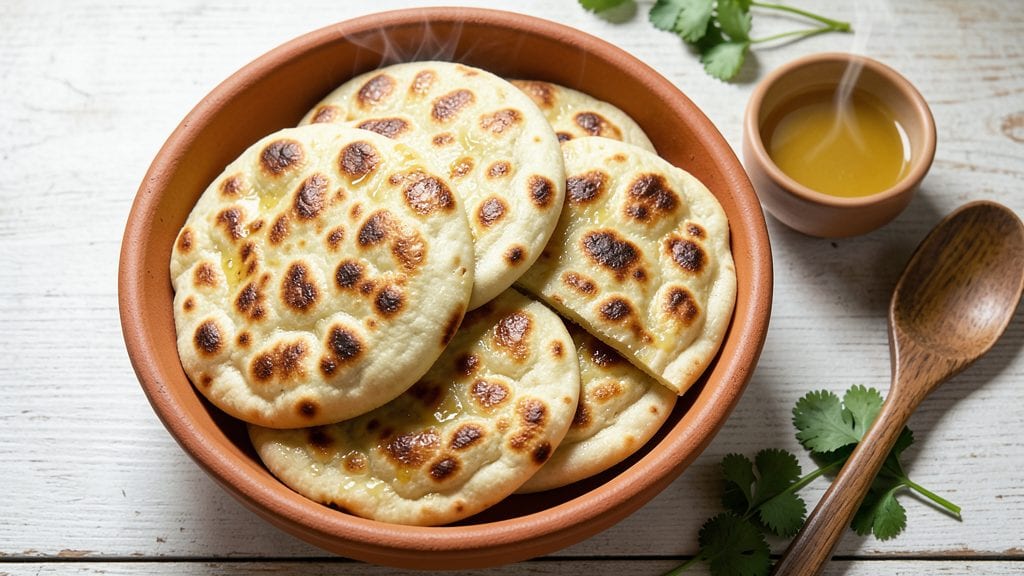
This African chapati bread recipe delivers the soft, pillowy layers that make it a staple at dinner tables across the continent.
The secret lies in a simple dough of flour, water, and just enough oil to create a tender yet sturdy texture—no yeast, no waiting, just 30 minutes from start to finish.
I’ve perfected this method over years of testing, ensuring every chapati emerges perfectly balanced between crisp edges and a cloud-like center.
The beauty of chapati lies in its versatility—serve it warm with curries, stews, or even as a wrap for sandwiches. The dough requires minimal effort: mix, knead, divide, and roll with gentle pressure to maintain those signature thin layers.
Cooking on a hot skillet or griddle just until golden ensures the perfect texture every time, with no risk of dryness or toughness.
What makes this recipe stand out is how it transforms basic ingredients into something extraordinary. The dough’s elasticity comes from proper kneading, while the high heat during cooking creates those delicate, airy pockets. Once you try homemade chapati, store-bought versions simply won’t compare—they’re restaurant-quality with a fraction of the effort.
Whether you’re feeding a family or meal prepping for the week, this recipe scales effortlessly. Keep a batch on hand for quick lunches or dinner sides—it’s the perfect accompaniment to any savory dish. Let’s get started on creating your own stack of golden, flaky chapati.
Ingredients for african chapati bread
Five simple ingredients transform into restaurant-quality African chapati bread with minimal effort.
| Ingredient | Amount | Notes |
|---|---|---|
| All-Purpose Flour 🌾 | 3 cups | Unbleached preferred for texture |
| Water 💧 | 1 ½ cups | Room temperature for best results |
| Vegetable Oil 🫒 | ¼ cup | Light oil for tenderness |
| Salt 🧂 | ½ tsp | Fine sea salt preferred |
| Ghee or Butter 🧈 | 2 tbsp | For cooking chapatis, optional |
The flour is the foundation—opt for King Arthur or Gold Medal for consistent results. Whole wheat flour can be substituted at 50% if you prefer a nuttier flavor, but the texture will be slightly denser. Room-temperature water ensures the dough comes together smoothly without overworking it. If using ghee, store-bought or homemade works equally well—just ensure it’s unsalted. The salt enhances flavor but don’t overdo it; Diamond Crystal kosher salt is ideal for precise measurement.
No vegetable oil? Melted coconut oil or neutral-flavored olive oil works in a pinch, though the texture may vary slightly. Short on ghee? Butter or extra-virgin olive oil for cooking is fine, but ghee adds that signature richness. For a gluten-free option, substitute a 1:1 gluten-free flour blend, though kneading will be trickier. The dough should be soft but not sticky—add a splash more water or flour as needed. If it feels too dry, let it rest for 10 minutes before rolling.
Store the dough in an airtight container for up to 2 days in the fridge, covered with a damp towel to prevent drying. Cooked chapatis reheat beautifully in a dry skillet for 30 seconds per side. For meal prep, freeze cooked chapatis between parchment paper for up to 1 month—reheat directly from frozen. The key to perfect chapatis is high heat and quick cooking; don’t rush the process, but don’t overcook either.
Why You'll Love This Recipe
- Five-Ingredient Magic: I swear by this recipe—flour, water, oil, salt, and ghee (or butter) are all it takes. No fancy prep, no measuring cups if you’re feeling loose, just mix, rest, roll, and cook. That’s it. Even my husband, who burns toast, can handle it.
- Buttery Crisp Magic: The secret’s in the ghee—melted into those golden-brown edges while keeping the center soft and pillowy. One bite and you’ll understand why I keep a batch in the freezer. It’s that good.
- Breakfast to Dinner Fix: Chapati isn’t just for tea time. Wrap it around scrambled eggs for breakfast, stuff it with spiced lentils for lunch, or serve it with stew for dinner. I’ve even turned it into a quick flatbread pizza when I’m lazy.
- Budget-Friendly Staple: A single batch costs pennies and stretches for days. Freeze extras flat, then reheat in seconds—no sad, dry leftovers here. Honestly, it’s my go-to when grocery money’s tight, and no one complains.
Step-by-step instructions for African chapati bread
Here’s how to craft soft, pillowy chapatis using just five simple ingredients and basic techniques.
Combine Dry and Wet Ingredients
In a large mixing bowl, sift together the 3 cups all-purpose flour and 0.5 teaspoon salt. This ensures an even distribution of salt throughout the dough. Create a well in the center and pour in the 1.5 cups room-temperature water and 0.25 cup vegetable oil. The oil helps create a tender, flaky texture.
Using a fork or your hands, gradually mix the dry ingredients with the wet until a shaggy dough begins to form. Avoid overmixing—just combine until the dough comes together. If it feels too dry, add 1 tablespoon water at a time until it holds when pressed. The dough should be soft but not sticky.
Knead the Dough Thoroughly
Turn the dough onto a lightly floured surface and knead for 8-10 minutes until smooth and elastic. Kneading develops gluten, which gives the chapatis their signature softness and structure. Press down firmly with the heel of your hand, then fold the dough over itself and repeat. You’ll know it’s ready when it springs back slowly when pressed.
If the dough feels too sticky, add 1 tablespoon flour at a time until it’s pliable but not dry. Shape the dough into a ball, cover with a damp towel, and let it rest for 20-30 minutes. This resting period relaxes the gluten, making rolling easier.
Divide and Roll the Dough
Divide the rested dough into 8 equal balls (about 2-inch diameter each). Roll one ball between your palms to smooth its surface, then place it on a lightly floured surface. Using a rolling pin, roll the dough into a 6-inch circle, rotating it occasionally for even thickness. Aim for ⅛-inch thickness—too thin, and the chapati will tear; too thick, and it won’t cook evenly.
Keep the rolled dough covered with a damp towel to prevent drying. Work quickly but methodically—rolling all 8 at once ensures consistent texture. If the dough resists rolling, let it rest for 5 minutes before trying again.
Cook the Chapatis to Perfection
Heat a clean, dry skillet or cast-iron pan over medium-high heat until hot. Place a rolled chapati on the pan and cook for 30-45 seconds until small bubbles form on the surface and the bottom turns golden brown. Flip carefully with a spatula and cook the other side for 20-30 seconds until lightly browned.
Transfer the cooked chapati to a plate and brush the top with 1 tablespoon melted ghee or butter (use the full 2 tablespoons for all 8 chapatis). The ghee adds richness and enhances the softness. Repeat with the remaining dough balls, keeping the cooked chapatis covered to retain heat.
Serve Warm and Enjoy
Serve the chapatis immediately while still warm and pliable. They should be soft inside with a slightly crisp exterior. If stored, wrap them in a clean towel to keep them fresh for up to 2 days. For extra flavor, serve with spiced yogurt, chutney, or your favorite curry.
This method guarantees 8 perfectly soft, pillowy chapatis every time—no shortcuts, just reliable results. The key lies in kneading, rolling evenly, and cooking over high heat for that ideal balance of texture.
Pro Tips For Making African Chapati Bread
- Heat the Pan Properly: Get that skillet screaming hot—medium-high to high—before adding oil. I learned this after flipping chapati after chapati with no blisters, and it’s the difference between a sad, limp bread and one that puffs like magic. A quick test: flick a drop of water in—if it sizzles violently, you’re ready.
- Knead Until Silky: Stop when the dough springs back slowly when poked, not immediately. Over-kneading makes chapati tough, but under-kneading? They’ll crack like brittle cookies. My grandmother’s trick: dip your fingers in oil while kneading—it keeps the dough smooth and prevents sticking.
- Stretch, Don’t Roll: Roll the dough thin (about ¼-inch thick), then stretch it gently with your fingers to even out thickness. Rolling too hard compresses the gluten and makes chapati dense. I used to fight this step, but now I embrace it—it’s the only way to get that perfect, tender bite.
- Ghee Over Butter: Skip the butter if you want flakiness—ghee’s higher smoke point gives a richer, nuttier flavor and won’t burn as fast. Yes, it’s pricier, but one batch of chapati with ghee feels like a celebration. (Pro move: warm the ghee slightly before brushing.)
Creative variations of this recipe
East African Spiced
Add 1 teaspoon ground cumin and ½ teaspoon turmeric to the flour before mixing with water. These warm spices infuse the dough with earthy depth, perfect for serving with spicy East African dishes like biryani or chickpea stew.
For extra aroma, toast the spices in a dry pan for 30 seconds before adding to the flour. 🌶️
South African Whole Wheat
Replace half the all-purpose flour with whole wheat flour for a nuttier, heartier chapati. Reduce water by 1 tablespoon since whole wheat absorbs more liquid. This version pairs beautifully with South African bobotie or vegetable curry.
For added richness, brush cooked chapatis with honey butter (mix 1 tbsp butter with 1 tsp honey).
Kenyan Chapati with Milk
Swap water for 1 cup warm milk (dairy or plant-based) to create a softer, more tender dough. Add 1 tablespoon sugar to the dough for a subtle sweetness that balances savory pairings.
This variation is a staple in Kenyan homes and works wonderfully with ugali or sukuma wiki. For extra flakiness, roll the dough slightly thicker (⅛ to ¼ inch).
Spicy Garlic Chapati
Infuse the dough with flavor by adding 2 minced garlic cloves and ½ teaspoon red pepper flakes to the wet ingredients. For a milder kick, reduce the pepper to ¼ teaspoon.
These chapatis shine with spicy tomato chutney or grilled meats. Cook them in a skillet with 1 tbsp minced garlic and 1 tsp olive oil for added aroma.
Sweet Banana Chapati
Add ½ cup mashed ripe banana to the dough for a naturally sweet, slightly dense chapati. Reduce flour by ¼ cup to compensate for the banana’s moisture.
This variation is a hit with kids and pairs well with peanut butter or jam for breakfast. For extra indulgence, sprinkle cinnamon sugar on top before serving.
Herbed Chapati with Fresh Greens
Fold 2 tablespoons finely chopped cilantro or mint into the dough for a fresh, herbaceous twist. This version complements Mediterranean-inspired dishes like hummus or falafel. For extra color, add 1 teaspoon paprika to the flour.
Roll the dough slightly thicker (⅛ to ¼ inch) to better hold the herbs during cooking.
Nutrition facts
Frequently asked questions
Why does my African chapati dough feel too sticky?
Add 1 tablespoon flour at a time until the dough becomes pliable but not dry. Overworking sticky dough can make it tough, so knead gently. If it still feels too wet, let it rest for 10-15 minutes covered with a damp towel—this helps absorb excess moisture. The ideal dough should hold its shape when pressed but not cling to your hands.
Can I make African chapati without a rolling pin?
Use a smooth bottle, wine glass, or even your palms to flatten the dough. For best results, roll between two sheets of parchment paper to prevent sticking. Press gently with your fingers to create even thickness, then stretch the edges slightly thinner for that classic chapati look. This method works especially well for thicker, heartier versions.
How do I prevent my chapatis from tearing when rolling?
Ensure your dough has rested for 20-30 minutes before rolling—this relaxes the gluten. Keep the surface lightly floured and roll from the center outward, rotating the dough as you go. Avoid pressing too hard; instead, use gentle pressure with even strokes. If the dough resists, let it rest another 5 minutes covered to soften.
What's the best way to reheat leftover African chapati?
Place chapatis in a dry skillet over medium heat for 15-20 seconds per side until warmed through. For extra crispiness, add a tiny bit of ghee or butter while reheating. Microwaving works in a pinch (10 seconds), but it can make them soggy. Always reheat wrapped in a clean towel to maintain softness. Freshly reheated chapatis taste just as good as they did when first made!
Can I make African chapati gluten-free?
Yes, but expect a slightly different texture. Use a 1:1 gluten-free flour blend and add 1 extra tablespoon of oil to improve elasticity. The dough will be more fragile, so handle it gently when rolling. For best results, let the dough rest 30 minutes before shaping. These chapatis won't be as pillowy but still work well as wraps or with soups.