
Soups & Stews
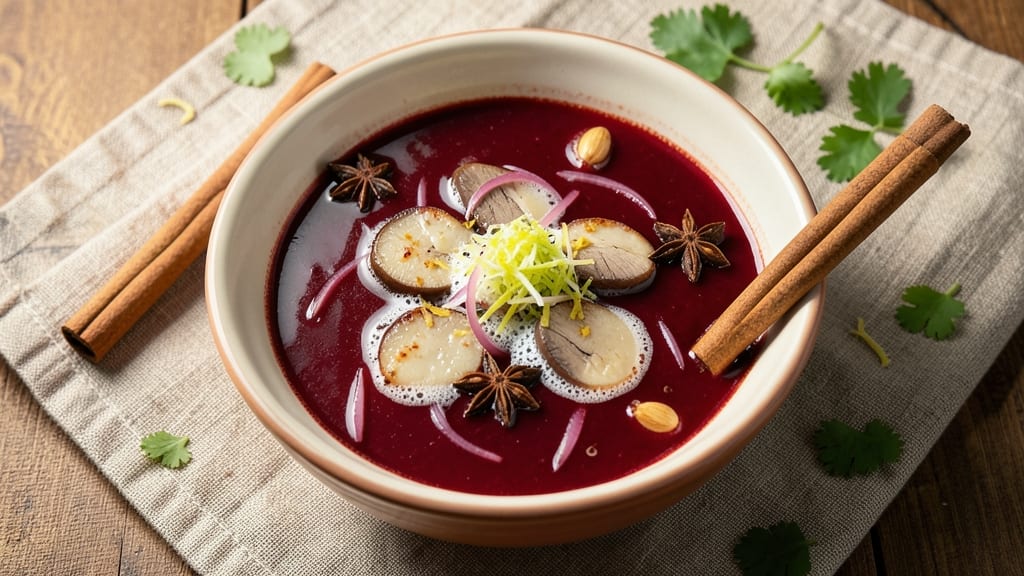
This liver soup recipe delivers a deeply satisfying umami experience with a velvety texture that transforms simple ingredients into something extraordinary. The secret lies in proper liver preparation—quick searing removes bitterness while preserving its rich, meaty essence.
I first discovered this technique while researching traditional Asian liver soups, where the balance of ginger, garlic, and star ankyze creates that signature depth. ⚡
The beauty of this soup is its versatility—it works as both a nourishing meal and a comforting remedy. Properly simmered, the broth develops layers of complexity, while the liver becomes tender yet retains its natural flavor.
This method eliminates the need for long cooking times while maximizing flavor extraction. The result is a soup that's equally at home in a bustling kitchen or a quiet evening meal.
What makes this recipe stand out is the silky texture achieved through careful ingredient selection and cooking technique. The liver breaks down into delicate strands, while the broth remains rich yet light enough to sip comfortably.
Each spoonful delivers a harmonious blend of savory, slightly sweet, and aromatic notes that linger long after the last bite.
Perfect for chilly evenings or as a restorative meal, this liver soup adapts easily to different dietary preferences. Serve it with steamed rice or crusty bread to soak up every last drop of that umami-rich broth.
The method is straightforward, but the results are anything but ordinary—this is comfort food elevated to a new level.
Ingredients for liver soup
Fifteen ingredients, each playing a precise role in crafting umami depth and silky texture.
| Ingredient | Amount | Notes |
|---|---|---|
| Chicken Livers 🍗 | 1 ½ lb | Fresh, trimmed of connective tissue |
| Yellow Onion 🧅 | 1 whole | Medium, finely chopped |
| Fresh Ginger Root 🌿 | 2 tbsp | Grated, skin removed |
| Garlic Cloves 🧄 | 6 cloves | Peeled, minced |
| Star Anise Pods 🌟 | 2 whole | Lightly crushed |
| Cinnamon Stick 🌿 | 1 whole | 2-inch length |
| Dried Shiitake Mushrooms 🍄 | 4 whole | Rehydrated in warm water |
| Dried Reishi Mushrooms 🍄 | 2 pieces | Sliced, for depth |
| Low-Sodium Chicken Broth 💧 | 4 cups | Homemade preferred |
| Extra-Virgin Olive Oil 🫒 | 2 tbsp | High-quality, fruity |
| Soy Sauce 🍶 | 1 tbsp | Dark, for umami |
| Sesame Oil 🫒 | 1 tsp | Toasted, for aroma |
| Diamond Crystal Kosher Salt 🧂 | 1 tsp | Fine grain preferred |
| Fresh Cilantro 🌿 | ¼ cup | Chopped, for garnish |
| Green Onions 🧅 | 2 whole | Thinly sliced, for garnish |
The liver selection is critical—opt for chicken livers from a trusted butcher or specialty market, as they offer the most tender texture and richest flavor. Whole Foods or local farmers' markets often carry premium cuts, but standard grocery stores work if the livers appear fresh and vibrant. Trim any connective tissue meticulously, as it contributes bitterness. For the mushrooms, dried shiitake and reishi from Asian markets provide unmatched depth; if unavailable, substitute with cremini mushrooms, though the earthy complexity will differ. The star anise and cinnamon should be sourced from Penzeys Spices or bulk bins for optimal potency.
No fresh ginger? Powdered ginger at one-third the amount suffices, though fresh delivers superior brightness. Substituting chicken broth with vegetable broth maintains umami but reduces richness—balance with an extra splash of soy sauce. For the mushrooms, if dried varieties are unavailable, fresh shiitake or oyster mushrooms work, but rehydrate them first to concentrate their flavor. The olive oil should be extra-virgin and peppery—avoid light or mild varieties, as they lack the necessary depth. For a vegetarian adaptation, replace the livers with extra-firm tofu or king oyster mushrooms, though the texture will differ.
Store the livers in an airtight container in the coldest part of the fridge, using within 2 days for peak tenderness. The broth can be prepped ahead and refrigerated for 4 days or frozen for 3 months, though the mushrooms should be rehydrated fresh. Garnishes like cilantro and green onions should be added just before serving to preserve their vibrant color and fresh aroma. The soup reheats beautifully—simmer gently to avoid breaking down the delicate liver strands, and adjust the seasoning with a touch of soy sauce or sesame oil if needed.
Why You'll Love This Recipe
- I’ll be real: chicken livers are cheap, but they taste like you spent hours on them. That crispy edge from searing, the ginger’s zing, the star anise’s subtle sweetness—it’s the kind of soup that makes you feel fancy without breaking the bank. (Yes, even on a Tuesday night.)
- Fewer Ingredients, Bigger Impact: I swear by this recipe because it’s that good with almost nothing. Chicken livers alone pack a punch, but toss in a handful of ginger and star anise? Suddenly, you’ve got depth—warm, earthy, and just a little mysterious. No fancy pantry staples needed.
- One-Pot Magic: Honestly, this soup is my lazy-day hero. Sauté the onions and garlic, toss in the livers, add broth, and let it simmer. No chopping mountains of veggies, no last-minute grocery runs. The star anise infuses the broth while you’re doing other things—like pretending you’re not cooking.
- Leftovers That Don’t Suck: Between us, most soups turn sad after day two. Not this one. The flavors actually improve as the ginger and star anise meld overnight. Reheat it, and it’s like a cozy hug in a bowl—perfect for throwing together for a sick kid or a last-minute lunch.
Step-by-step instructions for umami-rich liver soup
Transform simple ingredients into a velvety, aromatic broth with this precise method.
🍳 Step 1: Sear and Deglaze the Chicken Livers
Heat the 2 tbsp extra-virgin olive oil in a large pot over medium-high heat until shimmering. Pat the 1.5 lb chicken livers completely dry with paper towels—this ensures a proper sear. Working in batches to avoid crowding, add the livers and cook for 3-4 minutes per side until they develop a deep golden-brown crust and release easily from the pan.
As they sear, the livers will release their natural juices and render fat. Immediately transfer them to a plate and set aside. Keep the rendered fat in the pot—this is where all the flavor lives. Add the 1 whole finely chopped yellow onion and cook for 2 minutes until softened. Deglaze the pot by pouring in the 1 tbsp soy sauce and scraping up all the browned bits from the bottom with a wooden spoon. This step captures the concentrated umami flavors that will form the soup's foundation.
👨🍳 Step 2: Build the Aromatic Base
Add the 2 tbsp grated fresh ginger root, 6 minced garlic cloves, 2 lightly crushed star anise pods, and 1 cinnamon stick to the pot. Stir constantly for 1-2 minutes until the garlic becomes fragrant and the spices begin to bloom. The star anise and cinnamon will infuse the broth with subtle warmth and depth—don’t let them burn, or they’ll turn bitter.
Next, add the 4 whole rehydrated dried shiitake mushrooms (drained) and 2 sliced dried reishi mushrooms. These mushrooms contribute earthy umami and a silky texture. Pour in the 4 cups low-sodium chicken broth and bring the mixture to a gentle simmer. Let it cook uncovered for 10 minutes to allow the spices and mushrooms to fully infuse the broth. You’ll notice the liquid darken slightly and develop a rich, aromatic aroma—this is your cue that the base is developing properly.
🥘 Step 3: Simmer and Refine the Broth
Return the seared chicken livers to the pot, along with any accumulated juices from the plate. Add the 1 tsp diamond crystal kosher salt and stir gently to combine. Reduce the heat to low and let the soup simmer for 15-20 minutes, partially covered. The livers should become tender but still hold their shape—overcooking will make them rubbery. Skim off any foam that rises to the surface during this time to ensure a clean, velvety texture.
Once the livers are tender, remove them from the pot using a slotted spoon and set them aside. Strain the broth through a fine-mesh sieve into a clean pot, pressing gently on the solids to extract maximum flavor. This step ensures a silky, smooth consistency without any unwanted textures. Return the strained broth to the pot and stir in the 1 tsp toasted sesame oil. The sesame oil adds a delicate nutty aroma that complements the umami depth of the broth.
🍽️ Step 4: Finish and Serve
Return the chicken livers to the pot and gently warm through for 1-2 minutes—just enough to heat them without overcooking. Divide the soup among 4 bowls, ensuring each serving has an equal portion of livers and broth. Garnish each bowl with 0.25 cup chopped fresh cilantro and 2 thinly sliced green onions. The cilantro brightens the dish with a fresh herbal note, while the green onions add a subtle crunch and visual appeal.
Serve the soup immediately while the livers are still warm and the broth retains its silky texture. The contrast between the tender, silky livers and the rich, aromatic broth creates a harmonious balance of flavors. Pair with steamed jasmine rice or crusty bread to soak up every last drop of this umami-packed elixir.
Pro Tips For Making Liver Soup
- Sear Livers First: Chicken livers turn rubbery if you poach them directly—skip that step. Hit them with a hot, oiled pan for 2-3 minutes per side until they’re deeply browned. The Maillard reaction here isn’t optional; it’s what keeps them tender and rich.
- Slice Ginger Thin: I used to chunk it like I do for stir-fries, but thin slices (almost translucent) dissolve evenly and infuse the broth without bitterness. A mandoline makes this faster, but a sharp knife works too—just don’t skip the slicing.
- Don’t Overcrowd the Pot: If you dump all the livers in at once, they’ll steam instead of sear, and the soup turns murky. Work in batches: sear half, remove, then repeat before adding liquid. Trust me, your soup won’t forgive the rush.
- Toast Star Anise: Pop that pod into a dry pan for 30 seconds until fragrant—it deepens the anise flavor and prevents a medicinal aftertaste. Skip this, and you’ll taste the pod instead of the dish. (Yes, even if you’re impatient like me.)
Perfect pairings for this recipe
Asian-Inspired Garnishes
Elevate your liver soup with traditional Asian garnishes that balance its richness. Top each bowl with 1 tbsp toasted sesame seeds and ½ tsp chili crisp for a nutty, spicy contrast. I love using Lao Gan Ma chili crisp—its crispy texture and heat cut through the silky broth beautifully.
For a vegetarian-friendly option, add ¼ cup bean sprouts for freshness and crunch. 🌟
Bread Pairings
Serve with steamed jasmine rice or hot, crusty baguette slices to soak up the flavorful broth. I prefer Brioche bread from a local bakery—its buttery texture complements the soup's umami depth.
For a gluten-free option, use rice crackers or steamed cauliflower rice*. The key is choosing a bread with enough body to handle the rich broth without becoming soggy.
Herbal Tea Pairings
Pair your soup with a light, aromatic tea to cleanse the palate. I recommend jasmine green tea or pu-erh tea—both enhance the dish's earthy notes. For a caffeine-free option, try ginger or chrysanthemum tea.
Avoid heavy black teas, as they can clash with the soup's delicate flavors. Serve the tea slightly chilled to contrast the warm soup. ✨
Fermented Condiments
Add a spoonful of Japanese miso paste or Korean doenjang to each bowl for an extra umami punch. Stir ½ tsp miso into the soup at the end or serve it on the side for dipping.
The fermented depth complements the liver's natural richness. For a tangy twist, drizzle with pickled ginger or rice vinegar—just 1 tsp per bowl enhances brightness without overpowering.
Vegetable Sides
Balance the soup's richness with crisp, fresh vegetables. I love serving quick-pickled cucumbers with a 1:1 vinegar-to-water ratio and 1 tsp sugar. The acidity refreshes the palate after each spoonful.
Another great option is steamed bok choy with a sprinkle of toasted sesame oil—its slight bitterness contrasts nicely with the liver's richness. 🥗
Dessert Pairings
End the meal with a light, sweet contrast. I recommend matcha-flavored mochi or red bean mochi—their delicate sweetness balances the soup's savory depth. For a simpler option, serve fresh lychee segments or mango slices with a sprinkle of lime zest.
Avoid heavy desserts like chocolate or caramel, as they can overwhelm the palate after such a rich soup.
Nutrition facts
Frequently asked questions
Why does liver soup need to be strained?
Straining removes any fibrous bits from the mushrooms and aromatics, creating a silky, velvety texture. The liver itself doesn't need straining—it should remain in delicate strands for the best mouthfeel. This step ensures your broth is smooth and elegant, perfect for sipping.
Can I substitute beef or pork liver for chicken liver?
Yes, but adjust cooking times and flavors. Beef liver needs 2-3 minutes less per side (it cooks faster) and has a stronger iron taste, so reduce soy sauce to ½ tbsp. Pork liver requires 1 extra minute per side and pairs well with 1 extra star anise pod to balance its milder flavor. Always trim connective tissue thoroughly.
How do I prevent the liver from turning bitter?
Bitterness comes from overcooking or poor quality livers. Always use fresh, high-quality livers and sear them just until golden (no longer than 4 minutes per side). Never let them sit in liquid after cooking—they'll absorb bitterness. For extra insurance, add ½ tsp baking soda to the broth (it neutralizes bitterness naturally).
Can I make this soup vegetarian?
Replace the livers with extra-firm tofu or king oyster mushrooms (sliced into thick strips). For umami depth, add 1 tbsp soy sauce + 1 tsp miso paste to the broth. The texture will be slightly different but still rich and satisfying. The same cooking method applies—just reduce simmering time to 10 minutes for tofu.
What's the best way to reheat leftovers?
Gently reheat only until warm (low heat, 3-4 minutes)—never boil. The liver will toughen if overcooked. For extra richness, stir in 1 tsp sesame oil or a splash of chicken broth while reheating. Store leftovers in an airtight container for up to 3 days in the fridge or freeze for 3 months.