
Main Courses
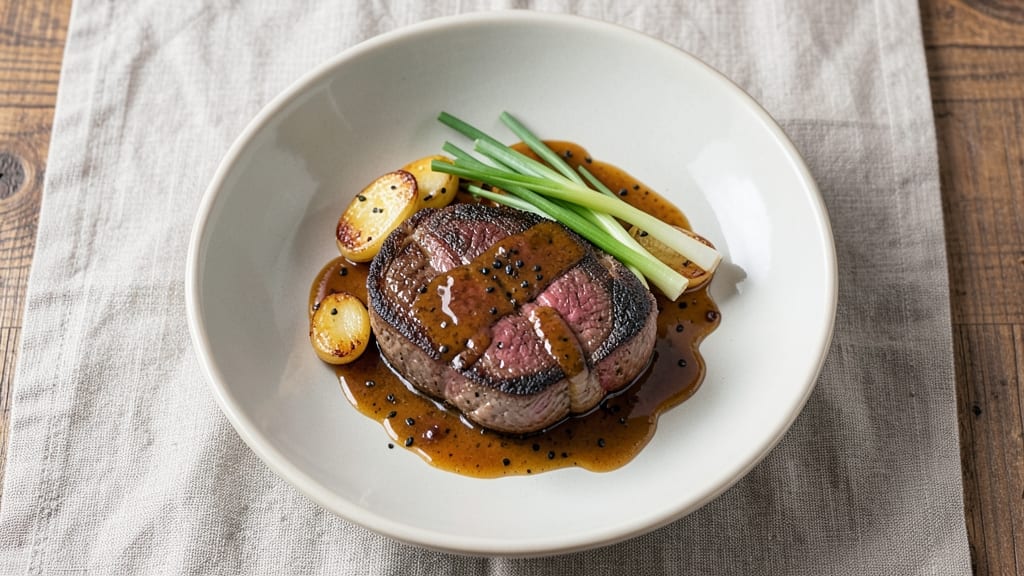
This miso glazed steak recipe delivers a perfect balance of savory umami and tender beef that will elevate any dinner table. The key lies in the marinade—white miso paste creates a sticky, caramelized crust while keeping the interior juicy and rich.
I developed this method after years of experimenting with Japanese-inspired steak dishes, and the results are always restaurant-quality.
The process is straightforward but precise: thinly slice the steak for even cooking, marinate for at least 4 hours (overnight for deeper flavor), then sear quickly over high heat. The miso glaze transforms into a glossy, slightly crispy coating that clings to every bite, while the interior remains perfectly tender.
This technique works equally well for ribeye, sirloin, or flank steak.
What you’ll end up with is a steak that’s both visually stunning and deeply flavorful—golden-brown edges with a glossy sheen, tender meat that melts in your mouth, and layers of umami that linger.
The glaze adds a subtle sweetness that complements the beef’s natural richness, making this dish feel indulgent yet balanced. Serve with steamed jasmine rice and roasted vegetables to complete the meal.
For those avoiding gluten, substitute white miso with gluten-free miso paste without compromising flavor. The recipe scales beautifully for parties, and leftovers reheat well for quick lunches. Let’s get cooking—your taste buds will thank you.
Ingredients for miso steak
Fourteen ingredients, restaurant-quality flavor. No shortcuts needed.
| Ingredient | Amount | Notes |
|---|---|---|
| Ribeye Steak 🥩 | 1 ½ lb | Thinly sliced against grain |
| White Miso Paste 🍶 | ¼ cup | High-quality, gluten-free if needed |
| Honey 🍯 | ¼ cup | Pure, thick honey preferred |
| Soy Sauce 🍶 | ¼ cup | Light or dark, no sugar added |
| Sesame Oil 🫒 | 1 tbsp | Toasted sesame oil for flavor |
| Garlic Cloves 🧄 | 4 cloves | Minced, fresh preferred |
| Ginger Root 🌿 | 1 tbsp | Freshly grated, peeled |
| Olive Oil 🫒 | 2 tbsp | For searing, high smoke point |
| Salt 🧂 | 1 tsp | Kosher or sea salt |
| Black Pepper 🌶️ | ½ tsp | Freshly cracked preferred |
| Jasmine Rice 🍚 | 1 ½ cups | Uncooked, long-grain |
| Vegetable Oil 🫒 | 1 tbsp | For rice cooking |
| Water 💧 | 2 cups | For rice steaming |
| Green Onions 🧅 | ¼ cup | Sliced, for garnish |
The steak is your canvas here. Ribeye gives the best marbling for juiciness, but sirloin or flank works too—just slice it thin against the grain. Buy the best cut you can find; Costco or Whole Foods usually have great options. If you're prepping ahead, freeze the sliced steak in a single layer before marinating—it thaws faster and keeps the texture perfect. The miso paste? White miso is key for that clean, umami flavor. Marukome or Hessle are solid brands, but any quality white miso will do. If you're avoiding gluten, swap in gluten-free miso—it's out there and just as good.
No honey? Maple syrup or agave works in a pinch, but honey's depth is worth it. Sesame oil can be skipped if you're sensitive to its flavor, but I'd recommend keeping it—it's what ties everything together. Fresh ginger and garlic are non-negotiable for that bright, zesty kick, but if you're in a bind, powdered ginger at half the amount gets you close. The soy sauce should be light and not overly sweet—Kikkoman is a safe bet. For the rice, jasmine is ideal, but basmati or sushi rice will work too. Just don't use instant—this isn't a shortcut meal.
Marinate the steak for at least 4 hours, but overnight is even better. The longer it sits, the deeper the flavor. Store the marinade in a sealed container in the fridge—it keeps for up to 5 days. The cooked steak reheats beautifully; just warm it in a skillet with a splash of water for 2-3 minutes. The rice can be made ahead too—just fluff it with a fork before serving. Garnish with those green onions right before eating; they add a fresh pop that disappears fast once sliced. Leftovers? 3 days max in the fridge—this isn't a dish that improves with time.
Why You'll Love This Recipe
- Five-Ingredient Magic: The miso, honey, and soy sauce marinade does all the work—just toss the steak in, let it sit, and grill. No chopping, no fuss, no stress. Honestly? I’ve made this while waiting for the grill to heat up.
- Umami Bomb: That white miso paste turns a simple ribeye into something ridiculously good—salty, sweet, and deeply savory all at once. The sesame oil finish? Pure satisfaction in every bite.
- Weeknight or Date Night: Same marinade, endless possibilities. Use it for dinner tonight or prep it ahead for a crowd. (Yes, even on a Tuesday night.) The leftovers? Just as crave-worthy reheated.
- Budget Steakhouse Feel: You get restaurant-quality flavor without the price tag. A single ribeye stretches further when sliced thin, and the miso-sweet glaze makes it feel like a splurge. My secret weapon for impressing guests.
Step-by-step instructions for miso glazed steak
Here's how to create that perfect balance of tender steak and rich umami crust.
Prepare the Miso Glaze
In a small bowl, combine the 0.25 cup white miso paste, 0.25 cup honey, 0.25 cup soy sauce, 1 tablespoon sesame oil, 4 minced garlic cloves, and 1 tablespoon freshly grated ginger root. Mix until completely smooth - you want no lumps in your glaze. This is where all the deep umami flavors come together. Let the mixture sit at room temperature for 10 minutes while you prep the steak. This resting time helps the flavors meld and makes the glaze easier to apply later.
I like to give it a quick taste at this point - it should be sweet, salty, and packed with garlic and ginger punch. If it seems too thick, add 1 teaspoon water to help it spread better on the steak. The glaze needs to coat the meat evenly for that perfect crust.
Sear the Steak to Perfection
Pat the 1.5 lb ribeye steak dry with paper towels - this is crucial for getting that beautiful crust. Season both sides generously with 1 teaspoon salt and 0.5 teaspoon black pepper. Heat 2 tablespoons olive oil in a large skillet over medium-high heat until shimmering.
Place the steak in the pan and sear for 3-4 minutes per side for medium-rare, until you see deep brown crust forming. For a thicker crust, press down gently on the steak during the first minute of searing. This prevents curling and ensures even contact with the pan. When you flip, you'll know it's ready when it releases easily from the pan.
Apply the Glaze and Finish Cooking
Remove the steak from the pan and let it rest on a plate for 2 minutes. Pour the miso glaze into the same skillet (no need to wipe it clean - those browned bits add flavor) and bring to a gentle simmer over medium heat. Let it reduce for 1-2 minutes until slightly thickened - you want it to coat the back of a spoon.
Return the steak to the pan, glaze-side down, and cook for 1-2 minutes until the glaze caramelizes and forms a sticky crust. Flip once more to coat the other side if needed. The steak should reach an internal temperature of 130-135°F for medium-rare. If you don't have a meat thermometer, use the finger test - press gently on the steak with your finger: rare feels like the base of your thumb, medium-rare like your first knuckle.
Rest and Slice the Steak
Transfer the steak to a cutting board and let it rest for 5-10 minutes before slicing. This resting period is what makes the difference between juicy perfection and dry disappointment. Tent loosely with foil to keep it warm while it rests.
Slice the steak against the grain into ¼-inch thick pieces. You'll see the grain direction in the meat - cutting against it shortens the muscle fibers, making each bite more tender. Arrange the slices on a warm platter and drizzle with any remaining glaze from the pan.
Cook the Jasmine Rice
While the steak rests, rinse the 1.5 cups jasmine rice under cold water until the water runs clear. This removes excess starch that can make the rice gummy. In a medium saucepan, combine the rice with 2 cups water and 1 tablespoon vegetable oil. Bring to a boil over high heat, then reduce to low heat, cover, and simmer for 15 minutes. Turn off the heat and let it steam, covered, for another 10 minutes. Fluff with a fork before serving.
Garnish the finished steak with 0.25 cup sliced green onions and serve immediately with the jasmine rice. The contrast of fluffy rice with the rich, caramelized steak makes this dish truly special. Each bite delivers that perfect balance of tender meat and umami-packed crust.
Pro Tips For Making Miso Steak
- SEAR BEFORE MARINATING: I learned this the hard way—don’t let the miso paste touch raw meat until you’ve got a deep crust. Hit the ribeye with high heat for 2-3 minutes per side first, then pull it off the pan and toss it in the miso-honey mix. The crust locks in flavor better this way, and you won’t end up with a mushy, over-marinated steak.
- WHISK THE MISO: White miso paste is stubborn. Instead of just stirring it into the sauce, whisk it vigorously with a splash of warm water (about 1 tablespoon) until it’s smooth. This prevents clumps that’ll make your glaze look (and taste) uneven—especially when you’re drizzling it over that perfect sear.
- DON’T OVERCOOK THE GLAZE: The miso-honey-soy mix burns faster than you think. Keep it on medium-low heat and stir constantly—no, really, stir—until it just coats the back of a spoon. If it darkens too quickly, add a teaspoon of water to mellow it out. You want caramelized, not charred.
- USE SESAME OIL LAST: Add the sesame oil after the steak comes off the heat. It’s delicate and burns at 350°F, so tossing it in while the pan’s still hot will turn it bitter. A quick drizzle at the end adds that nutty aroma without ruining the sauce. (Yes, even if you’re impatient like me.)
Dietary considerations for these flavors
Gluten-Free Adaptations
White miso contains gluten, but you can easily adapt this recipe using gluten-free miso paste—brands like San-J or Hessle GF work perfectly. Simply swap the regular miso for an equal amount of gluten-free version, and the dish remains rich and flavorful without compromising texture.
The caramelization process works the same way, so you won’t miss the gluten at all. 🌱
Low-Sodium Options
Store-bought soy sauce and miso can be high in sodium, so opt for low-sodium soy sauce (like Kikkoman Low Sodium) and reduce the amount to 2 tablespoons instead of ¼ cup.
For miso, choose a brand labeled low-sodium or dilute it slightly with 1 teaspoon water to balance the saltiness. Taste as you go—this keeps the dish flavorful without overwhelming your meal.
Dairy-Free Considerations
This recipe is naturally dairy-free, but if you’re serving it alongside creamy sides (like mashed potatoes), stick to olive oil or vegan butter for cooking. Garnish with sesame seeds instead of cheese, and serve with steamed bok choy or roasted Brussels sprouts for a fully dairy-free spread.
The umami from the miso glaze holds its own beautifully against fresh, crisp vegetables. 🥬
Vegetarian Substitutes
For a vegetarian version, replace the steak with extra-firm tofu or seitan, both of which absorb the miso glaze well. Press and slice the tofu into ¼-inch thick steaks, then marinate for at least 6 hours to ensure deep flavor penetration.
Sear in the same way, but reduce heat slightly to prevent burning. The result? A satisfying, protein-rich alternative that still delivers that sticky, caramelized crust. 🌱
Allergen-Friendly Swaps
If sesame allergies are a concern, skip the sesame oil and replace it with 1 teaspoon toasted coconut oil—it adds a subtle sweetness that complements the miso. For nut allergies, ensure all garnishes (like crushed peanuts) are omitted.
Always double-check labels on miso and soy sauce for cross-contamination warnings, especially if soy or wheat allergies are present. Safety first! ⚠️
Nutrition facts
Frequently asked questions
Can I use red miso instead of white miso in this recipe?
Red miso will work, but it'll give your steak a deeper, earthier flavor with more intensity. Start with 2 tablespoons instead of ¼ cup white miso, then adjust to taste—red miso is stronger. The crust will be darker and slightly more robust, but the texture remains the same. Try it if you love bold umami flavors!
How do I fix undercooked or overcooked miso steak?
For undercooked steak, return it to a skillet over medium-low heat with 1 tablespoon butter for 2-3 minutes per side. For overcooked steak, slice thinly and serve with extra glaze or a side of creamy mashed potatoes to balance the dryness. The key is using a meat thermometer (130-135°F for medium-rare) to avoid this!
What's the best way to reheat leftover miso steak?
Reheat in a skillet over low heat with 1 teaspoon water or broth for 2-3 minutes to restore moisture. Avoid microwaving—it makes the glaze rubbery. For extra flavor, add a splash of soy sauce or a drizzle of honey while reheating. Store leftovers in an airtight container for up to 3 days.
Can I grill this miso steak instead of pan-searing?
Marinate the steak as directed, then grill over medium-high heat for 3-4 minutes per side for medium-rare. Brush with extra glaze during the last 2 minutes of grilling. Use a gas grill or charcoal—avoid direct flame to prevent burning. The smoky char adds another delicious layer to the umami profile!
What are the best sides to serve with miso steak?
Jasmine rice is ideal, but also try steamed bok choy, roasted sweet potatoes, or cucumber salad to cut through the richness. For a heartier meal, add miso-glazed mushrooms or sesame green beans. The key is balancing textures—creamy, crisp, or starchy sides all work beautifully!