
Main Courses
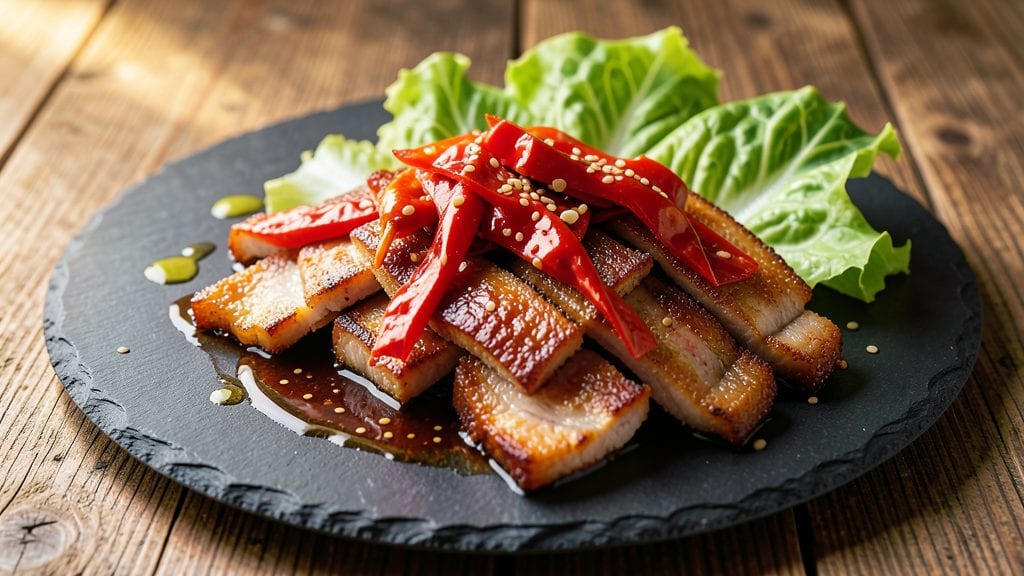
This Momofuku bossam recipe transforms tender pork belly into crispy, spicy, and irresistibly crunchy wraps that balance heat, texture, and umami in every bite. Standing on a step stool in my grandmother's kitchen taught me how layers of flavor build complexity—just like this dish.
The secret lies in marinating the pork belly overnight, then wrapping it with kimchi and lettuce before frying until golden and crispy.
The magic happens in the preparation: thinly sliced pork belly absorbs the marinade while resting, and the kimchi adds that signature tangy crunch. This isn't just a dish—it's a technique that turns simple ingredients into something restaurant-worthy.
The result is a perfect harmony of textures: crispy pork, fresh lettuce, and spicy kimchi all wrapped together.
By the time you're done, you'll have a plate of bossam that's rich, savory, and packed with bold flavors—each bite delivering a satisfying contrast of heat, crunch, and tenderness. The sauce ties it all together, adding another layer of depth that makes this dish unforgettable.
Whether you're serving it as a main course or an appetizer, this recipe delivers professional-quality results with minimal fuss. Let's get started on creating something truly special.
Ingredients for momofuku bossam
Pork belly, kimchi, and sesame oil—where layers of flavor meet crispy perfection.
| Ingredient | Amount | Notes |
|---|---|---|
| Pork Belly 🥓 | 1 ½ lb | Thinly sliced, fat cap intact |
| Kimchi 🥬 | 2 cups | High-quality, spicy variety |
| Butter Lettuce 🥬 | 4 whole | Fresh, crisp leaves |
| Sesame Oil 🫒 | 2 tbsp | Toasted sesame preferred |
| Soy Sauce 🥢 | ½ cup | Korean or Japanese preferred |
| Rice Wine Vinegar 🍶 | 2 tbsp | For tangy brightness |
| Gochujang 🌶️ | 1 tbsp | Korean fermented chili paste |
| Garlic Cloves 🧄 | 4 cloves | Minced for marinade |
| Sesame Seeds 🌾 | 1 tbsp | Toasted for garnish |
| Neutral Oil 🫒 | 2 cups | Peanut or vegetable oil |
| Salt 🧂 | 1 tsp | Kosher or sea salt |
| Black Pepper 🌶️ | ½ tsp | Freshly ground preferred |
| Green Onions 🧅 | 4 whole | Thinly sliced for garnish |
| Vegetable Oil Spray 🫒 | 1 spray | For crisping |
The pork belly is non-negotiable here—look for thick-cut pieces with visible marbling for that signature melt-in-your-mouth texture. Whole Foods Market or Korean grocery stores often carry premium cuts, but most butchers can slice it thinly if you ask. The kimchi should be vibrant and tangy, not watery or overly fermented. Hana Gochujang or Bokshil Gochujang brands elevate the dish with authentic spice levels. For the lettuce, avoid wilted leaves—fresh butter lettuce is ideal, but romaine works in a pinch. If you're prepping ahead, store the pork belly in the marinade for up to 24 hours in the fridge.
No sesame oil? Toasted sesame paste mixed with neutral oil works as a substitute, though the flavor won’t be identical. Short on gochujang? A mix of sriracha and soy sauce adds heat, but lacks depth. The garlic can be roasted for a sweeter note if you prefer. For the neutral oil, avoid olive oil—its strong flavor can overpower the dish. If you’re serving this as an appetizer, double the lettuce and kimchi to ensure everyone gets enough. The green onions should be thinly sliced—use the whites and greens for a balanced bite.
This dish reheats poorly, so plan to serve it immediately after frying. The pork belly stays crispy for about 10 minutes once wrapped, so assemble plates just before serving. Store any leftover marinated pork in the fridge for up to 2 days, but don’t refry it—it’s best fresh. The kimchi and lettuce can be prepped ahead and stored separately in airtight containers. For a restaurant-style touch, serve with a side of steamed rice and extra gochujang sauce for dipping.
Why You'll Love This Recipe
- One-Pan Magic: I swear by this recipe because it’s all about the lazy genius of minimal cleanup. Toss everything—pork belly, kimchi, lettuce—onto one sheet pan, roast until crispy, and call it a night. No pots, no pans, just that glorious sesame oil smell filling your kitchen.
- Crispy-Creamy Obsession: Between us, the pork belly gets so tender it falls apart, while the edges stay crispy enough to shatter. Drizzle that sesame oil over the top, and suddenly you’ve got a dish that’s salty, funky, and ridiculously satisfying—no fancy plating required.
- Weeknight Workhorse: This is my go-to when I’m too tired to plan but still need something hearty. It’s perfect for feeding a crowd (because one pan = easy doubling) or packing leftovers for lunch. Honestly, I’ve served it at BBQs, potlucks, and even my own birthday—no one ever asks for the recipe.
- Budget-Friendly Feast: Pork belly might sound fancy, but it stretches further than you’d think when you’re layering it with kimchi and lettuce. Plus, the flavors get deeper the next day—so it’s basically free money for leftovers. (Yes, even on a Tuesday night.)
Step-by-step instructions for Korean-style pork belly with spicy kimchi crunch
Here's how to achieve crispy, caramelized pork belly with a vibrant kimchi slaw—just like Momofuku's signature dish.
Prepare the Pork Belly for Crisping
Begin by slicing the 1.5 lb pork belly into ¼-inch thick slices, keeping the fat cap intact. Arrange the slices on a wire rack set over a baking sheet and refrigerate uncovered for 1 hour—this dries the surface for maximum crispiness. Meanwhile, preheat your oven to 425°F and position a rack in the middle position.
Once chilled, brush each slice lightly with vegetable oil spray on both sides. Sprinkle evenly with 1 tsp salt and ½ tsp black pepper, pressing gently to adhere. For extra flavor, rub each slice with 2 tbsp sesame oil—this creates a fragrant crust while cooking. Arrange the slices on the prepared baking sheet, leaving ½-inch space between each for even crisping.
Crisp the Pork Belly to Perfection
Bake the pork belly for 15-18 minutes until the edges are deep golden brown and the fat renders into crispy, crackling layers. Flip each slice carefully with tongs and return to the oven for another 12-15 minutes until the other side mirrors the first. The internal temperature should reach 145°F—use an instant-read thermometer to check the thickest part.
Remove from the oven and let the pork belly rest on a wire rack for 5 minutes. This resting period allows the juices to redistribute, ensuring tender meat beneath that crisp exterior. If the pork isn't crispy enough, return it to the oven for 2-3 minutes at 400°F until golden again.
Assemble the Kimchi Slaw
While the pork belly crisps, prepare the kimchi slaw by combining 2 cups kimchi, ½ cup soy sauce, 2 tbsp rice wine vinegar, and 1 tbsp gochujang in a medium bowl. Mince the 4 cloves garlic and add to the mixture along with 1 tbsp toasted sesame seeds. Toss gently to coat the kimchi evenly, allowing the flavors to meld for 5 minutes at room temperature.
Core the 4 whole butter lettuce heads and separate the leaves. Arrange the lettuce leaves on a large platter, overlapping slightly to create a bed for the pork belly. Spoon the kimchi mixture evenly over the lettuce, spreading it into an even layer. This base will hold the crispy pork belly and absorb its rendered juices beautifully.
Garnish and Serve Immediately
Slice the 4 whole green onions thinly on the bias and sprinkle them evenly over the kimchi slaw. Carefully place the crispy pork belly slices on top of the lettuce, arranging them in an overlapping pattern. Drizzle with any remaining sesame oil from the marinade step and sprinkle with an additional ½ tsp toasted sesame seeds for extra texture.
Serve immediately while the pork belly is still crispy and the kimchi slaw is vibrant. The contrast of the crunchy pork belly, cool butter lettuce, and spicy kimchi creates a perfect balance of textures and flavors. Each bite delivers a symphony of crispy, savory, and tangy elements that define this iconic dish.
Pro Tips For Making Momofuku Bossam
- CRISP THE BELLY FIRST: The pork belly’s fat cap should crackle like a campfire before you even think about cutting. Sear it skin-side down in a cold pan over medium heat—let it sit undisturbed for 8-10 minutes until the skin turns deep golden and pulls away easily. I used to rush this, and the final dish tasted flat. Patience here means the whole plate sings.
- DRAIN KIMCHI DRY: Kimchi’s juice is liquid gold, but it’ll turn your bossam into a soggy mess if you don’t handle it right. After sautéing, spread the kimchi on a paper towel and blot it dry with another towel—press firmly for 30 seconds. Wet kimchi makes the pork belly slide around instead of clinging, and your lettuce cups will stay crisp.
- SALT THE PORK TWICE: Season the pork belly before searing with a generous pinch of salt (about 1 tsp per pound), then again after it rests. The first salt helps render the fat, but the second—applied while the meat is still warm—penetrates deeper. I learned this the hard way when my first batch tasted bland no matter how much soy sauce I added.
- USE LETTUCE LIKE A SHIELD: Butter lettuce is your secret weapon for keeping everything together. Wrap the pork-kimchi mix loosely in a single leaf before slicing—this prevents the filling from unraveling when you cut into it. Slice through the leaf and filling at once for clean, restaurant-worthy bites. (Yes, even if you’re impatient like me.)
Common mistakes when making this recipe
Over-Marinating Pork
Marinating pork belly overnight is key, but leaving it too long can make the meat mushy. I’ve ruined a batch by marinating for 36 hours—the texture became rubbery and lost its crispiness.
Stick to 12-24 hours max in the fridge. If you’re short on time, 4-6 hours still works well, though the flavors won’t meld as deeply. 🌶️
Skipping the Resting Step
Fresh out of the oven, pork belly is juicy but prone to tearing when wrapped. I learned this the hard way—skipping the 5-minute rest on a wire rack made the slices flimsy and hard to handle.
Let it rest before wrapping to lock in moisture and maintain structure. This also prevents the lettuce from turning soggy under the hot pork.
Using the Wrong Lettuce
Butter lettuce is non-negotiable for its delicate crunch and ability to hold up to the pork’s weight. I once used iceberg lettuce—it wilted instantly under the hot pork and lost all texture.
If butter lettuce isn’t available, romaine is the next best option, but avoid anything too flimsy like spinach. Keep the leaves dry before assembling to prevent a mushy wrap.
Overcrowding the Pan
Crispy pork belly needs space to render its fat properly. I’ve seen home cooks pile slices too close together, resulting in greasy, uneven cooking. Arrange slices with ½-inch gaps on the baking sheet.
If you’re short on space, work in batches—just don’t skimp on the resting time between batches to maintain oven temperature consistency.
Underestimating Kimchi Quality
Not all kimchi is created equal. Watery, overly fermented, or bland kimchi will ruin your bossam. I once used a cheap, vinegary kimchi that lacked the tangy crunch needed for texture contrast.
Opt for firm, vibrant kimchi with visible chunks of vegetable and a balance of heat and acidity. Bokshil or Kimchi Queen brands are reliable choices for that perfect balance.
Missing the Crispy Finish
The final touch—crispy edges—is what makes bossam shine. I’ve seen cooks pull pork from the oven too soon, resulting in soft, unappetizing slices. Aim for deep golden brown edges with crackling fat.
If needed, broil for 1-2 minutes at the end to revive crispiness. A quick spray of oil before the final broil can also help restore that coveted crunch. ⚡
Nutrition facts
Frequently asked questions
Can I make bossam without pork belly?
While pork belly is traditional, you can substitute with thinly sliced pork loin or chicken thighs for a lighter version. The key is keeping the slices thin (¼-inch thick) and ensuring they crisp up well. For a vegetarian option, try extra-firm tofu pressed and pan-fried until golden—just add an extra 1 tbsp soy sauce to mimic the umami.
How do I adjust the spice level?
The gochujang and kimchi provide the heat, so reduce the gochujang to ½ tbsp for mild or add ½ tsp red pepper flakes for extra kick. For a sweeter balance, add 1 tsp honey to the kimchi slaw. Always taste before assembling—you can adjust the sauce separately if needed.
Can I prep bossam ahead of time?
Marinate the pork belly up to 24 hours ahead, but don't crisp it until serving. Assemble the kimchi slaw and lettuce base 1 hour before cooking, storing separately in airtight containers. Keep the crisped pork warm in a 200°F oven for up to 15 minutes—it loses crispiness when reheated.
What's the best way to serve bossam?
Bossam is perfect as an appetizer or main course. Serve with steamed jasmine rice and extra gochujang sauce for dipping. For a complete meal, add pickled radish and a side of kimchi. The contrast of cool rice and crispy pork makes every bite satisfying—just don't overfill the wraps!
Why is my pork belly not crispy?
Most likely, it needs more time or higher heat. Double-check your oven temperature (425°F) and bake until edges are deep golden brown. For extra crispiness, broil for 1-2 minutes at the end. Also ensure slices are ¼-inch thick and fat cap is intact—this creates the signature crackling texture.