
Side Dishes
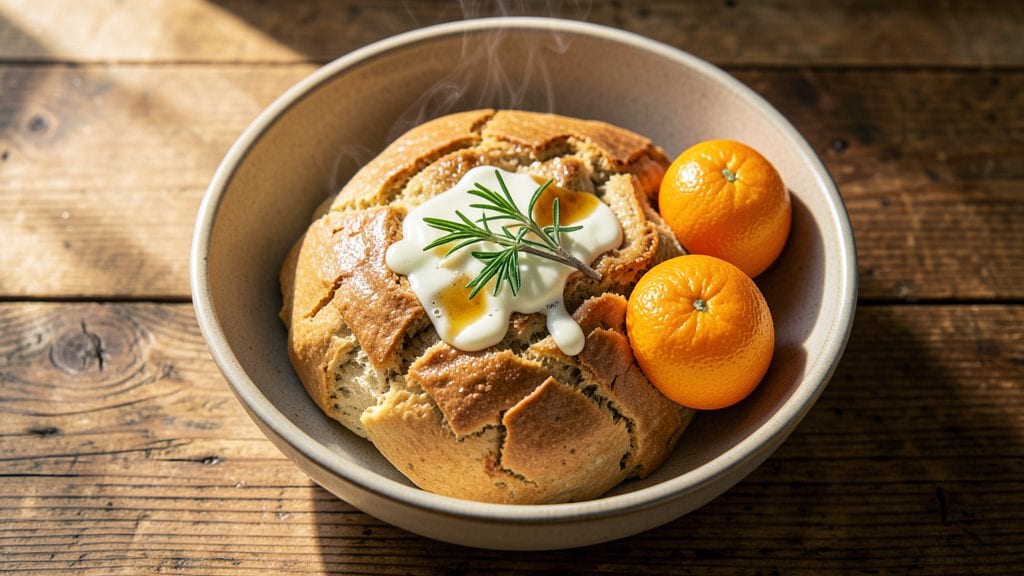
Paula Deen's no-knead bread recipe delivers that perfect Southern combination of crisp golden crust and buttery soft crumb with minimal effort. The secret lies in a simple dough that develops flavor overnight while requiring no kneading or advanced skills—just patience and a hot oven.
I’ve adapted her signature technique to ensure foolproof results, even for home bakers who aren’t used to long fermentation times.
What makes this recipe work is the balance of flour, yeast, and a touch of sugar that encourages slow fermentation. The dough rests in the refrigerator for at least 12 hours, allowing the gluten to relax and the flavor to deepen naturally.
When you finally bake it, the steam from the hot oven creates that signature crisp crust while keeping the inside tender and pillowy.
By the time you pull this loaf from the oven, you’ll have a rustic, artisanal-style bread that tastes like it came from a Southern bakery. The crust has just the right amount of snap, while the crumb inside is so soft it practically melts in your mouth.
This is the kind of bread that disappears faster than you can slice it—perfect for sandwiches, toast, or serving alongside soups and stews.
The best part? Once you master this method, you’ll never go back to store-bought loaves. Let’s get started on creating your own Southern-style masterpiece with just a few simple ingredients and a little time.
Ingredients for paula deen no knead bread
Just nine ingredients transform into Paula Deen's legendary Southern-style bread. No fancy tools, no kneading—just pure, golden perfection.
| Ingredient | Amount | Notes |
|---|---|---|
| All-Purpose Flour 🌾 | 5 cups | Sifted for even texture |
| Active Dry Yeast 🍞 | ¼ oz | Or 2 1/4 tsp (1 packet) |
| Granulated Sugar 🍬 | ½ cup | Encourages yeast activity |
| Unsalted Butter 🧈 | ½ cup | Cold, cubed for flavor |
| Large Eggs 🥚 | 1 whole | Room temperature preferred |
| Warm Water 💧 | 1 ½ cups | 110°F ideal for yeast |
| Coarse Sea Salt 🧂 | 1 ½ tsp | Enhances crust flavor |
| Cornmeal 🌽 | ¼ cup | For dusting baking sheet |
| Ice Water ❄️ | ½ cup | For shaping dough |
The yeast is your secret weapon here. Bob's Red Mill or Saf-Instant both work great, but check the expiration date—old yeast won't wake up. Warm water is key: too hot and you kill it, too cold and it won't activate. 110°F is ideal—think warm bathwater. For the flour, King Arthur or Gold Medal are my go-tos, but any all-purpose will do. The butter? Full-fat, unsalted—none of that low-fat nonsense. If you're in a pinch, European-style butter like Plugrá adds extra richness. The sugar might seem like a lot, but it's what gets that yeast party started.
No cornmeal? Semolina or extra flour works in a pinch for dusting. Short on butter? Olive oil at half the amount keeps things from getting too dry. The egg can be omitted if you're avoiding dairy, but the crust will be slightly less tender. For a sweeter loaf, add 1 tbsp honey to the dough. Want more flavor? Swap 1/4 cup of the flour for whole wheat—it'll give you a nuttier taste. The dough is sticky after mixing, but don't panic—it's supposed to be that way. If it's too wet, add 1 tbsp more flour. Too dry? Add 1 tsp water. Trust the process.
This dough is a patient's game. Shape it, cover it, and let it chill for at least 12 hours—overnight is even better. The longer it rests, the deeper the flavor. Once baked, let it cool completely on a wire rack before slicing—at least 1 hour. The crust stays crisp for 2 days at room temperature, but the crumb gets stale faster. For leftovers, wrap tightly in foil and reheat in a 350°F oven for 10 minutes. Freeze slices for up to 3 months—perfect for quick toast.
Why You'll Love This Recipe
- No-Knead Magic: I’ll be real—this recipe saved me on a Tuesday night when I’d already given up on dinner. Just mix the dough (flour, yeast, sugar, butter, and eggs), shape it, and let it rise while you’re watching TV. No punching, no stress—just hands-off baking.
- Rich Buttery Crust: That melted butter in the dough? It’s the secret weapon. The crust gets golden and crisp while the inside stays tender—like a hug from Paula Deen herself. The sugar just adds this subtle sweetness that makes every slice feel special.
- Weeknight Workhorse: I use this for sandwiches, toast with jam, or even as a side for chili. Freeze half the loaf right after baking, and you’ve got fresh bread anytime. Honestly, it’s my go-to for everything from breakfast to Sunday dinners.
- Budget-Friendly Staple: All-purpose flour, butter, and eggs are pantry basics, and a single batch stretches for days. I’ve fed my whole family plus leftovers for lunch—no wasted ingredients, just pure, reliable bread. Plus, it’s cheaper than store-bought and way better.
Step-by-step instructions for Paula Deen's no-knead bread
Here's the secret to Paula Deen's signature Southern-style loaf—crispy crust, tender crumb, and zero fuss.
Activate the Yeast and Mix the Dough
In a large bowl, whisk together the 1.5 cups warm water (around 110°F—too hot and you'll kill the yeast), 0.5 cup granulated sugar, and 0.25 oz active dry yeast. Let it sit for 5-10 minutes until foamy—this means your yeast is alive and ready to work. If it doesn't foam, your yeast might be dead, and you'll need to start over.
Add the 5 cups all-purpose flour and 1.5 tsp coarse sea salt to the bowl. Use a wooden spoon to stir until a shaggy dough forms. Then, cut in the 0.5 cup cold, cubed unsalted butter with a fork or your fingers until it's fully incorporated. The dough will look sticky and uneven, but that's perfect—this is no-knead bread after all.
Add the Egg and Let the Dough Rest
Crack the 1 whole large egg into the bowl and mix it in with a wooden spoon until fully combined. The dough will be thick and sticky, almost like a wet batter. Cover the bowl with a damp kitchen towel or plastic wrap and let it rest at room temperature for 1 hour. This gives the yeast time to work its magic and makes shaping the dough much easier later.
Here's the thing—don't rush this step. The longer the dough rests, the more flavor it develops. If your kitchen is cool, you might need to let it rest for up to 2 hours. Just keep an eye on it to make sure it doesn't dry out.
Shape and Chill the Dough
After the dough has rested, it should be noticeably puffier and easier to handle. Lightly flour a clean surface and turn out the dough. Gently fold it over itself a few times to bring the edges to the center—this helps create a smooth, rounded loaf. Shape it into a rough oval or rectangle, depending on your preference.
Place the shaped dough on a piece of parchment paper and cover it loosely with plastic wrap. Refrigerate for at least 12 hours or up to 24 hours. This long chill time is what gives this bread its incredible texture and flavor. The cold slows down the yeast, allowing it to develop deep, rich notes without overproofing.
Preheat and Prepare for Baking
Preheat your oven to 375°F. Line a baking sheet with parchment paper and sprinkle it generously with 0.25 cup cornmeal. This creates a crispy, golden crust and prevents the bread from sticking. Remove the dough from the fridge and place it on the prepared baking sheet.
Brush the top of the dough with a little water using a pastry brush. This helps create a shiny, crackly crust. Bake for 45-50 minutes until the bread is deep golden brown and sounds hollow when tapped on the bottom. If the top browns too quickly, tent it loosely with foil to prevent over-browning.
Add Ice Water for Extra Crispiness
While the bread is still hot, carefully remove it from the oven and immediately brush the top with 0.5 cup ice water. This step is Paula Deen's signature trick—it creates a stunning, crispy crust that's perfect for dipping in butter or soup. Let the bread cool on a wire rack for at least 15 minutes before slicing.
Slice into thick pieces and serve warm. The crust should be crisp and golden, while the crumb inside should be soft and tender with just the right amount of chew. This bread is so good, you'll want to make it every week—trust me, your whole house will smell amazing while it bakes.
Pro Tips For Making Paula Deen No Knead Bread
- Use Warm Butter: Paula Deen’s recipe calls for softened butter, but I’ve found that warm butter (just melted and cooled to room temp) blends faster with the flour and eggs—no greasy lumps. (Yes, even if you’re impatient like me, resist the urge to microwave it hot.)
- Measure Yeast Precisely: That “1 packet” of yeast? It’s not ¼ teaspoon—it’s 2¼ teaspoons. I learned this the hard way when my dough took forever to rise. Weigh it if you can, or use a kitchen scale for accuracy.
- Don’t Overmix the Dough: After adding the flour, mix just until combined—overworking it makes the bread dense. I used to think more mixing = better texture, but this dough needs to stay tender. Two minutes max with a wooden spoon.
- Let It Rise Twice: The first rise is easy, but the second one? Critical. Place the dough in a greased bowl, cover it loosely (no airtight lid), and let it rise in a warm spot (like a turned-off oven with a cup of hot water) until it’s almost doubled. (Your future self will thank you.)
Regional styles of this paula deen no knead bread
Southern-Style Twist
Paula Deen’s version keeps the classic no-knead method but adds a Southern touch with buttermilk instead of water for the dough. Replace 1 cup of warm water with 1 cup buttermilk—this creates a slightly tangy crumb that’s even more tender.
For extra richness, fold in 1 tbsp melted bacon fat with the butter. The smoky depth pairs perfectly with the sweetness of the crust. 🧈
Texas-Style Crust
Inspired by Texas BBQ culture, brush the baked loaf with 2 tbsp melted butter mixed with 1 tsp smoked paprika while still warm. This adds a subtle smokiness that complements pulled pork or brisket sandwiches.
For a crispier crust, dust the dough with 1 tbsp cornmeal before baking instead of just on the baking sheet. The result? A crackly exterior that holds up to thick slices of meat. 🌶️
New England Crusty Loaf
For a denser, heartier loaf like those from New England bakeries, reduce the sugar to 0.25 cup and add 1 tbsp honey to the dough. Shape it into a long oval and bake in a cast-iron skillet lined with parchment paper.
The iron conducts heat better, creating a deeper crust. Brush the top with 1 tbsp melted butter during the last 5 minutes of baking for extra shine. This version is perfect for chowder or clam chowder dipping. 🍲
Honey-Wheat Variation
Swap 1 cup of all-purpose flour for whole wheat flour and add 2 tbsp honey to the dough for a nuttier, slightly sweeter loaf. This works especially well in the South, where honey is a staple. The whole wheat adds fiber while keeping the crumb soft.
Brush the baked loaf with 1 tbsp honey after the ice water step for a sticky, caramelized finish. Pair it with peanut butter or jam for a Southern breakfast classic. 🍯
Herbed Garlic Loaf
For a savory twist, mix 2 tbsp finely chopped fresh rosemary and 1 tbsp minced garlic into the dough before shaping. This version is ideal for serving with roasted meats or Mediterranean dishes.
After baking, drizzle with 1 tbsp olive oil mixed with 1 tsp lemon zest for brightness. The herbed crust adds depth without overpowering the bread’s natural flavor. 🌿
Nutrition facts
Frequently asked questions
Why does Paula Deen's no-knead bread need to chill overnight?
The overnight chill is key for developing deep flavor and perfect texture. The cold slows yeast activity, allowing gluten to relax and create a tender crumb. This also prevents overproofing, giving you that signature Southern-style bread with a crisp crust and soft interior.
Can I make this bread without an egg?
Yes! Replace the egg with 1 tablespoon melted butter or 2 tablespoons milk. The egg adds richness and structure, but the bread will still bake successfully. For best results, let the dough rest an extra 30 minutes at room temperature before shaping.
What if my dough doesn't rise after the first hour?
Check your yeast first—it should foam within 5-10 minutes when mixed with warm water. If not, your yeast is dead. For a quick fix, add 1/4 teaspoon more yeast and let it rest another 30 minutes. Keep your kitchen warm (around 75°F) to help the dough rise properly.
How do I store leftovers to keep them fresh?
Wrap cooled bread tightly in foil or place in an airtight container. For short-term storage, keep at room temperature for 2 days. To revive stale bread, warm slices in a 350°F oven for 5-10 minutes or toast until crispy. For longer storage, freeze slices for up to 3 months.
Can I make this bread in a Dutch oven?
A Dutch oven creates an even steadier crust. Place the shaped dough in a parchment-lined Dutch oven, cover with the lid, and bake at 375°F for 30 minutes. Then remove the lid and bake 15-20 minutes more until golden. The steam from the Dutch oven gives you that perfect artisanal crust.