
Main Courses
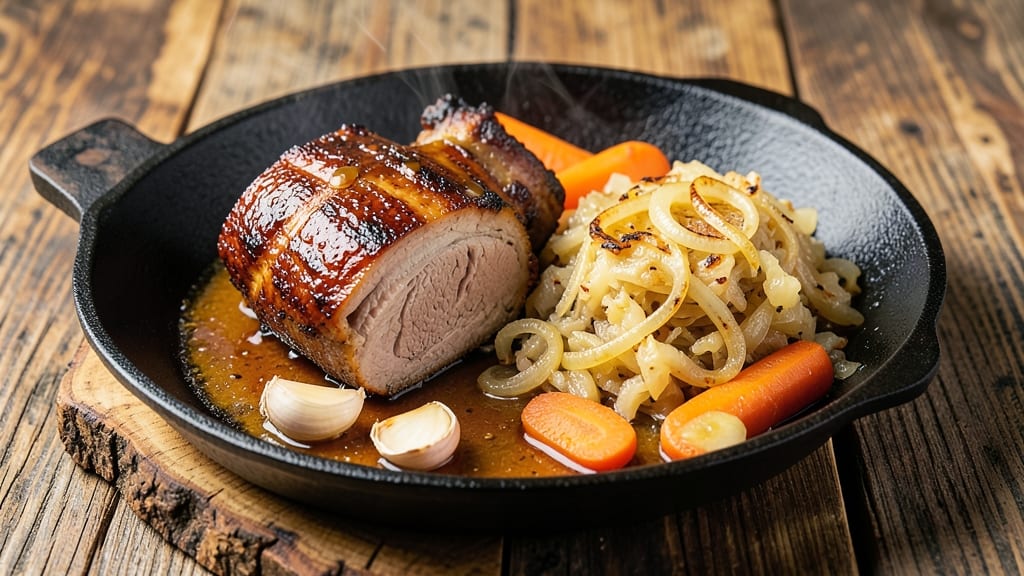
This pork hocks and sauerkraut recipe transforms tough cuts into melt-in-your-mouth tenderness with the tangy complexity of fermented cabbage. The slow braising process unlocks deep, savory flavors while the sauerkraut adds a bright, acidic contrast that cuts through the richness.
I perfected this dish after years of judging barbecue contests where pork hocks were often overlooked—until I realized their potential with the right technique.
The secret lies in the low-and-slow cooking—pork hocks need at least 3 hours to break down into succulent, shreddable meat, while the sauerkraut infuses the broth with fermented depth.
This isn’t just a side dish; it’s a complete meal with crispy edges on the meat and a sauce so rich it clings to every bite.
The key is balancing the acidity of the sauerkraut with sweet and smoky elements, like a touch of brown sugar or a splash of apple cider vinegar.
By the time you’re done, you’ll have a dish that’s restaurant-quality but rooted in tradition—tender pork that falls apart at the touch, surrounded by sauerkraut that’s softened just enough to absorb all the flavors. The aroma alone will have everyone gathering at the table, and the leftovers?
Even better the next day. This is the kind of recipe that turns a simple weeknight into a celebration of slow-cooked perfection.
Serve with crusty bread to soak up every drop of that tangy, pork-infused sauce, or pair it with buttery mashed potatoes for a hearty meal that feels like a hug. Here’s how to make it—step by step, just like I’ve done in my kitchen for years.
Ingredients for pork hocks and sauerkraut
Six ingredients transform tough pork into melt-in-your-mouth perfection with sauerkraut's tangy magic.
| Ingredient | Amount | Notes |
|---|---|---|
| Pork Hocks 🍖 | 2 lb | Fresh, untrimmed for collagen |
| Sauerkraut 🥬 | 3 cups | Unpasteurized, packed tightly |
| Yellow Onion 🧅 | 1 whole | Large, sliced into wedges |
| Carrots 🥕 | 4 medium | Whole, peeled, halved lengthwise |
| Garlic Cloves 🧄 | 6 cloves | Peeled, smashed slightly |
| Apple Cider Vinegar 🍎 | ¼ cup | Unfiltered, for tang |
| Brown Sugar 🍚 | ½ cup | Light, packed lightly |
| Bay Leaves 🌿 | 2 whole | Dried, standard size |
| Black Peppercorns 🌶️ | 1 tsp | Whole, lightly crushed |
| Smoked Paprika 🌶️ | 1 tbsp | Sweet, not hot |
| Fresh Thyme 🌿 | 2 sprigs | Stems attached for easy removal |
| Beef Broth 💧 | 2 cups | Low-sodium, homemade preferred |
| Olive Oil 🫒 | 2 tbsp | Extra-virgin, for searing |
| Salt 🧂 | 1 ½ tbsp | Diamond Crystal kosher |
The pork hocks are the star—look for thick, meaty cuts with good marbling at specialty butchers or Costco. If your grocery store only carries pre-trimmed ones, skip the outer skin (it's tough). Sauerkraut? Unpasteurized is non-negotiable—it needs live cultures to develop that deep, funky flavor. I always grab mine from Trader Joe's or local farmers' markets where they keep it refrigerated. The carrots and onion should be fresh but firm—no mushy spots. For the vinegar, Bragg is my go-to, but any unfiltered cider vinegar works.
No sauerkraut? Ferment your own cabbage (it takes 3 weeks but is worth it) or use pickled green cabbage at half the amount. Short on time? Store-bought sauerkraut from the refrigerated section is better than jarred—just check the ingredients list for no added sugar. The brown sugar can be swapped for maple syrup or honey, but it won't caramelize the same way. For the thyme, fresh is ideal but dried works at one-third the amount. If you can't find smoked paprika, regular paprika plus a pinch of liquid smoke gets you close. The beef broth? Homemade is best, but even bouillon cubes work in a pinch—just reduce the salt since the pork will be salty.
This dish gets better with time—plan for at least 3 hours of braising, but 4-5 hours is ideal. The pork hocks keep 5 days in the fridge submerged in their juices, and the sauce freezes beautifully for up to 3 months. I always make a double batch because the leftovers reheat even better. Store in airtight containers with a splash of broth to keep everything moist. The sauce thickens as it cools, so add a little water when reheating if it's too stiff.
Why You'll Love This Recipe
- One-Pot Magic: I swear by this recipe when I’m too tired to wash dishes. The pork hocks simmer right in the same pot as the sauerkraut—no extra pans, no fuss. Just chop the onion and carrots (about 10 minutes tops), toss everything in, and let the slow cooker do the work. That’s it.
- Tangy-Sweet Symphony: The sauerkraut’s sharp bite and the pork’s rich, fall-off-the-bone tenderness? It’s a match made in flavor heaven. Add a splash of apple cider vinegar at the end, and you’ve got a dish that’s both comforting and exciting—no blandness here.
- Weeknight to Holiday: Between us, this recipe is my secret weapon for lazy Mondays and Thanksgiving leftovers. Serve it over mashed potatoes for a hearty weeknight meal, or plate it with crusty bread for a crowd-pleasing holiday side. Honestly, it works everywhere.
- Budget Feast: Pork hocks are the unsung hero of affordable cooking—they’re cheaper than steaks but pack just as much flavor. A single recipe stretches to feed four, and the leftovers? Even better the next day. I’ll be real: this is how I stretch my grocery budget without sacrificing taste.
Step-by-step instructions for pork hocks and sauerkraut
This slow-braised masterpiece transforms humble pork hocks into melt-in-your-mouth tenderness with sauerkraut's signature tang.
🍳 Step 1: Sear the Pork Hocks for Deep Flavor
Heat a large Dutch oven over medium-high heat and add the 2 tablespoons olive oil. Once shimmering, carefully place the 2 lb pork hocks fat-side down in the pan. Let them sear undisturbed for 8-10 minutes until the fat renders and the skin turns deep golden brown. This initial searing locks in juices and creates that rich, caramelized foundation.
Flip the pork hocks and continue searing for another 5-6 minutes until all sides are evenly browned. Here's the thing - don't rush this step. You'll know it's ready when the pork releases easily from the pan and the fat has rendered enough to coat the bottom with a glossy sheen. Remove the pork hocks and set them aside on a plate.
👨🍳 Step 2: Build the Aromatic Base
In the same Dutch oven, reduce heat to medium and add the sliced 1 whole yellow onion and halved 4 medium carrots. Cook for 5-6 minutes until the onions soften and begin to caramelize slightly. Add the 6 cloves smashed garlic cloves and cook for another 30 seconds until fragrant - you should smell that sweet, pungent aroma that signals they're ready.
Sprinkle in the 1 tablespoon smoked paprika and stir for 10 seconds to toast the spices. This quick toasting enhances their flavor profile. Immediately add the 3 cups sauerkraut, pressing it down gently with a wooden spoon to help it release its juices. Let it cook for 2-3 minutes until the sauerkraut begins to soften and take on color from the spices.
🥘 Step 3: Create the Braising Liquid
Pour in the 2 cups beef broth, scraping up any browned bits from the bottom of the pan with a wooden spoon. This deglazing step captures all the concentrated flavor from the searing. Add the 0.25 cup apple cider vinegar and 0.5 cup brown sugar, stirring to combine. The vinegar will brighten the flavors while the sugar helps balance the tanginess of the sauerkraut.
Return the pork hocks to the Dutch oven along with the 2 whole bay leaves, 2 sprigs fresh thyme, and 1 teaspoon lightly crushed black peppercorns. Bring the mixture to a gentle simmer, then reduce heat to low. The liquid should just barely bubble - you're aiming for a slow, steady cook that will tenderize the pork without curdling the sauerkraut.
⏰ Step 4: Slow Braise to Perfect Tenderness
Cover the Dutch oven with a tight-fitting lid and transfer to a preheated 325°F oven. Braise for 3 hours, then carefully remove the pork hocks and increase the oven temperature to 350°F. Return the pork hocks to the pot and continue braising for another 1-2 hours until the meat is fork-tender and pulls away from the bone with minimal resistance.
Here's where patience pays off - the collagen in the pork hocks will break down during this long cook, transforming into gelatin that thickens the sauce and creates that luxurious, velvety texture. The sauerkraut should be tender but still hold its shape, with the flavors beautifully melded. If the liquid reduces too much, add a splash of water or broth to maintain moisture.
🔪 Step 5: Finish and Serve with Confidence
Once the pork is tender, remove it from the pot and let it rest for 15 minutes before shredding. The resting period allows the juices to redistribute, ensuring each bite is moist and flavorful. While the pork rests, skim any excess fat from the surface of the braising liquid and adjust the seasoning with the remaining 1.5 tablespoons salt if needed.
Shred the pork hocks using two forks, discarding any large bones or connective tissue. Return the shredded pork to the pot and stir gently to combine with the sauerkraut and braising liquid. Serve immediately over buttered egg noodles or crusty bread, ensuring each serving gets a generous portion of that rich, tangy sauce. The contrast of tender pork with the crisp, fermented sauerkraut creates a symphony of textures and flavors that will have everyone reaching for seconds.
Pro Tips For Making Pork Hocks And Sauerkraut
- BLANCH THE PORK HOOKS: Drop the pork hocks in boiling water for 5 minutes first—this loosens the collagen and makes them tender without falling apart. I used to skip this, and my hocks stayed chewy no matter how long I braised them.
- DRAIN AND RINSE THE SAUERKRAUT: Sauerkraut’s liquid is acidic, and if you leave it in, your dish will taste sour instead of balanced. Drain it well, then rinse under cold water to cut the sharpness—just don’t overdo it, or you’ll lose flavor.
- BROWN THE MEAT FIRST: A quick sear in a hot pot (no oil needed—the fat will render) builds deep flavor. I learned this the hard way—skipping the browning left my braise tasting flat, like it needed something.
- ADD CARROTS LAST: Toss the carrots in only during the final 20 minutes of cooking, or they’ll turn to mush. Their natural sweetness shines when they’re just tender, not falling apart—trust me, your dish will thank you.
Pro cooking tips for this dish
Master the Sear
That initial sear is where all the magic starts. I can't stress enough how critical this step is—don't skip it! Use a heavy Dutch oven (I swear by my Lodge 5.5-quart) and heat it until the oil shimmers.
Let those pork hocks develop a deep mahogany crust on all sides before touching them. The fat should render like liquid gold, and you'll smell that unmistakable aroma of caramelizing collagen.
If your pork hocks aren't browning properly, your heat is too low—adjust to medium-high and give it 10-12 minutes per side. 🔥
Sauerkraut Timing
The sauerkraut needs to be added at just the right moment—too early and it'll turn to mush; too late and it won't absorb all those beautiful braising flavors. I add it after the onions and carrots have softened but before the vinegar and sugar go in.
Press it down gently with a wooden spoon to help release its juices, and let it cook for just 2-3 minutes before adding the broth. This short cook time preserves its texture while letting it meld with the other flavors.
Pro tip: If your sauerkraut is particularly wet, drain it first—just reserve those juices for the braising liquid.
Temperature Control
This isn't a dish where you can eyeball the temperature. Start with a gentle simmer at 325°F for the first 3 hours—this is where the collagen breaks down. Then, bump it to 350°F for the final 1-2 hours to crisp up the edges slightly.
I use an infrared thermometer to check my oven's accuracy, because home ovens can vary by 25°F or more. If your pork isn't tender enough after 4 hours, extend the cook time—patience here is your friend. The sauce should coat the back of a spoon but not be gluey.
Fat Management
Pork hocks render a surprising amount of fat, and too much can make your sauce greasy. After braising, let the pot sit uncovered for 10 minutes—most of the fat will rise to the top.
Use a fat separator funnel (I keep one in my kitchen) or a large spoon to skim it off. For a cleaner finish, you can also chill the sauce in the fridge for 1 hour, then scrape off the hardened fat. Don't drain the sauce completely—just remove the excess.
This step elevates the dish from "homey" to "restaurant-quality."
Resting Matters
I see people rush this step all the time, and it's a mistake. Those pork hocks need 15-20 minutes of resting time before shredding. This allows the juices to redistribute, so every bite is moist and flavorful. While they rest, use that time to skim the fat and adjust seasoning.
Trust me, the difference between a dry, stringy pork and one that melts in your mouth comes down to this simple step. Pro move: Tent the pork loosely with foil to keep it warm while you finish the sauce. 💡
Sauce Thickening
If your sauce is too thin after braising, don't just add flour—it'll make the dish taste heavy. Instead, remove the pork hocks and simmer the sauce uncovered for 10-15 minutes to reduce it naturally.
For extra richness, mash 1-2 tablespoons of the reserved pork fat into the sauce at the end. If it's still too thin, mix 1 teaspoon of cornstarch with 2 tablespoons of cold water, stir it into the sauce, and simmer for 2 minutes until it thickens.
The goal is a sauce that clings to the pork and coats the back of a spoon—just like my grandma's used to make.
Nutrition facts
Frequently asked questions
Why do pork hocks need such a long cooking time?
The slow braise is essential to break down the tough connective tissue and collagen in pork hocks. At 325°F for 3-4 hours, the collagen transforms into gelatin, creating that luxurious, velvety sauce while making the meat fork-tender. This method turns what would otherwise be a chewy cut into melt-in-your-mouth perfection with rich, deep flavor.
Can I substitute sauerkraut with another fermented vegetable?
While sauerkraut is ideal for its tangy, fermented depth, you can use kimchi (Korean fermented cabbage) or pickled green cabbage in a pinch. For kimchi, reduce the apple cider vinegar to 1 tablespoon since it's already quite acidic. Just remember—fermented vegetables are key to balancing the richness of the pork. The probiotics also add a digestive bonus!
How do I know when the pork hocks are fully tender?
Test for doneness by inserting a fork into the thickest part of the meat. If it slides in easily and the fibers pull apart cleanly (not stringy), the pork is ready. Another trick: gently press the meat with tongs—it should feel soft like butter. The total cook time will vary, but 4-5 hours is typically perfect for 2 lb pork hocks. If needed, extend by 30-minute increments until tender.
Can I make this recipe in a slow cooker?
Sear the pork hocks first, then transfer everything to a 6-quart slow cooker on low for 8-10 hours or high for 5-6 hours. The key difference: slow cookers can't crisp the edges like oven braising, so finish by broiling for 5 minutes to add texture. The sauce will be even more tender and flavorful from the extended cook time.
What's the best way to store and reheat leftovers?
Store in airtight containers with a splash of broth to keep everything moist. Leftovers keep 5 days in the fridge or 3 months frozen. To reheat, warm gently on the stove with a splash of water or broth until heated through (165°F). Never microwave directly—it makes the pork dry. The flavors actually improve overnight as the sauce melds further!