
Side Dishes
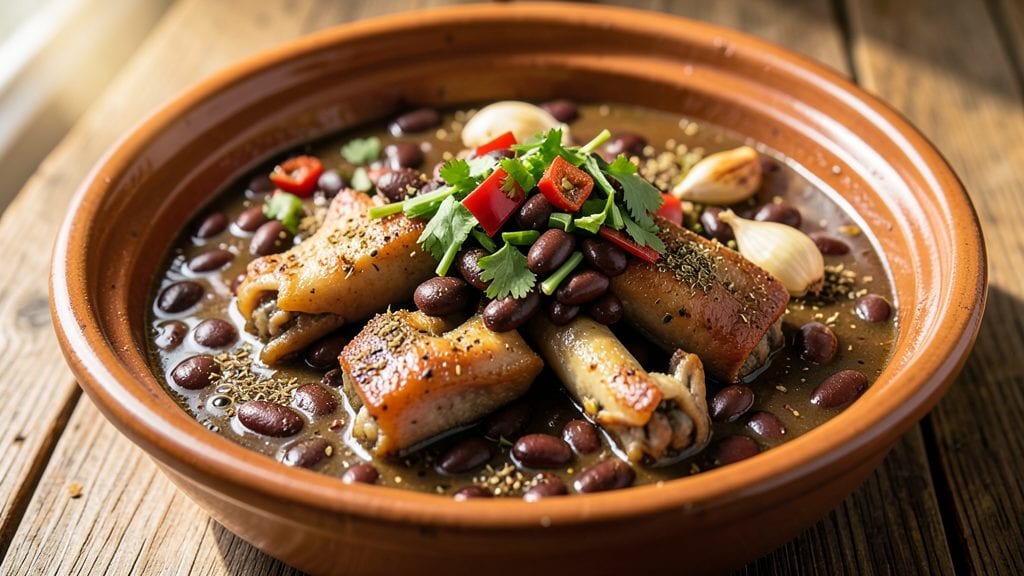
This Puerto Rican beans with pigs feet recipe transforms humble ingredients into a dish rich with tradition and deep, savory flavor—perfect for gatherings where hearty sides steal the show.
The pigs' feet add unmatched collagen-rich tenderness, while slow-cooked beans develop a velvety texture and complex seasoning that speaks to generations of Puerto Rican kitchens.
I first made this dish after discovering how the collagen from pigs' feet elevates the beans from ordinary to extraordinary, creating a dish that's both comforting and impressive.
The secret lies in the slow cooking process, which allows the beans to soften perfectly while absorbing the deep flavors of garlic, sofrito, and spices like oregano and cumin. This isn't just a side dish—it's a celebration of Puerto Rican cuisine, where every bite carries history and warmth.
The pigs' feet contribute a melt-in-your-mouth quality that turns simple beans into a centerpiece-worthy masterpiece, all while keeping preparation straightforward for home cooks.
By the time you're done, you'll have a pot of slow-cooked beans with tender pigs' feet that's impossible to resist—the kind of dish that disappears quickly and leaves everyone asking for seconds.
The aroma alone will fill your kitchen with memories of family gatherings, while the texture delivers both hearty satisfaction and refined elegance. This recipe proves that traditional dishes can be both accessible and unforgettable, even in a modern kitchen.
Whether you're serving this as part of a festive spread or simply craving a taste of Puerto Rico, the versatility of this dish shines. Pair it with rice, plantains, or even as a standalone main course for a meal that feels complete.
Here's how to bring this classic to your table with professional results every time.
Ingredients for puerto rican beans with pigs feet
Sixteen ingredients, one unforgettable dish—where collagen-rich pigs' feet meet velvety beans in Puerto Rican tradition.
| Ingredient | Amount | Notes |
|---|---|---|
| Pigs' Feet 🐷 | 2 ½ lb | Fresh or frozen, cleaned and trimmed |
| Dried Black Beans 🌱 | 2 cups | Uncooked, rinsed thoroughly |
| Fresh Sofrito 🍅 | 1 ½ cups | Homemade or store-bought, well-seasoned |
| Garlic Cloves 🧄 | 8 cloves | Peeled and lightly crushed |
| Dried Oregano 🍃 | 2 tsp | Mexican oregano preferred |
| Ground Cumin 🌿 | 1 ½ tsp | Freshly toasted for deeper flavor |
| Bay Leaves 🍃 | 2 whole | Fresh or dried, removed before serving |
| Onion 🧅 | 1 whole | Yellow or red, chopped |
| Bell Pepper 🌶️ | 1 whole | Red or green, diced |
| Tomato Paste 🍅 | ½ cup | Smooth, no sugar added |
| Chicken Broth 💧 | 4 cups | Low-sodium preferred |
| Olive Oil 🫒 | ¼ cup | Extra-virgin for richness |
| Salt 🧂 | 1 ½ tsp | Diamond Crystal kosher salt |
| Black Pepper 🌶️ | 1 tsp | Freshly ground for best flavor |
| Lime 🍋 | 1 whole | Juiced, for brightness |
The pigs' feet are the star, so don't skimp on quality. Look for fresh or high-quality frozen at specialty butchers or Latin markets—the collagen-rich connective tissue is what transforms this dish from ordinary to extraordinary. If using frozen, thaw overnight in the fridge (never at room temperature). The beans should be uncooked, dried black beans—never canned, as they won't develop the same texture. For sofrito, homemade is ideal (blend bell peppers, onions, garlic, cilantro, and olive oil), but Trader Joe's or Goya brands work in a pinch. The key is ensuring your sofrito has a deep, complex flavor—no shortcuts here.
No pigs' feet? Substitute with pork shanks or chicken thighs, but reduce cooking time by 2 hours. Running short on time? Canned black beans work, but add an extra 0.5 cup of broth and simmer 20 minutes longer. For the spices, Mexican oregano is a must—regular oregano won't cut it. No fresh sofrito? Sauté 1 diced onion, 1 bell pepper, and 4 garlic cloves in olive oil as a substitute. The tomato paste can be skipped if you're using a flavorful broth, but it adds that umami depth that makes this dish sing. And if you're worried about the pigs' feet being too gamey, don't be—the slow cooking process melts all the fat and collagen, leaving you with a tender, rich flavor.
This dish tastes even better the next day, so make it ahead if possible. Store in an airtight container in the fridge for up to 5 days, or freeze for 3 months. The pigs' feet will continue to tenderize over time, so if you're patient, let them sit in the broth overnight before serving. To reheat, simmer gently on the stove or warm in a 350°F oven until heated through. The beans will thicken as they cool, so add a splash of broth if needed. Serve with warm rice, fried plantains, or crusty bread to soak up every last bit of that collagen-rich broth—trust me, you'll want seconds.
Why You'll Love This Recipe
- One-Pot Magic: I swear by this recipe because it’s basically a set-it-and-forget-it kind of deal. The pigs’ feet simmer right alongside the beans, so you’re not stuck babysitting two pots—just stir occasionally and let the sofrito and garlic work their flavor magic.
- Deep Umami Bomb: That crispy skin on the pigs’ feet? Pure gold. When it breaks down into the broth, it turns the beans into this rich, savory dream—like a hug in a bowl. The oregano and sofrito add that bright, herby kick that makes it taste like home.
- Weeknight Workhorse: Between us, this is the dish that saves me when I’m too tired to think. Serve it with rice for dinner, pack leftovers for lunch, or bring it to a potluck—it’s the kind of thing people will ask for seconds of. (Yes, even on a Tuesday night.)
- Budget-Friendly Feast: Pigs’ feet might sound fancy, but they’re actually dirt cheap compared to other proteins. A pound goes a long way, and the beans stretch the meal even further. Honestly, it’s the kind of recipe that makes me feel like I’m feeding a crowd without breaking the bank.
Step-by-step instructions for Puerto Rican beans with pigs' feet
Here's how to transform humble ingredients into a deeply flavorful, collagen-rich dish that simmers to perfection.
Prepare the Pigs' Feet for Maximum Flavor
Start by thoroughly cleaning the 2.5 lb pigs' feet under cold running water, scrubbing away any remaining hair or debris. This step is crucial—any leftover grime will make your beans taste off. Once clean, place them in a large pot and cover with cold water by about 2 inches. Bring to a boil over high heat, then immediately reduce to a simmer and cook uncovered for 1 hour.
During this time, the connective tissue will begin breaking down, releasing collagen into the water. You'll notice the water turns cloudy and the feet become more pliable. Drain the water completely—we'll use this later—but save the feet for the next step. The rendered collagen will become the velvety foundation of your beans.
Build the Flavor Base with Sofrito and Aromatics
Heat the 0.25 cup olive oil in a large Dutch oven over medium heat. Add the 1 whole chopped onion and 1 whole diced bell pepper, cooking for 8-10 minutes until softened and beginning to caramelize at the edges. This slow cooking develops deep, sweet flavors that form the heart of your beans.
Add the 8 cloves lightly crushed garlic cloves and cook for 30 seconds until fragrant—don't let it brown or it'll turn bitter. Stir in the 1.5 cups fresh sofrito, 0.5 cup tomato paste, 2 tsp dried oregano, and 1.5 tsp ground cumin, cooking for another 2 minutes to toast the spices and blend all flavors together.
Combine All Ingredients for the Long Simmer
Add the cleaned pigs' feet back to the pot along with the 2 cups dried black beans, 4 cups chicken broth, 1.5 tsp salt, and 1 tsp black pepper. Stir gently to combine—there's no need to rinse the beans as the broth will help them soften. The beans should be mostly submerged, but it's okay if they're not completely covered.
Bring everything to a boil over high heat, then immediately reduce to a gentle simmer. Add the 2 whole bay leaves and cover partially with a lid. This technique allows steam to escape while keeping the beans moist. Let it cook for 3-4 hours, stirring occasionally to prevent sticking. The beans are done when they're tender but still hold their shape—no mushy texture here.
Finish with Lime and Rest for Perfect Texture
Once the beans are tender, remove the bay leaves and stir in the juice of the 1 whole lime. This bright citrus note cuts through the richness of the pigs' feet and beans, balancing all the flavors. Let the mixture simmer uncovered for another 10 minutes to thicken slightly and allow the lime juice to meld with the other ingredients.
Transfer the beans to a serving bowl and let them rest for 15 minutes before serving. This resting period allows the flavors to fully develop and the beans to absorb any remaining juices. The result should be a thick, hearty stew where each spoonful delivers tender beans, rich collagen from the pigs' feet, and layers of aromatic sofrito. Serve hot with white rice and warm tortillas for the complete Puerto Rican experience.
Pro Tips For Making Puerto Rican Beans With Pigs Feet
- Parboil Pigs’ Feet First: Skip the raw plunge—parboil the pigs’ feet for 10 minutes in salted water before adding them to the pot. This softens the skin just enough so it renders fat without turning the broth greasy later. (Yes, even if you’re impatient like me, this makes a real difference.)
- Soak Beans Overnight: Dried black beans need at least 8 hours soaking, or they’ll turn mushy. Rinse them twice after soaking—once to remove debris, once to wash off excess starch. Trust me, your beans will thank you with a creamier texture.
- Sear the Feet Hard: After parboiling, pat the pigs’ feet dry and sear them skin-side down in a hot pot until deeply browned. This locks in flavor and prevents the skin from peeling off later. (I learned this the hard way—skipping this step means sad, slimy bits.)
- Simmer Low and Long: Once everything’s in the pot, keep the heat at a bare simmer—just enough to see tiny bubbles. High heat ruins the beans and makes the pigs’ feet tough. Two hours minimum, three if you want fall-off-the-bone tenderness. (No, you can’t rush this.)
Flavor customization for this recipe
Spice Level Control
Adjust the heat to your preference by adding ½ tsp cayenne pepper for mild warmth or 1 tsp hot sauce like Valentina or Tabasco for a kick. I often start with ½ tsp and taste as we go—this dish is forgiving, so you can always add more later.
For a smoky twist, swap ½ tsp smoked paprika for regular cumin. 🌶️
Herb Variations
Swap out the oregano for ½ tsp dried thyme or 1 tbsp fresh cilantro for a brighter profile. I’ve also used ½ tsp ground coriander alongside the cumin for a Middle Eastern-inspired twist that still feels authentically Puerto Rican.
Fresh herbs like cilantro or parsley add brightness—just stir them in at the very end to preserve their flavor.
Protein Swaps
No pigs' feet? Use 2 pork shanks or 1 lb chicken thighs for a milder flavor. For a vegetarian option, replace the pigs' feet with 1 cup extra-firm tofu or mushrooms (like shiitake), but reduce cooking time by 1 hour.
The beans will still be rich, just without the collagen boost. 💡
Acidity Balance
Lime juice is key, but you can experiment with 1 tbsp apple cider vinegar or ½ tsp white vinegar for tang. I’ve also added 1 tsp aminos (like coconut aminos) for umami depth. The goal is to brighten the dish without overpowering the sofrito’s natural sweetness.
Texture Adjustments
For creamier beans, stir in ¼ cup coconut milk or 2 tbsp heavy cream in the final 10 minutes of cooking. If the beans are too thick, add ½ cup broth or water. For extra crunch, top with toasted pumpkin seeds or fried shallots before serving.
Sweet-Savory Fusion
Add 1 tbsp brown sugar or ½ cup diced sweet potato to the sofrito for a caramelized depth. I’ve also used 1 tbsp raisins or chopped dates in the final 10 minutes for a surprising sweetness that balances the savory pigs' feet.
This works especially well if you’re serving it with rice or plantains. ✨
Nutrition facts
Frequently asked questions
Why do the pigs' feet need to be cleaned so thoroughly?
Pigs' feet naturally carry hair and dirt that can make your beans taste bitter or off. A thorough cleaning removes all residue, ensuring the collagen-rich meat infuses clean flavor into the beans. Skipping this step risks a gritty texture and unpleasant taste—worth the extra 10 minutes!
Can I use canned beans instead of dried?
Yes, but adjust cooking time! Use 2 (15 oz) cans of black beans (drained) and simmer the mixture for 1 hour instead of 3-4 hours. The beans won't develop the same thick texture, but they'll still be flavorful. For best results, add ½ cup extra broth to compensate for lost moisture.
How do I know when the pigs' feet are fully cooked?
The feet are done when they're fork-tender and easily pull apart with minimal resistance. After the initial 1-hour boil, they should feel soft and pliable—almost like overcooked chicken. If they still feel firm after 4 hours of simmering, add 30 more minutes of cooking time.
What's the best way to store leftovers?
Let the beans cool completely, then transfer to an airtight container. They'll keep in the fridge for 5 days or freeze for 3 months. The pigs' feet continue tenderizing over time, so leftovers actually improve! Reheat gently on low heat or in a 350°F oven until warmed through.
Can I make this dish in an Instant Pot?
Sauté onions, peppers, and garlic first, then add all ingredients except lime juice. Cook on high pressure for 25 minutes, then natural release. Stir in lime juice at the end. The beans will be slightly softer than stovetop, but the collagen from pigs' feet remains intact.