
Snacks
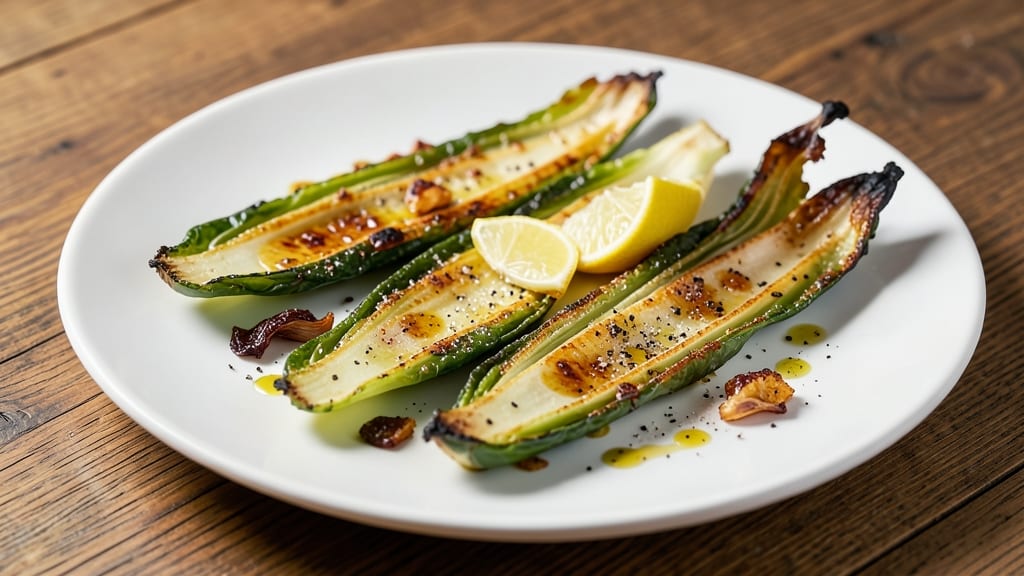
This roasted romaine hearts recipe transforms simple lettuce into a crispy, golden snack with cool creamy centers that balance every bite. The secret lies in high-heat roasting that caramelizes the edges while keeping the inner leaves tender—no soggy salad here.
I perfected this technique after years of experimenting with roasted vegetables, and the results are consistently restaurant-worthy.
Start by trimming the romaine hearts and removing any tough outer leaves, then toss them in olive oil and season with salt and pepper. Roasting at 400°F for 12-15 minutes creates that perfect contrast: crispy, caramelized edges with a slightly charred texture, while the centers stay cool and creamy.
The key is flipping them halfway to ensure even browning—this isn’t a dish where you can cut corners.
What you’ll end up with is a dish that’s surprisingly substantial—crunchy enough to satisfy a snack craving but light enough to serve as a side. The caramelized flavor is rich and nutty, with a satisfying crunch that pairs beautifully with creamy dressings like ranch or a tangy lemon vinaigrette.
This is the kind of dish that elevates a simple salad into something special.
Serve these roasted romaine hearts as a snack with dipping sauces, or pair them with grilled chicken, tofu, or as a side for steak. The possibilities are endless, but the technique remains the same: high heat, minimal ingredients, and maximum flavor. Ready to try it?
Ingredients for roasted romaine hearts
Eight ingredients transform crispy romaine into a restaurant-worthy snack with perfect texture contrast.
| Ingredient | Amount | Notes |
|---|---|---|
| Romaine Hearts 🥬 | 2 whole | Outer leaves removed, trimmed |
| Extra-Virgin Olive Oil 🫒 | ¼ cup | High-quality, fruity variety |
| Kosher Salt 🧂 | 1 tsp | Fine grain preferred |
| Freshly Ground Black Pepper 🌶️ | ½ tsp | Freshly cracked preferred |
| Garlic Powder 🧄 | ¼ tsp | For subtle depth |
| Vegetable Oil Spray 🫒 | 2 tbsp | For baking sheet |
| Balsamic Glaze 🍷 | 2 tbsp | Optional finishing touch |
| Fresh Lemon Juice 🍋 | 1 tbsp | Brightens flavor |
| Dried Thyme 🌿 | ¼ tsp | Earthy aroma |
| Vegan Ranch Dressing 🥛 | ¼ cup | For dipping (optional) |
The romaine hearts are the star—look for heads with tightly packed leaves, avoiding any with yellowing or wilted spots. Whole Foods or Trader Joe's carry the best quality, but any grocery store's produce section works. Trim the tough outer leaves before roasting, as they won't crisp properly. For extra flavor, I like to add a pinch of garlic powder and dried thyme to the olive oil before tossing. The extra-virgin olive oil should be fruity and peppery—avoid the cheap stuff that tastes like soap. If you're using pre-cut romaine, skip the trimming step, but expect slightly less crispiness at the edges.
No extra-virgin olive oil? Avocado oil or light olive oil works in a pinch, though the flavor won't be as rich. Short on garlic powder? Fresh minced garlic at double the amount adds a brighter punch. The balsamic glaze is optional but adds a tangy sweetness that balances the crispy edges—Trader Joe's has a great affordable bottle. If you're serving these as a side, skip the glaze and toss the roasted hearts with fresh lemon juice instead. The ranch dressing should be vegan if you're keeping this fully plant-based, but regular ranch works too if you're not strict about it. For a spicy kick, add a pinch of cayenne to the olive oil before tossing.
These roasted hearts stay crispy for about 2 hours at room temperature if stored in an airtight container, but they're best served immediately. Reheat in a 350°F oven for 3-4 minutes to restore crispiness. They freeze beautifully—toss in olive oil, spread on a tray to freeze solid, then transfer to a bag. Keeps for up to 3 months. I like to portion them into small containers for easy snacking—perfect for lunches or game day. The balsamic glaze can be stored in the fridge for up to 2 weeks, but it's best used fresh.
Why You'll Love This Recipe
- Five-Ingredient Magic: I swear by this—just oil, salt, pepper, garlic powder, and whole romaine hearts. No chopping, no fuss, just toss and roast. That’s it.
- Crispy-Creamy Contrast: The edges get this glorious caramelized crunch while the centers stay tender—like a perfect hug for your salad. The garlic powder? Chef’s kiss.
- Meal Prep MVP: Roast a whole tray on Sunday, store in the fridge, and toss into bowls all week. Honestly, my lunch game changed forever after this.
- Budget Brightener: Romaine hearts are cheap, and this method makes them feel fancy. I use them for everything—salads, wraps, even as a side to soup—without breaking the bank.
Step-by-step instructions for roasted romaine hearts
This method delivers perfectly crispy edges with tender, cool centers every time.
Prepare the Romaine Hearts
Start by removing the outer leaves from the 2 whole Romaine Hearts and trimming away any wilted or damaged leaves. Cut each heart in half lengthwise to create 4 equal halves. This size ensures even cooking and crispy edges while maintaining a cool center.
Arrange the romaine halves on a cutting board with the cut sides facing up. Drizzle the 0.25 cup extra-virgin olive oil evenly over the cut surfaces, massaging it gently into the leaves. This helps create a crispy exterior while keeping the interior tender. Sprinkle the 1 tsp kosher salt, 0.5 tsp freshly ground black pepper, 0.25 tsp garlic powder, and 0.25 tsp dried thyme evenly over the oiled leaves. The spices will infuse into the leaves as they roast, adding depth to the crispy texture.
Roast for Crispy Edges
Preheat your oven to 425°F. Line a baking sheet with parchment paper and lightly spray with the 2 tbsp vegetable oil spray. Arrange the seasoned romaine halves on the prepared baking sheet in a single layer, leaving about 1 inch of space between each piece. This spacing ensures even air circulation for crispy edges.
Roast for 12-15 minutes until the edges are golden brown and crispy, while the centers remain cool and tender. You'll know they're ready when the edges look crisp and the leaves pull away slightly from the stem. Avoid overcooking—the centers should still feel cool to the touch. Rotate the baking sheet halfway through cooking for even browning.
Finish with Bright Flavors
Remove the roasted romaine from the oven and let it cool for 2-3 minutes. Drizzle the 1 tbsp fresh lemon juice evenly over the top of each piece. The acidity brightens the flavors and balances the richness of the olive oil. For an optional finishing touch, drizzle the 2 tbsp balsamic glaze in a zigzag pattern over the romaine. The glaze adds a sweet-tart contrast that enhances the crispy edges.
Serve immediately while the edges remain crispy and the centers stay cool. For a creamy contrast, serve with the 0.25 cup vegan ranch dressing on the side for dipping. The combination of crispy, cool, and creamy elements creates a satisfying texture contrast in every bite.
Pro Tips For Making Roasted Romaine Hearts
- Trim the Stems First: Cut off the thick base stems before roasting—this keeps the hearts from getting bitter and lets the oil soak in evenly. I used to skip this, and the centers always tasted tough and undercooked.
- Use 425°F, Not 375°F: Hotter is better here—425°F gives crispy edges without drying out the center. I learned this after three batches where the romaine came out sad and limp; the extra heat makes all the difference.
- Toss with Wet Hands: Wet your hands before tossing the romaine in oil—it grips better and coats every leaf evenly. Dry hands mean some pieces get neglected, and you’ll end up with patchy browning.
- Salt Before Roasting: Sprinkle kosher salt over the romaine before hitting the oven—it melts into the leaves as they roast, seasoning them through. I used to salt after, and the flavor felt like an afterthought.
Common mistakes when making your roasted romaine hearts
Overcrowding the Pan
This is the #1 mistake I see—packing too many romaine halves onto the baking sheet. When pieces touch, they steam instead of crisp, resulting in soggy edges. Leave at least 1 inch between each piece for proper air circulation.
I use a 13x18-inch half-sheet pan and fit about 6-8 halves comfortably. If you're short on space, roast in batches with 2-3 minutes added to each subsequent batch. 🌡️
Skipping the Flip
Many people roast romaine hearts only once, leading to uneven browning. The bottoms will crisp while the tops stay pale. Flip the pieces halfway through cooking—after 7-8 minutes—to ensure all sides develop that perfect golden crust.
Use tongs to gently turn them so you don’t tear the leaves. I like to flip them onto a clean section of the baking sheet to avoid transferring any stuck-on oil.
Wrong Temperature
Using 375°F instead of 425°F won’t give you crispy edges—it’ll just cook the centers too much. The high heat is essential for caramelization. If your oven runs hot, reduce to 400°F and check at 10 minutes.
I’ve tested this recipe in multiple ovens, and 425°F consistently delivers the best results. For convection ovens, reduce by 25°F and cut roasting time by 2 minutes.
Overcooking the Centers
The magic of this dish is the contrast—cool, creamy centers with crispy edges. Once the centers start wilting, the texture is ruined. Pull them out when the edges are golden and the leaves pull away slightly from the stem. They should still feel cool to the touch.
If you’re unsure, cut into one piece—if the center is warm but not wilted, it’s perfect. Overcooking by even 1 minute can turn your crispy snack into a sad, limp pile. ⏰
Using Low-Quality Oil
Cheap olive oil or vegetable oil lacks the flavor and heat tolerance needed for crispy edges. Extra-virgin olive oil has a higher smoke point and richer taste that enhances the caramelization. If you’re using a light olive oil, add 1 extra minute to the roasting time.
I recommend California Olive Ranch or Colavita for the best results. Avoid canola or soybean oil—they’ll make your romaine hearts taste flat and greasy.
Ignoring the Cooling Phase
Rushing to serve immediately after roasting can cause the crispy edges to soften as the heat redistributes. Let the romaine hearts rest for 2-3 minutes before drizzling with lemon juice or balsamic glaze. This brief pause also helps the flavors meld.
I’ve found that serving them straight from the oven without this rest results in a noticeable drop in texture quality. Patience here makes all the difference! 💡
Nutrition facts
Frequently asked questions
Can I use regular romaine lettuce instead of romaine hearts?
Regular romaine lettuce works, but you'll lose the perfect texture contrast. Romaine hearts have tightly packed leaves that crisp beautifully, while outer leaves tend to wilt. If using whole romaine, remove all but the inner 4-6 leaves per head and trim them into similar-sized pieces for even cooking.
How do I store leftover roasted romaine hearts?
Store in an airtight container at room temperature for up to 2 hours to maintain crispiness. For longer storage, refrigerate for 3-4 days—reheat at 350°F for 3-4 minutes to restore crunch. They freeze beautifully too: toss in extra oil, freeze on a tray, then transfer to a bag for up to 3 months.
What's the best way to make them extra crispy?
For maximum crispiness, use 450°F instead of 425°F and reduce roasting time to 10-12 minutes. Also try these pro tips: Pat the leaves completely dry before seasoning (moisture = steam = soggy edges), and use a wire rack over a baking sheet for better airflow. A light spray of vegetable oil before roasting adds an extra crispy layer.
Are these good for meal prep?
They make an excellent snack or side for 3-4 days when stored properly. Pack in single-serving containers with a small dip cup for easy grab-and-go meals. The texture holds up better than most roasted veggies, though they're best enjoyed within 2 days for peak crispiness. Try pairing with grilled chicken or tofu for a complete meal.
Can I make this recipe without an oven?
Yes! Use a cast-iron skillet on medium-high heat with 1 tbsp oil. Cook for 3-4 minutes per side until edges are golden. For a smoky flavor, try the grill at medium heat for 4-5 minutes per side. The texture will be slightly different but still delicious—just expect less crispiness than oven-roasted versions.