
Sauces & Condiments
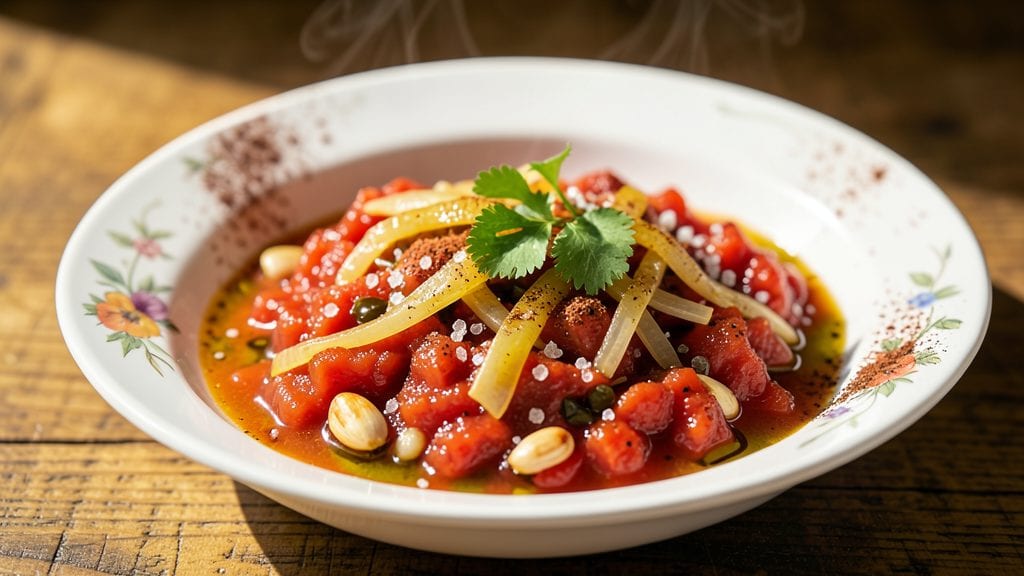
This salsa recipe made with canned tomatoes proves you don’t need fresh ingredients to create bold, restaurant-quality flavor—just a few pantry staples and 15 minutes of prep time.
Standing on a step stool in my grandmother’s kitchen in Sicily, I learned how canned tomatoes could transform simple dishes into something extraordinary when handled right. The secret lies in balancing acidity, sweetness, and texture to mimic fresh salsa without the chopping.
What makes this recipe work is the two-stage cooking process: simmering the tomatoes with aromatics until deeply flavorful, then blending with just enough vinegar to brighten without overpowering.
I use 1 (28-ounce) can of crushed tomatoes as the base, which gives a natural sweetness that pairs perfectly with onions, garlic, and a touch of brown sugar. The result is a salsa that’s smooth yet vibrant, with layers of flavor that develop even better after resting.
By the time you’re done, you’ll have a versatile salsa that’s perfect for tacos, grilled meats, or even as a dip—with none of the mess or waste of fresh tomatoes.
The texture stays balanced: slightly chunky from the tomatoes, with just enough body to cling to food without being gluey. And because it’s made with canned tomatoes, this recipe keeps well for up to a week in the fridge, making it ideal for meal prep.
For extra depth, I often add a pinch of smoked paprika or a dash of hot sauce, but the base recipe stays true to its roots—simple, reliable, and packed with flavor. Here’s how to make it, step by step.
Ingredients for salsa recipe made with canned tomatoes
Nine pantry staples. Two stages. Restaurant-quality salsa without the chopping mess.
| Ingredient | Amount | Notes |
|---|---|---|
| Crushed Tomatoes (28-ounce can) 🍅 | 1 can | San Marzano preferred for sweetness |
| Yellow Onion 🧅 | 1 whole | Medium, diced for even cooking |
| Garlic Cloves 🧄 | 4 cloves | Freshly minced for aromatic punch |
| Light Brown Sugar 🍯 | 1 tbsp | Balances acidity naturally |
| White Vinegar 💧 | 2 tbsp | Brightens without overpowering |
| Smoked Paprika 🌶️ | ½ tsp | Adds depth (optional but recommended) |
| Salt 🧂 | ½ tsp | Diamond Crystal preferred |
| Fresh Cilantro 🌿 | ¼ cup | Chopped, stems removed (optional) |
| Extra-Virgin Olive Oil 🫒 | 1 tbsp | For finishing (high-quality) |
The crushed tomatoes are the foundation—San Marzano if you can find it, but any quality canned tomatoes work. I grab mine from Whole Foods or the bulk section at Trader Joe's (their La Gradese brand is a steal). The onion and garlic should be fresh, but if you're in a pinch, frozen diced onions thawed work fine. Brown sugar might sound odd, but it cuts through the acidity beautifully—light brown has more moisture than dark, so it blends in smoother. Smoked paprika is optional, but it adds that smoky depth that makes this taste like it simmered for hours.
No vinegar? Lime juice at double the amount works, but it’ll be tangier. Fresh cilantro is ideal, but dried cilantro or parsley at half the amount gets you close. The olive oil is for finishing—use a fruity, peppery EVOO like California Gold or Colavita. If you’re short on time, skip the cilantro and add a pinch of ground cumin instead. The key is balancing the sweetness, acidity, and salt—taste as you go, and adjust with another splash of vinegar or pinch of sugar if needed.
This salsa tastes better the next day as flavors meld. Store in an airtight container in the fridge for up to 1 week. For meal prep, double the batch—it’s perfect for tacos, grilled chicken, or even as a dip. Freezes beautifully for 3 months if you want to make a big batch. I always keep a jar in the fridge because it’s so versatile—use within 7 days for peak freshness, but it’ll still taste great after that.
Why You'll Love This Recipe
- Pantry Magic: I swear by this recipe because it uses what I already have—no last-minute grocery runs. That one can of tomatoes? It’s the star, but the brown sugar and vinegar give it this perfect balance of sweet-tart that’s ridiculously good.
- One-Pot Wonder: Honestly, this takes less time than waiting for a delivery. Sauté the onion and garlic, dump in the tomatoes, stir, and simmer. No blender, no fancy techniques—just 20 minutes of hands-off cooking while you do something else.
- Game for Any Meal: Between us, this salsa works on tacos, grilled chicken, or even as a dip with chips. The brown sugar’s subtle sweetness cuts through the acidity, making it flexible enough for brunch or a weeknight dinner without extra effort.
- Budget-Friendly Stash: A single can of tomatoes stretches into multiple meals—freeze what you don’t use. I’ve made this for potlucks, family dinners, and lazy Sundays, and it’s always the dish people ask for seconds on. No waste, all flavor.
Step-by-step instructions for salsa recipe made with canned tomatoes
Here's how to transform simple pantry staples into vibrant, restaurant-quality salsa without fresh tomatoes.
Sauté the Aromatics Until Fragrant
Heat the 1 tablespoon extra-virgin olive oil in a medium saucepan over medium heat. Add the 1 whole yellow onion, diced into even ¼-inch pieces, and cook for 5 minutes until softened and translucent. This gentle cooking prevents the onion from burning while building flavor.
Add the 4 cloves garlic, freshly minced, and cook for another 1 minute until the garlic releases its aroma but doesn't brown. Overcooking garlic turns it bitter, so watch closely. The mixture should smell rich and inviting—this is your flavor foundation. Remove from heat once fragrant, as we'll be adding the tomatoes next.
Simmer the Tomato Base
Return the pan to medium-low heat and add the 1 can crushed tomatoes, stirring to combine with the sautéed aromatics. The tomatoes will release their natural juices and create a thick, chunky base. Add the 1 tablespoon light brown sugar, 2 tablespoons white vinegar, ½ teaspoon smoked paprika, and ½ teaspoon salt, stirring well to distribute.
Bring the mixture to a gentle simmer, then reduce heat to low and let it cook uncovered for 15 minutes. You'll notice the mixture thickens slightly as the tomatoes break down and release their juices. Stir occasionally to prevent sticking—this ensures even cooking and prevents a skin from forming on top. The goal is a smooth, velvety texture with visible tomato chunks.
Finish with Fresh Herbs
Remove the pan from heat and let it cool for 5 minutes. This resting period allows the flavors to meld and prevents the cilantro from wilting in the hot liquid. Stir in the ¼ cup chopped fresh cilantro, reserving a few sprigs for garnish if desired. The cilantro adds a bright, herbal note that balances the acidity of the vinegar and sweetness of the tomatoes.
Taste and adjust seasoning if needed. If the salsa tastes too acidic, add a pinch more light brown sugar. If it lacks brightness, add another ½ teaspoon white vinegar. The salsa should be vibrant, with a perfect balance of sweet, tangy, and smoky flavors. Let it sit for another 10 minutes to allow the cilantro to infuse fully before serving.
Serve and Store Properly
Transfer the salsa to a serving bowl and drizzle with a little more extra-virgin olive oil for shine and extra richness. Garnish with the reserved cilantro sprigs for a pop of color. Serve immediately with tortilla chips, grilled meats, or as a topping for tacos. The salsa will be at its peak flavor when fresh.
For storage, transfer any leftovers to an airtight container and refrigerate for up to 5 days. The flavors will continue to develop over time, becoming even more complex. If storing, wait until the salsa is completely cool before sealing to prevent condensation. Reheat gently on the stove if needed, but it's best enjoyed at room temperature.
Pro Tips For Making Salsa Recipe Made With Canned Tomatoes
- SAUTÉ ONIONS LOW AND SLOW: I learned this the hard way—dumping chopped onions into a hot pan and walking away while they burn. For this salsa, cook them on medium-low heat for 8-10 minutes until soft and translucent, not golden. You want them to melt into the tomatoes, not turn into charcoal. Stir occasionally, but don’t rush—this is where the sweetness develops.
- SMASH GARLIC WITH A PRESS: Minced garlic burns faster than you think, especially when you’re distracted. Use a garlic press instead—it gives you even, fine pieces that cook through without turning bitter. Add it in the last 2 minutes of cooking, just until fragrant, not browned. (Yes, even if you’re impatient like me.)
- DILUTE THE VINEGAR FIRST: Pouring straight white vinegar into hot tomatoes can make the whole pot taste harsh. Mix 1-2 tablespoons vinegar with a splash of cold water before adding it to the pot. This mellows the acidity and lets the sweetness of the brown sugar shine. Trust me, your taste buds will notice the difference.
- STIR IN SUGAR AT THE END: Adding brown sugar early can make it clump or caramelize too fast, turning your salsa into a sticky mess. Toss it in right at the end, let it simmer for just 1-2 minutes while stirring constantly. This keeps the texture smooth and the sweetness balanced—not overpowering, just there to round out the acidity.
Troubleshooting great salsa recipe made with canned tomatoes
Tomatoes Too Watery
If your salsa ends up too thin, don’t panic—simmering uncovered for an extra 5-10 minutes will evaporate excess liquid. I’ve found that using a 28-ounce can of crushed tomatoes (not diced) gives better texture control.
For thicker salsa, mash a few tomatoes with a fork before adding them to the pan to release juices gradually. 🌡️
Acidity Overpowering
Too much vinegar? Balance it with ½ teaspoon more brown sugar or a pinch of salt. I’ve learned to taste as I go—start with 1 tablespoon vinegar and adjust. For a brighter alternative, swap vinegar for lime juice at half the amount, but remember it’ll be tangier.
The key is patience—let flavors meld for 10 minutes off heat before serving.
Garlic Burnt or Bitter
Garlic burns fast! Remove it from the pan as soon as it’s fragrant (1 minute max) and don’t let it brown. If it’s already bitter, stir in ½ teaspoon honey or sugar to mellow the flavor.
For extra safety, sauté garlic in its own ½ tablespoon olive oil first, then add the onions to prevent burning. 🧄
Lacking Depth of Flavor
Need more complexity? Add ½ teaspoon cumin or a pinch of ground coriander while simmering. I also like a splash of tomato paste (1 tbsp)—it intensifies the tomato flavor without thickening too much.
For smokiness, increase smoked paprika to 1 teaspoon. Simmer uncovered for 5 extra minutes to let flavors concentrate.
Cilantro Wilting or Floating
Add cilantro only when the salsa is off heat and slightly cooled (5 minutes). If it floats, stir in ½ teaspoon cornstarch mixed with water to thicken slightly.
For wilting, use ¼ cup chopped cilantro (not whole leaves) and stir gently. Pro tip: Pulse cilantro briefly in a food processor before adding to distribute it evenly. 🌿
Storage Issues: Mold or Off Flavors
If salsa develops mold, it’s time to toss it—never risk it. To prevent spoilage, store in a sterilized glass container with a tight seal. For longer storage, freeze in ice cube trays for single-use portions.
I’ve kept this salsa in the fridge for up to 7 days** without issues, but always check for freshness before using. When reheating, warm gently on low heat to preserve texture.
Nutrition facts
Frequently asked questions
Can I use diced tomatoes instead of crushed for this salsa?
Crushed tomatoes work best because they naturally blend into a smoother texture while keeping some chunkiness. If you only have diced, crush them by hand with your fingers or a potato masher before using. The key is breaking them down enough to avoid a watery consistency.
How do I make this salsa spicier?
Add ½ teaspoon cayenne pepper or 1 chopped jalapeño while simmering. For extra heat, increase to 1 teaspoon cayenne or add 1-2 tablespoons hot sauce at the end. Remember, flavors develop over time—taste after 10 minutes off heat before adjusting further.
Can I make this salsa in a slow cooker?
Sauté the onions and garlic first, then transfer everything to a slow cooker on low heat for 3-4 hours. The low-and-slow method deepens the flavors beautifully. Just remember to add the cilantro at the very end to prevent wilting.
What's the best way to use up extra salsa?
Freeze it in ice cube trays for single-use portions, or freeze in small jars with a little olive oil on top. It's perfect for topping grilled meats, mixing into pasta sauces, or even as a base for soups. The flavors actually improve after freezing and reheating!
Why does my salsa taste flat after a few days?
Fresh herbs like cilantro lose their vibrancy over time. To revive flavor, add ½ teaspoon fresh lime juice or a pinch of smoked paprika when reheating. This salsa tastes best within 3-4 days—after that, consider making a fresh batch for peak flavor.