Side Dishes
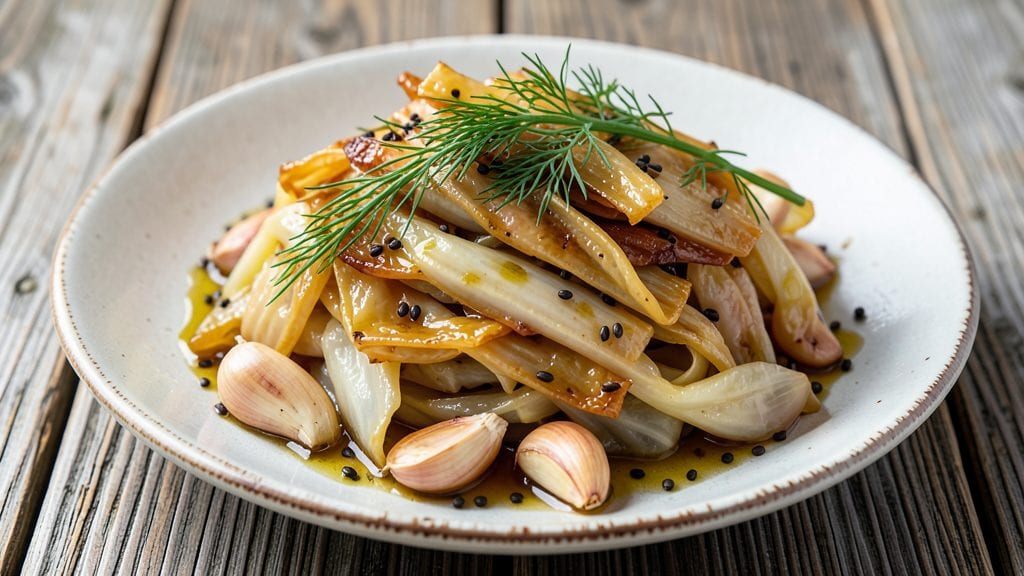
A simple salted cabbage recipe turns humble cabbage into a crisp, tangy treasure that brightens any plate. This fermented classic delivers layers of flavor through a precise salting process, creating a texture that's both satisfying and versatile.
I first discovered its potential while perfecting my grandmother's Sunday roast chicken—her salted cabbage became the star of the table. The key lies in patience and balance, allowing the cabbage to develop its signature crunch and tang over time.
This recipe delivers restaurant-quality results with just a few simple ingredients and a method that's both traditional and foolproof. You'll need green cabbage, salt, and time—no special equipment required.
The fermentation process (or quick salting method) ensures crispy edges and tender centers, while optional additions like garlic, caraway seeds, or vinegar let you customize the flavor to your taste. Perfect for weeknight dinners or holiday feasts, this side dish brings depth to any plate.
By the end, you'll have a batch of salted cabbage that's ready to serve immediately or store for weeks—its flavor only improves with time. The crispy texture and tangy bite make it ideal as a side, in soups, or even as a topping for sandwiches.
Whether you're following traditional fermentation or a quicker salting method, the results will impress every time. Let's get started on creating this versatile, flavor-packed side dish.
For those short on time, a quick-salted version delivers similar results in just a few hours, though the fermented method yields the most complex flavor profile. Both approaches ensure that crispy texture you're after, with the added benefit of minimal prep work.
Store leftovers in the refrigerator for up to two weeks, allowing the flavors to deepen and develop further. This is a side dish that proves simplicity can deliver extraordinary results.
Ingredients for salted cabbage
Simple cabbage, precise salting, and time transform this humble vegetable into a restaurant-worthy side dish.
| Ingredient | Amount | Notes |
|---|---|---|
| Green Cabbage 🥬 | 1 whole | Heads weighing 2-3 lbs each |
| Kosher Salt 🧂 | 1 ½ cups | Non-iodized preferred for fermentation |
| Garlic Cloves 🧄 | 4 cloves | Minced for even distribution |
| Caraway Seeds 🌾 | 1 tbsp | Toasted for enhanced aroma |
| White Vinegar 🍶 | ½ cup | For quick-salted variation |
| Dill Sprigs 🌿 | 4 whole | Fresh, for garnish and flavor |
| Black Peppercorns 🌶️ | ½ tsp | Crushed for depth |
| Bay Leaves 🍃 | 2 whole | For subtle earthy notes |
| Water 💧 | 1 cup | For quick-salted method |
| Apple Cider Vinegar 🍎 | ¼ cup | Alternative for tang |
| Juniper Berries 🌲 | ½ tsp | Optional, for piney depth |
| Red Wine Vinegar 🍷 | ¼ cup | For fermented variation |
The cabbage is the foundation—look for heads with crisp, tightly packed leaves and a vibrant green hue. Local farmers markets often carry fresher cabbage than grocery stores, but if shopping at Whole Foods or Kroger, opt for organic when possible. The salt is non-negotiable: kosher salt's coarse texture ensures even distribution without over-salting. For fermentation, Maldon or Diamond Crystal are ideal choices. Caraway seeds should be toasted lightly in a dry pan for about 30 seconds to release their aroma—this step is worth the minute. If you're short on time, the quick-salted method still delivers crispy edges, though fermentation yields the most complex flavor profile over time.
No caraway seeds? Celery seeds or fennel seeds work as substitutes, though the flavor will differ slightly. Fresh dill can be swapped for dried dill at one-third the amount, but fresh is preferred for its bright, herbal notes. Vinegar options vary: white vinegar for quick-salted versions, apple cider vinegar for a milder tang, or red wine vinegar for a deeper flavor in fermented batches. Juniper berries, while optional, add a unique piney depth—if unavailable, a pinch of ground allspice can mimic the effect. For those avoiding fermentation, the quick-salted method requires water and vinegar to create a brine, but the texture won't be as crispy as the traditional approach.
Store fermented cabbage in an airtight container submerged in its brine, refrigerated for up to two weeks. The flavor deepens over time, so don't rush it. Quick-salted versions keep for about 5-7 days in the fridge, though the texture softens faster. For long-term storage, freeze portions for up to 6 months—thaw overnight in the fridge before serving. The cabbage reheats beautifully in a skillet with a splash of water or broth, making it perfect for meal prep. Garnish with fresh dill just before serving to brighten the dish.
Why You'll Love This Recipe
- Five-Ingredient Magic: I swear by this recipe—just cabbage, salt, garlic, caraway, and vinegar. That’s it. No fancy prep, no last-minute grocery runs, and honestly? It’s the kind of dish that makes me feel like I’ve outsmarted my own laziness.
- Crisp-Tangy Crunch: The vinegar cuts through the cabbage’s natural sweetness while the caraway seeds add this earthy, almost nutty depth. (Yes, even my garlic-hating brother asks for seconds.) The salt draws out all the juices, leaving you with that perfect balance—crunchy edges, tender middle, and a punch of flavor that lingers.
- Weeknight Workhorse: I keep a jar of this in the fridge for lazy nights—toss it with eggs, fold it into sandwiches, or just eat it straight with a fork. It’s my go-to for when I’ve got zero energy but still want something that feels intentional. (Between us, it’s also the star of my Thanksgiving leftovers.)
- Pantry-Proof Perfection: No wilting, no browning—this stuff lasts for weeks. I make a big batch on Sundays, and it’s still crisp and delicious by Thursday. Plus, cabbage is dirt cheap, so you’re basically turning pennies into something that tastes like you spent hours in the kitchen. (Spoiler: You didn’t.)
Step-by-step instructions for fermented crispy cabbage
Here's the precise method to achieve that perfect balance of tangy, crispy cabbage every time.
Prepare and Salt the Cabbage
Begin by thoroughly cleaning the whole green cabbage under cold water, removing any wilted outer leaves. Cut the cabbage in half lengthwise, then slice each half into thin wedges about ¼-inch thick. You should have roughly 8-10 cups of sliced cabbage when finished.
In a large mixing bowl, combine the sliced cabbage with the 1.5 cups kosher salt and toss gently but thoroughly. The salt will begin drawing out moisture immediately. Let the cabbage sit for 30 minutes at room temperature, stirring occasionally. After this time, squeeze out as much liquid as possible using your hands or a clean kitchen towel. This step is crucial for achieving that crisp texture later.
Pack and Weigh Down the Cabbage
Transfer the salted cabbage to a clean quart-sized mason jar, pressing down firmly to remove any air pockets. The cabbage should be submerged in its own liquid. If needed, add a small amount of 1 cup water to ensure the cabbage is fully submerged.
Place a small plate on top of the cabbage and weigh it down with a clean canning weight or even a small glass filled with water. This pressure helps create an anaerobic environment, which is essential for proper fermentation. Seal the jar loosely with the lid and let it sit at room temperature for 24 hours. You'll notice bubbles forming and the liquid rising—this is the fermentation process beginning.
Add Aromatics and Vinegars
After the initial 24-hour fermentation, remove the weight and plate. In a small bowl, combine the 4 cloves minced garlic cloves, 1 tablespoon toasted caraway seeds, 0.5 teaspoon crushed black peppercorns, 2 whole bay leaves, and 0.5 teaspoon juniper berries. Gently stir this aromatic blend into the cabbage, ensuring even distribution throughout.
Next, pour the 0.5 cup white vinegar and 0.25 cup red wine vinegar over the cabbage. The vinegar helps control fermentation and adds that signature tang. Add the 4 whole dill sprigs and 0.25 cup apple cider vinegar as well. Seal the jar tightly and let it ferment at room temperature for another 48 hours. This extended fermentation period develops deeper flavor and ensures maximum crispness.
Refrigerate and Develop Crispiness
After the full 72 hours of fermentation time, transfer the jar to the refrigerator where it will continue developing flavor and crispness. The cold temperature slows fermentation, preserving the cabbage while enhancing its texture and taste. Let it chill for at least 24 hours before serving—this final step is what transforms the cabbage into those delightfully crisp pieces.
When ready to serve, remove the cabbage from the jar and drain any excess liquid. The cabbage should be tender yet still hold its shape with a satisfying crunch. If you find the texture isn't crisp enough after refrigeration, you can briefly rinse the cabbage under cold water and pat dry before serving. This salted cabbage keeps well in the refrigerator for up to 2 weeks, making it perfect for meal prep.
Pro Tips For Making Salted Cabbage
- USE A HEAVY HAND WITH SALT: I learned this the hard way—skimp on the kosher salt, and your cabbage will taste bland no matter how long you ferment it. Aim for 2–3 tablespoons per pound of cabbage, then taste the brine after 24 hours. If it doesn’t make your mouth pucker, add more.
- SHRED CABBAGE UNIFORMLY: Chunks? No thanks. Uneven shreds mean uneven fermentation—some parts stay crunchy, others turn mushy. Use a sharp knife or mandoline and cut into ¼-inch strips, no wider. Save the outer wilted leaves for wrapping—those are your flavor anchors.
- PRESS OUT ALL AIR: That’s right, get your hands in there. Pack the cabbage tightly into the jar, pressing down hard to eliminate air pockets. Oxygen is the enemy—it turns your ferment sour or moldy. Use a fermentation weight or a clean rock to keep it submerged in its own brine.
- ADD GARLIC AND CARAWAY LAST: Tossing in whole garlic cloves and caraway seeds early? They’ll get buried and lose their punch. Instead, stuff them between the leaves right before sealing the jar—this way, every bite gets that bright, aromatic hit. And crush the garlic lightly so it infuses faster.
Storing and reheating your salted cabbage
Fermented Cabbage Storage
After your 72-hour fermentation, transfer the jar to the refrigerator where the cabbage will develop its signature crisp texture over 24-48 hours. Store it fully submerged in its brine using an airtight container—I recommend Ball mason jars for their tight seals.
The cold temperature slows fermentation, preserving the cabbage while deepening its tangy flavor. It keeps beautifully for 2 weeks in the fridge, with the texture improving over time. 🥬
Quick-Salted Version
For the quick-salted method, combine the sliced cabbage with 1.5 cups kosher salt and 1 cup water in a bowl. Let it sit for 30 minutes, then squeeze out excess liquid. Pack into a jar, add ½ cup white vinegar, and refrigerate for 4-6 hours.
This version stays crisp for only 5-7 days but delivers similar flavor in a fraction of the time. Perfect for last-minute prep! ⏰
Freezing for Later
To freeze your salted cabbage, portion it into freezer-safe bags or containers, leaving 1-inch headspace for expansion. Press out excess air and seal tightly. Frozen cabbage maintains its texture for up to 6 months—thaw overnight in the fridge before using.
I like to add a splash of apple cider vinegar when reheating to restore crispness. 🧊
Reheating Crispy Cabbage
For a quick texture refresh, reheat cabbage in a skillet over medium heat with 1 tablespoon water or broth for 3-4 minutes. Stir frequently to avoid sticking. Alternatively, microwave for 1-2 minutes covered, then drain on a paper towel.
Garnish with fresh dill sprigs to brighten the dish. This method works equally well for both fermented and quick-salted versions. 🔥
Using Leftovers Creatively
Transform leftover salted cabbage into soup toppings, sandwich fillings, or taco garnishes. Mix it into potato pancakes for extra crunch or blend into creamy sauces for depth.
I often toss it with roasted potatoes for a hearty side dish. The tangy flavor pairs perfectly with rich proteins like smoked sausage or pan-seared chicken. 💡
Nutrition facts
Frequently asked questions
Can I use red cabbage instead of green cabbage?
Green cabbage is ideal for this recipe because of its crisp texture and milder flavor. Red cabbage has a sweeter, slightly bitter taste that changes the final product's character. If you must use red, expect a more vibrant color and slightly different flavor profile. Stick with green for the classic experience!
How do I know when the fermentation is done?
The cabbage is ready when it develops a tangy aroma and bubbles form in the liquid. After 72 hours at room temperature, transfer it to the fridge. The texture should be tender but still hold its shape with crisp edges. Taste test after 24 hours of refrigeration to check for your preferred tanginess.
What if my cabbage isn't crispy after fermenting?
If the texture is too soft, try squeezing out more liquid during the initial salting step or rinsing the cabbage briefly before serving. For extra crispiness, refrigerate for an additional 24-48 hours after fermentation. The cold helps firm up the cabbage. If it's still too soft, reduce fermentation time next batch by 12-24 hours.
Can I make this recipe without vinegar?
While vinegar helps control fermentation and adds tang, you can omit it for a more traditional fermented taste. Simply reduce the water slightly and rely on natural fermentation. The flavor will be milder but still delicious. For a quicker version, add 1 tablespoon lemon juice instead for brightness. The texture may soften faster without acidity.
How can I use salted cabbage in meals beyond sides?
This versatile ingredient works in soups, stews, sandwiches, and even tacos! Mix it into mashed potatoes for extra crunch, blend into creamy sauces for depth, or serve as a topping for burgers. The tangy flavor pairs perfectly with rich meats like smoked sausage or roasted chicken. Get creative—it adds texture and flavor to any dish!