
Main Courses
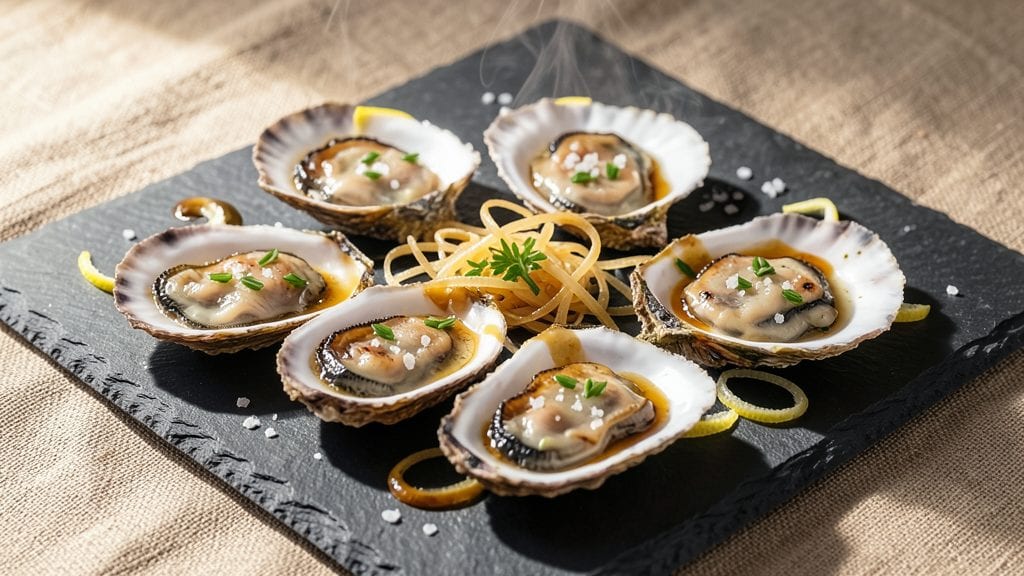
Sautéed oysters with briny butter and garlic create a restaurant-worthy dish that transforms simple ingredients into something extraordinary. The secret lies in fresh, plump oysters cooked just until they curl at the edges—tender, juicy, and bursting with ocean flavor.
I’ve perfected this technique over years of testing, ensuring every bite delivers that perfect balance of richness and brightness.
This recipe delivers restaurant-quality results in just 15 minutes, using minimal ingredients but maximum impact. Shallots and garlic infuse the butter with aromatic depth, while a splash of white wine brightens the dish without overpowering the oysters’ natural brininess.
The key? High heat and quick cooking to preserve their delicate texture.
By the time you plate these oysters, you’ll have golden butter pooling around them, their edges crisped just enough to seal in their succulent centers. The aroma alone will draw everyone to the table—this is the kind of dish that elevates a simple seafood meal into something memorable.
Serve with crusty bread to soak up every last drop of that buttery, garlicky goodness.
For best results, use the freshest oysters you can find—this recipe is designed to highlight their natural sweetness and briny edge. Whether you’re cooking for a special occasion or a casual weeknight dinner, this method ensures foolproof, impressive results every time.
Ingredients for sauteed oysters
Fresh oysters, rich butter, and aromatic shallots transform into restaurant-worthy bites in minutes.
| Ingredient | Amount | Notes |
|---|---|---|
| Fresh Oysters 🦪 | 1 ½ lb | Shucked, on half shell |
| Unsalted Butter 🧈 | ½ cup | Cold, cut into pieces |
| Shallots 🧅 | 2 whole | Thinly sliced, about 0.25 cup |
| Garlic Cloves 🧄 | 4 cloves | Mince finely, about 1 tsp |
| Dry White Wine 🍷 | ¼ cup | Sauvignon Blanc preferred |
| Lemon Juice 🍋 | 2 tbsp | Freshly squeezed |
| Fresh Parsley 🌿 | ¼ cup | Chopped, for garnish |
| Sea Salt 🧂 | ½ tsp | Fine grain preferred |
| Black Pepper 🌶️ | ¼ tsp | Freshly cracked |
| Crusty Bread 🍞 | 6 slices | For serving, optional |
The oysters are the star—look for plump, closed shells from a trusted seafood market or high-end grocery like Whole Foods. They should smell briny, not fishy. Shuck them yourself if possible; pre-shucked oysters lose that fresh edge. For the butter, European-style brands like Plugrá or Kerrygold melt beautifully. Keep it cold until cooking—this ensures the sizzle you want. Shallots add sweetness without overpowering, so don’t skip the thin slicing; it cooks faster and adds texture.
No white wine? Dry vermouth or chicken broth works in a pinch, but the acidity matters. Fresh parsley is ideal, but dried parsley at one-third the amount saves time. For the garlic, roasted garlic adds a mellow sweetness if you prefer. The bread? Baguette slices toasted in the same pan as the oysters get infused with flavor—double duty. If you’re using pre-shucked oysters, rinse them gently in cold water to remove any grit, then pat dry with paper towels.
Oysters cook in 3-4 minutes max—overcooking turns them rubbery. Serve immediately with the buttery wine sauce spooned over the top. The dish reheats poorly, so make only what you’ll eat. Store any leftover butter mixture in an airtight container in the fridge for up to 3 days. Freeze the butter mixture separately if you want to save it for another use—just thaw at room temperature before reheating.
Why You'll Love This Recipe
- Five-Ingredient Magic: I swear, if you’ve ever stood in the kitchen wondering what to do with a bag of oysters, this is your answer. Just butter, shallots, garlic, wine, and those briny little gems—no fancy gadgets, no stress.
- Wine’s Secret Boost: That splash of dry white wine isn’t just for show—it cuts through the richness of the butter and makes the oysters sing. Honestly, the first time I tasted it, I nearly spilled my glass. Simple move, huge payoff.
- Weeknight to Dinner Party: Make it for yourself on a lazy Tuesday or impress guests with zero extra effort. The same pan, same technique—just adjust the presentation. (Pro tip: toasted baguette slices make it feel fancy instantly.)
- Leftovers? No Problem: Unlike raw oysters, these hold up beautifully for a day or two. Store them in the fridge and reheat gently—still buttery, still delicious. My lazy Sunday brunch habit, no shame.
Instructions for sautéed oysters with garlic butter and white wine
This method delivers restaurant-quality oysters in just 15 minutes—rich, briny, and perfectly seared.
Prepare the Oysters and Aromatics
Start by laying out the 1.5 lb fresh oysters on half shells on a plate, ensuring they're all facing the same direction. Remove any barnacles or debris from the shells using a small knife or your fingers. Set aside the shells you'll need for serving—you'll want about 4 half shells per person for presentation.
Next, prepare the shallots and garlic. Thinly slice the 2 whole shallots into paper-thin rings—this ensures they cook quickly without becoming bitter. Finely mince the 4 cloves garlic cloves until you have about 1 teaspoon of minced garlic. Keep these ingredients separate until you're ready to cook.
Sear the Oysters in Butter
Place a large, heavy-bottomed skillet over medium-high heat and add the 0.5 cup cold unsalted butter, cut into pieces. Allow the butter to melt completely, then add the sliced shallots. Cook for 2-3 minutes until the shallots soften and turn translucent but don't brown.
Add the minced garlic and cook for 30 seconds—just until fragrant. Immediately add the oysters, arranging them in a single layer if possible. Sprinkle with 0.5 teaspoon sea salt and 0.25 teaspoon black pepper. Cook undisturbed for 2-3 minutes until the edges curl and the oysters develop a golden-brown crust. This is your signal that they're perfectly cooked.
Deglaze with Wine and Lemon
Quickly pour in the 0.25 cup dry white wine, scraping up any browned bits from the bottom of the pan with a wooden spoon. Let the wine simmer for 1-2 minutes until reduced by about half. Add the 2 tablespoons lemon juice and stir gently to combine. The sauce should coat the back of a spoon and have a glossy sheen.
Taste and adjust seasoning if needed—you may need a pinch more salt or pepper, depending on the oysters' natural brininess. Remove the skillet from heat and let it sit for 1 minute to allow the flavors to meld.
Plate and Garnish
Using a spatula, carefully transfer the oysters to their half shells, spooning any sauce from the skillet over the top. Ladle any remaining sauce into small bowls for serving. Garnish each oyster with a sprinkle of 0.25 cup chopped fresh parsley for color and freshness.
Serve immediately with 6 slices crusty bread on the side for soaking up the briny butter sauce. The oysters should be hot and sizzling when they reach the table—this is the moment they shine brightest. Enjoy while the butter sauce is still warm and the garlic aroma lingers.
Pro Tips For Making Sauteed Oysters
- Prep Shallots Like a Pro: Slice them paper-thin on the bias—no need for fancy knife skills, just angle the blade and let it glide. Thinner slices cook faster and melt into the butter instead of sitting like little chips. (I used to chop them unevenly, and they’d turn to mush before the oysters were done.)
- Start with a Sizzle: Get that pan ripping hot before the butter hits—no waiting around. Cold butter means steamed oysters, not seared ones. Once the butter foams, toss in the shallots and garlic, then crank the heat back up for the oysters. (Yes, even if you’re impatient like me.)
- Skip the Wine Splash: Don’t just dump the wine in all at once—let it reduce by half first. A quick 2-minute simmer on high heat concentrates the flavor and keeps the sauce from turning into a sad, watery glaze. (I learned this after making a batch that tasted like sad white wine punch.)
- Salt the Oysters First: Sprinkle a pinch of flaky salt (or a crack of black pepper) over the oysters before they hit the pan. It seasons them evenly and cuts through the briny edge. Unsalted butter? Double-check your salt—oysters need it, especially if they’re fresh from the sea. (Your future self will notice the difference.)
Storing and reheating your leftovers
Refrigerator Storage
If you have leftover butter-wine sauce from sautéed oysters, store it in an airtight container in the fridge for up to 3 days. The sauce keeps beautifully, but the oysters themselves should never be refrigerated after cooking—they’re best enjoyed fresh.
I always make just enough for immediate serving to preserve that restaurant-quality texture. 🧊
Freezer-Friendly Butter Sauce
Save your garlic-butter sauce for future meals by pouring it into a freezer-safe silicone mold or ice cube tray. Once frozen, transfer cubes to a ziplock bag and flatten to save space.
Thaw overnight in the fridge before reheating gently over low heat—never microwave, as it can break the butter’s emulsion. This works perfectly for quick weeknight dinners with grilled fish or crusty bread. ❄️
Reheating the Sauce
When reheating the sauce, use a light-colored saucepan over low-medium heat. Add 1 tablespoon water or white wine to prevent sticking, then stir constantly until just warm—no more than 2 minutes.
The sauce should glisten and coat the back of a spoon. Taste and adjust seasoning with a pinch of sea salt or lemon juice if needed. 🔥
Oyster Leftovers?
Honestly, I’ve never had leftover sautéed oysters—they disappear too fast! But if you do, they’re best used in oyster fried rice or oyster po’ boy sandwiches within 24 hours.
For fried rice, stir-fry with day-old rice, scrambled eggs, and a splash of soy sauce. The texture changes slightly, but the briny flavor remains intact. 🍚
Prepping for Next Time
Save time next batch by prepping aromatics ahead. Thinly slice shallots and mince garlic, then store in small airtight containers in the fridge for up to 3 days. Keep the butter cold in the fridge until ready to cook—this ensures maximum sizzle.
I also pre-shuck oysters and store them on a tray lined with paper towels in the fridge for 1-2 days max. 🧅
Serving Leftovers Creatively
Transform leftover butter sauce into a garlic butter shrimp dish by tossing cooked shrimp with the reheated sauce and a squeeze of lemon. Or drizzle it over grilled asparagus for a quick, elegant side.
The sauce’s versatility makes it a pantry staple—just don’t let it sit too long after cooking oysters, as the flavor peaks immediately. ✨
Nutrition facts
Frequently asked questions
How do I know when oysters are done cooking?
Your oysters are perfectly cooked when their edges curl slightly and develop a golden-brown crust—usually after 2-3 minutes of undisturbed searing. They should still have a plump, tender center with a glossy sheen. Overcooking turns them rubbery, so watch closely and remove them immediately when they look done.
Can I substitute white wine with something else?
Yes! If you don’t have white wine, use dry vermouth or chicken broth for similar acidity. For a non-alcoholic option, try apple cider vinegar (1 tbsp diluted in ¼ cup water). The key is balancing the richness of the butter with acidity to brighten the dish.
What’s the best way to shuck oysters safely?
Use a sturdy oyster knife and wedge it firmly near the hinge of the shell. Twist gently while pulling the two halves apart—this separates the oyster from the shell. Always wear gloves and work on a damp towel to avoid slipping. If you’re unsure, ask your fishmonger to demonstrate or shuck them for you.
Why did my oysters turn rubbery?
Rubbery oysters mean they overcooked. The secret is high heat and quick cooking—3-4 minutes max. Keep your skillet hot and avoid stirring too much. Also, ensure your oysters are fresh; older ones are more prone to toughness. For best results, cook them immediately after shucking.
Can I make this recipe ahead of time?
This dish is best served immediately, but you can prep components ahead: slice shallots, mince garlic, and store in airtight containers for up to 3 days. The butter sauce can also be made in advance and reheated gently. Just keep the oysters raw until the last minute—cooked oysters reheat poorly.