
Sauces & Condiments
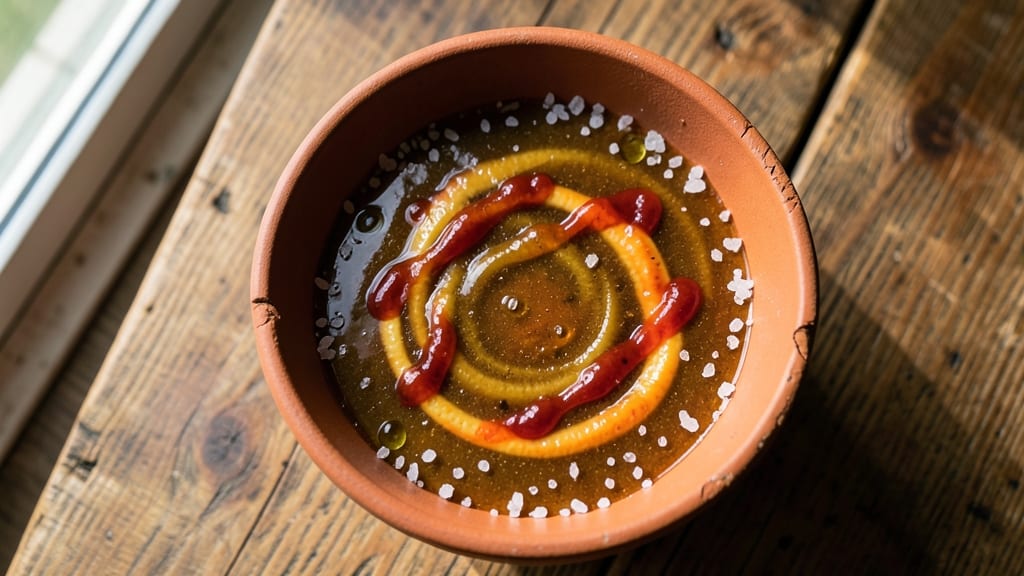
A simple meatloaf glaze recipe transforms ordinary meatloaf into a showstopper with just three ingredients and 10 minutes of work. The honey-mustard blend creates a glossy, caramelized crust that locks in moisture while adding a perfect balance of sweet and tangy depth.
I developed this glaze after years of experimenting with store-bought options that always left something lacking—too sweet, too thin, or overly sticky.
What makes this glaze truly foolproof is its ability to elevate any meatloaf recipe without requiring special techniques. The combination of honey (for natural shine and subtle sweetness) and Dijon mustard (for sharpness and richness) creates a sauce that caramelizes beautifully during baking.
Unlike commercial glazes, this version delivers a perfect crust every time—no guesswork involved.
The result is a meatloaf with a glossy, crackly exterior that contrasts beautifully with the tender interior. This glaze works equally well with classic meatloaf recipes or your favorite variations, adding professional-level presentation without complicating the process.
Ready in just 10 minutes, it's the secret weapon for restaurant-quality results at home.
Use this glaze as a finishing touch before serving or brush it on during the last 15 minutes of baking for maximum caramelization. Pair it with your favorite meatloaf toppings like breadcrumbs or crushed crackers for extra texture. The possibilities are endless—let's get glazing!
Ingredients for simple meatloaf glaze
Three ingredients transform meatloaf into a restaurant-worthy masterpiece—no fuss, all flavor.
| Ingredient | Amount | Notes |
|---|---|---|
| Raw Honey 🍯 | ½ cup | Light amber preferred for balance |
| Dijon Mustard 🌶️ | ¼ cup | High-quality, smooth variety |
| Extra-Virgin Olive Oil 🫒 | 2 tbsp | For glossy finish and richness |
| Fresh Lemon Juice 🍋 | 1 tbsp | Brightens the flavor profile |
| Pure Vanilla Extract 🌸 | ½ tsp | Optional depth enhancer |
| Kosher Salt 🧂 | ½ tsp | Diamond Crystal preferred |
| Freshly Ground Black Pepper 🌶️ | ¼ tsp | Freshly cracked for aroma |
The honey is the star here—look for raw, light amber at Whole Foods or Trader Joe's for that perfect balance of sweetness without overpowering. Dijon mustard makes all the difference; Maille or Amora are my go-tos, but any quality brand works. The olive oil isn't just for cooking—it's what gives that irresistible glossy finish. Fresh lemon juice brightens everything, so don't skip it. Pro tip: if you're using vanilla, grab the pure extract (not imitation) for that extra layer of depth. All ingredients should be at room temperature for smooth blending—just 5 minutes in warm water if they're chilled.
No honey? Maple syrup works in a pinch, but reduce it slightly since it's more liquid. Running short on Dijon? Whole-grain mustard thinned with a splash of water gets you close, though the flavor won't be identical. Olive oil shortage? Avocado oil has a similar neutral profile. The vanilla is truly optional—this glaze is delicious without it—but if you love vanilla, trust me, it's worth adding. For extra richness, swap half the olive oil for brown butter (cool completely first). And if you're feeling adventurous, a pinch of smoked paprika adds a subtle depth that pairs beautifully with the sweet-tangy combo.
This glaze keeps beautifully in an airtight container in the fridge for up to 2 weeks, though I find it's best used within 5 days. For longer storage, freeze portions in ice cube trays—just thaw and stir before using. The glaze thickens slightly when chilled, so give it a quick stir before brushing on. It reheats beautifully in the microwave for 10 seconds if you prefer it warmer. Store any leftover glaze in a small jar with a tight seal—it's perfect for drizzling over pancakes or toast if your meatloaf isn't ready yet!
Why You'll Love This Recipe
- Five-Ingredient Magic: I swear by this combo—just honey, mustard, olive oil, lemon, and vanilla. No fancy prep, no measuring cups cluttering my counter, just a quick whisk and you’re done. Honestly, it’s the kind of glaze that makes me feel like I actually cooked something.
- Sweet-Savory Balance: That honey and Dijon mustard duo? It’s like a hug for your taste buds—rich without being cloying, tangy without overpowering. The vanilla and lemon juice tie it all together so smoothly, you’ll want to drizzle it on everything.
- Weeknight Wonder: This glaze turns a basic meatloaf into a showstopper, but it’s also my go-to for last-minute dinners. Slather it on before baking, or brush it on after—either way, it’s foolproof. (Yes, even on a Tuesday night when you’re exhausted.)
- Leftovers Hack: Make a double batch and store it in the fridge. A spoonful of this glaze transforms reheated meatloaf into something restaurant-worthy, or even dress up grilled chicken or roasted veggies. Between us, it’s my secret weapon for turning sad leftovers into a meal.
Step-by-step instructions for honey-mustard meatloaf glaze
This glaze transforms ordinary meatloaf into something extraordinary—just five simple steps separate you from that perfect shiny crust.
Whisk Honey and Mustard Until Smooth
In a small bowl, combine the 0.5 cup raw honey and 0.25 cup Dijon mustard. Use a whisk to blend them together for 30-45 seconds until completely smooth and free of any streaks. The honey should begin to glisten slightly, indicating proper emulsification. Here's the thing—this step is crucial for preventing separation later when you add the other ingredients.
I like to use a light amber honey for this recipe because it provides that perfect balance of sweetness without overpowering the savory meatloaf. If your honey is particularly thick, you can gently warm it in the microwave for 10-15 seconds to make it easier to whisk, but don't let it get hot—just warm enough to flow smoothly.
Incorporate Olive Oil and Lemon Juice
Add the 2 tablespoons extra-virgin olive oil and 1 tablespoon fresh lemon juice to the honey-mustard mixture. Stir vigorously with the whisk for another 20-30 seconds until everything is fully combined. The olive oil will help create that beautiful glossy finish on your meatloaf, while the lemon juice brightens the entire flavor profile and cuts through the richness of the honey.
You'll notice the mixture becomes slightly thinner as you incorporate these ingredients. This is normal and actually helps the glaze adhere better to the meatloaf surface. If you're using a high-quality extra-virgin olive oil, you might detect a subtle fruity aroma—this is a good sign you're using quality ingredients that will elevate your glaze.
Season with Vanilla, Salt, and Pepper
Add the 0.5 teaspoon pure vanilla extract, 0.5 teaspoon kosher salt, and 0.25 teaspoon freshly ground black pepper to the mixture. Stir everything together until the salt and pepper are completely dissolved and evenly distributed. The vanilla might seem like an unusual addition, but it adds an incredible depth of flavor that complements the sweet and savory notes perfectly.
This is where the magic happens—taste your glaze now before applying it to the meatloaf. You want it to be perfectly balanced: sweet from the honey, tangy from the mustard and lemon, with just a hint of warmth from the vanilla. If it needs more salt, add a pinch more kosher salt (remember, you can always adjust, but you can't take it out). The glaze should have a smooth, velvety texture at this stage.
Simmer for Enhanced Flavor (Optional but Recommended)
For an extra layer of complexity, transfer the glaze to a small saucepan and place it over medium-low heat. Let it simmer gently for 3-5 minutes, stirring occasionally. You'll see the mixture thicken slightly and develop a more intense aroma. The heat helps the flavors meld together and creates a more cohesive glaze that will stick beautifully to your meatloaf.
Watch the glaze carefully—you don't want it to boil or reduce too much, just simmer until it reaches a slightly thicker consistency. If it starts to bubble vigorously, reduce the heat immediately. The goal is to concentrate the flavors without making the glaze too syrupy. Once it reaches your desired consistency, remove it from heat and let it cool slightly before applying.
Apply and Bake to Perfection
Preheat your oven to 350°F if you haven't already. Once your meatloaf is fully cooked (internal temperature of 160°F), remove it from the oven and place it on a wire rack set over a baking sheet. Using a pastry brush or silicone spatula, spread the glaze evenly over the top of the meatloaf, making sure to cover it completely. The glaze should coat the meatloaf in a thin, even layer.
Return the meatloaf to the oven and bake for an additional 10-15 minutes until the glaze is deep golden brown and bubbly. This final baking step is what creates that perfect crust—it caramelizes the sugars in the honey while setting the glaze into a beautiful, glossy finish. Don't be tempted to rush this step; the glaze needs time to set properly and develop that restaurant-quality shine.
Pro Tips For Making Simple Meatloaf Glaze
- Whisk Until Smooth: Don’t just stir—whisk that glaze vigorously for 30 seconds after mixing. The honey and Dijon mustard can clump if you’re lazy (I was skeptical until I tried it), and a silky texture makes all the difference when brushing on hot meatloaf.
- Warm the Honey First: Dump the raw honey into a small saucepan with the olive oil and warm it over low heat for 30 seconds. Cold honey thickens the glaze and makes it harder to brush on evenly—this keeps it fluid and glossy without cooking the lemon juice.
- Zest Before Juicing: Grate the lemon zest into the glaze while you juice it. That extra citrus oil brightens the flavor more than juice alone, and it dissolves right in without extra effort. (Yes, even if you’re impatient like me.)
- Brush in Layers: Don’t drown the meatloaf—brush on a thin layer of glaze, let it caramelize for 2 minutes, then add another. Thick glaze steams instead of sticking, and you’ll end up with a sticky mess instead of a glossy finish. Patience here saves cleanup.
Storing and reheating your leftovers
Refrigerator Storage
Store leftover glaze in an airtight glass container (like a Ball Mason jar) in the fridge for up to 5 days. I like to keep it in a small jar with a tight seal—it’s perfect for quick touch-ups on reheated meatloaf or even drizzling over toast.
The glaze thickens slightly when chilled, so give it a quick stir before using. Always let it return to room temperature for 10 minutes before brushing to prevent condensation on your meatloaf. 🧊
Freezer Preservation
For longer storage, freeze portions in ice cube trays—each cube makes a perfect single-use serving. Once frozen, transfer cubes to a ziplock freezer bag and flatten to save space. Thaw in the fridge overnight or microwave for 10 seconds to soften before stirring.
The glaze keeps its quality for up to 3 months in the freezer, though I find it’s best used within 2 months for peak flavor. Label your bags with the date to track freshness. ❄️
Reheating Glaze
To reheat glaze, transfer it to a small saucepan and warm over low heat for 2-3 minutes, stirring constantly. Avoid boiling—just heat until it reaches a smooth, pourable consistency. For microwave reheating, use 30-second intervals on medium power, stirring between each, until warmed through.
If the glaze seems too thick after reheating, add 1 teaspoon water at a time to restore its brushable texture. 🔥
Reapplying to Meatloaf
Brush reheated glaze over fully cooked meatloaf (internal temp 160°F) and broil for 3-5 minutes to revive that glossy finish. For extra shine, place the meatloaf on a wire rack over a baking sheet before broiling to prevent sogginess.
This method works beautifully for reheating sliced meatloaf sandwiches—just glaze the slices and warm under a broiler for 2 minutes. The result? A crisp, caramelized crust that tastes fresh out of the oven. ✨
Versatile Uses Beyond Meatloaf
Don’t let leftover glaze go to waste—it’s fantastic for pancakes, waffles, or grilled chicken. Drizzle over roasted vegetables like Brussels sprouts or sweet potatoes for a sweet-savory twist.
I also use it as a marinade for pork chops or tofu—just brush on and grill for a sticky, flavorful exterior. The possibilities are endless, so keep some on hand for spontaneous flavor boosts. 💡
Glaze Safety Tips
Always check the internal temperature of meatloaf before reapplying glaze to 160°F—raw meatloaf can harbor bacteria. If storing glaze with raw meatloaf juices, use it within 2 days for safety.
Avoid reheating glaze to 165°F or higher, as it can scorch and lose its delicate balance of flavors. When in doubt, toss old glaze and start fresh—better safe than sorry! 🛡️
Nutrition facts
Frequently asked questions
Can I make this glaze without honey?
Swap the honey for 0.5 cup maple syrup or 0.5 cup brown sugar dissolved in 2 tbsp water. For a fruitier option, try 0.4 cup apricot jam mixed with 1 tbsp water to thin it. The mustard and lemon will still balance the sweetness beautifully. Just remember to simmer slightly longer if using sugar to help it caramelize properly.
How do I fix a glaze that's too thick or too thin?
If your glaze is too thick, thin it with 1 tsp water at a time while whisking until smooth. For a runny glaze, simmer it uncovered over low heat for 2-3 minutes to reduce slightly. The perfect consistency should coat the back of a spoon but still flow easily when brushed on. Pro tip: Room-temperature ingredients blend better, so let everything sit out for 10 minutes before mixing if they're cold.
Can I use this glaze on other meats besides meatloaf?
This versatile glaze works wonderfully on pork chops, chicken breasts, or even roasted vegetables. For meats, brush it on during the last 10-15 minutes of cooking at 375°F for maximum caramelization. On vegetables like Brussels sprouts or sweet potatoes, toss them with 1 tbsp glaze and roast at 400°F for 20 minutes. The honey-mustard combo adds a perfect sweet-savory contrast to almost any protein.
Why did my glaze separate?
Separation usually happens when ingredients aren't properly emulsified or if the glaze sits too long before use. Whisk vigorously for 45 seconds when mixing, and always store it in the fridge (not at room temperature) to prevent oil separation. If it separates, simply whisk again until smooth before using. For extra insurance, simmer the glaze for 3-5 minutes after mixing to help the ingredients fully blend.
How do I get the glossiest finish possible?
For maximum shine, use extra-virgin olive oil (not vegetable oil) and apply the glaze when it's still warm. Brush it on in two thin layers, letting each dry slightly between applications. For an extra touch, place the glazed meatloaf under the broiler for 1-2 minutes at the very end to intensify the caramelization. The key is patience—rushing will make it sticky, not glossy.