
Side Dishes
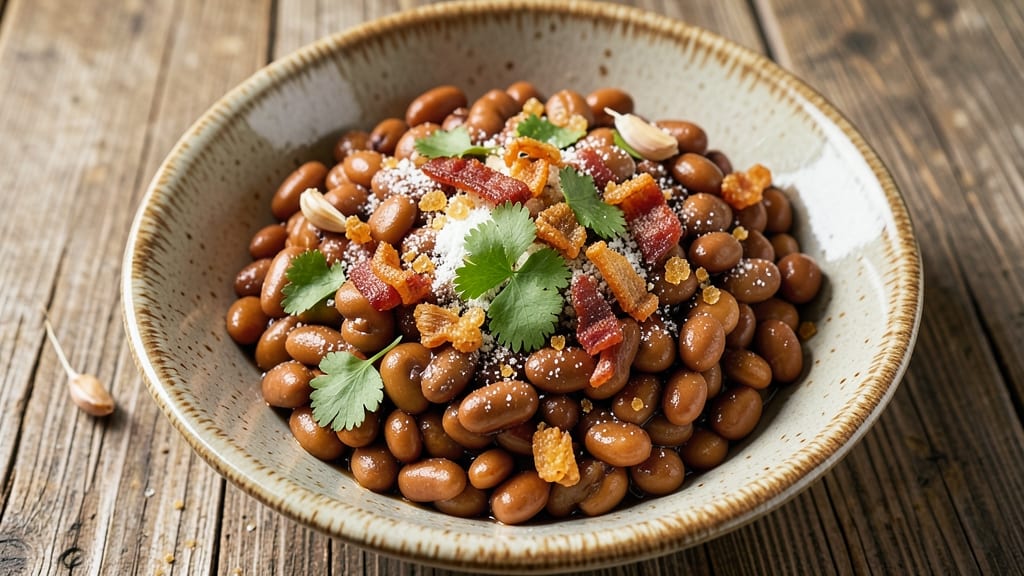
Transforming pantry staples into Southern canned pinto beans delivers that unmistakable smoky-sweet flavor that defines comfort food. This recipe preserves the rich, creamy texture of slow-cooked beans while locking in bold seasoning—perfect for meal prep or holiday gatherings.
The key lies in pressure canning, a method that ensures both safety and that signature Southern depth.
What sets this recipe apart is the balance of tradition and convenience. We start with a 30-minute prep that includes simmering beans with smoked salt, bacon fat, and a touch of brown sugar for natural sweetness.
The pressure canning process preserves all those flavors while maintaining the beans' tender texture, making them ready to use in everything from chili to salads.
By the time you seal your jars, you’ll have a pantry staple that tastes like it simmered all day—creamy, flavorful, and ready to elevate any dish. The smoky undertones from the bacon fat and salt create that authentic Southern taste, while the canning process ensures long-term freshness.
This is the kind of recipe that transforms simple ingredients into something extraordinary.
Whether you’re stocking your pantry for winter or planning ahead for family meals, these beans deliver restaurant-quality results with minimal effort. Let’s get started on preserving that Southern flavor the right way.
Ingredients for southern canned pinto beans
Twelve simple ingredients transform into smoky-sweet Southern canned pinto beans.
| Ingredient | Amount | Notes |
|---|---|---|
| Dried Pinto Beans 🌾 | 4 cups | Rinsed before soaking |
| Smoked Bacon Fat 🥓 | ½ cup | From cooked bacon, rendered |
| Smoked Salt 🧂 | 2 tbsp | Diamond Crystal preferred |
| Brown Sugar 🍯 | ¼ cup | Light or dark variety |
| Garlic Cloves 🧄 | 4 cloves | Minced for depth of flavor |
| Onion Powder 🧅 | 1 tbsp | Freshly ground preferred |
| Ground Black Pepper 🌶️ | ½ tsp | Freshly cracked |
| Bay Leaves 🍃 | 2 whole | Fresh or dried |
| Apple Cider Vinegar 🍎 | 1 tbsp | For tangy balance |
| Water 💧 | 12 cups | Filtered preferred |
| Pint-Sized Mason Jars 🥫 | 12 whole | New, sterilized jars |
| Lid and Ring Assemblies 🔒 | 12 whole | For pressure canning |
The bacon fat is non-negotiable—it delivers that signature Southern smokiness. Costco or Trader Joe's sell bacon in bulk, making it easy to render your own. Look for thick-cut bacon with good marbling; the more fat, the better the flavor. Smoked salt is key too—Diamond Crystal is my go-to, but any smoked salt will work. The pinto beans? Bob's Red Mill dried beans are my favorite, but any dried pinto will do. Just make sure they're free of debris before soaking. The jars need to be brand-new, never-used for safety—don't reuse old jars unless you've sterilized them properly.
No bacon fat? Smoked paprika plus a splash of liquid smoke gets you close, though it won't be identical. Short on smoked salt? Regular kosher salt plus a pinch of smoked paprika works in a pinch. The apple cider vinegar adds brightness—Bragg's is my pick, but any good-quality vinegar does the job. If you're using dried bay leaves, crush them lightly between your palms before adding for more flavor. The garlic can be minced or even granulated—just don't skip it. For the water, filtered is best, but tap water works if you're in a pinch. The brown sugar adds just enough sweetness to balance the smokiness—don't substitute white sugar unless you want a sharper taste.
These beans keep for 12-18 months in a cool, dark pantry. Once opened, transfer to the fridge and use within 5-7 days. I always label my jars with the date—masking tape and a Sharpie work perfectly. For meal prep, pull out a jar and toss the beans with rice or cornbread. The flavor only gets better with time, so don't be afraid to make extra. Just remember: always process jars for 90 minutes in a pressure canner to ensure safety.
Why You'll Love This Recipe
- No-Soaking Needed: I’ll be real—this recipe saved me from the dreaded overnight soak. Just toss the dried pintos in hot water with the bacon fat, and they soften up beautifully while you sip your coffee. No waiting, no fuss.
- Smoky-Sweet Magic: That combo of smoked bacon fat and brown sugar? It’s like a hug in a jar. The garlic cloves caramelize just enough to add depth, while the smoked salt ties it all together—rich, savory, and just a little sweet. My husband licks the spoon.
- Crowd-Pleaser Leftovers: Between us, these beans disappear faster than I can say “seconds.” Serve them alongside cornbread for dinner, toss them into tacos the next day, or even stir them into grits for breakfast. They’re the ultimate lazy meal that somehow feels special.
- Budget-Friendly Pantry Hero: Dried beans and bacon fat stretch farther than you’d think. A single batch feeds my family of four for three meals, and the ingredients cost pennies compared to canned versions. Plus, the flavor’s so bold, you won’t miss the fancy stuff.
Step-by-step instructions for Southern canned pinto beans
Here's how to transform simple dried pintos into rich, smoky-sweet canned beans that taste like they simmered all day.
Prepare and Soak the Dried Pinto Beans
Start by rinsing the 4 cups dried pinto beans under cold water in a colander to remove any debris. This quick rinse prevents gritty texture in your final product. Transfer the beans to a large bowl and cover them with the 12 cups water—you'll need enough liquid to submerge them completely by at least 2 inches.
Let the beans soak overnight (at least 8 hours) at room temperature. I like to use a glass bowl so I can see the water level—top off with more water if needed during soaking. This hydration step ensures even cooking and prevents tough beans. The next morning, drain and rinse the beans again before proceeding.
Build the Smoky-Spiced Cooking Liquid
In a large stockpot, combine the drained beans with the 0.5 cup smoked bacon fat, 2 tbsp smoked salt, 0.25 cup brown sugar, 4 minced garlic cloves, 1 tbsp onion powder, 0.5 tsp ground black pepper, 2 bay leaves, and 1 tbsp apple cider vinegar. Add 8 cups fresh water to the pot—enough to cover the beans by about 1 inch.
Bring the mixture to a boil over medium-high heat, then immediately reduce to medium-low. Let it simmer uncovered for 2 hours, stirring occasionally to prevent scorching at the bottom. You'll notice the beans soften and the liquid reduces slightly—this concentrated flavor is what makes canned beans taste so rich.
Sterilize Jars and Prepare for Pressure Canning
While the beans cook, prepare your canning setup. Wash and sterilize the 12 pint-sized mason jars and lids in hot, soapy water, then rinse thoroughly. Place the jars on a clean towel in a warm oven set to 200°F (or in a boiling water bath) to keep them hot and sterile until packing.
After the 2-hour simmer, use a slotted spoon to carefully distribute the beans and cooking liquid into each hot jar, leaving about 1-inch headspace at the top. Wipe the jar rims with a clean, damp cloth to remove any bean residue—this ensures proper seal formation. Place the sterilized lids on the jars and screw on the rings fingertip-tight (don't overtighten).
Pressure Can the Pinto Beans
Load the jars into your pressure canner, following the manufacturer's guidelines for proper jar placement. Add 2-3 inches of hot water to the canner base (never cold water). Seal the lid and heat on high until you reach 10 pounds of pressure for pint jars. This typically takes about 20-30 minutes from cold start.
Once pressure is reached, adjust the heat to maintain 10 pounds of pressure and process for 90 minutes. This extended cooking time ensures the beans are properly sterilized and will keep safely for up to a year. During processing, avoid opening the canner—each time you release pressure, you add valuable processing time back.
Cool, Test Seals and Store
After processing, turn off the heat and let the pressure gauge read 0 before carefully removing the lid. Wait 10 minutes before removing the jars to prevent siphoning of the hot liquid. Check each jar's seal by pressing the center—if it doesn't pop back, the seal is good. Any jars that don't seal properly should be refrigerated and used within a week.
Let the sealed jars cool completely at room temperature, then wipe the outsides and label with the date. Store in a cool, dark place for up to a year. The rich, smoky-sweet flavor will only deepen over time. When ready to use, simply open a jar and heat the beans gently on the stovetop—no need to add water as they'll be perfectly tender from the canning process.
Pro Tips For Making Southern Canned Pinto Beans
- Soak Beans Overnight: I learned this the hard way—skipping the soak means your beans will stay rock-hard no matter how long you simmer. Use 4 cups water per pound of dried pintos, cover, and let them sit at least 12 hours. The longer they soak, the creamier the final texture.
- Render Bacon Fat Slow: Don’t rush the bacon fat—cook it low and slow until it’s deep golden, not browned. That smoky richness is the soul of the dish, and rushing it turns bitter. Skim off any crispy bits before adding beans.
- Add Sugar Last: Brown sugar burns faster than you think, especially with garlic and salt. Stir it in only during the final 10 minutes of simmering, or you’ll end up with a bitter, caramelized mess instead of sweet depth.
- Mash Some Beans: After simmering, mash about 1/4 of the beans with a wooden spoon—this thickens the liquid and gives that classic Southern texture. Sounds weird, but it works: your beans will hold together better when canned or served.
Wine and beer pairings for this southern canned pinto beans
Smoky-Spiced Beer Pairings
For these Southern canned pinto beans, I reach for a crisp American pale ale like Allagash White—its coriander and citrus notes cut through the smoky richness beautifully. The subtle sweetness from the brown sugar in the beans pairs perfectly with the beer's malt backbone.
A 6-ounce pour works best to complement the hearty texture without overwhelming it. 🍺
Red Wine Balance
A medium-bodied red like Zinfandel from California brings out the depth of the smoked salt and bacon fat. Look for one with 13-14% ABV and notes of blackberry and vanilla—these flavors mirror the beans' complexity.
Chill it slightly (about 55°F) to enhance its acidity and prevent overpowering the dish. 🍷
Southern Sweet Tea Twist
If you prefer non-alcoholic, try sweet tea with a splash of lemon—it's a Southern classic that highlights the beans' natural sweetness. Brew a strong batch of black tea (like Harney & Sons) and sweeten with 2 tbsp sugar per cup.
The acidity cleanses your palate between bites of rich, smoky beans. 🍹
Spiced Bourbon Cocktail
For a festive touch, mix 2 oz bourbon (like Buffalo Trace) with 1 oz apple cider vinegar and a dash of cinnamon. The vinegar echoes the recipe's tang, while the bourbon's caramel notes complement the brown sugar.
Serve over ice with a lemon twist for a sophisticated Southern sip. 🥃
Craft IPA Contrast
If you love hoppy beers, try a West Coast IPA like Stone Ruination—its piney bitterness contrasts the beans' creaminess. The high ABV (7.5%) stands up to the smoky depth without clashing. Just be mindful of the beer's intensity; a 4-ounce pour keeps it balanced. 🌿
Non-Alcoholic Ginger Ale
For a refreshing, alcohol-free option, ginger ale with a squeeze of lime enhances the beans' spiced profile. The ginger's zing mirrors the smoked salt, while the bubbles cleanse your palate. I like Feather Ginger Ale for its crisp, dry finish—perfect for balancing the dish's richness. 🍋
Nutrition facts
Frequently asked questions
Can I substitute smoked salt if I don't have any?
Mix 2 tbsp regular kosher salt with 1 tsp smoked paprika for a close substitute. The flavor won't be identical, but it'll still give you that smoky depth. For best results, use the mixture in the same quantities as the recipe calls for smoked salt.
How do I know when my pressure canner is at the right pressure?
Use a weighted-gauge canner for accuracy—the indicator should show 10 pounds of pressure for pint jars. With a dial-gauge canner, listen for a steady stream of steam (about 100°F water temp) and watch the needle reach 10 pounds. Never rely on steam alone—always verify with the gauge.
Can I use these beans in recipes other than Southern dishes?
These smoky-sweet beans work beautifully in tacos, burrito bowls, or even as a topping for grilled cheese sandwiches. The rich flavor pairs well with Mexican spices like cumin and chili powder. Just heat them gently and drain any excess liquid before using in recipes.
What should I do if a jar doesn't seal properly?
If the lid pops when pressed, the seal failed. Remove the lid and ring, then refrigerate the beans. Use them within 5-7 days or reprocess them immediately in a water bath for 10 minutes. Never consume unsealed canned goods that show signs of spoilage (off smells, mold, or bubbles).
How do I store opened jars of canned pinto beans?
Transfer the beans to an airtight container and refrigerate for up to 5-7 days. For longer storage, freeze them in portions—just leave 1-inch headspace in the container. Thaw overnight in the fridge before using. The texture remains perfect for up to 3 months frozen.