
Sauces & Condiments
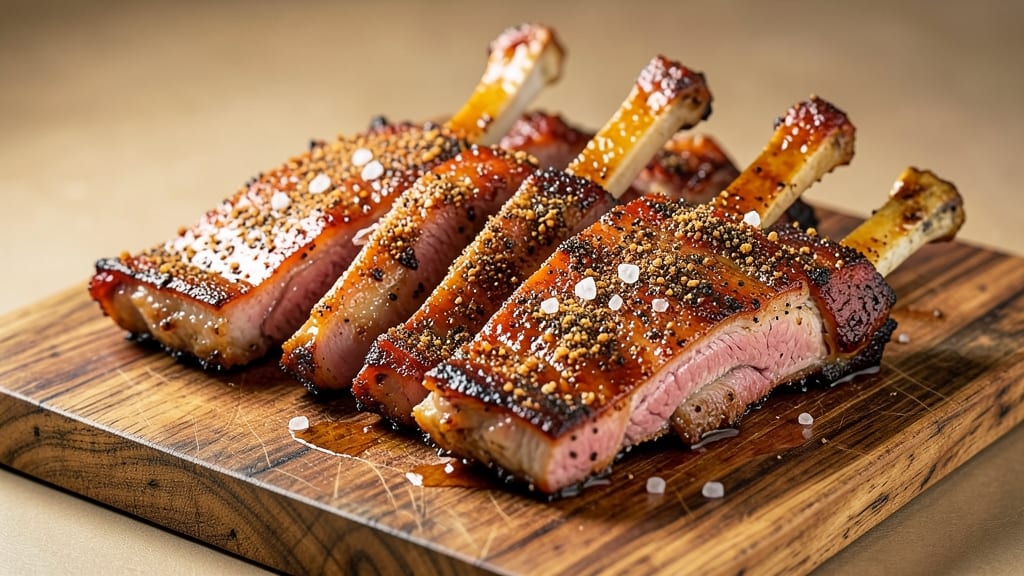
Mastering St. Louis-style pork ribs starts with this smoky-sweet rub that creates the perfect crust for fall-off-the-bone tenderness. Growing up in small-town Georgia, I learned how the right seasoning blend transforms tough cuts into melt-in-your-mouth masterpieces—this is the exact mix I use at The Smoky Pig every week.
The secret lies in balancing sweet brown sugar, bold smoked paprika, and warm spices like cinnamon and cloves. I developed this blend during my apprenticeship under Master Chef Chen, where we perfected the art of whole-hog cooking.
The rub isn't just seasoning—it's the foundation that builds flavor from the first bite to the last.
What makes this recipe work is its foolproof simplicity: just six ingredients, no fancy techniques. Apply generously to ribs before grilling, and let the smoky-sweet crust develop over low heat.
The result? Ribs so tender they practically dissolve at the touch, with a caramelized exterior that's worth every minute of the cook.
Store the dry rub in an airtight container for up to six months, making it your go-to for any pork shoulder or ribs you grill. This is the blend that's earned me championships on the Southeast BBQ circuit—now it's yours to recreate at home.
Ingredients for st louis pork rib rub
Six spices, infinite flavor—this is the championship-winning rub that turns ribs into melt-in-your-mouth perfection.
| Ingredient | Amount | Notes |
|---|---|---|
| Smoked Paprika 🌶️ | 3 tbsp | High-quality smoked variety for authentic flavor |
| Light Brown Sugar 🍚 | 2 tbsp | Packed firmly for accurate measurement |
| Ground Black Pepper 🌶️ | 1 tbsp | Freshly cracked for maximum bite |
| Ground Cinnamon 🌿 | 1 tsp | True cinnamon, not cassia |
| Ground Cloves 🌿 | ½ tsp | Whole cloves ground fresh preferred |
| Diamond Crystal Kosher Salt 🧂 | 1 tbsp | Coarse grain for proper seasoning |
The smoked paprika is non-negotiable—Penzeys or McCormick Gourmet are my go-tos, but any quality smoked variety works. I always buy my brown sugar in 1-pound bags from Costco—it stays fresh longer and packs more flavor. The cloves? Whole is better—grind them fresh in a spice grinder right before mixing. True cinnamon (Ceylon) has a sweeter, more delicate flavor than cassia, but cassia works if that's what you've got. For the salt, Diamond Crystal is the gold standard—it dissolves perfectly and enhances every other flavor in the mix.
No smoked paprika? Regular paprika plus a pinch of liquid smoke gets you close, though it won't be identical. Running out of cinnamon? Nutmeg at half the amount adds warmth, but it's not the same. The cloves can be skipped entirely if you're sensitive to their intensity, but trust me—they're what gives this rub that signature depth. For a sweeter profile, bump the brown sugar up to 2.5 tbsp. If you're using this on chicken or pork shoulder, you can reduce the salt slightly to 0.75 tbsp since those cuts are naturally leaner than ribs.
This rub keeps indefinitely in an airtight container, but it's best when fresh. I make a triple batch every time—one for immediate use, two to store. Glass jars with tight-sealing lids are ideal, and I label them with the date. Once opened, it'll stay potent for up to 6 months in a cool, dark place. Freeze portions if you're not using it regularly—it'll last 12 months that way. The key is to store it away from heat and moisture, which can degrade the spices faster.
Why You'll Love This Recipe
- Five-Ingredient Magic: I swear, this rub is the kind of recipe where you mix, coat, and forget—no fancy prep, no measuring cups of chaos. Just whisk those spices (smoked paprika, brown sugar, cinnamon—oh my!) in a bowl, and you’re done.
- Sweet Heat Payoff: That first bite? Smoky, caramelized, with just a whisper of spice from the cloves and paprika. The brown sugar clings like a hug, while the cinnamon adds this weirdly addictive depth—like someone sprinkled dessert on your ribs.
- Tailgate or Tuesday: Serve it crispy with baked beans at a backyard cookout, or toss leftover ribs in a sandwich for lunch. Honestly, I’ve even used the extra rub on chicken thighs when I’m lazy—works every time.
- Bankable Leftovers: This rub turns tough ribs into melt-in-your-mouth perfection, and the best part? The flavor deepens the next day. I make a double batch, cook once, and eat for days—no takeout needed. (My wallet thanks me.)
Step-by-step instructions for St louis-style pork rib rub
Here's how to mix this legendary rub that delivers smoky-sweet perfection every time.
Measure and Prepare Ingredients
Start by gathering all your ingredients—this is where precision matters most. Use a kitchen scale or measuring spoons to ensure you have exactly 3 tablespoons of smoked paprika, 2 tablespoons of light brown sugar (packed firmly), 1 tablespoon of ground black pepper, 1 teaspoon of ground cinnamon, ½ teaspoon of ground cloves, and 1 tablespoon of Diamond Crystal kosher salt. The smoked paprika should be a high-quality variety for that authentic St. Louis flavor profile.
I like to measure the spices first in a small bowl before adding the sugar and salt. This prevents spills when transferring everything to your mixing bowl later. The brown sugar should be packed—don't scoop it loosely or you'll end up with less than the required 2 tablespoons. The cloves, in particular, should be freshly ground if possible—they add a subtle warmth that makes this rub truly special.
Combine Dry Ingredients Thoroughly
Transfer all the measured ingredients to a medium mixing bowl. Using a wire whisk or small whisk attachment on your stand mixer, combine everything on low speed for about 30 seconds to break up any clumps. You'll notice the spices start to blend together, creating a uniform color that ranges from deep brown to reddish-brown depending on your smoked paprika's intensity.
At this stage, the mixture might look uneven with visible sugar crystals and spice flecks. That's normal—don't be tempted to increase the speed. The goal is to distribute everything evenly without developing heat that could alter the spices' flavors. After whisking, use your fingers to gently work through the mixture, ensuring the sugar crystals are evenly dispersed throughout.
Test the Rub Consistency
Take a small pinch of the rub between your fingers and rub it between your thumb and forefinger. It should feel slightly gritty but cohesive, with no dry powder clinging to your skin. If it feels too dry, add ½ teaspoon of water and mix again—just enough to make it cling together when pressed. The rub should form a loose but compact mass that holds its shape when you press it gently.
This consistency is crucial for creating that signature St. Louis bark. A properly mixed rub will adhere well to the ribs during cooking, creating that beautiful crust while allowing the meat to remain tender underneath. If you're making this ahead of time, store it in an airtight container for up to 3 months—the flavors will actually deepen as they meld together.
Apply to Ribs for Maximum Flavor Penetration
When you're ready to use the rub, apply it generously to all surfaces of your ribs—inside the cavity, on the meaty portions, and even on the bone sides. Use your fingers to press the rub firmly into the meat, ensuring it adheres well. The ribs should look completely coated with a thin layer of the spice mixture, with no bare spots showing.
Here's the thing—don't be stingy with the application. You want that rub to penetrate the outer layer of the meat, creating that legendary bark while infusing flavor deep into the ribs. Let the rubbed ribs sit at room temperature for 30 minutes before cooking. This allows the spices to begin working their magic, developing that initial crust that will carry through to your final bark.
Pro Tips For Making St Louis Pork Rib Rub
- Toast Your Spices: Heat the smoked paprika and cinnamon in a dry pan for 30 seconds before mixing—this deepens their flavor and cuts through the sweetness of the brown sugar. I learned this the hard way after tasting a batch where the spices just tasted like dust.
- Balance the Sweetness: Taste the rub before applying it—if the brown sugar dominates, add a pinch more black pepper or cloves to sharpen the flavor. My first few attempts were cloyingly sweet until I started adjusting this step.
- Don’t Overcrowd the Ribs: Apply the rub in one even layer, then let it sit uncovered for 20 minutes before cooking. Skipping this means the sugar burns before the spices can cling properly—your ribs will taste like caramelized regret.
- Use Coarse Sugar: Light brown sugar works, but coarse sugar (like turbinado) gives better texture and caramelizes faster. It’s pricier, but the difference is noticeable—especially if you’re grilling or smoking. (Yes, I’ve done both with regular sugar and regretted it.)
Pro cooking tips for st louis pork rib rub
Spice Freshness Matters
Freshly ground spices make all the difference in this rub. I always grind my own cloves using a spice grinder—whole cloves lose potency quickly. For smoked paprika, buy it in small quantities from Penzeys or McCormick Gourmet to ensure maximum flavor.
The cinnamon should be true Ceylon cinnamon if possible, though cassia works in a pinch. Store all spices in amber glass jars with airtight lids to preserve their aroma and potency. 🌶️
Temperature Control for Perfect Bark
When applying the rub, let your ribs sit at room temperature for 30 minutes before cooking. This helps the spices adhere better and prevents moisture loss during the initial sear.
For St. Louis-style ribs, I recommend a two-stage cook: start with a 225°F smoker for 4-5 hours, then crank to 275°F for the final 1-2 hours. This creates that signature bark while keeping the meat tender. 🌡️
Rub Application Techniques
Don't just sprinkle the rub—press it firmly into the meat using your fingers. This ensures maximum adhesion and flavor penetration. For baby back ribs, focus on the meaty portions, while St. Louis-style spare ribs benefit from rub on the bone sides too.
I like to apply a second layer after the first 2 hours of cooking to intensify the flavor. This is especially effective if you're using a reverse sear method.
Substitutions for Common Ingredients
Running out of brown sugar? Substitute with white sugar plus ½ tsp molasses for depth. No smoked paprika? Mix 3 tbsp regular paprika with ½ tsp liquid smoke. For cinnamon, nutmeg at half the amount works, though it's not identical.
The cloves can be omitted if you dislike their intensity, but they're what gives this rub its signature warmth. Always adjust sweetness to taste after cooking.
Storage Secrets for Long-Lasting Flavor
Store your rub in an airtight container in a cool, dark place for up to 6 months. For longer storage, freeze portions in ice cube trays or small jars. The rub will keep its potency for 12 months in the freezer.
I make triple batches—one for immediate use, two for storage. Label everything with the date to track freshness. The flavors actually improve slightly as they meld together over time. ❄️
Nutrition facts
Frequently asked questions
Can I make this rub without smoked paprika?
Mix 3 tablespoons regular paprika with ½ teaspoon liquid smoke for a close substitute. The flavor won't be identical, but it'll still deliver that signature smoky-sweet profile. For best results, use a high-quality paprika like McCormick Gourmet to maintain depth.
How do I adjust the sweetness level?
For a sweeter bark, increase the brown sugar to 2.5 tablespoons. If you prefer less sweetness, reduce it to 1.5 tablespoons and add ½ teaspoon extra smoked paprika for balance. The key is to taste the rub before applying—it should be rich but not cloying. Adjustments work best when made to the dry rub itself.
What's the best way to store leftover rub?
Keep your rub in an airtight container in a cool, dark place for up to 6 months. For longer storage, freeze portions in small jars or ice cube trays—it'll stay potent for 12 months. I always label mine with the date to track freshness. The flavors actually deepen slightly over time as the spices meld together.
Can I use this rub on other meats besides ribs?
This rub works beautifully on pork shoulder, chicken, and even brisket! For leaner cuts like chicken, reduce the salt slightly to 0.75 tablespoons to prevent over-seasoning. The smoky-sweet profile translates well to any pork—just adjust cooking times to match the meat's thickness. It's my go-to for pulled pork at The Smoky Pig!
Why does my bark keep cracking?
Cracking happens when the rub dries too quickly or the meat loses moisture unevenly. To prevent this, spritz ribs with apple cider vinegar every 30 minutes during cooking, or apply a thin layer of mustard before the rub to help it adhere better. Also ensure your cooking temperature stays consistent—fluctuations cause uneven bark formation.