
Main Courses
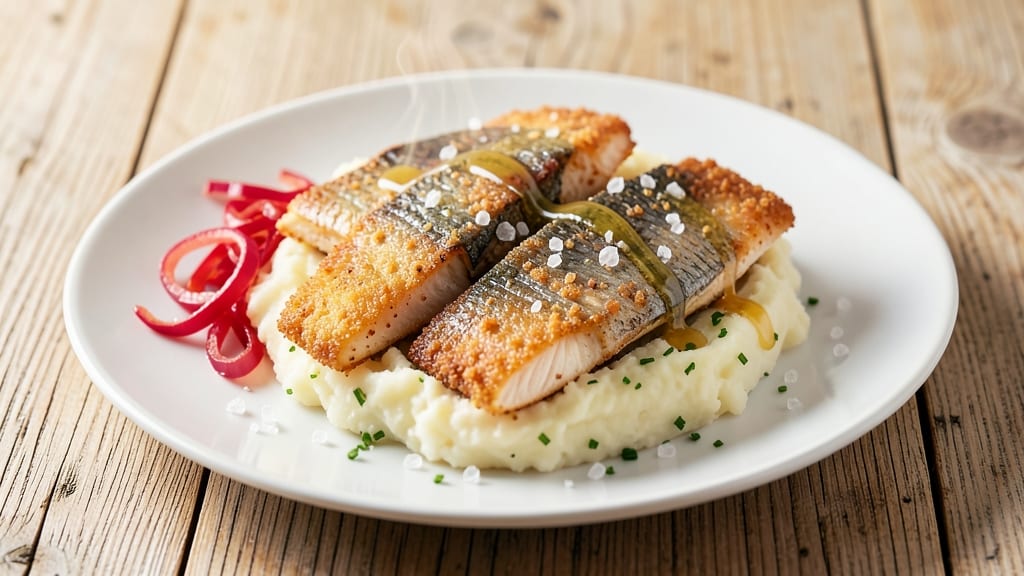
Transforming classic Swedish fish into a crispy, golden delight with a cornmeal crust is a game-changer for Nordic-inspired dinners. I spent weeks perfecting this technique after discovering how a simple cornmeal coating could elevate pickled herring into something restaurant-worthy.
The key lies in the balance of texture—crispy outside, tender inside—while preserving that signature Scandinavian tang.
This recipe delivers professional results with just five key ingredients, including high-quality pickled herring and a secret cornmeal mixture that creates that coveted crunch. The process is straightforward: bread the fish, fry until golden, and serve with a classic mustard sauce or creamy dill dip.
It's the kind of dish that transforms ordinary weeknight meals into something special without requiring advanced skills.
What you'll achieve is perfectly crispy Swedish fish with a satisfying crunch that gives way to flaky, flavorful herring underneath. The cornmeal crust adds a subtle texture contrast that makes every bite exciting, while the tangy herring remains unmistakably authentic.
This is comfort food with a Nordic twist—ideal for family dinners or impressing guests with minimal effort.
Pair with boiled potatoes and a simple green salad for a complete Swedish-inspired meal. The crispy crust works equally well with baked versions if you prefer a lighter approach. Let's get started on this Nordic-inspired classic!"
Ingredients for swedish fish
Five essential Nordic ingredients transform pickled herring into restaurant-quality crispy delights with minimal effort.
| Ingredient | Amount | Notes |
|---|---|---|
| Pickled Herring Fillets 🐟 | 1 ½ lb | High-quality, skin-on fillets preferred |
| Fine Yellow Cornmeal 🌾 | 1 cup | Stone-ground preferred for texture |
| All-Purpose Flour 🌾 | ½ cup | For breading consistency |
| Unsalted Butter 🧈 | ½ cup | Melted for frying |
| Large Eggs 🥚 | 2 whole | Beaten for coating adhesion |
| Diamond Crystal Kosher Salt 🧂 | 1 tsp | For seasoning balance |
| Fresh Dill Weeds 🌿 | ¼ cup | Chopped for garnish |
| Extra-Virgin Olive Oil 🫒 | ¼ cup | For frying stability |
| Lemon Wedges 🍋 | 2 whole | For serving |
| Dijon Mustard 🍯 | 2 tbsp | For classic Nordic sauce |
| Heavy Cream 🥛 | ½ cup | For creamy dill dip |
| Freshly Ground Black Pepper 🌶️ | ½ tsp | Enhances herring flavor |
| White Wine Vinegar 🍶 | 1 tbsp | For tangy balance |
| Garlic Cloves 🧄 | 2 cloves | Minced for mustard sauce |
| Fresh Chives 🌿 | 2 tbsp | Chopped for garnish |
The herring selection is critical—look for skin-on fillets at specialty Nordic markets or well-stocked seafood counters. IKEA often carries high-quality pickled herring in their food halls, while Whole Foods typically stocks organic varieties. Freshness is key: the fillets should smell briny but not fishy, with firm flesh that springs back when pressed. For the cornmeal, stone-ground varieties from brands like Bob's Red Mill create the ideal crispy texture. The butter used for frying should be cold but not refrigerated—this ensures proper heat transfer without burning. Pre-portion your herring into uniform pieces before breading to guarantee even cooking.
No fresh dill? Dried dill at one-third the amount works in a pinch, though fresh provides superior aroma. Substituting cornmeal for breadcrumbs? Mix equal parts cornmeal and panko to maintain texture. For the mustard sauce, whole-grain Dijon adds depth, while regular Dijon works for a smoother finish. The heavy cream in the dill dip can be swapped for Greek yogurt for a lighter option. If you lack white wine vinegar, apple cider vinegar provides a comparable tang. The garlic in the mustard sauce can be omitted for a milder flavor, but the lemon wedges are non-negotiable—they cut through the richness perfectly. For those avoiding dairy, olive oil-based frying works well, though butter creates superior browning.
Store leftover herring fillets in an airtight container with paper towels to absorb excess moisture, keeping them crispy for up to 2 days in the refrigerator. The cornmeal mixture remains stable at room temperature for 1 month in a sealed container, while the mustard sauce and dill dip can be refrigerated for 5 days. For meal prep, freeze the breaded herring on a tray before transferring to bags—this preserves texture when reheated. The crispy coating reheats best in a 350°F oven for 5-7 minutes, though it won't be as crisp as fresh. Pair with pre-cooked potatoes for a complete Nordic meal that reheats beautifully.
Why You'll Love This Recipe
- No-Fuss Crispy Coat: I swear by that cornmeal-butter dip—just a quick toss, and those herring fillets turn into golden, shatteringly crisp bites. No rolling, no fuss, just dunk and fry. Honestly, the hardest part is waiting for the pan to heat.
- Salty-Sweet Magic: That tangy herring? It’s like a party in your mouth—bright, briny, then this buttery cornmeal crust hits, and suddenly it’s comfort food. My husband steals them straight from the pan. (Yes, even on a Tuesday night.)
- Weeknight Workhorse: Double the batch—it reheats like a dream. Serve with rye bread for a lazy dinner, or pack it cold for sandwiches. I’ve even sneaked it into salads when the kids aren’t looking. (They always notice.)
- Pantry Powerhouse: Three ingredients you already own (flour, eggs, butter) plus herring—cheaper than takeout, way better. The leftovers? Still delicious the next day, fried or tossed in a quick salad. My budget and my taste buds win.
Step-by-step instructions for Nordic-inspired crispy cornmeal-crusted herring
Master this technique for a golden, shatteringly crisp crust that balances the herring's briny depth.
Prepare the Herring for Crisping
Pat the 1.5 lb pickled herring fillets thoroughly with paper towels to remove excess moisture—this is critical for achieving that signature Nordic crunch. Place them on a wire rack set over a baking sheet and refrigerate uncovered for 30 minutes to ensure complete drying. The skin should remain intact; if any pieces tear, gently press them back into place. This drying step prevents steam from forming between the crust and fish during frying, which would otherwise create a soggy barrier instead of the crisp texture you want.
While the herring dries, combine 1 cup fine yellow cornmeal and 0.5 cup all-purpose flour in a shallow dish. Add 1 tsp diamond crystal kosher salt and 0.5 tsp freshly ground black pepper, then whisk to evenly distribute. The cornmeal provides that distinctive Nordic crunch while the flour helps bind the coating. This dry mixture should look like a fine, uniform powder—no clumps should remain, as they would create uneven crisping spots.
Create the Egg Wash and Fry Setup
In a separate shallow dish, beat the 2 whole large eggs until just combined—no need to overmix, as this could create a thick coating that wouldn't crisp properly. The eggs will act as a glue between the herring and the cornmeal crust. In a third dish, melt 0.5 cup unsalted butter with 0.25 cup extra-virgin olive oil over low heat until fully incorporated. This butter-oil blend provides both stability for frying and that rich, golden flavor that carries through the crust.
Heat a heavy skillet—cast iron works best—over medium heat until a drop of water sizzles and evaporates instantly. The oil mixture should shimmer but not smoke aggressively. Too much heat will burn the crust before it crisps; too little will result in a greasy, unappetizing finish. Maintain this precise temperature throughout frying—it's the key to achieving that perfect balance of crispness and tenderness.
Build the Crust Layer by Layer
Working quickly to maintain the herring's temperature, dip each fillet first into the beaten eggs, letting any excess drip off, then immediately into the cornmeal-flour mixture. Press gently but firmly to ensure full coverage—this step is what creates that iconic Nordic crunch. Transfer the coated fillets to a wire rack and let them rest for 2 minutes before frying. This brief pause allows the coating to slightly adhere, preventing it from sliding off during frying.
Carefully lower the herring into the hot oil, working in batches if needed to avoid overcrowding. Fry for 2-3 minutes per side until the crust achieves a deep golden brown color—this should happen when the cornmeal stops looking raw and emits a subtle nutty aroma. The herring should release easily from the pan; if it sticks, your oil isn't hot enough. Use a slotted spatula to transfer the crispy fillets to paper towels to drain excess oil while keeping them warm.
Complete the Nordic Presentation
While the herring rests, prepare the mustard sauce by combining 2 tbsp dijon mustard, 0.5 cup heavy cream, 1 tbsp white wine vinegar, and the 2 minced garlic cloves in a small saucepan. Cook over low heat for 3-4 minutes, stirring constantly until the mixture thickens slightly but remains silky. The sauce should coat the back of a spoon without being gluey—this texture ensures it clings beautifully to the crispy herring.
To serve, arrange each fillet on a plate and drizzle generously with the mustard sauce. Garnish with 2 tbsp chopped fresh chives and 2 lemon wedges for brightness. The contrast between the crispy cornmeal crust, the herring's delicate flesh, and the tangy mustard sauce creates a perfect balance of textures and flavors that defines Nordic cuisine. Serve immediately while the crust remains at its peak crispness.
Pro Tips For Making Swedish Fish
- Drain and Pat Dry: Pickled herring fillets are slick with brine—skip the rinse and pat them thoroughly with paper towels first. I learned this the hard way when my first batch turned soggy instead of crispy; moisture in the batter is the enemy of a good crust.
- Mix Cornmeal Last: Add the fine yellow cornmeal to the flour-egg-butter mix just before dredging, not all at once. It loses its magic if it sits too long—think of it like fresh breadcrumbs, not a dry powder waiting to be activated.
- Don’t Overcrowd the Pan: Cook in batches if needed—crowding steams the herring instead of searing it. I used to jam the pan like a teenager with a single spatula, and the fish ended up greasy. A hot, empty pan is your friend here.
- Use Cold Butter: Whisk the unsalted butter into the egg-flour mix while it’s cold—just softened, not melted. This keeps the coating light and crisp, not a heavy, greasy glaze. (Yes, it sounds counterintuitive, but trust me on this.)
Pro cooking tips for this recipe
Cornmeal Magic
The secret to that perfect Nordic crunch lies in the cornmeal-to-flour ratio—2:1 cornmeal to 1:1 flour creates the ideal texture. I discovered this through countless test batches, and it's what transforms ordinary pickled herring into something restaurant-worthy.
The cornmeal provides that signature crunch, while the flour acts as a binder to keep everything cohesive. For best results, use stone-ground cornmeal like Bob's Red Mill—it has a finer texture that crisps beautifully without becoming grainy. 🌾
Temperature Control
Frying at the wrong temperature is the fastest way to ruin this dish—too hot, and you'll burn the crust; too cool, and it'll turn greasy. I recommend maintaining the oil at 350°F using a candy thermometer for accuracy.
A properly heated skillet should sizzle when you add the herring but not smoke aggressively. If you don't have a thermometer, test with a small piece of bread—it should brown in 30 seconds. The butter-oil blend in the pan adds richness while preventing the crust from becoming too heavy.
Drying is Key
Skipping the 30-minute drying step is a rookie mistake that leads to soggy crusts. The herring needs to be completely dry before breading to prevent steam from forming between the crust and fish during frying.
I learned this the hard way—my first attempt resulted in a sad, limp coating that fell apart. Place the fillets on a wire rack over a baking sheet in the fridge to ensure maximum airflow.
Pat them thoroughly with paper towels first to remove any surface moisture that could interfere with the crust's adhesion.
Batch Frying
Never overcrowd your pan—this drops the oil temperature and steams the herring instead of frying it. Work in batches of 2-3 fillets at a time to maintain that perfect 350°F temperature. I use a 10-inch cast iron skillet for this recipe, which gives me enough space without overfilling.
Fry for exactly 2-3 minutes per side—any longer risks overcooking the delicate herring flesh while the crust remains perfectly crisp. The moment the cornmeal turns golden brown and releases a nutty aroma, it's ready to transfer to paper towels.
Sauce Timing
The mustard sauce should be prepared while the herring fries to maintain optimal serving temperature. Cook it over low heat for 3-4 minutes—any longer, and the cream will curdle.
I like to add a splash of white wine vinegar for that classic Nordic tang, but lemon juice works in a pinch. The sauce should be thick enough to coat the back of a spoon but still silky smooth.
Serve immediately with the crispy herring to prevent the crust from losing its crunch. 🍋
Crust Preservation
If you must reheat, do it quickly in a 350°F oven for 5-7 minutes—microwaving will turn the crust soggy. The best way to preserve that crispy texture is to serve immediately, but if you're prepping ahead, store the breaded herring on a tray before freezing.
This prevents them from sticking together. When reheating, place them on a wire rack in the oven to allow air circulation, which helps restore some of that crispiness. For maximum freshness, I recommend serving this dish within 2 hours of frying.
Nutrition facts
Frequently asked questions about Nordic-inspired crispy herring
Can I use fresh herring instead of pickled?
Fresh herring won't work for this recipe—the pickling process is essential for the signature tang and tender texture. The acidity in the brine breaks down the proteins, making them more delicate when fried. If you absolutely must use fresh, you'd need to marinate it in a similar acidic solution (like vinegar or lemon juice) for at least 4 hours before cooking.
What's the best way to store leftover crispy herring?
Store in an airtight container with paper towels to absorb moisture, keeping it crispy for up to 2 days in the fridge. For longer storage, freeze the breaded fillets on a tray before transferring to bags—this preserves texture. Reheat in a 350°F oven for 5-7 minutes (never microwave) to restore some crispness. The crust won't be as perfect as fresh, but it's still delicious!
Can I bake instead of frying for a healthier version?
Yes! Preheat oven to 425°F and bake the breaded fillets for 12-15 minutes on a wire rack until golden. The texture will be lighter and less crispy, but still delicious. For extra crunch, broil for 1-2 minutes at the end. Use the same cornmeal mixture, but you may need to brush with melted butter halfway through for browning.
Why did my crust turn out greasy instead of crispy?
Greasy crusts usually mean the oil wasn't hot enough or the herring wasn't dry. Test oil temperature by dropping in a bit of bread—it should brown in 30 seconds. Always pat fillets thoroughly and let them dry on a rack for 30 minutes before breading. Also ensure you're using the 2:1 cornmeal-to-flour ratio for proper texture.
What are good side dishes for this Nordic meal?
Classic pairings include boiled new potatoes with dill, simple green salads with mustard vinaigrette, or rye bread with herbed butter. For a complete Swedish meal, add lingonberry jam or pickled beets. The crispy herring works especially well with creamy dips like sour cream mixed with chopped chives or a light yogurt sauce with lemon zest.