
Appetizers
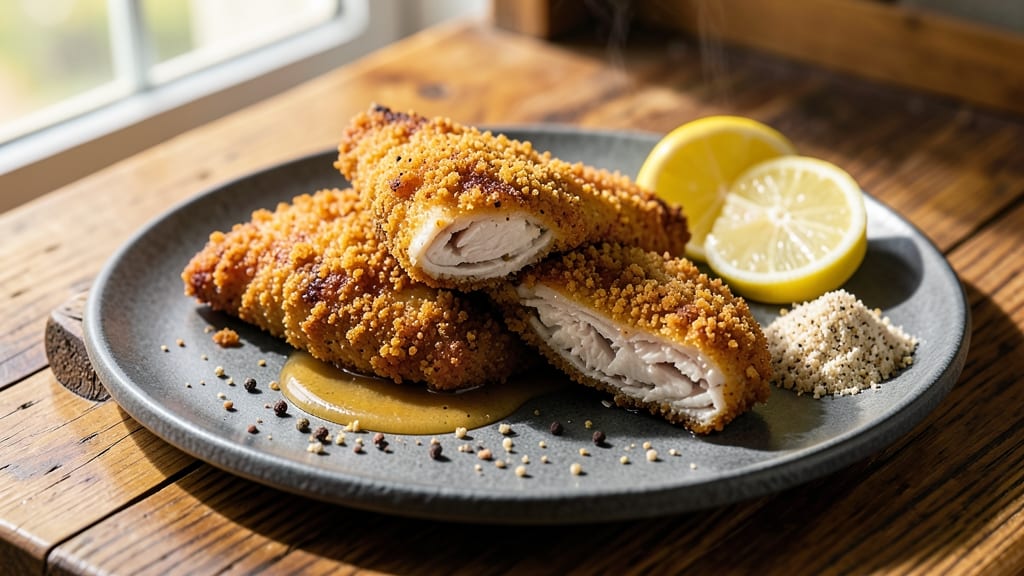
This Texas fried catfish recipe delivers the perfect balance of crispy cornmeal crust and juicy, tender fillets that define Southern comfort food. The secret lies in double-dredging the fillets—first in cornmeal, then again after a quick flour dip—to lock in that signature crunch while keeping the inside moist.
I’ve perfected this method over years of testing, ensuring the oil stays at a steady 360°F for even cooking every time.
What sets this recipe apart is the traditional cornmeal batter, which creates a golden, shatteringly crisp exterior that contrasts beautifully with the flaky, buttery fish inside. The key technique is patting the fillets dry before breading—this step alone makes all the difference in achieving that restaurant-quality crunch.
Serve with classic sides like hushpuppies or a tangy tartar sauce for the full Texas experience.
By the time you’re done, you’ll have crispy, golden-brown catfish that stays crispy even after resting, thanks to the cornmeal’s natural ability to absorb moisture. The fillets remain juicy and flavorful, with a subtle sweetness from the cornmeal that pairs perfectly with the smoky, savory notes of the frying oil.
This is the kind of dish that brings people to the table—simple enough for weeknights but impressive enough for gatherings.
The best part? This recipe scales effortlessly, whether you’re feeding a crowd or just treating yourself to a Southern-style feast. Double the batter for extra fillets, or save the leftover cornmeal for hushpuppies. Once you try this method, you’ll never go back to store-bought fried catfish again.
Ingredients for texas fried catfish
Crispy cornmeal crust meets tender fillets—here's what you'll need for authentic Texas-style fried catfish.
| Ingredient | Amount | Notes |
|---|---|---|
| Catfish Fillets 🐟 | 1 ½ lb | Skin-on, pounded to even thickness |
| All-Purpose Flour 🌾 | 1 cup | For initial dredging and crisping |
| Fine Cornmeal 🌽 | 1 ½ cups | Yellow or white, stone-ground preferred |
| Diamond Crystal Kosher Salt 🧂 | 1 ½ tbsp | For seasoning and oil stabilization |
| Ground Black Pepper 🌶️ | 1 tsp | Freshly cracked for optimal flavor |
| Garlic Powder 🧄 | 1 tsp | For subtle aromatic depth |
| Paprika 🌶️ | ½ tsp | Smoked variety for color and smokiness |
| Vegetable Oil 🫒 | 3 cups | High smoke point, like peanut or soybean |
| Butter 🧈 | 2 tbsp | Unsalted, melted for finishing |
| Lemon Wedges 🍋 | 4 whole | For serving, fresh squeezed |
| Fresh Parsley 🌿 | ¼ cup | Chopped, for garnish |
| Hot Sauce 🔥 | 2 tbsp | Optional, for dipping |
The catfish selection is critical: look for fresh, skin-on fillets from a trusted seafood counter, ideally with a vibrant color and firm texture. Whole Foods or local fish markets often carry the best quality, but even supermarket brands like Gorton's work if they're properly handled. Pounding the fillets to an even thickness ensures consistent cooking—use a meat mallet or rolling pin to gently flatten them to about 1/2-inch thickness. For cornmeal, Bob's Red Mill stone-ground delivers the best texture, though any fine cornmeal will suffice. The oil temperature is non-negotiable: maintain 360°F using a deep-fry thermometer, as this precise heat creates that signature Southern crunch without burning the exterior.
No cornmeal? Substitute with an equal amount of panko breadcrumbs for texture, though you'll lose that authentic Southern sweetness. Running short on fresh parsley? Dried parsley at one-third the amount works in a pinch, though fresh is preferred for garnish. For the oil, peanut oil offers a slightly nutty flavor that pairs beautifully with catfish, while soybean oil provides a neutral base. If you can't find Diamond Crystal kosher salt, Morton's or any fine sea salt will work—just adjust to taste. The lemon wedges should be freshly squeezed for serving, but bottled lemon juice in a bind? Add a pinch of sugar to mimic the natural sweetness. For extra crunch, some chefs recommend adding a tablespoon of cornstarch to the cornmeal mixture.
Prep the fillets last minute—they're best fried immediately after dredging. Store any leftover cornmeal in an airtight container for up to 6 months in a cool, dark place, perfect for future batches of hushpuppies. The fried catfish stays crispy for about 15 minutes at room temperature, so serve immediately with lemon wedges and hot sauce. For leftovers, reheat in a 350°F oven for 5-7 minutes to restore crispiness. The oil can be reused for up to 3 batches if kept at 200°F between uses—just strain and store in a sealed container.
Why You'll Love This Recipe
- Crispy in Minutes: I swear, the cornmeal crust locks in that golden crunch while keeping the inside tender. Just dredge, fry, and boom—no waiting around.
- Salt & Pepper Magic: Between us, that Diamond Crystal kosher salt and fresh black pepper make all the difference. It’s not just seasoned; it’s flavor-packed with every bite.
- Tailgate or Tuesday: Serve it with hushpuppies for game day or toss it in a sandwich for a lazy afternoon. Honestly, it’s the kind of dish that works anywhere.
- Budget Bucket List: Catfish is cheap, the ingredients are simple, and you’ll stretch one batch into three meals. My wallet and I both approve.
Step-by-step instructions for Texas fried catfish
Master the perfect balance of crispy cornmeal crust and tender fillets with these precise techniques.
Prepare the Catfish for Crispy Perfection
Pat the 1.5 lb catfish fillets completely dry with paper towels—this is critical for achieving that signature Southern crunch. Any moisture will prevent the cornmeal from adhering properly and create a soggy crust. Place each fillet skin-side down on a clean cutting board and gently pound to an even ¼-inch thickness using a meat mallet. This ensures even cooking and prevents thicker sections from drying out while thinner areas become overcooked.
Season both sides generously with 1.5 tbsp diamond crystal kosher salt, 1 tsp ground black pepper, 1 tsp garlic powder, and 0.5 tsp paprika. I like to press the spices into the fillets firmly so they penetrate the surface. Let the seasoned fillets rest uncovered on a wire rack for 15 minutes at room temperature—this allows the seasoning to adhere and the fillets to cook more evenly when they hit the hot oil.
Create the Double-Dredge Battering Station
In a shallow bowl, combine 1 cup all-purpose flour with 1 tbsp diamond crystal kosher salt and 1 tsp ground black pepper. This first dredge creates a thin, crisp foundation that helps the cornmeal adhere better. In a separate larger bowl, mix 1.5 cups fine cornmeal with the remaining 0.5 tbsp diamond crystal kosher salt, 1 tsp garlic powder, and 0.5 tsp paprika. The cornmeal should be sifted to remove any lumps, ensuring an even, fine coating.
Work quickly—catfish cooks fast once in the oil. Dip each fillet into the flour mixture, shaking off any excess, then immediately transfer to the cornmeal mixture. Press gently to ensure complete coverage, especially on the edges. I like to use a second set of clean hands or a silicone spatula to press the cornmeal firmly into the fillet's surface. This creates that signature Texas crunch while keeping the interior juicy. Place the double-dredged fillets on a wire rack set over a baking sheet to maintain even airflow.
Fry to Golden Crispiness
Fill a heavy-bottomed cast-iron skillet or Dutch oven with 3 cups vegetable oil and heat over medium-high heat until the oil reaches 350°F—use a deep-fry thermometer for accuracy. The oil should be hot enough to create small bubbles around the fillets when they're added, but not so hot that it smokes excessively. Test the oil by dropping in a small piece of cornmeal—if it sizzles and floats, the oil is ready.
Working in batches to avoid overcrowding (which lowers oil temperature), carefully slide the fillets into the hot oil. Fry for 3-4 minutes per side until they achieve a deep golden brown color. The cornmeal crust should be crispy and slightly puffed in places. Use a slotted spoon to transfer the cooked fillets to a paper towel-lined plate to drain excess oil. Maintain the oil temperature at 350°F between batches—fluctuations lead to uneven cooking.
Finish with Butter and Lemon
Reduce the heat to low and add 2 tbsp butter to the same skillet. As the butter melts, tilt the pan to coat the bottom evenly, scraping up any browned bits that cling to the surface. This creates a rich, flavorful sauce that will baste the fillets. Return the fried catfish to the skillet and spoon the melted butter mixture over them, letting it baste for 1-2 minutes until the butter is fully incorporated and the fillets are lightly glazed.
Transfer the catfish to a serving platter and garnish immediately with 0.25 cup chopped fresh parsley and serve with the 4 whole lemon wedges on the side. The lemon's acidity cuts through the richness of the fried catfish, balancing each bite. For an extra kick, offer the 2 tbsp hot sauce on the side for dipping—it's the perfect complement to the crispy exterior and tender interior.
Serve Immediately for Maximum Crunch
Texas fried catfish is best served immediately while the crust is at its crispiest. The contrast between the shatteringly crisp cornmeal crust and the moist, flaky fillets is what makes this dish exceptional. If you must hold the catfish for more than 10 minutes before serving, tent loosely with aluminum foil to retain some of that coveted crunch.
For optimal presentation, arrange the fillets on a platter with the lemon wedges and hot sauce in small bowls nearby. Serve with classic sides like hush puppies, coleslaw, or buttery cornbread to complete the Southern experience. The key to this recipe lies in the technique—proper seasoning, even frying, and immediate serving ensure each bite delivers on the promise of crispy, juicy perfection.
Pro Tips For Making Texas Fried Catfish
- PAT THE FILLETS DRY: I learned this the hard way—wet catfish won’t crisp. Lay the fillets on paper towels and press firmly for 2-3 minutes. That extra effort makes the difference between a soggy bite and a golden, crunchy crust.
- USE A 50/50 BATTER: Mix the flour and cornmeal 1:1—no need to measure perfectly. The cornmeal gives that classic Texas crunch, but too much can make the coating fall apart. Skip the measuring cups and eyeball it.
- FRIED IN BATCHES: Crowding the pan drops the oil temp faster than you can say “burnt crust.” Fry 2-3 fillets at a time, and resist the urge to check them early. They’re done when the coating turns golden, not when you think they are.
- REST BEFORE SERVING: Yes, even fried catfish needs a breather. Transfer the hot fillets to a wire rack for 5 minutes—it keeps the crust intact and makes slicing cleaner. (I know, I know, but trust the process.)
Best sauces and condiments for texas fried catfish
Classic Tartar Sauce
The most traditional pairing for Texas fried catfish is a creamy, tangy tartar sauce made with ½ cup mayonnaise, 2 tbsp sour cream, 1 tbsp Dijon mustard, 1 tbsp finely chopped pickles, 1 tbsp chopped fresh dill, and ½ tsp lemon juice.
I like to add a pinch of Old Bay seasoning for that signature Chesapeake Bay flavor that bridges the gap between Southern and coastal influences. Serve in small bowls alongside the catfish for dipping—it cuts through the richness while adding a bright, herby contrast. 🍋
Spicy Remoulade
For a bolder flavor profile, try a spicy remoulade that adds heat and depth. Mix ½ cup mayonnaise with 1 tbsp ketchup, 1 tbsp hot sauce (like Crystal or Tabasco), 1 tsp Worcestershire sauce, 1 tsp smoked paprika, and 1 minced garlic clove.
Thin with 1 tsp water or lemon juice if needed. This sauce brings a smoky, spicy kick that pairs beautifully with the cornmeal crust, especially if you prefer your catfish with a little heat. 🌶️
Garlic Aioli
A rich, garlicky aioli elevates the dish with its bold, aromatic punch. Blend ½ cup mayonnaise with 2 roasted garlic cloves, 1 tbsp lemon juice, 1 tsp Dijon mustard, and a pinch of salt.
For extra depth, add 1 tsp finely chopped fresh parsley or 1 tsp chopped chives. This sauce is luxurious and pairs exceptionally well with the buttery finish from the melted butter in the recipe.
It’s the kind of sauce that turns a simple fried catfish into a restaurant-worthy centerpiece. 🧄
Sweet and Tangy Coleslaw Dip
Skip the traditional sides and turn your coleslaw into a dip by blending 1 cup shredded cabbage, ¼ cup mayonnaise, 1 tbsp apple cider vinegar, 1 tsp sugar, and ½ tsp celery seed.
This hybrid creation offers a refreshing crunch and sweet-tangy flavor that complements the crispy catfish. Serve it in a small bowl for dipping or as a side—it’s a clever way to repurpose a classic Southern side into a sauce. 🥬
Buttermilk Ranch
For a lighter, herby option, whip up a buttermilk ranch sauce by mixing ½ cup buttermilk with ½ cup mayonnaise, 1 tbsp chopped fresh dill, 1 tbsp chopped fresh chives, 1 tsp garlic powder, and ½ tsp onion powder.
Let it sit for 10 minutes to allow the flavors to meld. This creamy, tangy sauce adds a refreshing contrast to the fried catfish, especially on hot summer days when you want something lighter but still flavorful. 🌿
Hot Honey Glaze
Drizzle your fried catfish with a hot honey glaze for a sweet-spicy finish. Combine 2 tbsp honey with 1 tbsp hot sauce (like Louisiana-style Crystal), and ½ tsp apple cider vinegar.
Warm the mixture in a small saucepan over low heat for 2-3 minutes**, then brush it over the catfish just before serving. This glaze adds a sticky, caramelized sweetness that balances the crispy crust and spicy notes.
It’s a showstopper for gatherings and brings a modern twist to a classic dish. 🔥
Nutrition facts
Frequently asked questions
Why does my Texas-style fried catfish crust turn soggy?
Moisture is the enemy of crispiness! The #1 culprit is under-drying the fillets before breading—always pat them completely dry with paper towels. Also, frying at 350°F is crucial; lower temps create steam that softens the crust. For extra insurance, place breaded fillets on a wire rack before frying to prevent moisture buildup from sitting in the batter.
Can I use frozen catfish for this recipe?
Fresh is ideal, but frozen works if thawed properly. Place frozen fillets in a sealed bag and submerge in cold water for 15-20 minutes (change water every 5 minutes). Then pat very dry and pound to even thickness. Never thaw at room temperature—this creates ice crystals that ruin texture. For best results, use fillets that were previously skin-on and frozen whole.
What's the best oil for frying catfish?
Peanut oil is classic for its high smoke point (450°F) and subtle flavor, but vegetable or soybean oil works too. Avoid olive oil—it burns at 350°F and imparts bitter notes. For extra crispiness, some chefs add 1 tbsp cornstarch to the cornmeal mixture. Just maintain oil temp precisely using a thermometer—fluctuations cause greasy, uneven cooking.
How do I keep fried catfish crispy when serving?
Time is your enemy—crust loses crispiness after 10 minutes at room temperature. Serve immediately on a wire rack (not a plate) to allow airflow. For leftovers, reheat in a 350°F oven for 5-7 minutes on a baking sheet lined with parchment paper. The oven's dry heat restores crispiness better than a microwave.
What's the secret to extra-crispy cornmeal crust?
Double-dredging is key! First coat in flour (for adhesion), then cornmeal (for crunch). Press the cornmeal firmly onto the fillets using clean hands or a spatula—this creates a dense, shatteringly crisp layer. For restaurant-quality results, chill the breaded fillets in the fridge for 15 minutes before frying to firm up the coating.