
Soups & Stews
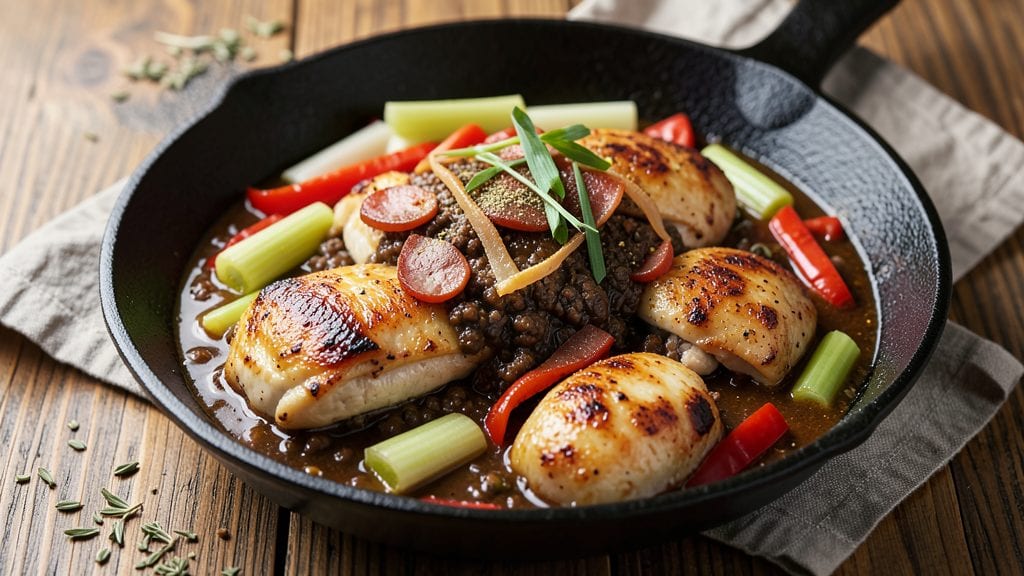
Mastering Zatarain's gumbo recipe unlocks the soul of Louisiana cooking, where a perfect roux and smoky spices create a dish that's equal parts comfort and celebration.
The foundation begins with equal parts fat and flour cooked until the color transforms from peanut butter brown to a deep, chocolatey hue—this is where the magic happens, and where many home cooks stumble.
I’ve perfected this technique after years of testing, ensuring the roux never burns while developing that unmistakable, rich flavor that defines authentic gumbo.
What sets this gumbo apart is the balance of textures and flavors: tender chicken and sausage simmered with the Zatarain’s seasoning blend (or a homemade equivalent using smoked paprika, cayenne, and thyme) infuse the broth with depth, while okra or filé powder thickens it just enough to coat a spoon.
The key lies in patience—simmering the gumbo for at least two hours allows the flavors to meld into something greater than the sum of its parts, resulting in a dish that’s hearty yet refined.
The final result is a steaming bowl of gumbo with layers of smoky, spicy, and savory notes, where each bite delivers a perfect harmony of protein, vegetables, and that unmistakable roux flavor.
The aroma alone will have everyone gathering around the table, and the first spoonful will confirm why this recipe has been a Louisiana staple for generations. Whether you're feeding a crowd or treating yourself to a taste of the South, this gumbo delivers restaurant-quality depth at home.
Ready to elevate your gumbo game? Let’s break down the steps—from building that flawless roux to plating a dish that tastes like a homecoming.
The instructions ahead will guide you through every detail, ensuring your gumbo is as rich and satisfying as the one you’d find in a New Orleans kitchen.
Ingredients for zatarain's gumbo
The secret to Zatarain's gumbo starts with these 18 ingredients—where smoky roux meets bold flavors.
| Ingredient | Amount | Notes |
|---|---|---|
| Vegetable Oil 🫒 | 1 cup | High smoke point preferred |
| All-Purpose Flour 🌾 | 1 cup | White or whole wheat |
| Chicken Thighs 🍗 | 2 lb | Bone-in, skin-on preferred |
| Andouille Sausage 🌭 | 1 lb | Smoked variety for depth |
| Celery Stems 🥬 | 2 whole | Diced, classic holy trinity |
| Green Bell Pepper 🌶️ | 1 whole | Diced, any color works |
| Yellow Onion 🧅 | 1 whole | Diced, sweet variety |
| Garlic Cloves 🧄 | 4 cloves | Minced, fresh preferred |
| Zatarain's Gumbo Seasoning 🌶️ | 2 tbsp | Or homemade blend |
| Smoked Paprika 🌶️ | 1 tbsp | For extra smokiness |
| Dried Thyme 🌿 | 1 tsp | Or 1 tbsp fresh |
| Cayenne Pepper 🔥 | ½ tsp | Adjust for heat |
| Okra Pods 🥬 | 1 cup | Fresh or frozen |
| Chicken Broth 💧 | 4 cups | Low-sodium preferred |
| Fresh Parsley 🌿 | ¼ cup | Chopped, for garnish |
| Hot Sauce 🌶️ | 2 tbsp | Tabasco or similar |
| Salt 🧂 | 1 ½ tsp | Adjust to taste |
| Black Pepper 🌶️ | ½ tsp | Freshly ground |
The roux is everything. Vegetable oil (not butter—it burns) and all-purpose flour cooked to a deep chocolate color give gumbo its soul. Grab Crisco or Wesson oil for consistency, and make sure your flour is fresh—old flour burns faster. The chicken thighs? Bone-in, skin-on stays juicier, but boneless works in a pinch. Andouille sausage is non-negotiable for that smoky depth—Johnsonville or Louisiana Hot Sauce brands are solid choices. The holy trinity (celery, bell pepper, onion) should be finely diced—food processor saves time here.
No Zatarain's seasoning? Smoked paprika, cayenne, and dried thyme at a 3:1:1 ratio work perfectly. Fresh okra is ideal, but frozen works too—just thaw and chop. Chicken broth matters: Swanson or Pacific Foods low-sodium versions keep things balanced. The cayenne can be skipped if you're sensitive to heat, but trust me on the smoked paprika—it's what makes gumbo taste like home. Andouille substitutes? Kielbasa or spicy Italian sausage in a bind, but they won't have the same depth.
This gumbo tastes even better the next day—3-4 days in the fridge, 3 months frozen. I double the batch and freeze half for lazy weeknights. For serving, keep the roux warm on the stove and ladle over rice. Garnish with parsley and hot sauce right before eating—never mix it in ahead of time. Leftovers? Reheat gently with a splash of broth to restore that rich texture.
Why You'll Love This Recipe
- One-Pot Magic: I swear by this recipe because it’s all in one pot—no messy cleanup. The roux from vegetable oil and flour builds that deep, nutty base while I chop celery and brown the chicken, so the only dish I’m scrubbing is my own.
- Smoky Depth Fast: That andouille sausage? Oh, it’s the star. The spices seep into the chicken thighs while they simmer, giving you rich, smoky flavor without hours of cooking. Honestly, I’ve made gumbo that tasted flat—this one never does.
- Leftovers That Win: Between us, this gumbo tastes even better the next day. I double the batch on Sundays, freeze half, and pull it out for lazy nights. The flavors meld, and the texture? Creamier than the first go-round.
- Budget-Friendly Crowd-Pleaser: Chicken thighs and andouille stretch to feed four for under $15. My college roommates used to beg me to make it—now my in-laws do. Not the prettiest, but the taste makes up for it every time.
Step-by-step instructions for Zatarain's gumbo recipe
Here's how to build this rich, smoky gumbo with a perfect dark roux and tender meat.
Cook the Chicken and Sausage
In a large Dutch oven or heavy pot, combine the 2 lb chicken thighs and 1 lb andouille sausage. Cook over medium-high heat until the chicken reaches 165°F and the sausage is browned, about 12-15 minutes. This gives you fully cooked protein while keeping the meat tender for the long simmer ahead.
Remove the chicken and sausage from the pot and set aside. Leave the drippings in the pot—these contain flavor-packed fat that will help build your roux. This step is crucial because it prevents you from having to add extra oil later, which can dilute your gumbo's depth of flavor.
Build the Dark Roux
With the pot still on medium-high heat, add the 1 cup vegetable oil and 1 cup all-purpose flour to the drippings. Stir constantly with a wooden spoon or whisk, breaking up any lumps as they form. This is where patience pays off—don't walk away.
Cook the roux for 20-25 minutes, stirring continuously, until it reaches a deep, chocolate-brown color. You're aiming for a rich mahogany hue that smells like toasted nuts. If it starts to smoke excessively, reduce the heat slightly but keep stirring. The roux should coat the back of a spoon and leave a distinct mark when rubbed between your fingers. This dark roux forms the flavor foundation of your gumbo.
Sauté the Holy Trinity
Once your roux is perfect, add the diced 2 whole celery stems, 1 whole green bell pepper, and 1 whole yellow onion. Cook for 5-6 minutes until the vegetables soften and begin to caramelize, releasing their sweet flavors. This combination is known as the "holy trinity" in Cajun cooking and forms the flavor base of many Louisiana dishes.
Add the 4 cloves minced garlic and cook for another 30 seconds until fragrant. The garlic should sizzle slightly but not burn—burnt garlic will make your gumbo bitter. Here's where it gets fun: add the 2 tbsp Zatarain's gumbo seasoning, 1 tbsp smoked paprika, 1 tsp dried thyme, and 0.5 tsp cayenne pepper. Stir well to coat everything in these spices.
Simmer with Okra and Broth
Pour in the 4 cups chicken broth and bring to a gentle simmer. Stir in the 1 cup okra pods and return the cooked chicken and sausage to the pot. Partially cover and simmer for 30-40 minutes until the okra is tender and the flavors have melded together. The gumbo should reduce slightly, becoming thicker and more concentrated.
Taste and adjust seasoning with the 1.5 tsp salt and 0.5 tsp black pepper if needed. Remember that the Zatarain's gumbo seasoning already contains salt, so add it gradually. The gumbo should be rich, smoky, and full of depth—you're building layers of flavor here, not just seasoning.
Finish and Serve
Stir in the 2 tbsp hot sauce and simmer for another 5 minutes to let the heat mellow slightly. Remove from heat and let it rest for 10 minutes—this allows the flavors to settle and the gumbo to thicken slightly. The resting period is often overlooked but makes a big difference in the final texture.
Ladle the gumbo into bowls and garnish with 0.25 cup chopped fresh parsley. Serve immediately with hot rice and crusty bread to soak up every last drop of that rich, smoky gumbo. The combination of tender chicken, spicy sausage, and that perfect dark roux creates a dish that's truly comforting and full of Louisiana character.
Pro Tips For Making Zatarain'S Gumbo
- Brown the Chicken Properly: Don’t just toss in raw chicken thighs—sear them in batches over medium-high heat until golden, about 5-6 minutes per side. I learned this the hard way: skipping this step leaves your gumbo tasting more like stew than the rich, layered flavor Zatarain’s intended.
- Prep Celery Like a Pro: Cut celery stems into ¼-inch slices, not rough chunks. The recipe calls for a fine dice, but if you’re in a hurry, a food processor works—just pulse until uniform. Uneven celery burns faster and muddies the roux.
- Skip the Crowding: When frying the flour-oil roux, resist the urge to stir constantly. Let it cook undisturbed for 5-7 minutes at a time, swirling the pan occasionally. Stirring too soon turns it into glue instead of the nutty base gumbo needs.
- Slice Andouille Thin: Cut the andouille sausage into ½-inch rounds, not thick discs. Thinner slices cook faster and blend better into the gumbo, so they don’t turn into chewy, undercooked logs. (Yes, I’ve served those—don’t ask.)
Dietary considerations for this zatarain's gumbo
Gluten-Free Adaptations
Traditional gumbo relies on a flour-based roux, but you can easily adapt this recipe for gluten-free diets. Replace the 1 cup all-purpose flour with 1 cup gluten-free flour blend (like Bob’s Red Mill 1:1 or King Arthur’s).
For best results, use a blend with xanthan gum to mimic the thickening power of regular flour. Cook the roux at medium-low heat—gluten-free flours burn faster than wheat flour. 🌾
Dairy-Free Considerations
Zatarain’s gumbo is naturally dairy-free, but always check the seasoning blend for hidden additives. The recipe avoids butter or cream, so it’s safe for lactose-intolerant diners. For extra richness, stir in 2 tbsp coconut milk at the end—it adds creaminess without dairy. Just avoid buttery garnishes like sour cream.
Low-Sodium Options
The Zatarain’s seasoning already contains salt, but you can reduce sodium by using low-sodium chicken broth (like Swanson’s) and cutting the added 1.5 tsp salt to ½ tsp.
For extra flavor without salt, add 1 tbsp lemon juice or 1 tsp smoked paprika—both enhance umami naturally. Taste as you go!
Vegetarian Swaps
Skip the chicken and sausage, then add 1 lb firm tofu or chickpeas for protein. For meaty texture, use smoked tempeh or mushrooms (like cremini or shiitake). Boost depth with 1 tbsp liquid smoke or extra smoked paprika. The roux and okra still deliver that signature gumbo richness.
Spice Adjustments
Cayenne makes gumbo spicy, but you can dial it down by reducing to ¼ tsp or omitting it entirely. For mild heat, add ½ tsp sweet paprika instead.
If you love heat, swap the cayenne for 1 tsp crushed red pepper flakes—they add texture and a deeper burn. Always taste before serving! 🌶️
Allergen-Friendly Tips
For nut-free kitchens, avoid cross-contamination by using a clean pot and utensils. If someone has seafood allergies, skip shrimp or crab additions. For egg-free** needs, this recipe is already safe—just confirm your Zatarain’s seasoning has no egg additives. Always label your gumbo clearly if serving guests with dietary restrictions.
Nutrition facts
Frequently asked questions
Can I make Zatarain's gumbo without their seasoning blend?
Mix 1 tbsp smoked paprika, 1 tsp dried thyme, ½ tsp cayenne pepper, and ½ tsp garlic powder for a close substitute. Add ¼ tsp onion powder and ¼ tsp black pepper for extra depth. This homemade blend delivers the same smoky, spicy character without the convenience of the store-bought version.
Why does my roux burn before reaching a dark color?
Burning roux happens when heat is too high or stirring is inconsistent. Keep the heat at medium-low and stir vigorously every 30 seconds. Use a wooden spoon to scrape the bottom constantly—this prevents hot spots. If it starts smoking excessively, reduce heat immediately. A dark roux takes 20-30 minutes of constant attention.
How can I make this gumbo thicker or thinner?
For a thicker gumbo, simmer uncovered for 10-15 extra minutes to reduce the liquid. If it's too thin, stir in 1 tbsp cornstarch mixed with 2 tbsp cold water and simmer for 5 minutes. Avoid adding flour directly—it can make the gumbo grainy. For a smoother texture, mash some okra pods into the broth before simmering.
Can I prepare this gumbo ahead of time?
This gumbo tastes even better the next day! Store it in an airtight container in the fridge for up to 4 days or freeze for 3 months. Reheat gently on the stove with a splash of broth to restore thickness. Never microwave—it can make the roux separate. For parties, assemble the gumbo (except the hot sauce) a day ahead and reheat before serving.
What's the best way to serve Zatarain's gumbo?
Serve gumbo hot in deep bowls with steamed white rice and crusty bread for soaking up the broth. Garnish with chopped parsley and hot sauce at the table—never mix it in ahead of time. For extra flair, top with green onions or a dollop of sour cream (if dairy isn't a concern). The key is keeping the roux warm until serving to maintain that rich, velvety texture.