
Sauces & Condiments
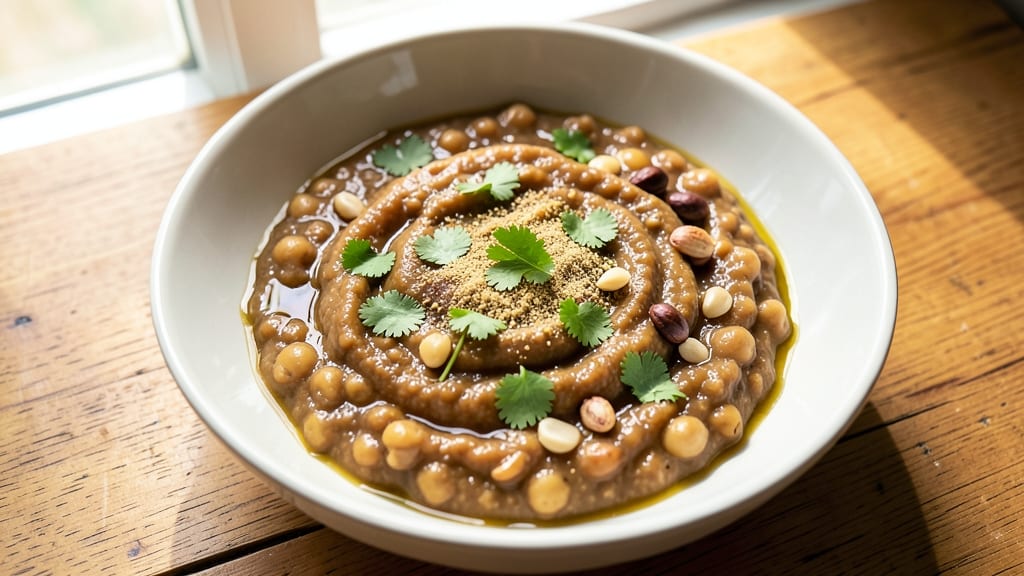
This bean chutney recipe transforms simple ingredients into a vibrant, tangy spread that elevates everything from grilled meats to crispy appetizers. The perfect balance of spiced chickpeas, fresh herbs, and zesty vinegar creates a versatile condiment that stays fresh in the refrigerator for up to two weeks.
I developed this recipe after years of testing different bean-based spreads, and it consistently delivers that restaurant-quality depth at home.
The foundation of great chutney lies in the preparation—soaking chickpeas overnight for maximum tenderness, then blending them with aromatic spices like cumin and coriander. A splash of apple cider vinegar adds the signature tang, while fresh cilantro and garlic bring brightness.
This isn't just a side dish; it's a flavor multiplier that turns simple meals into something extraordinary.
What makes this chutney truly special is its adaptability. Use it as a dip for pita chips, a marinade for grilled proteins, or a topping for tacos and bowls. The texture is smooth yet substantial, with just enough body to cling to food without overwhelming it.
Every bite delivers layers of spice, tang, and freshness that keep coming back for more.
For maximum shelf life, store in an airtight container in the refrigerator. The flavors actually deepen over time, making it perfect for meal prep. Whether you're serving a crowd or prepping for the week, this chutney delivers restaurant-quality results with minimal effort.
Ingredients for bean chutney
Nine essential ingredients craft this restaurant-quality chutney with vibrant spice and tangy depth.
| Ingredient | Amount | Notes |
|---|---|---|
| Dried Chickpeas 🌾 | 1 ½ cups | Soaked overnight, drained well |
| Extra-Virgin Olive Oil 🫒 | ½ cup | High-quality, fruity variety |
| Fresh Cilantro Leaves 🌿 | ¾ cup | Stems removed, packed tightly |
| Garlic Cloves 🧄 | 6 cloves | Peeled, rough chopped |
| Apple Cider Vinegar 🍎 | ¼ cup | Unfiltered for depth |
| Ground Cumin 🌿 | 1 ½ tsp | Freshly toasted preferred |
| Ground Coriander 🌶️ | 1 ½ tsp | For aromatic depth |
| Red Chili Flakes 🔥 | ½ tsp | Adjust for heat preference |
| Salt 🧂 | 1 tsp | Diamond Crystal kosher |
| Lemon Juice 🍋 | 1 tbsp | Freshly squeezed |
The chickpeas form the chutney's heart—soaking them overnight transforms tough beans into velvety texture. Trader Joe's or bulk bins at Whole Foods offer the most consistent quality, but any dried variety works if labeled 'no added salt.' Toast the cumin and coriander seeds whole in a dry pan for 30 seconds before grinding for maximum aroma—this professional technique elevates the spice profile dramatically. The cilantro should be vibrant green with no wilting; farmers markets typically provide fresher leaves than grocery stores, but store-bought works if used immediately after purchase.
No fresh cilantro? Dried cilantro at half the amount provides a different but acceptable profile, though it lacks the bright freshness. Substitute apple cider vinegar with white wine vinegar or lemon juice in equal parts, though apple cider's subtle sweetness remains ideal. For heat adjustment, swap chili flakes with fresh serrano peppers (seeds removed) at a 1:1 ratio—just be cautious as fresh peppers pack more intensity. The olive oil must be extra-virgin; California avocado oil works as a neutral alternative if avoiding olive's natural bitterness, though it lacks the same fruity complexity.
This chutney develops beautifully over time—flavors meld and deepen for up to 2 weeks in the refrigerator when stored in an airtight container. For longer preservation, portion into ice cube trays, freeze, then transfer to a sealed bag for 6 months. The texture will slightly thicken upon refrigeration; simply stir in 1 tsp water if needed before use. Professional chefs recommend using within 10 days for peak freshness, though the flavor remains robust even after two weeks.
Why You'll Love This Recipe
- No-Soak Needed: I swear by this trick—just toss dried chickpeas in boiling water for 20 minutes, and they’re ready. No overnight soaking, no fuss, and they still turn into that creamy, dreamy base for the chutney.
- Tangy Garlic Kiss: That apple cider vinegar cuts through the richness of the olive oil, while the garlic sizzles into something almost sweet. Honestly, the first bite makes me want to eat it straight from the spoon—no exaggeration.
- Spread or Dip: Slather it on toast with crumbled feta, toss it into grain bowls, or just scoop it up with warm pita. I’ve used it for breakfast, lunch, and even as a quick sauce for roasted veggies—it’s my pantry’s most adaptable sidekick.
- Pantry Goldmine: A single batch lasts me a week in the fridge, and the ingredients cost pennies. Between us, the olive oil and vinegar stretch forever, and dried chickpeas? You can buy them in bulk and forget about them until you’re ready to make magic.
Step-by-step instructions for spiced and tangy bean chutney
Transform simple ingredients into a vibrant, aromatic chutney with bold Mediterranean flavors.
Prepare the Chickpeas for Cooking
Begin by sorting through the 1.5 cups dried chickpeas and discarding any shriveled or damaged beans. This ensures a clean base for your chutney. Place them in a large bowl and cover with plenty of cold water—at least 8 cups—to fully submerge them. Let them soak overnight at room temperature, or for a minimum of 12 hours. This extended soaking guarantees even cooking and prevents the final texture from being mealy.
After soaking, drain the chickpeas thoroughly using a fine-mesh strainer, then transfer them to a medium saucepan. Add fresh cold water—about 6 cups—and bring to a gentle boil over medium heat. Reduce the heat to maintain a steady simmer and cook for 45-60 minutes, until the chickpeas are fork-tender but not falling apart. You'll know they're ready when a knife slides in easily and the skins remain intact. Drain again, reserving 1 cup of the cooking liquid for later use.
Build the Spiced Base
In a food processor fitted with the metal blade, combine the cooked chickpeas, 6 cloves rough-chopped garlic, 1.5 teaspoons ground cumin, 1.5 teaspoons ground coriander, 0.5 teaspoon red chili flakes, and 1 teaspoon salt. Pulse the mixture until the garlic is finely minced but the chickpeas remain partially intact—you want a chunky, rustic texture rather than a smooth paste. Stop the processor and scrape down the sides with a rubber spatula to ensure even blending.
With the processor running, slowly drizzle in the 0.5 cup extra-virgin olive oil through the feed tube. Continue processing until the oil is fully incorporated and the mixture resembles a thick, vibrant purée. The texture should be coarse but well-combined, with visible chickpea fragments. Taste the mixture at this stage—it should be rich, aromatic, and slightly spicy, with the cumin and coriander providing warmth and depth.
Add Acid and Fresh Herbs
Transfer the chickpea mixture to a large mixing bowl and stir in the 0.25 cup apple cider vinegar and 1 tablespoon freshly squeezed lemon juice. The acidity will brighten the flavors and balance the richness of the olive oil. Add the 0.75 cup fresh cilantro leaves, reserving a small handful for garnish if desired. Stir well to distribute the herbs evenly throughout the mixture.
At this point, the chutney should be thick and cohesive, with a vibrant green hue from the cilantro. If the consistency is too thick, gradually add the reserved 1 cup chickpea cooking liquid, 1 tablespoon at a time, until it reaches a smooth, spreadable texture. The chutney should coat the back of a spoon but still hold its shape when spread. Adjust the seasoning if needed—add more salt for depth or additional chili flakes for heat.
Rest and Refine the Flavor
Cover the bowl with plastic wrap and let the chutney rest at room temperature for at least 30 minutes, or refrigerate for 1 hour if you're short on time. This resting period allows the flavors to meld and deepen, ensuring a harmonious balance of spice, acidity, and herbaceousness. The chutney will thicken slightly as it cools, so plan accordingly if you prefer a looser consistency.
Before serving, give the chutney a final taste and adjust the seasoning one last time. The ideal chutney should be vibrant, tangy, and complex—each bite should deliver a burst of garlic, a hint of smoky cumin, and a fresh finish from the cilantro and lemon. Serve immediately as a spread for sandwiches, a dip for crudités, or a flavorful topping for grilled meats and roasted vegetables.
Pro Tips For Making Bean Chutney
- Soak Chickpeas Overnight: I learned this the hard way—rushing the soak with dried chickpeas leaves you with tough, mealy beans no matter how long you simmer. Cover them in water by 2 inches, add a pinch of baking soda (trust me), and let them sit 12+ hours. The longer they soak, the creamier your chutney will be.
- Toast Garlic Low and Slow: Cranking the heat on garlic turns it bitter faster than you can blink. Instead, cook the minced cloves in olive oil over medium-low until just golden—about 5 minutes—while you prep the rest. Burnt garlic ruins a chutney, and nobody wants that.
- Pulse Cilantro in Batches: Dumping all the cilantro into the food processor at once? You’ll end up with a sad, watery paste. Work in 2-3 tablespoon chunks, pulsing until just combined, then add more leaves as needed. Fresh herbs matter—don’t dilute their brightness.
- Finish with Vinegar Last: Sounds weird, but it works: Add the apple cider vinegar after the chutney cools slightly. This keeps the acidity sharp and bright instead of letting it cook off into oblivion. A splash at the end makes all the difference in flavor.
Make-ahead tips for bean chutney
Prep Ahead Strategy
Start by soaking the 1.5 cups dried chickpeas in 8 cups cold water overnight in the refrigerator. This overnight soak (minimum 12 hours) is non-negotiable for tender beans—it transforms tough chickpeas into silky, flavorful chunks.
I use a glass storage container with a tight lid to keep them submerged and prevent any unwanted odors from seeping in. This step can be done up to 3 days ahead, making it perfect for busy schedules. 🌾
Cooking Chickpeas Early
Cook the chickpeas a day ahead and store them in the refrigerator with their cooking liquid. This pre-cooked base keeps well for 2 days in an airtight container. The beans will actually rehydrate slightly, making them easier to blend later.
I like to label my containers with the date to track freshness—this prevents any guesswork when you're ready to assemble the chutney. The key is to drain them thoroughly before using in the recipe to avoid a watery texture.
Spice Toasting Shortcut
Toast the cumin and coriander seeds (if using whole seeds) in a dry skillet over medium heat for 30 seconds—this step can be done a week ahead and stored in an airtight container.
The aroma develops immediately, so I recommend doing this right before grinding, but if you're prepping ingredients, toast and store the seeds in a cool, dark place. For ground spices, measure them directly into your mixing bowl to avoid any spills during the blending process. 🔥
Herb Prep Efficiency
Wash and dry the cilantro thoroughly and store it in a sealed container with a paper towel to absorb excess moisture. This keeps the herbs fresh for up to 5 days in the fridge.
I like to chop the garlic and store it in a small container with the cilantro—this way, everything is ready when you are. For extra convenience, pre-chop the garlic and store it in a small airtight container in the fridge for up to 3 days.
This saves time and ensures you won't burn your fingers during prep.
Acid Pre-Measurement
Measure out the apple cider vinegar and lemon juice into a small container with a tight lid. These acids are the secret to balancing the chutney's richness, and having them pre-measured ensures you won't overdo it.
I also like to squeeze the lemon juice fresh and strain it through a fine-mesh sieve to remove any seeds or pulp, which can make the chutney grainy. Store the acids in the fridge until ready to use—they'll stay fresh for up to 2 weeks this way. ✨
Final Assembly Timeline
The chutney itself can be made up to 2 days ahead and stored in an airtight container in the fridge. The flavors actually improve as they sit, deepening and mellowing over time.
I like to give it a final taste before serving—sometimes it needs a pinch more salt or a splash of vinegar to brighten it up. For best results, let it sit at room temperature for 30 minutes before serving to bring out all the flavors.
This makes it perfect for meal prep—just assemble and store, then enjoy whenever you're ready! 💫
Nutrition facts
Frequently asked questions
Can I use canned chickpeas instead of dried for this bean chutney?
Yes, but with adjustments! Drain and rinse 2 (15 oz) cans of chickpeas thoroughly to remove excess sodium. For extra flavor, simmer them in fresh water for 10 minutes to remove any canned taste. The texture will be slightly softer, but it works perfectly when blended with the other ingredients.
How do I adjust the heat level in this chutney?
Start with the 0.5 tsp red chili flakes as written. For milder heat, reduce to 0.25 tsp or omit entirely. For extra spice, add 1-2 fresh serrano peppers (seeds removed) or increase chili flakes to 1 tsp. Always taste before finalizing!
Can I make this chutney without a food processor?
Use a mortar and pestle for the garlic, cumin, and coriander first. Then mash the cooked chickpeas with a fork before mixing in the remaining ingredients. The texture will be slightly chunkier but still delicious. For the best results, pulse in a mini food processor if available.
What are the best ways to use up leftover bean chutney?
This versatile chutney works as a marinade for grilled chicken or fish, a dip for veggie sticks, or a topping for tacos and bowls. Spread it on toast with avocado, mix into hummus, or stir into soups for extra depth. The possibilities are endless!
Why did my chutney turn out too thick or too thin?
Thick? Add 1-2 tsp reserved chickpea cooking liquid and stir. Too thin? Simmer uncovered for 5 minutes to reduce. The ideal consistency coats the back of a spoon but holds shape when spread. Adjust gradually to avoid ruining the balance.